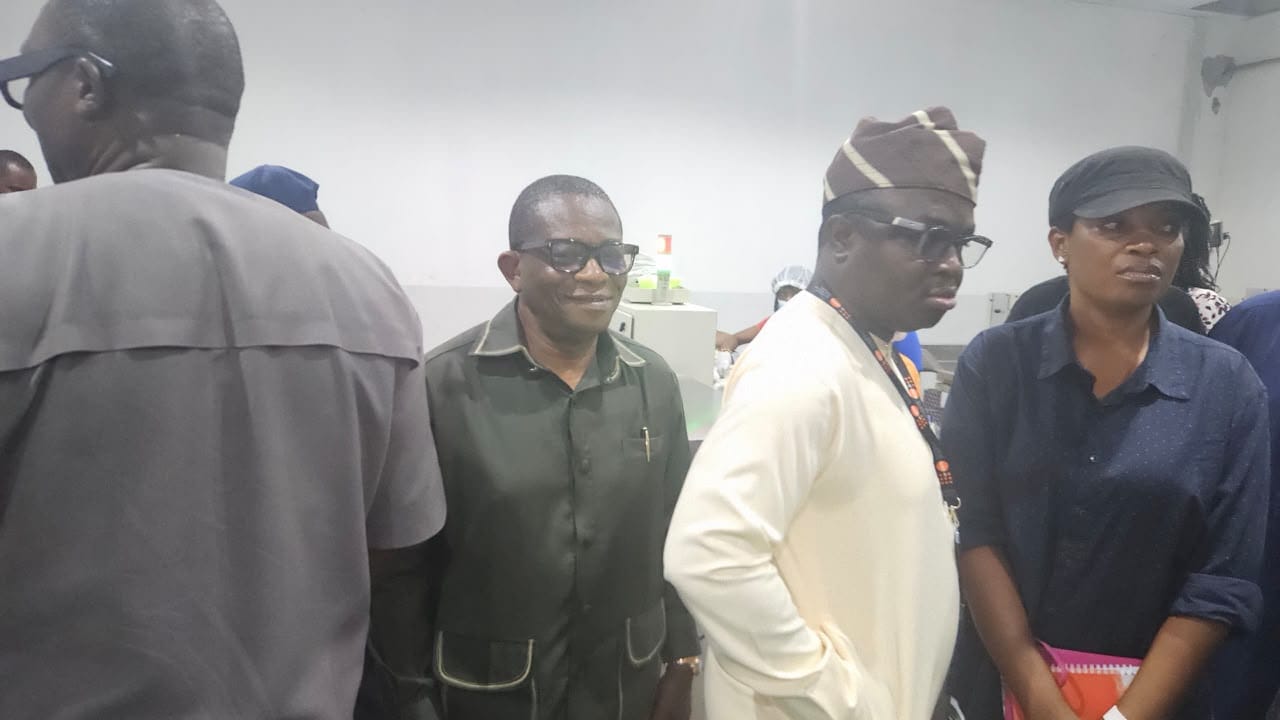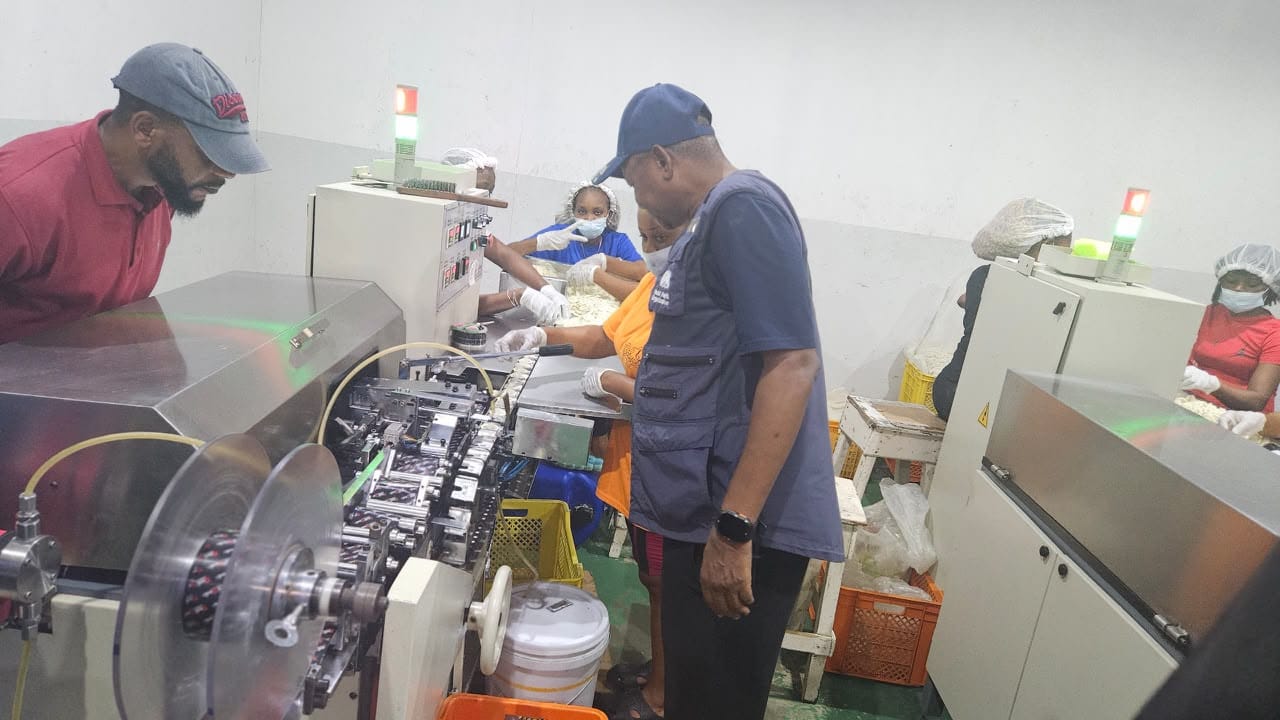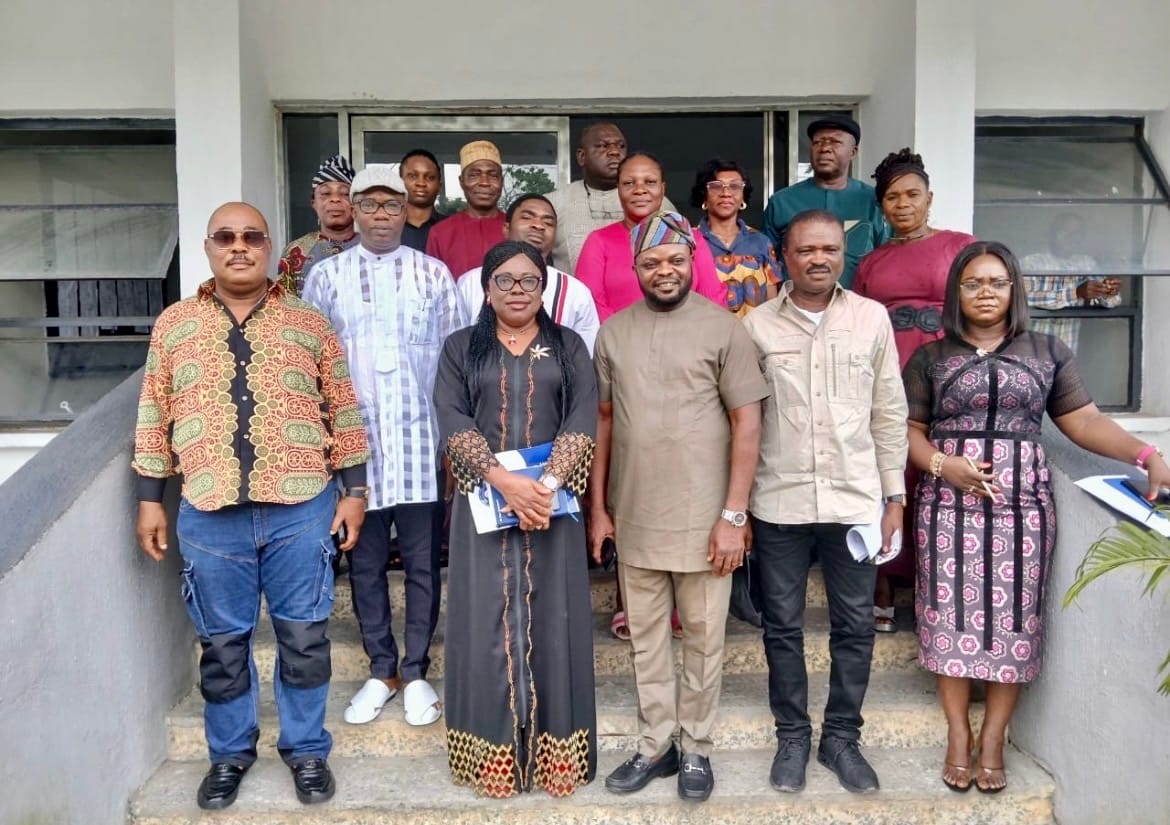

Cross River State is exploring opportunities to strengthen local condom production and improve the availability of reproductive health commodities following an inspection of Agrim International FZE, Calabar by the Cross River State Agency for the Control of AIDS (CR-SACA), the Excellence Community Education Welfare Scheme (ECEWS), the United Nations Population Fund (UNFPA), the World Health Organization (WHO) and other partners.
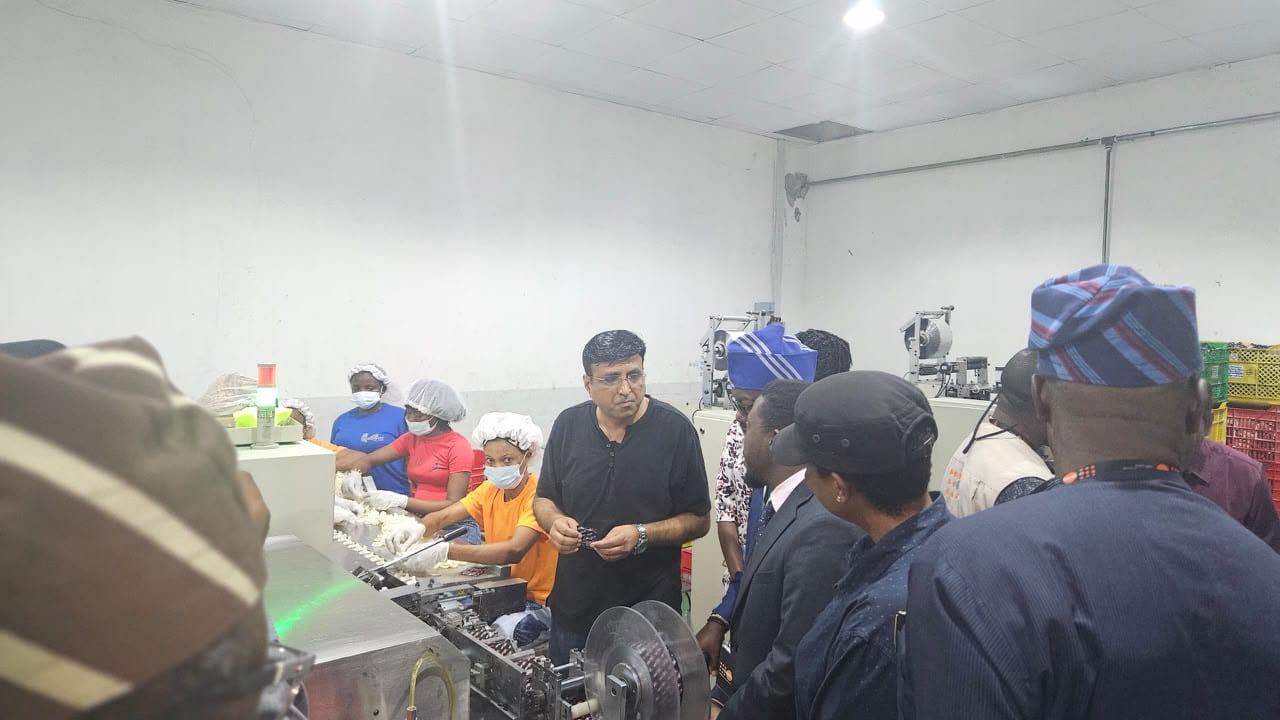
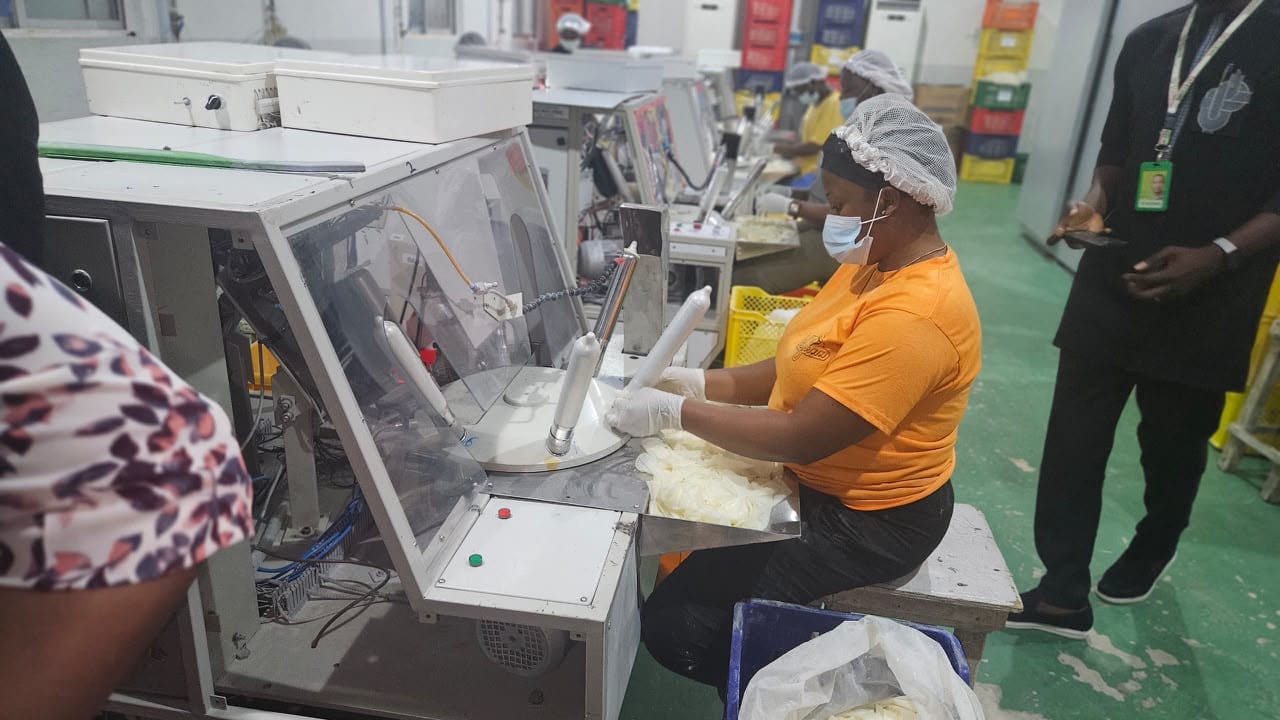
The inspection, led by the Director-General of CR-SACA, Dr. Charles Iwara, provided an opportunity for the delegation to assess the company's manufacturing facilities and discuss the potential contribution of local production to Nigeria's reproductive health commodity supply chain.
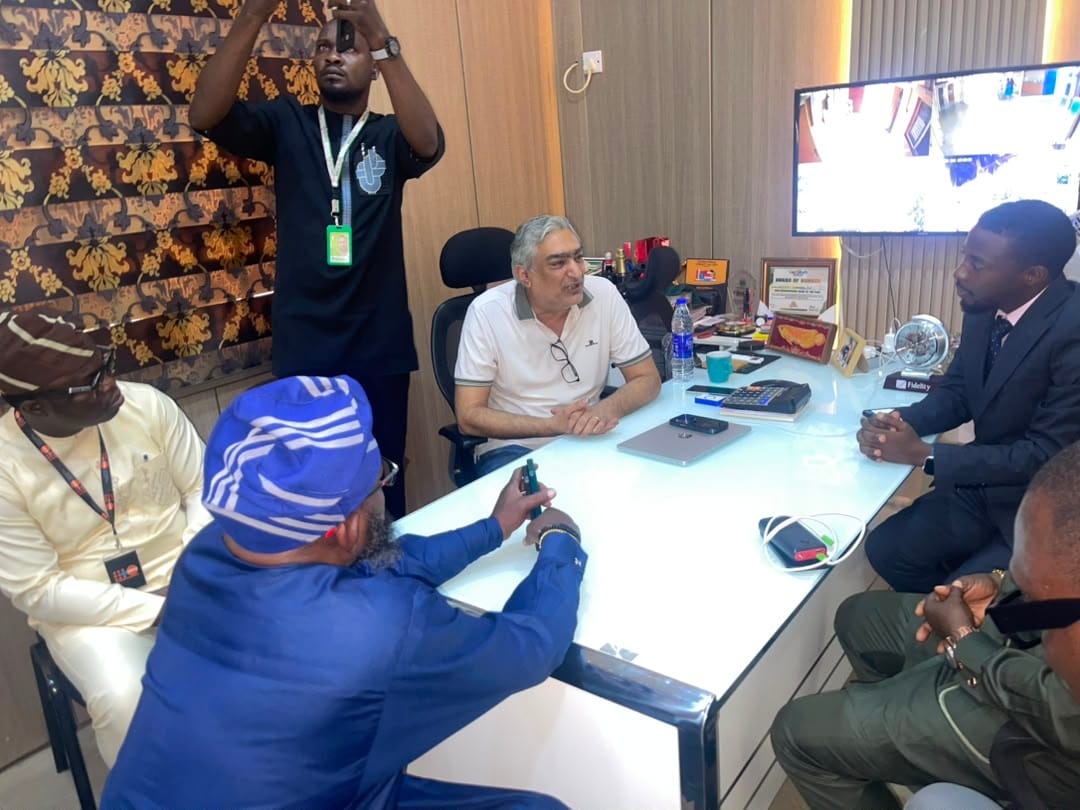
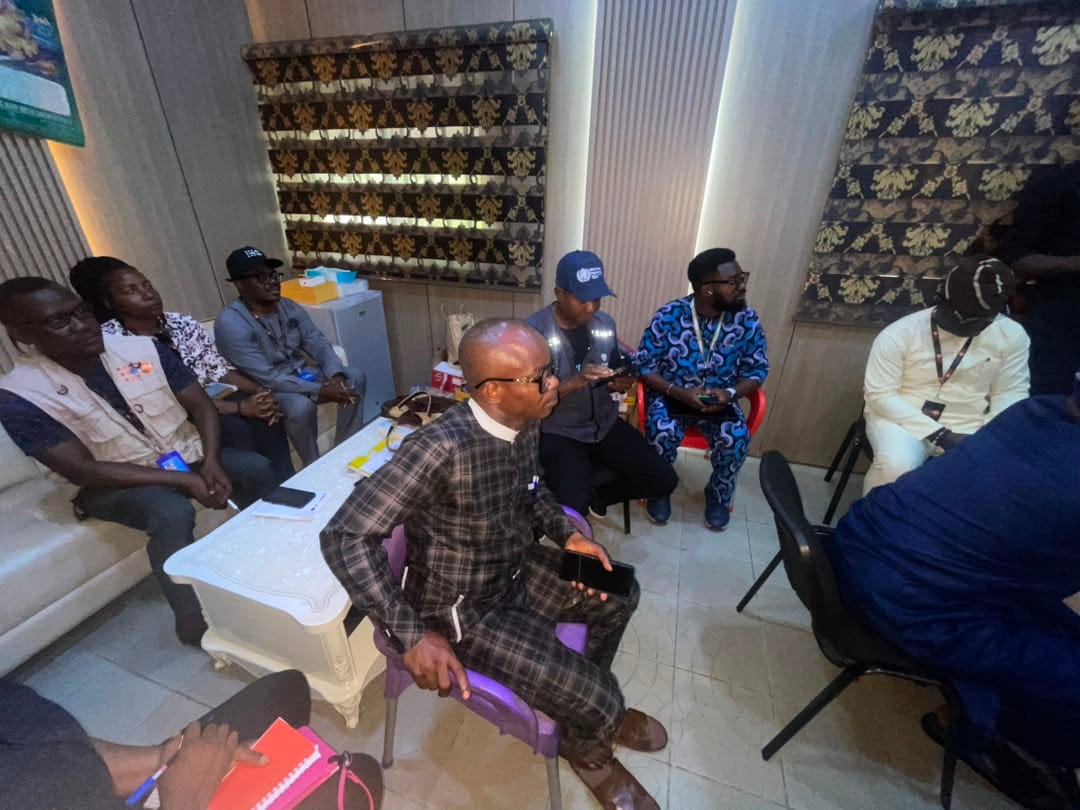
The company's Chief Executive Officer, Mr. Nitin Agarwal, received the delegation and participated in discussions on manufacturing, product distribution, local sourcing of raw materials and opportunities for collaboration with public health stakeholders.
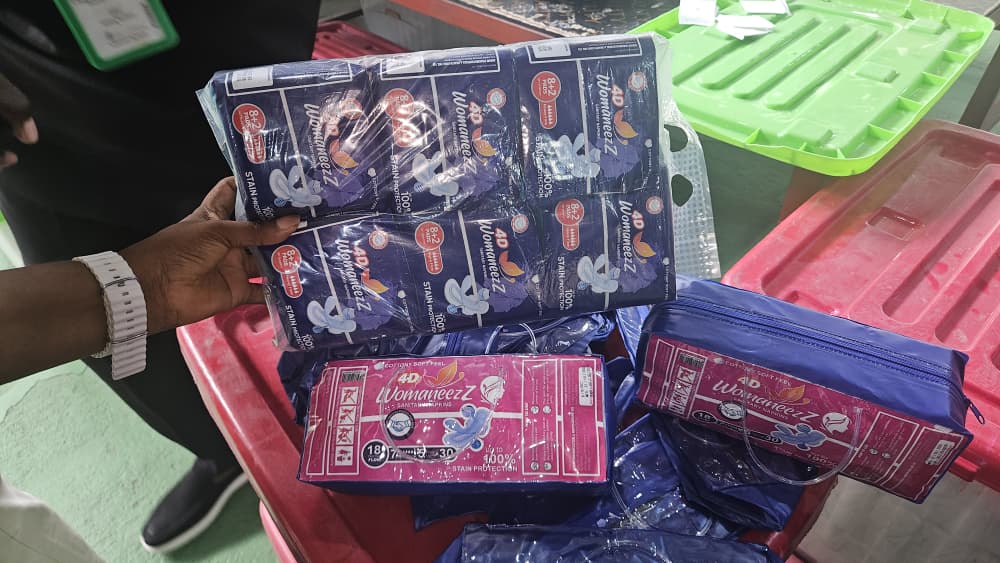
The facility produces male condoms and also has production lines for sanitary pads and diaper pants.
Speaking during the visit, the UNFPA representative, Dr. Andrews, said the organisation supports the Federal Government and state governments in procuring condoms and other contraceptives. He explained that the inspection was intended to provide firsthand information about the company's capacity and identify possible areas of collaboration that could support local manufacturing.
According to him, UNFPA is working with relevant national stakeholders and local manufacturers to explore ways of mobilising technical, financial and human resources to strengthen domestic production while ensuring that products meet internationally recognised quality standards.
Dr. Andrews noted that Nigeria's capacity to manufacture reproductive health commodities locally could help reduce reliance on imported supplies. He added that findings from the inspection would inform further engagement with relevant stakeholders at the national level on how local manufacturers could contribute to meeting the country's needs.
He also highlighted the possibility of state governments procuring some reproductive health commodities from qualified local manufacturers, subject to required quality standards and procurement procedures.
Such an approach, he explained, could support more sustainable supply arrangements by enabling products to be delivered directly to government stores for distribution to health facilities.
The discussions also addressed the need to improve access to condoms for HIV prevention and other sexual and reproductive health interventions, particularly among young people and other populations requiring preventive services.
In his remarks, Agrim International FZE Chief Executive Officer, Mr. Nitin Agarwal, expressed interest in expanding local manufacturing and exploring opportunities to source natural rubber latex from Nigerian farmers.
He said the company was developing its presence in the Nigerian market and was open to orders of varying quantities as it continues to establish its distribution network.
Agarwal also discussed the company's range of products and prospects for expanding their availability in the Nigerian market.
The visit provided an opportunity for the team to examine the company's production facilities and engage its management on manufacturing operations, market access and possible partnerships.
For Cross River State, strengthening collaboration between public health agencies, development partners and local manufacturers could create opportunities to improve the sustainability of reproductive health commodity supplies while supporting domestic industrial capacity.
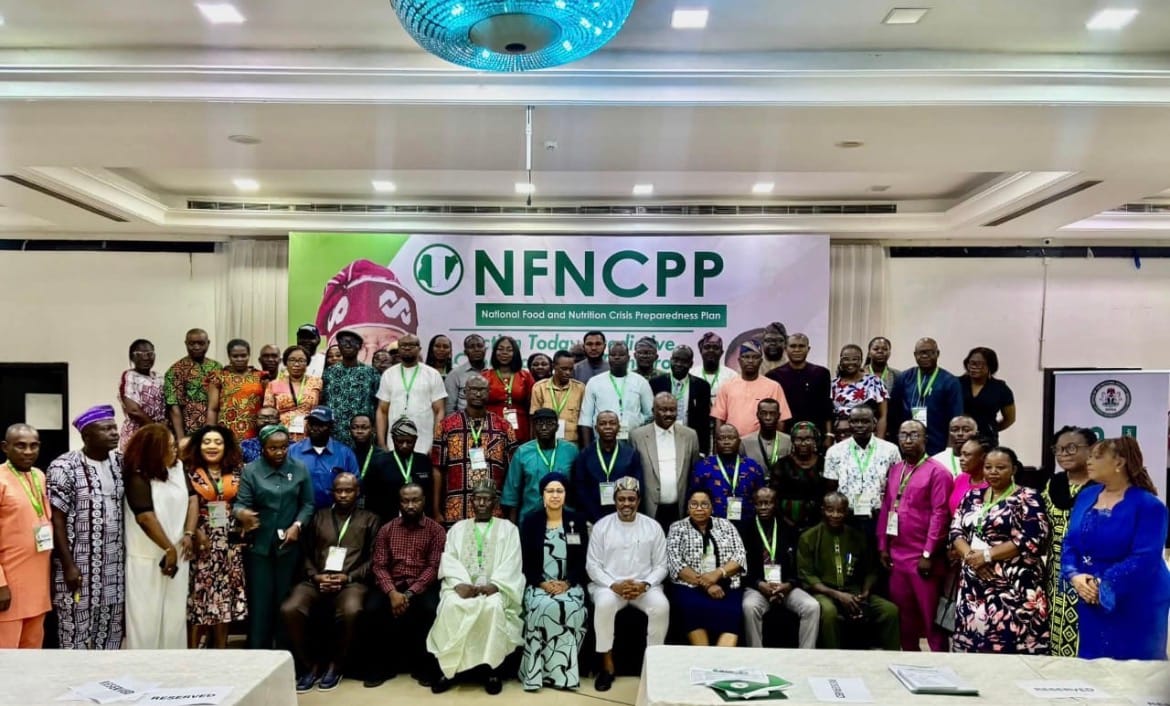
The visit forms part of broader stakeholder engagement around local manufacturing and the need to ensure that reproductive health commodities are available, accessible and produced in line with appropriate quality requirements.
Further discussions will be required to determine the scope of any collaboration and the potential role of locally manufactured products in government procurement and public health programmes.
By Asari Eso