


The Cross River State Agency for the Control of AIDS (CR-SACA) has initiated moves to partner with the Cross River State Tourism Bureau to expand access to HIV prevention services in hotels and scale up public awareness across the hospitality value chain.
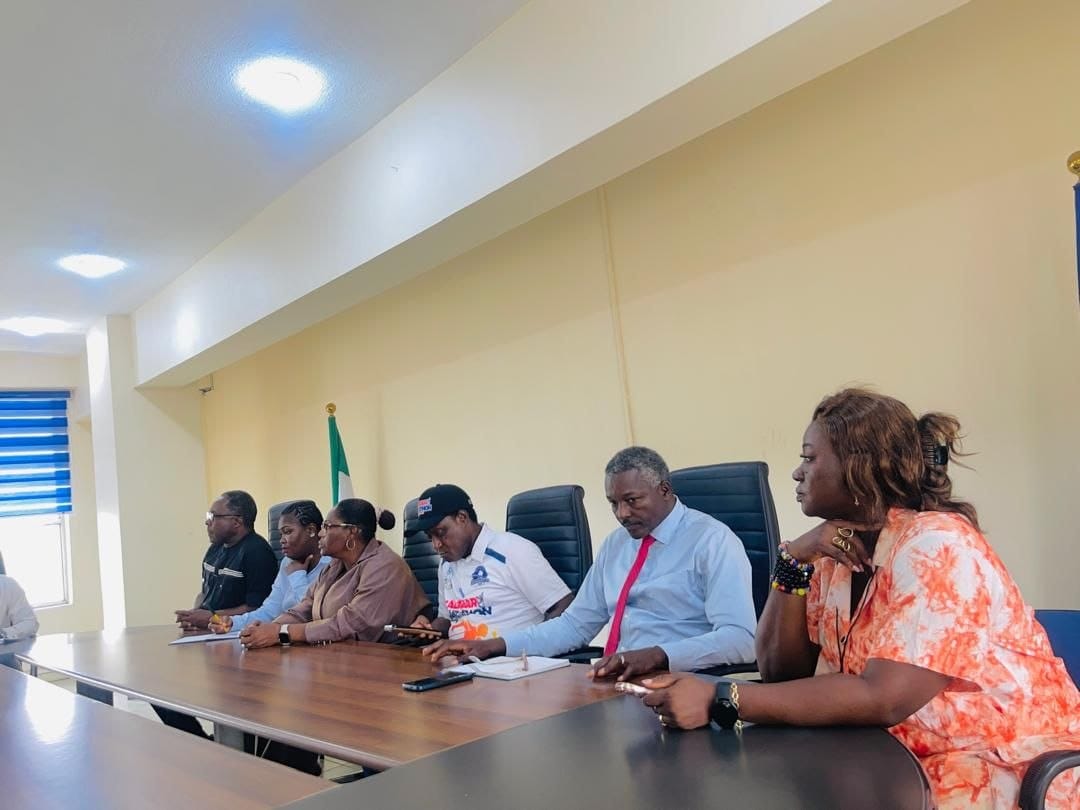
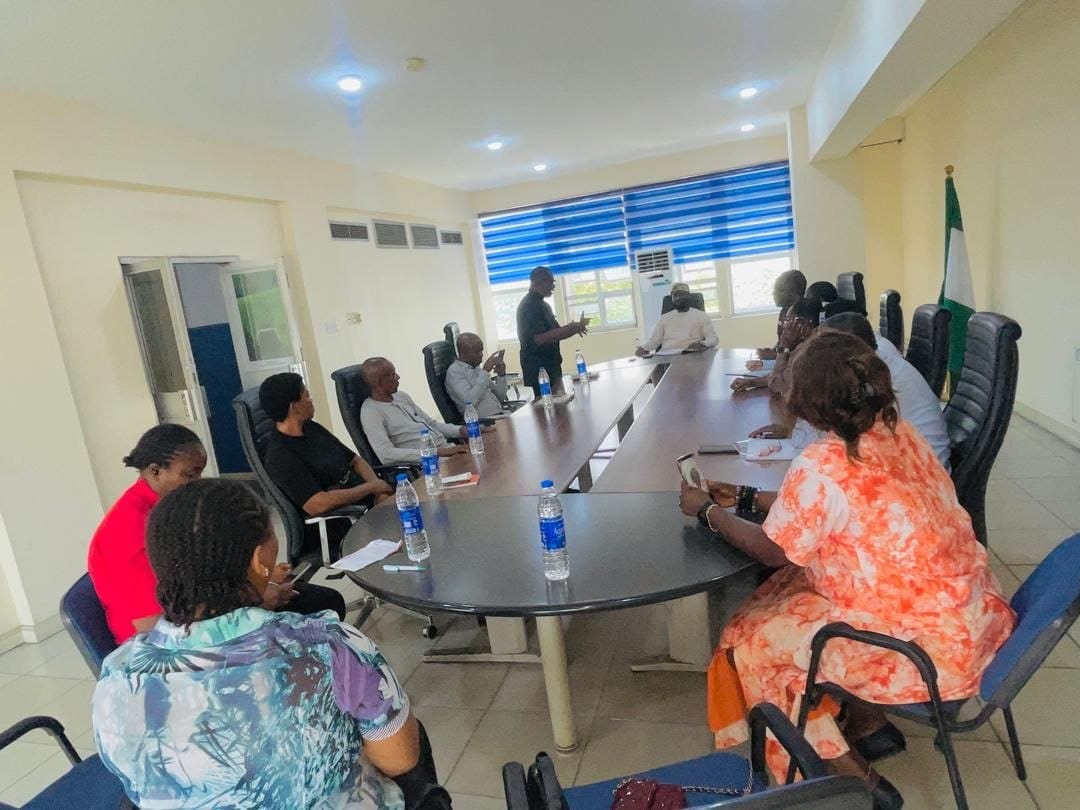
The Director-General of CR-SACA, Dr. Charles Iwara, made the call during a strategic advocacy visit to the Tourism Bureau in Calabar, where he underscored the critical role of the hospitality and tourism sector in the collective push to end AIDS as a public health threat by 2030.
Dr. Iwara said the hospitality industry, given its interface with a large and mobile population, remains a strategic partner in prevention efforts. He formally proposed the installation of condom dispensers in hotels across the state as a pragmatic measure to improve access to condoms and curb the transmission of HIV and other Sexually Transmitted Infections (STIs).
He solicited the support of the Bureau in engaging hotel owners and operators to buy into the initiative, noting that discreet and easy access to prevention commodities would significantly enhance safer sexual practices among guests and workers in the sector.
According to him, the visit was also aimed at exploring practical ways of integrating HIV prevention messaging into the state’s tourism and hospitality activities through sustained inter-agency collaboration.
In his response, the Managing Director of the Cross River State Tourism Bureau, Mr. John Oru John Atsu, welcomed the proposal and lauded CR-SACA for its proactive approach.
He emphasized the imperative of sustained public enlightenment, advocacy for safer sex, and concerted efforts to reduce HIV-related stigma and discrimination.
Mr. Atsu noted that the Bureau’s core mandate of destination marketing and management offers a viable platform for disseminating HIV prevention messages, adding that tourism promotion must go hand-in-hand with public health consciousness.
He further suggested an innovative approach of making condoms and HIV test kits discreetly available in hotel room drawers through room service, thereby guaranteeing privacy and ease of access for guests.
He, however, raised pertinent questions on the operational sustainability of the initiative, seeking clarity on the sources of supply, distribution channels, and mechanisms for regular replenishment, stressing that a clear and workable operational framework would be critical to its long-term success.
While calling for a swift transition from advocacy to implementation, Atsu urged both agencies to deepen engagement on the modalities and logistics required to translate the proposals into concrete action.
Discussions at the meeting centered on stakeholder engagement with hotel operators, improved access to prevention commodities, and mainstreaming of HIV awareness into tourism-related programmes and events across the State.
By Asari Eso