

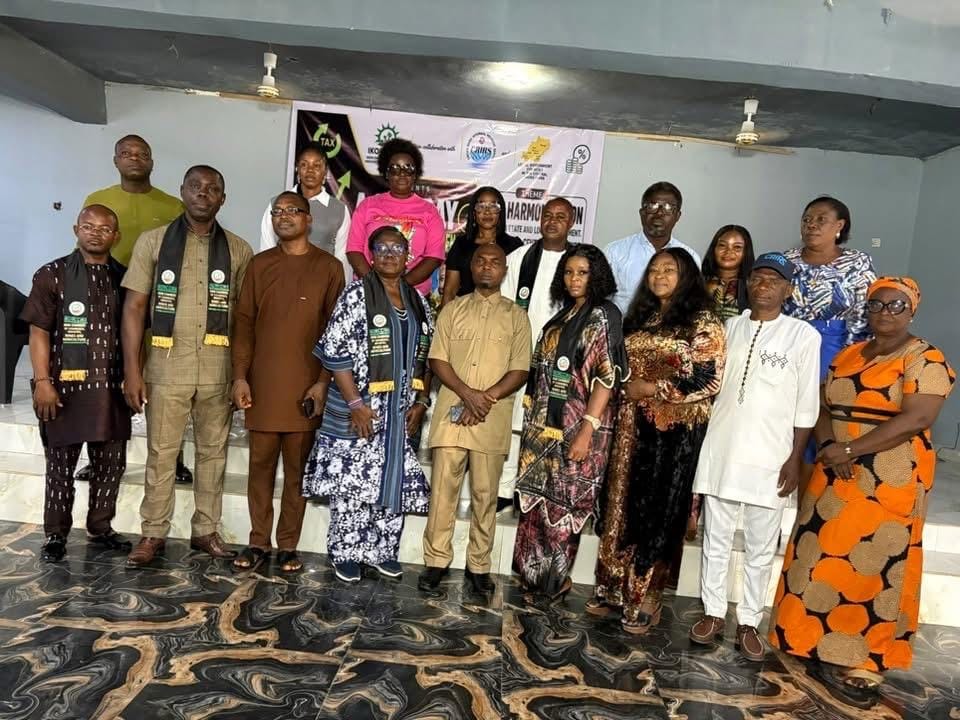
The Cross River Internal Revenue Service (CRIRS) has urged Local Government Councils in the state to embrace technology and automation in revenue administration to enhance efficiency, transparency and accountability.
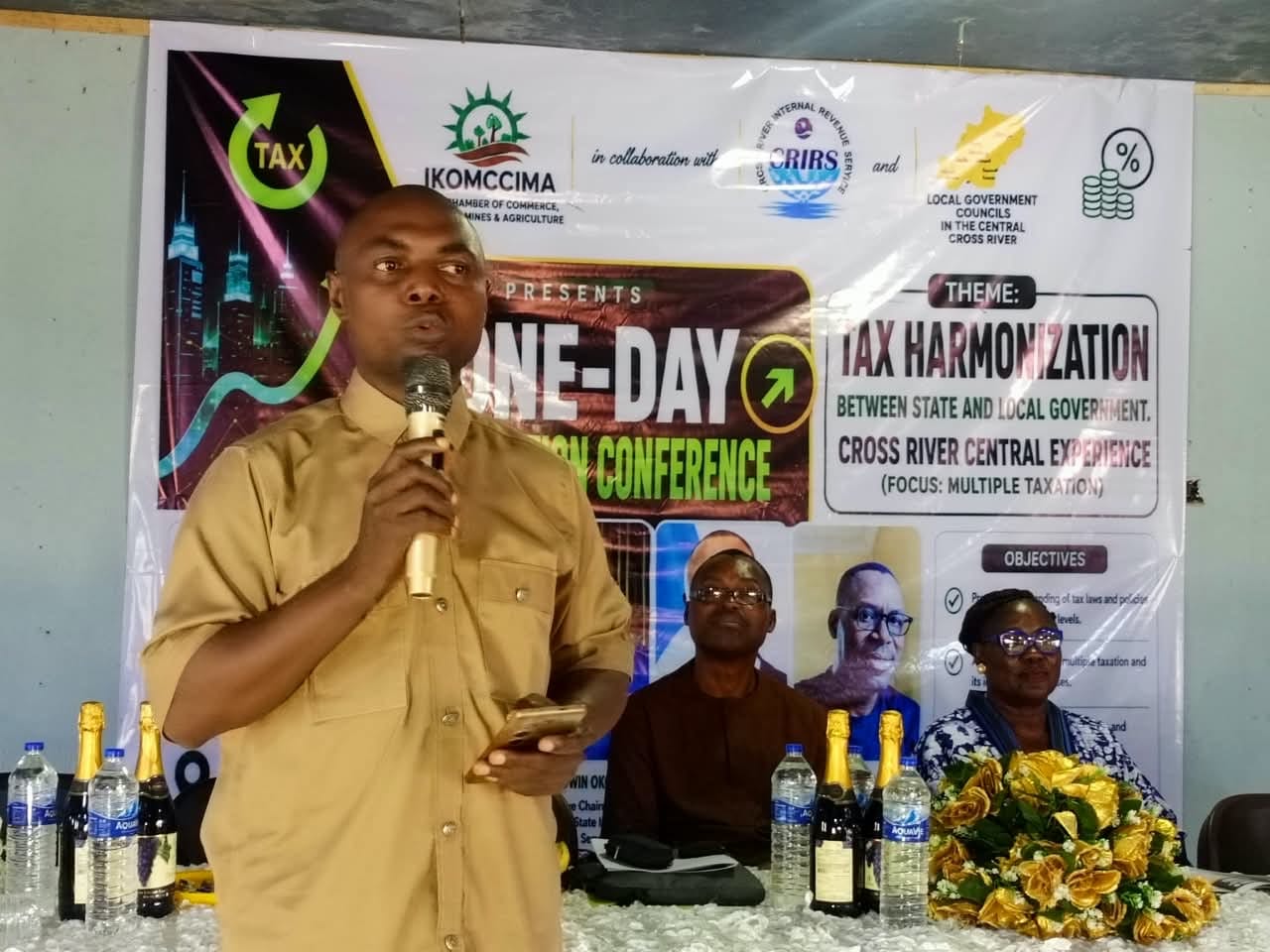
The call was made by the Director of Administration, Mr. Uket Bassey, who represented the Executive Chairman of CRIRS, Prince Edwin Okon, Ph.D., at a one-day sensitisation conference on tax harmonisation, policy and reform between the state and local governments in Ikom.
Bassey said the adoption of technology by Local Government Councils had become imperative in line with the provisions and direction of the new tax laws, particularly in strengthening revenue administration and curbing revenue leakages.
He noted that an automated revenue system would also promote a more coordinated and transparent tax environment for taxpayers across the state, while improving the efficiency of collection and administration.
Bassey disclosed that the Cross River Taxes and Levies Harmonisation Bill, currently before the State House of Assembly, was still undergoing public hearings and stakeholder analysis. He said the proposed legislation would be made public upon its passage into law, assuring stakeholders that their contributions would continue to form part of the legislative process.
The Director of Administration further disclosed that the Joint Revenue Board (JRB) was collaborating with the Office of the Inspector-General of Police to establish security committees aimed at addressing the challenges posed by revenue roadblocks across the country.
He said the initiative was part of efforts to promote a more coordinated revenue administration system and tackle practices that negatively affect businesses and taxpayers.
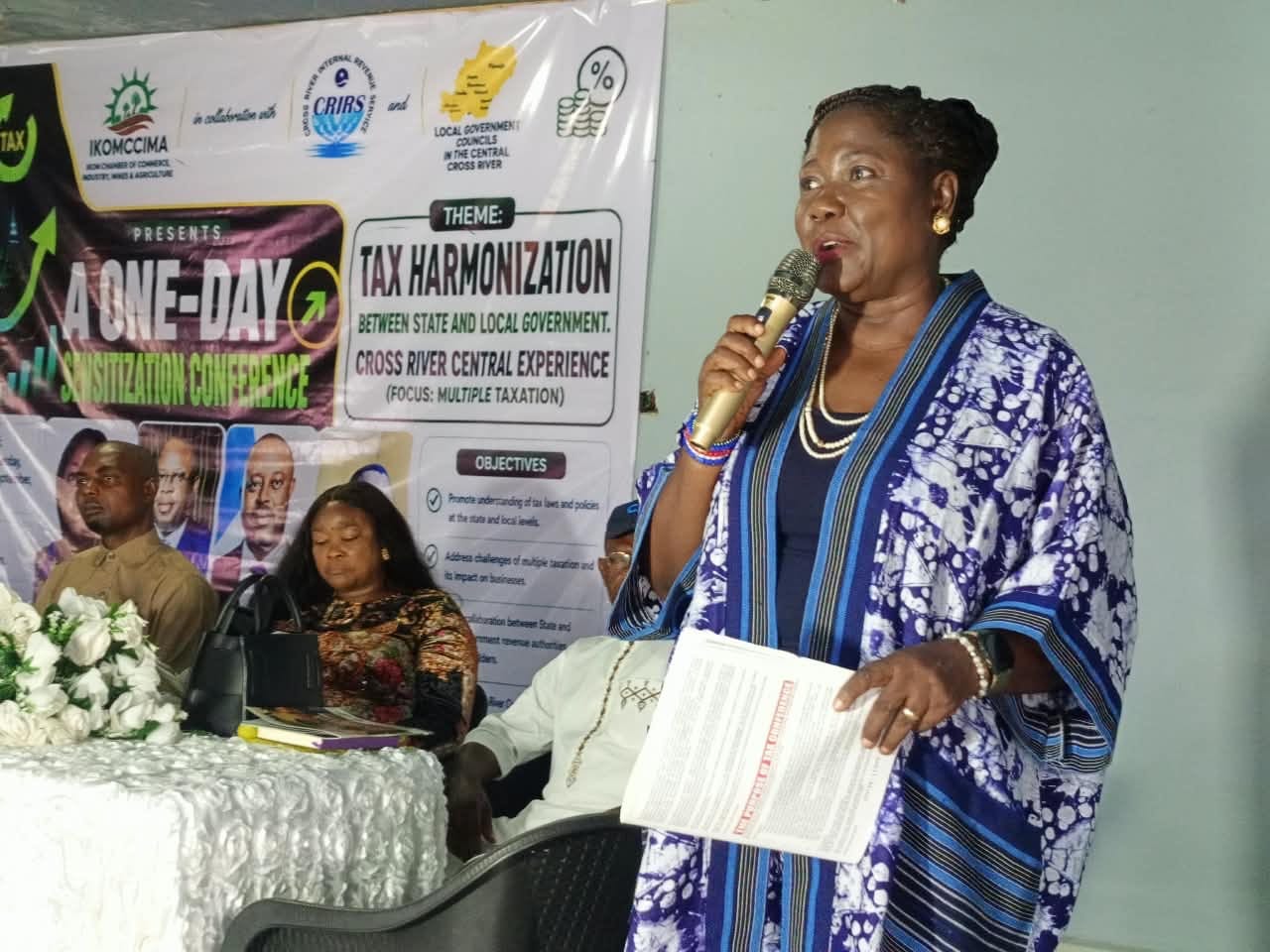
Earlier, the Chairman of the Ikom Chamber of Commerce, Industry, Mines and Agriculture (IKOMCCIMA), Mrs. Flora Takim-Ndifon, said taxation was more than a means of generating revenue for government, describing it as a fundamental instrument for financing development, strengthening institutions, providing public services and building a sustainable economy.
She said tax harmonisation provided an opportunity for governments and tax authorities to work together towards common standards and simplified processes, while taking into account the legal and economic circumstances of individual jurisdictions.
Takim-Ndifon also stressed the importance of technology and information sharing in tax administration, noting that differences in tax laws, rates, procedures and administrative requirements could create unnecessary complexities for taxpayers and businesses in an increasingly interconnected economy.
“Digital tax administration can improve compliance, reduce human intervention, minimise opportunities for corruption and make collection and administration more efficient,” she said.
She said the resolutions reached at the sensitisation conference would be presented to the State Government, Local Government Councils and other stakeholders in the tax sector, adding that the outcome would contribute to effective policy formulation and implementation.
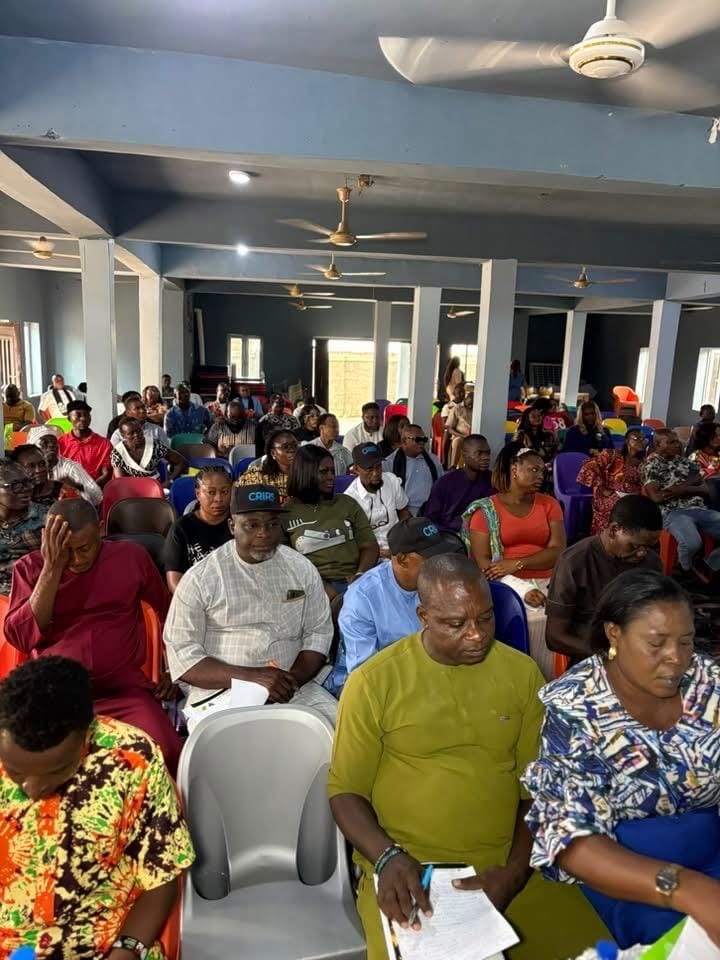
The conference was attended by representatives of Local Government Councils, organised labour, market associations, women’s groups and other stakeholders in the tax sector.
By Achiane Adams