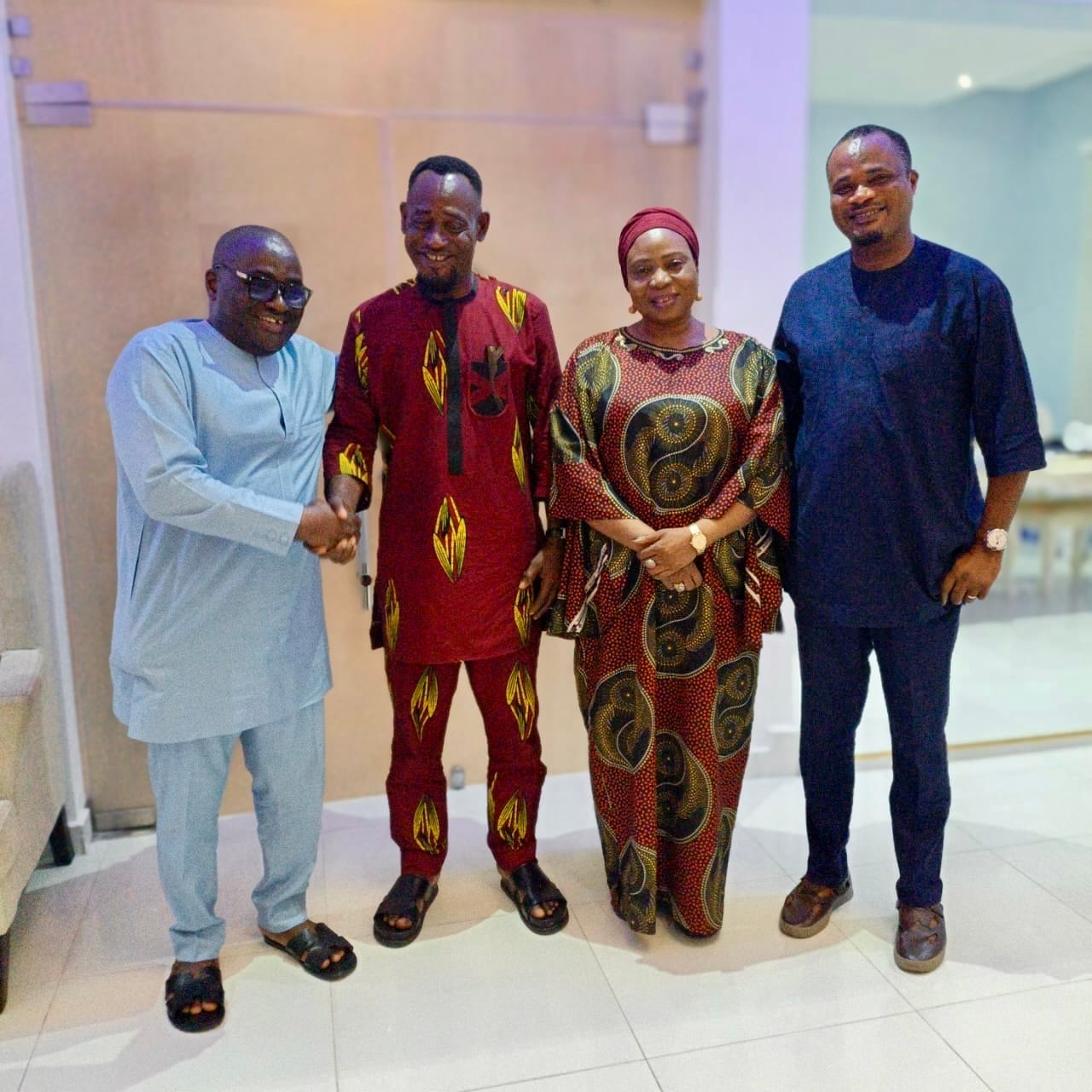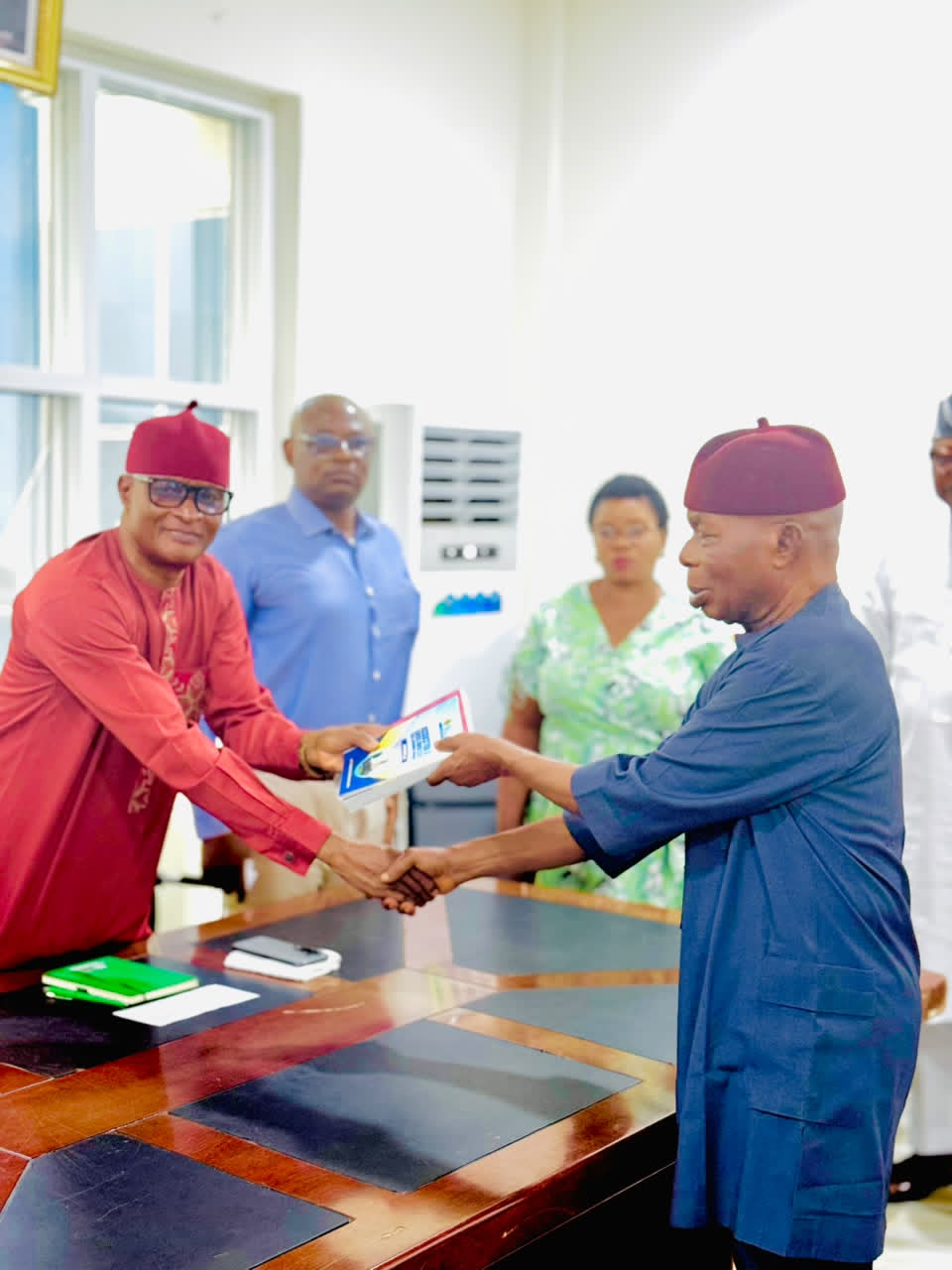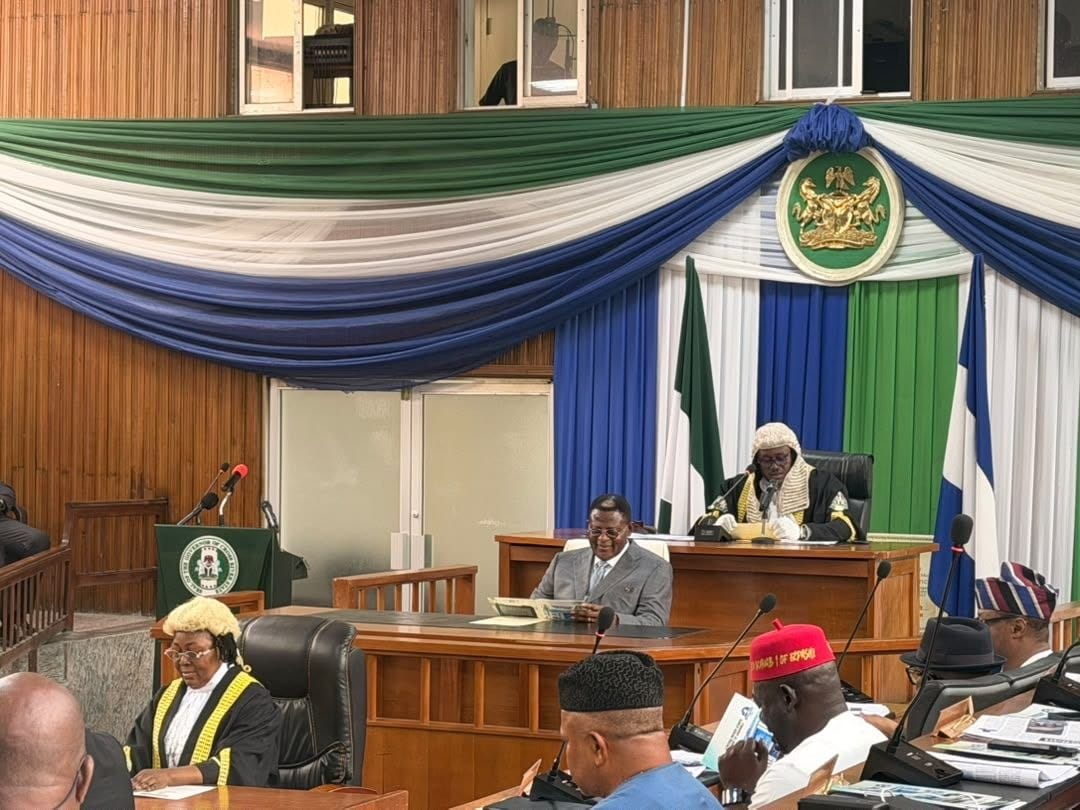
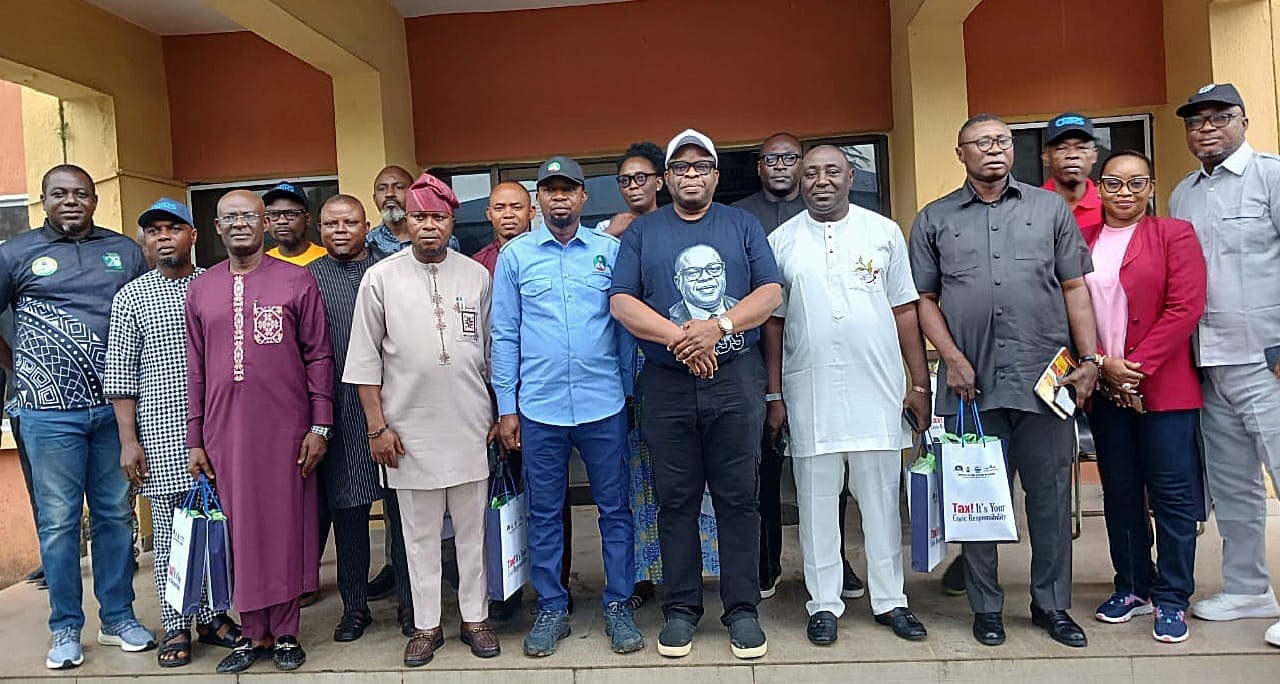
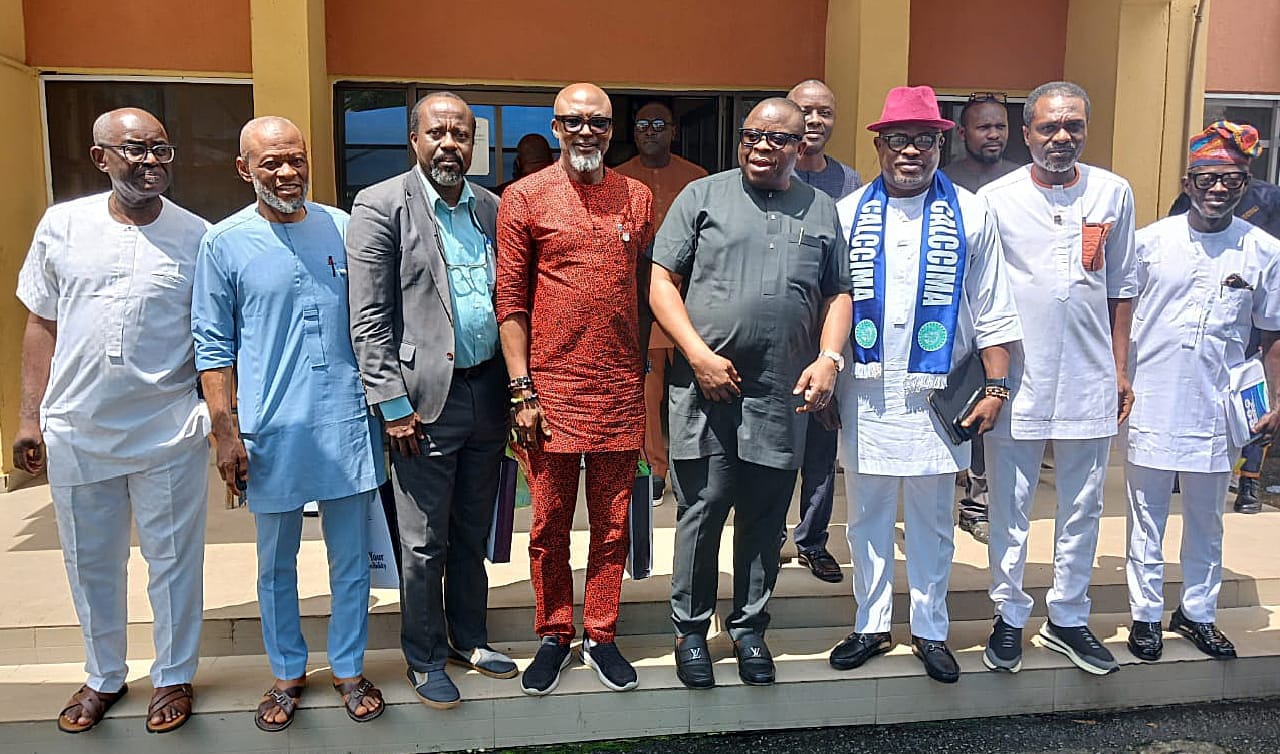
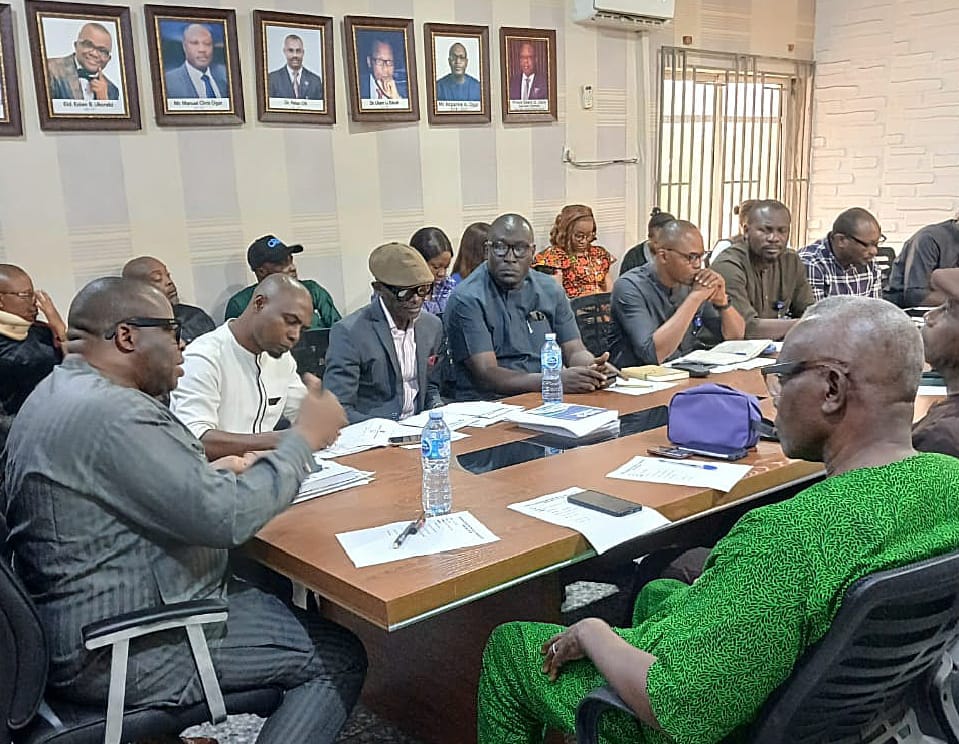
The Cross River Internal Revenue Service (CRIRS) has called on taxpayers and key stakeholders across the state to support the implementation of the 2025 tax reforms, describing the proposed legislation as a major step towards a fairer, more efficient and investment-friendly tax system. The call was made in Calabar during a series of stakeholder engagement meetings on the proposed Cross River State Revenue Administration Bill and Harmonized Taxes and Levies Bill, in line with Governor Bassey Edet Otu's 'People First' agenda.
Addressing participants, the Executive Chairman of CRIRS, Prince Edwin Okon, Ph.D., said the proposed bills before the Cross River State House of Assembly are intended to simplify tax administration, reduce tax burdens to the barest minimum, encourage voluntary tax compliance, strengthen revenue administration and create a conducive environment for businesses and individuals in the state. According to him, "the benefits of the reforms far outweigh any initial concerns."
Some of the objectives of the Cross River State Revenue Administration Bill include aligning the state's revenue administration with federal tax reform objectives, harmonising revenue collection, reducing incidents of multiple taxation, abolishing roadblocks for tax collection purposes, deploying technology to improve revenue administration, and promoting transparency in fees and levies collectible by both the State and Local Governments.
"Stakeholder engagements place premium on our commitment to inclusive lawmaking that allows every critical sector of the state's economy to contribute," Prince Okon said, assuring stakeholders of the government's continued commitment to ensuring that Cross River State remains an investment-friendly state.
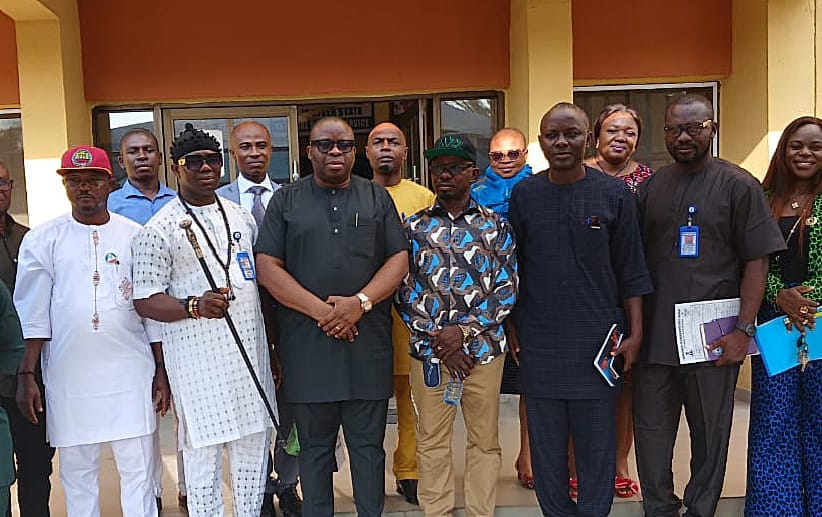
The engagement sessions attracted a broad spectrum of stakeholders, including representatives of the Nigeria Labour Congress (NLC), the Trade Union Congress (TUC), Civil Society Organisations (CSOs), the Manufacturers Association of Nigeria (MAN), the Calabar Chamber of Commerce, Industry, Mines and Agriculture (CALCCIMA), the Nigeria Union of Road Transport Workers (NURTW), the Unified Drivers Association, the Calabar Amalgamated Business Association (CABA), and the Calabar Amalgamated Traders Association (CATA).
Others in attendance included the Automobile Spare Parts Dealers Association, the Electrical Dealers Association, Bedwell, the Block Industry Association, market leaders, transport unions such as the Delivery Vehicle Owners and Drivers Association of Nigeria (DELVAN) and the Road Transport Employers Association of Nigeria (RTEAN), as well as professional bodies and other organised private sector groups.
Participants were taken through the key provisions of the proposed bills, sought clarifications on various aspects of the reforms and made recommendations aimed at strengthening the proposed legislation before its passage.
By Achiane Adams