
The Cross River State Government has reaffirmed its commitment to sustaining donor-supported healthcare interventions beyond their project cycles, assuring that services for vulnerable children and adolescents living with HIV will remain integrated into the state’s health system.
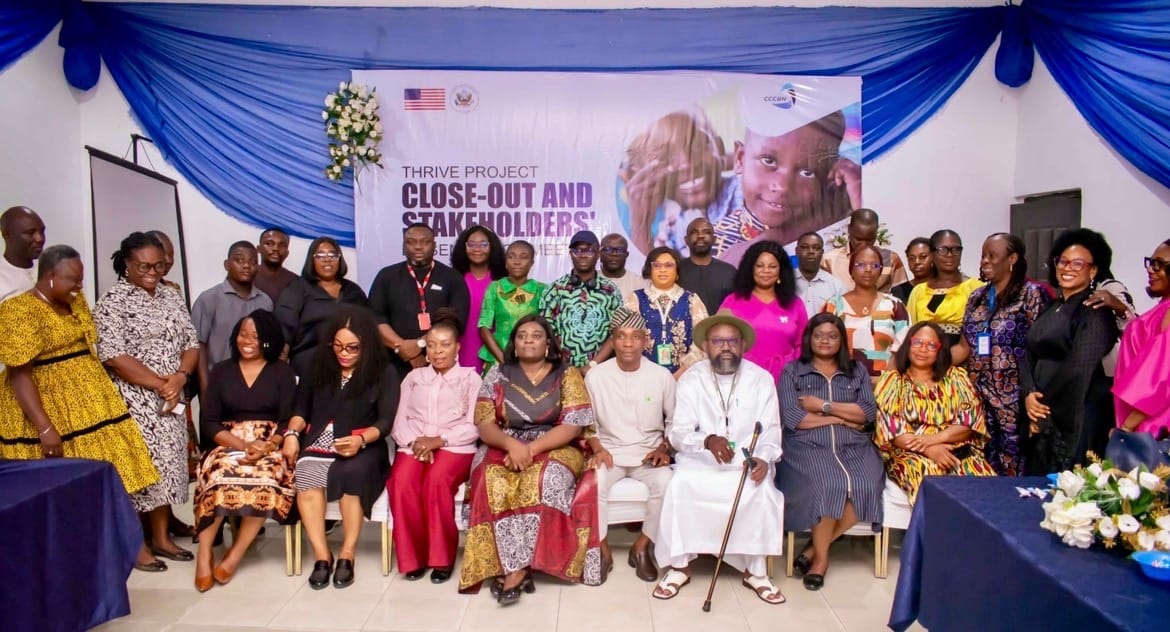
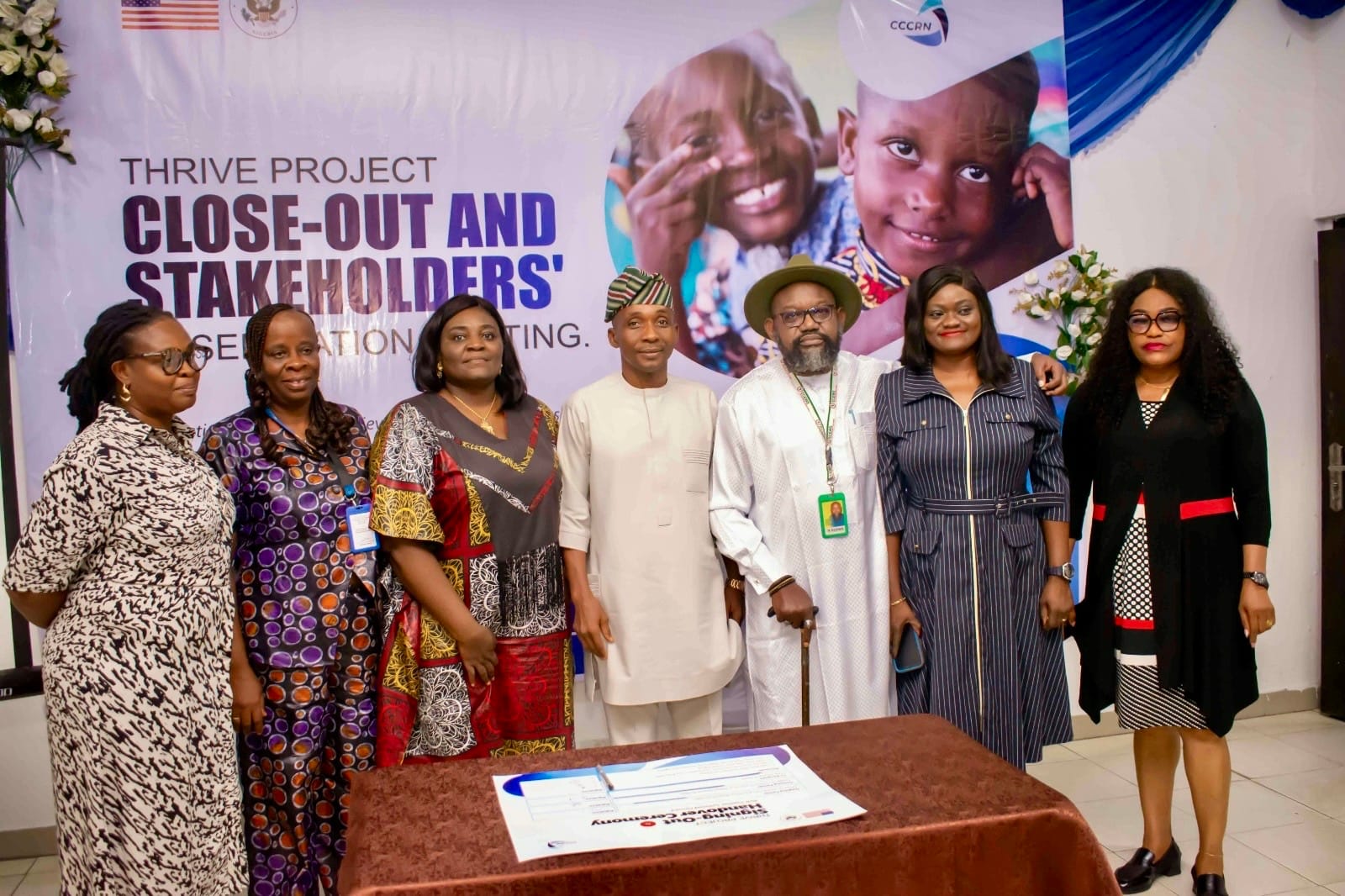
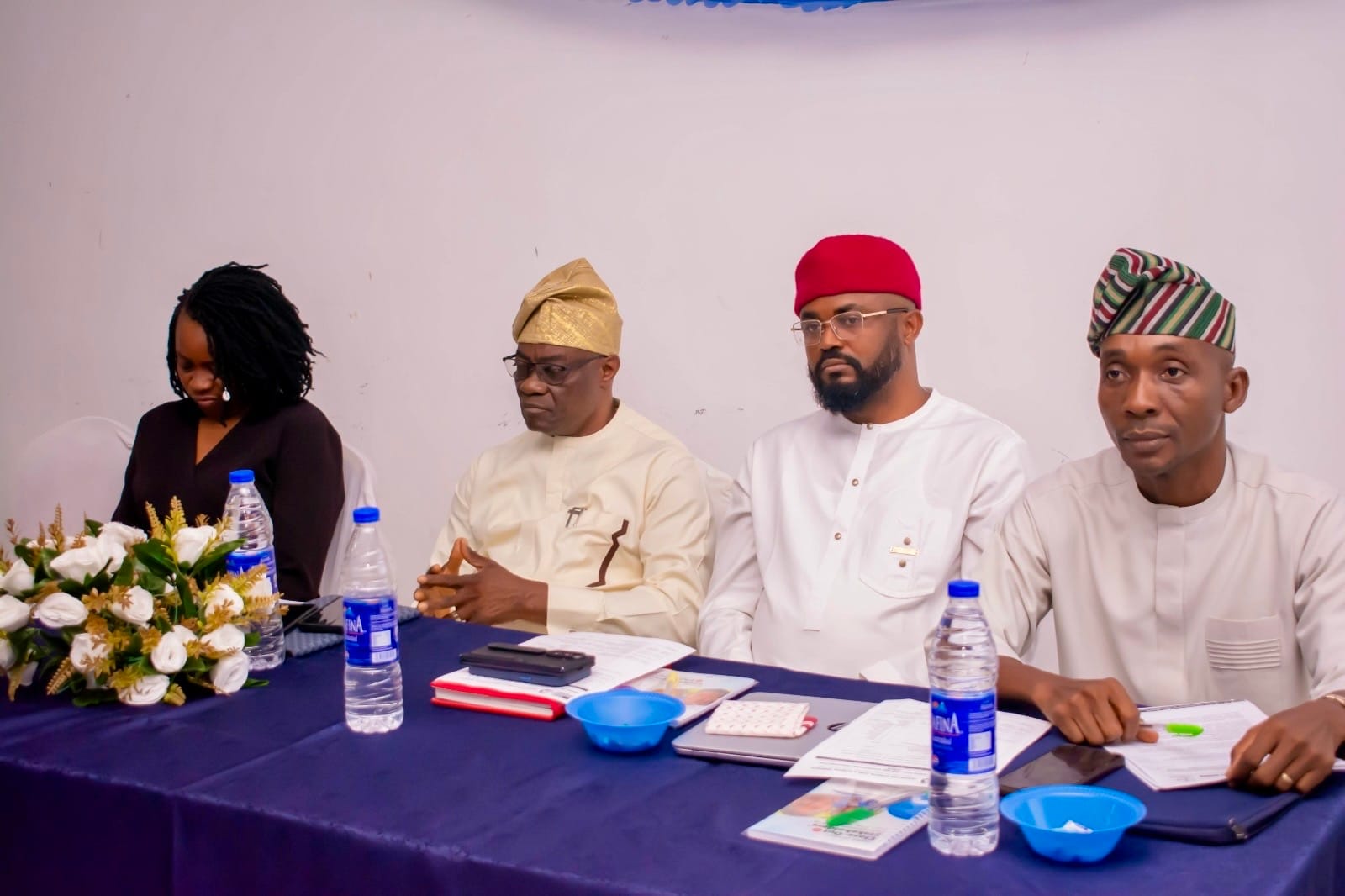
The assurance was given by the Commissioner for Health, Dr. Henry Egbe Ayuk, represented by the Ministry’s Programme Manager for Climate Change and Health, Mr. Asuquo Henry Eyibio, at the close-out and dissemination forum of the Transforming Health and Resilience of Individuals through Vibrant Empowerment (THRIVE) Project in Calabar.
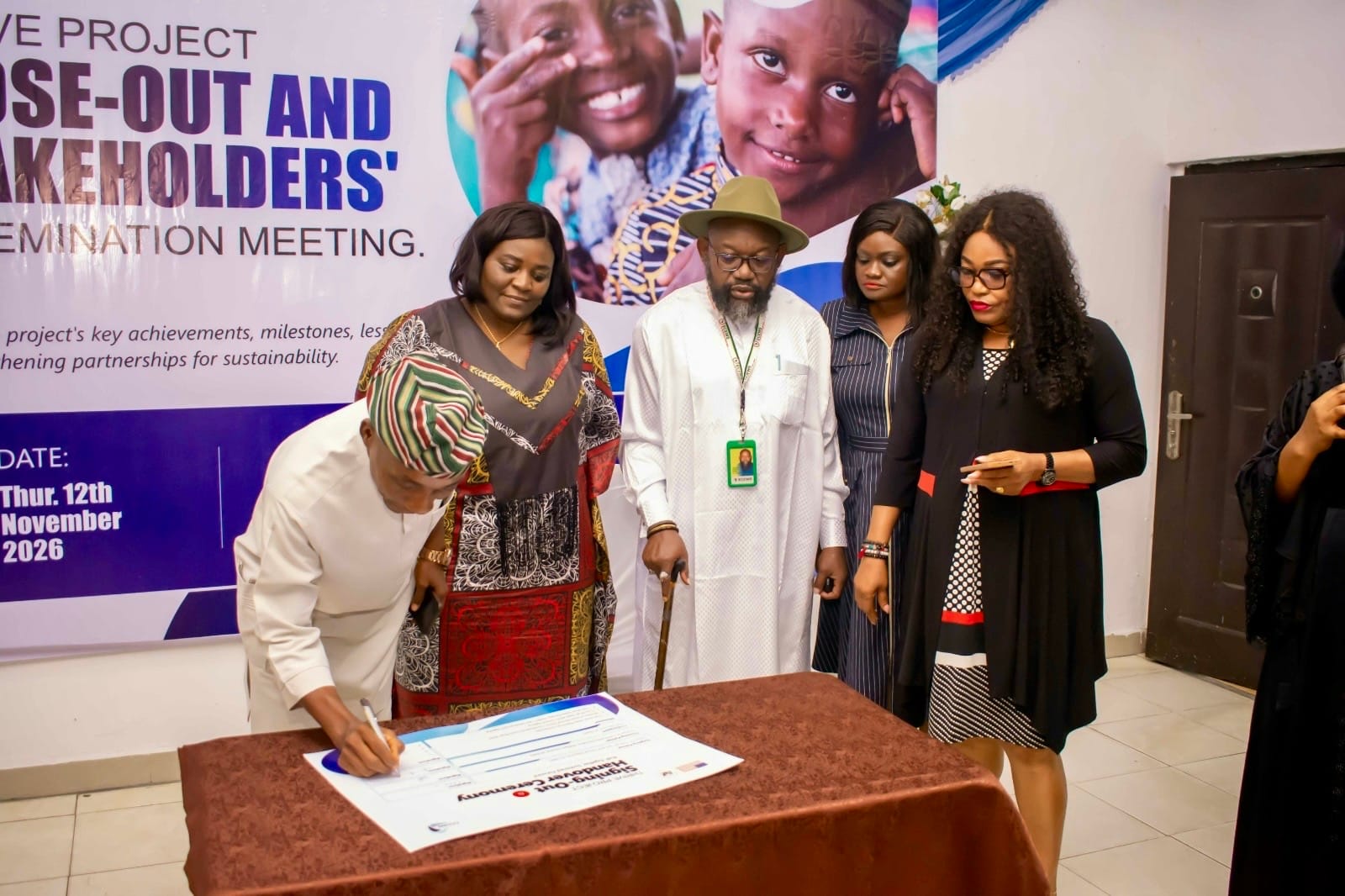
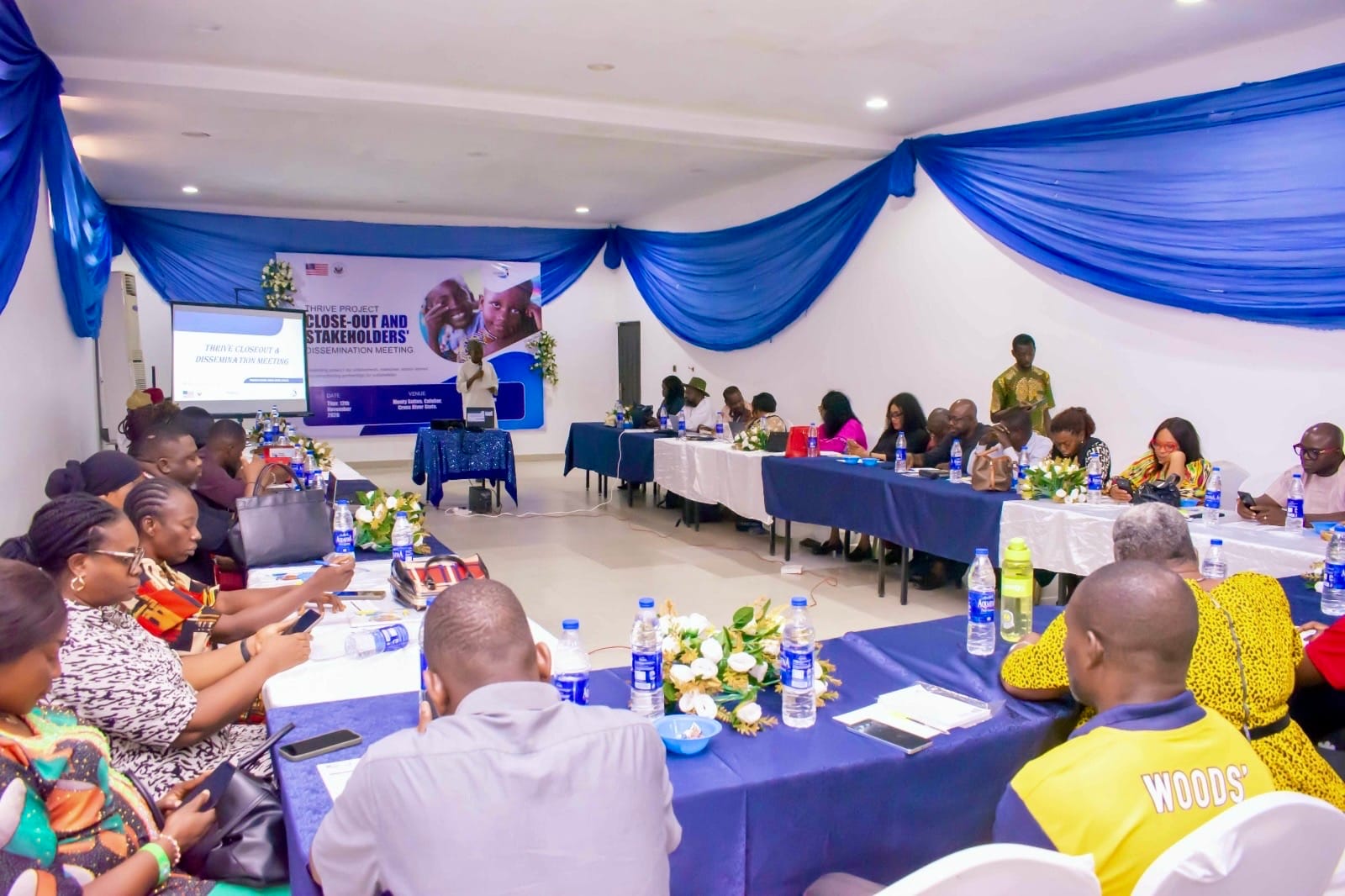
The forum, organised by the Centre for Clinical Care and Clinical Research (CCCRN), was held at Monty Suites on Thursday, November 12, 2026, to showcase the project’s achievements, share lessons and discuss strategies for sustaining its interventions following its conclusion.
Ayuk commended Governor Bassey Edet Otu for prioritising the health and well-being of residents, while appreciating CCCRN, its implementing partners, frontline health workers and community structures for strengthening care for children and adolescents living with HIV since the project commenced in December 2024. He stressed that the project’s closure must not mean the end of its impact, noting that the knowledge, capacities, partnerships and community structures developed should be preserved and integrated into the state’s health system.
“As we close the project, sustainability must remain at the centre of our discussion. The end of a project should not mean the end of its impact. The knowledge gained, capacities developed, systems strengthened, partnerships established and community structures supported must continue to contribute to the State’s health system,” he said.
The Commissioner urged stakeholders to use the transition commitment matrix to define responsibilities, document lessons learnt and ensure that experiences from THRIVE inform future public health programmes in the state.
Presenting the project’s scorecard, CCCRN Chief of Party, Dr. Ann Adjoye, highlighted key achievements, including the enrolment of 627 children in Orphans and Vulnerable Children (OVC) clubs for livelihood training and the nutritional assessment of 1,935 children. She also identified clinical challenges, particularly severe paediatric renal complications, and stressed the need to address underlying socioeconomic barriers such as poverty and food insecurity.
Adjoye cautioned that the close-out of the project should not disrupt essential services for vulnerable children, adding that community goodwill, local partnerships and collective responsibility could help sustain interventions without necessarily requiring substantial financial resources.
As part of the transition arrangements, the forum formally unveiled the Building Resilient Integrated Government-led Epidemic Control (BRIDGE) Project, implemented by the Excellence Community Education Welfare Scheme (ECEWS), as the successor programme.
In his remarks, ECEWS Cross River State Director, Dr. Joseph Umana, commended CCCRN for its collaboration with state institutions and the foundation laid through THRIVE. He explained that BRIDGE would promote government ownership of health interventions, eliminate parallel reporting systems and encourage efficient use of resources.
Umana disclosed that BRIDGE would extend beyond HIV programming to cover tuberculosis, malaria, maternal, newborn and child health, as well as broader health-system strengthening. He added that participating health facilities would be required to submit operational reports by the 10th of every month to support rigorous reviews, improve data integrity and correct reporting gaps.
The forum also featured goodwill messages from the Director-General of the Cross River State Primary Health Care Development Agency, Dr. Vivien Mesembe Otu; the Permanent Secretary, Ministry of International Donor Coordination, Chief Egbola Henry; and the Vice Chairman of the State Planning Commission, represented by Dr. Inyang Asibong.
The Ministry of Women Affairs was represented by Dr. Helen Ejue, alongside other stakeholders who reaffirmed the importance of collaboration in sustaining essential healthcare interventions and protecting vulnerable beneficiaries.

By Kingsley Agim