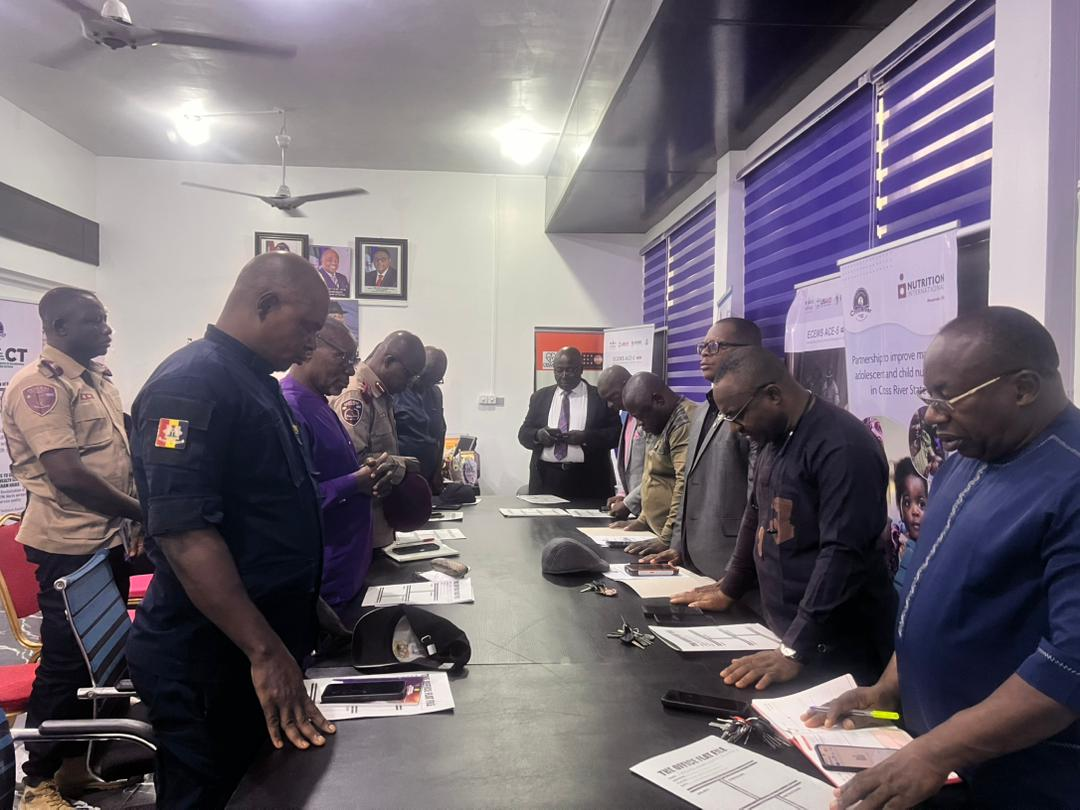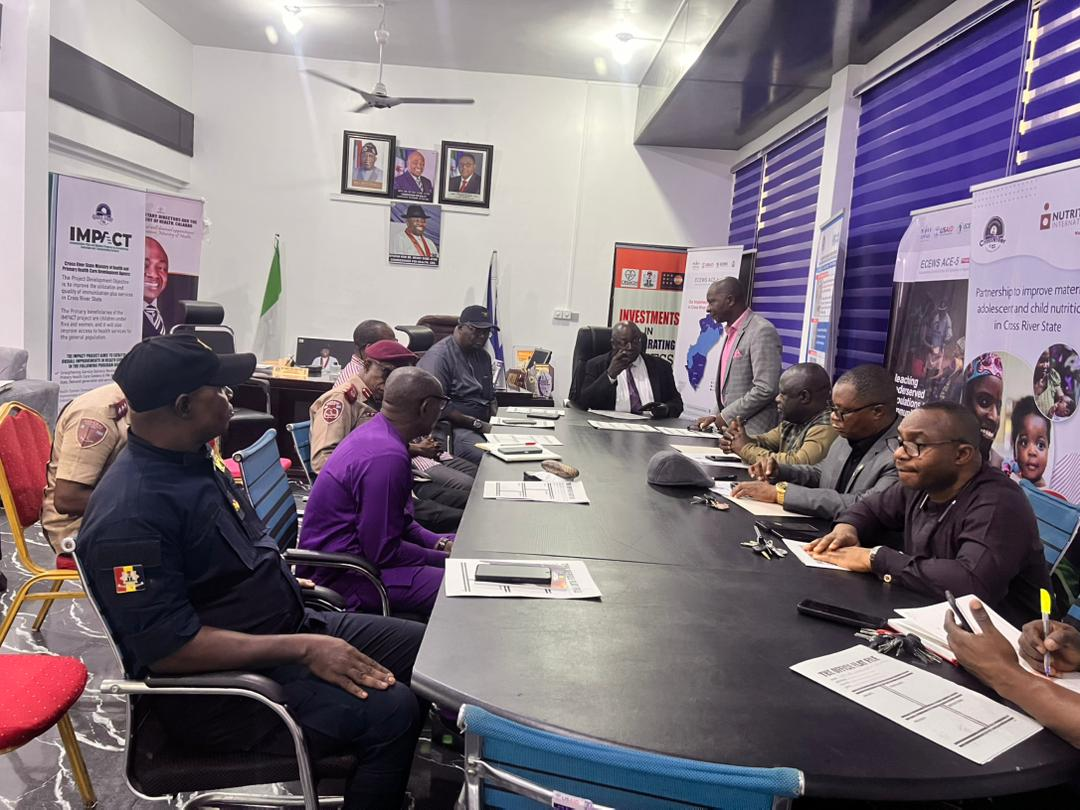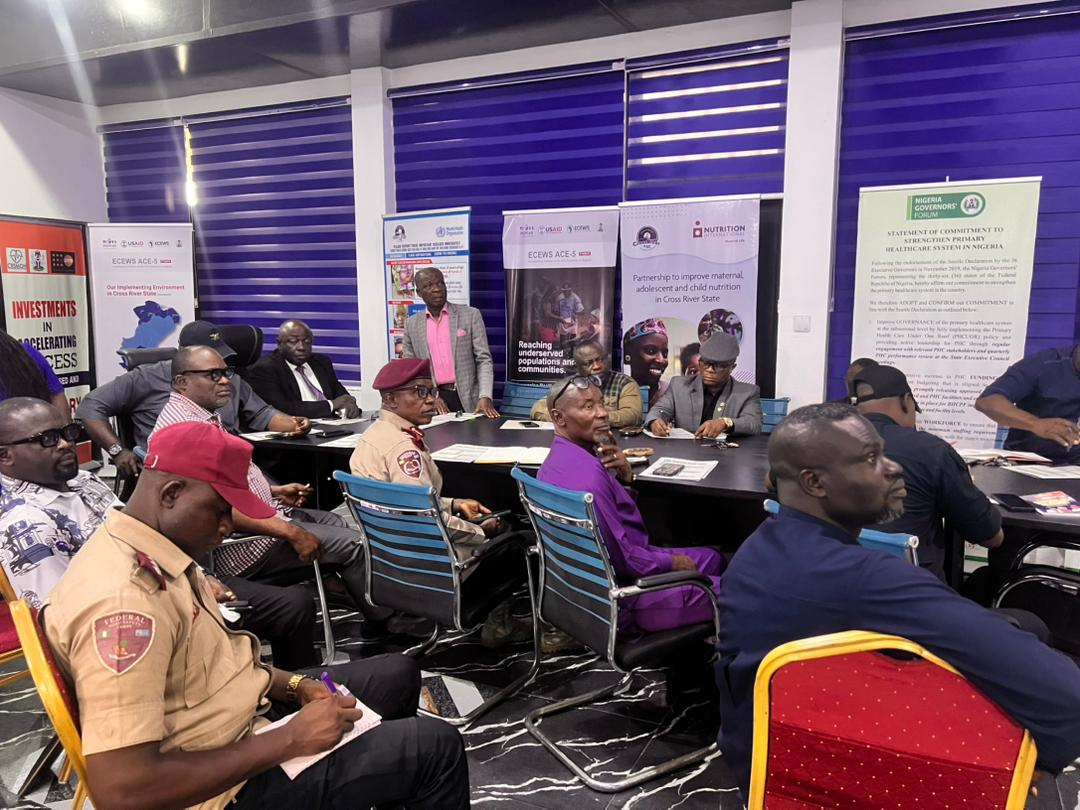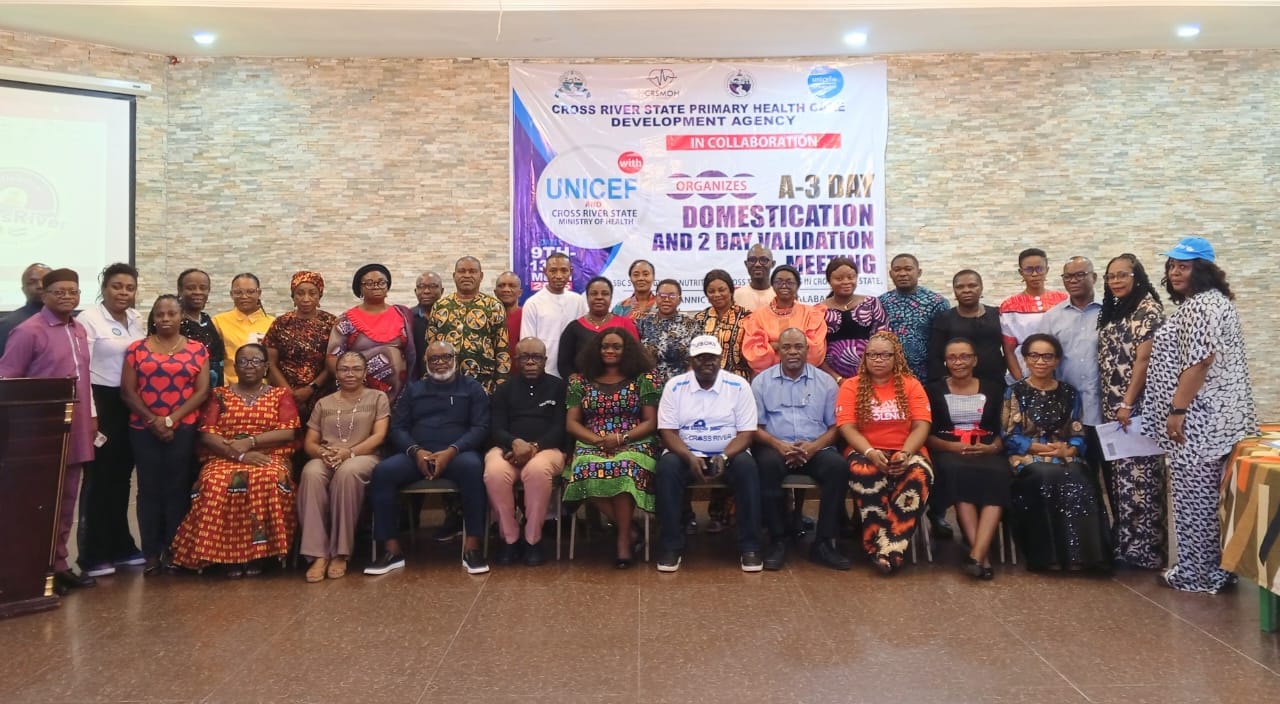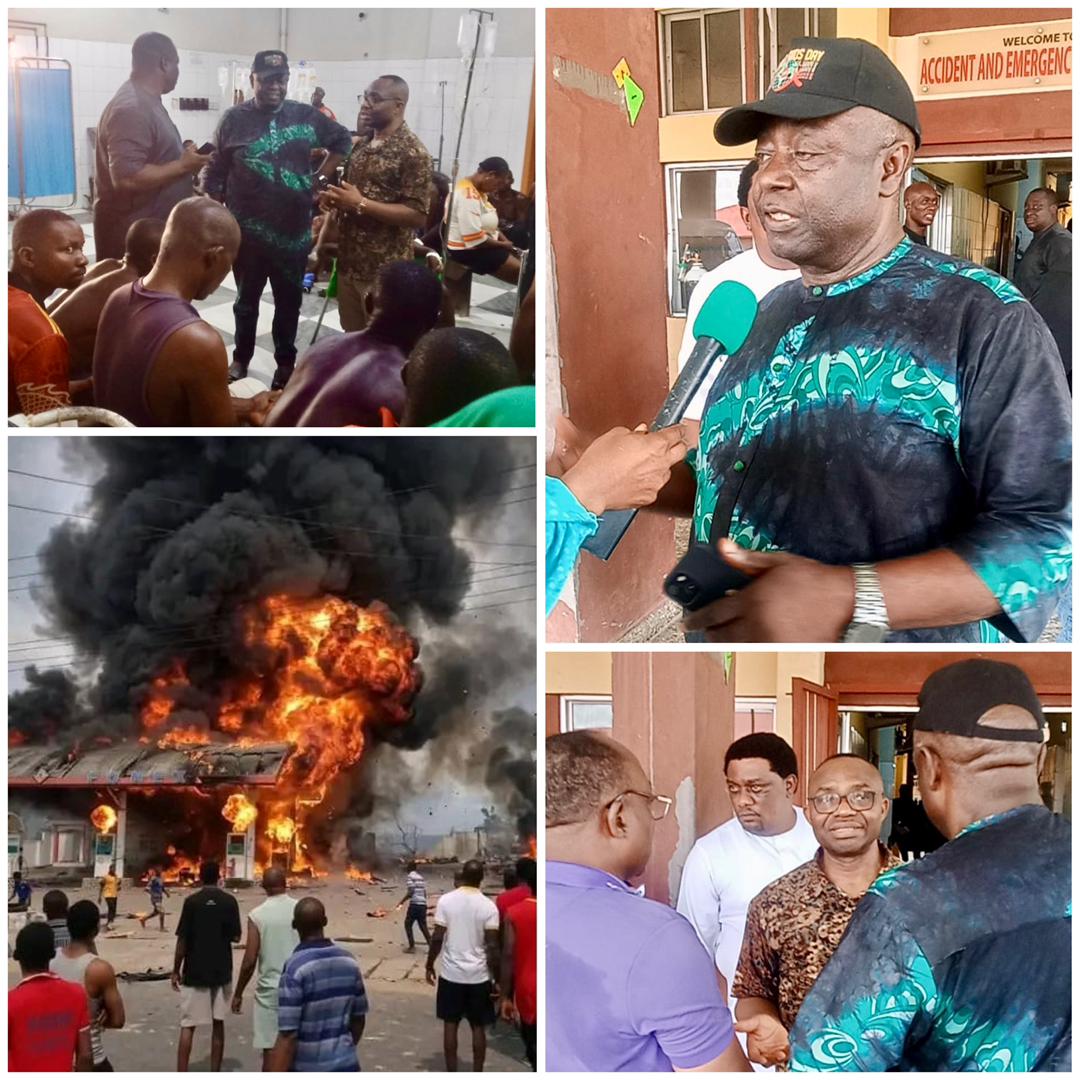
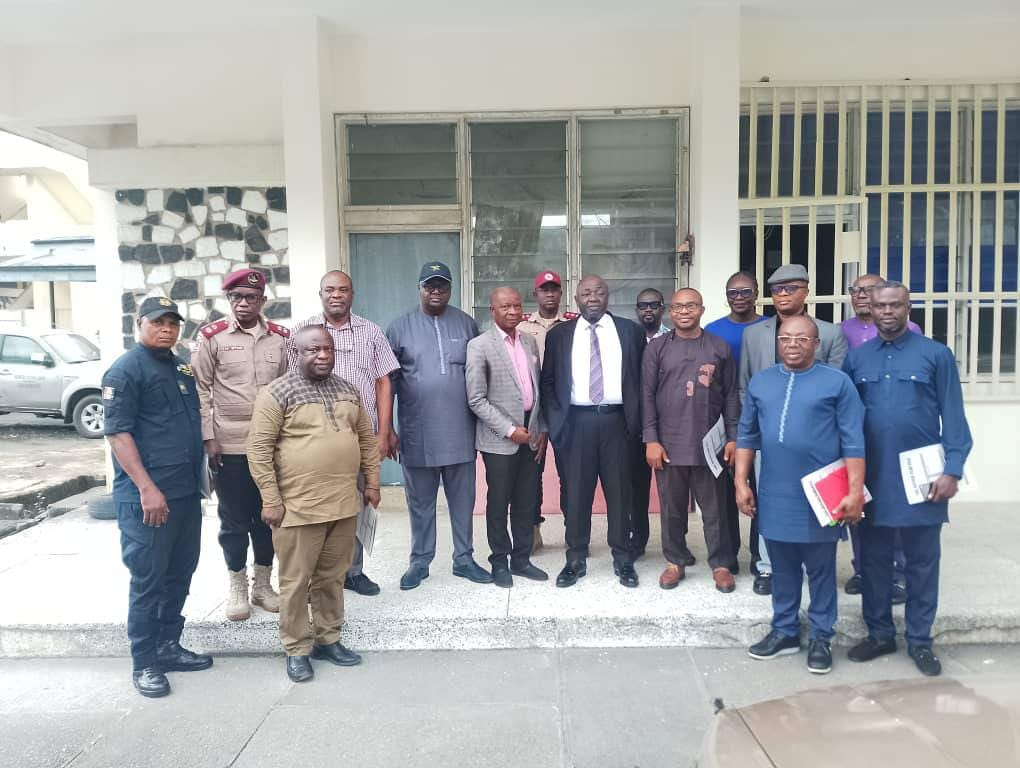
In a step toward improving emergency healthcare delivery, the Cross River State Government has inaugurated a high-powered State Emergency Medical Treatment Committee (SEMTC) to spearhead the implementation of the State Emergency Medical Service and Ambulance System (SEMSAS), a move aligned with global commitments to achieve Universal Health Coverage (UHC) by 2030.
Performing the inauguration, Commissioner for Health, Dr. Henry Egbe Ayuk, said the committee represents a major push to address long-standing gaps in emergency response across the state. He noted that the challenges associated with emergency care have remained one of the biggest obstacles to achieving UHC targets.
“We cannot be talking about universal health coverage without addressing the challenges that hinder effective emergency response,” Dr. Ayuk said, describing emergency medical care as a foundational pillar of a functional and equitable health system,” he noted.
The Health Commissioner added that members of the committee will undergo proper orientation to understand their mandate as they work to coordinate, standardise and strengthen emergency services across all levels of care. He also commended the committee’s chairman, Dr. Etim Ayi, whom he described as a seasoned and respected medical administrator whose wealth of experience made his nomination a natural choice, while expressing confidence in Dr. Ayi’s ability to lead the state’s transition into a fully operational emergency medical service system.
In his presentation, SEMTC Chairman, Dr. Ayi, revealed that 29 states and the FCT have already established Emergency Medical Service management and operational structures, leaving Cross River among the last six states now working to onboard into the national emergency response framework. He described SEMSAS as a vital component of the national emergency medical architecture designed to ensure timely, equitable and lifesaving medical interventions for all Nigerians, regardless of location or socio-economic status.
Dr. Ayi also outlined the broad composition of the SEMTC, which draws membership from key agencies such as the State Blood Transfusion Service, State Health Insurance Agency, State Primary Health Care Development Agency, Committee of Chief Medical Directors, Association of Nigerian Private Sector Medical Practitioners, State Emergency Management Agency, Nigeria Police Force, Federal Fire Service, National Union of Road Transport Workers, the media, civil society organisations, the Federal Road Safety Corps and the SEMSAS Coordinator who serves as Secretary.
He further highlighted the committee’s mandate, explaining that it is responsible for providing policy direction, implementing emergency treatment guidelines, supervising ambulance services and treatment centres, managing financial resources transparently, and monitoring compliance with approved tariffs while supporting care for indigent patients. The committee will also strengthen emergency call centres, promote mobile technology and data-driven systems, oversee licensing and professional development for SEMSAS and RESMAT personnel, and drive public education campaigns that improve community-level emergency preparedness. Collaboration with Local Government Authorities, NGOs, private health providers and community groups will remain a major emphasis.
Dr. Ayi explained that SEMSAS will serve as the operational backbone of emergency response in the state. It will coordinate EMS activities, act as the Secretariat to the SEMTC, review accreditation of emergency treatment centres and ambulance providers, and ensure the delivery of effective, timely and safe care.
Providing insight into how the system will function, he noted that emergency response will begin at the call centre where residents can report incidents using the national 112 line or a designated state emergency number. “Accredited ambulance units will then be deployed to provide pre-hospital care and transport patients to the nearest appropriate treatment centre. These centres, drawn from NHIA-accredited public and private facilities, are expected to deliver timely emergency care, with services provided within the first 48 hours billed using NHIA tariffs and reimbursed by NEMSAS after verification,” he stated.
Dr. Ayi added that the scope of emergency services covered includes neonatal and under-five emergencies, road traffic accidents, gunshot injuries, snake bites, drowning, fire outbreaks, victims of communal clashes and other weapons-related injuries, along with additional emergencies as determined by the National Emergency Medical Treatment Committee from time to time.
Kingsley Agim and Jessica Ubi