
.... guarantees job for 2,000 The Cross River State Government has unveiled an ambitious digital empowerment drive that will train 2,500 young women aged 18 to 35 in Information and Communication Technology (ICT) skills, with guaranteed job placements for 2,000 of them.
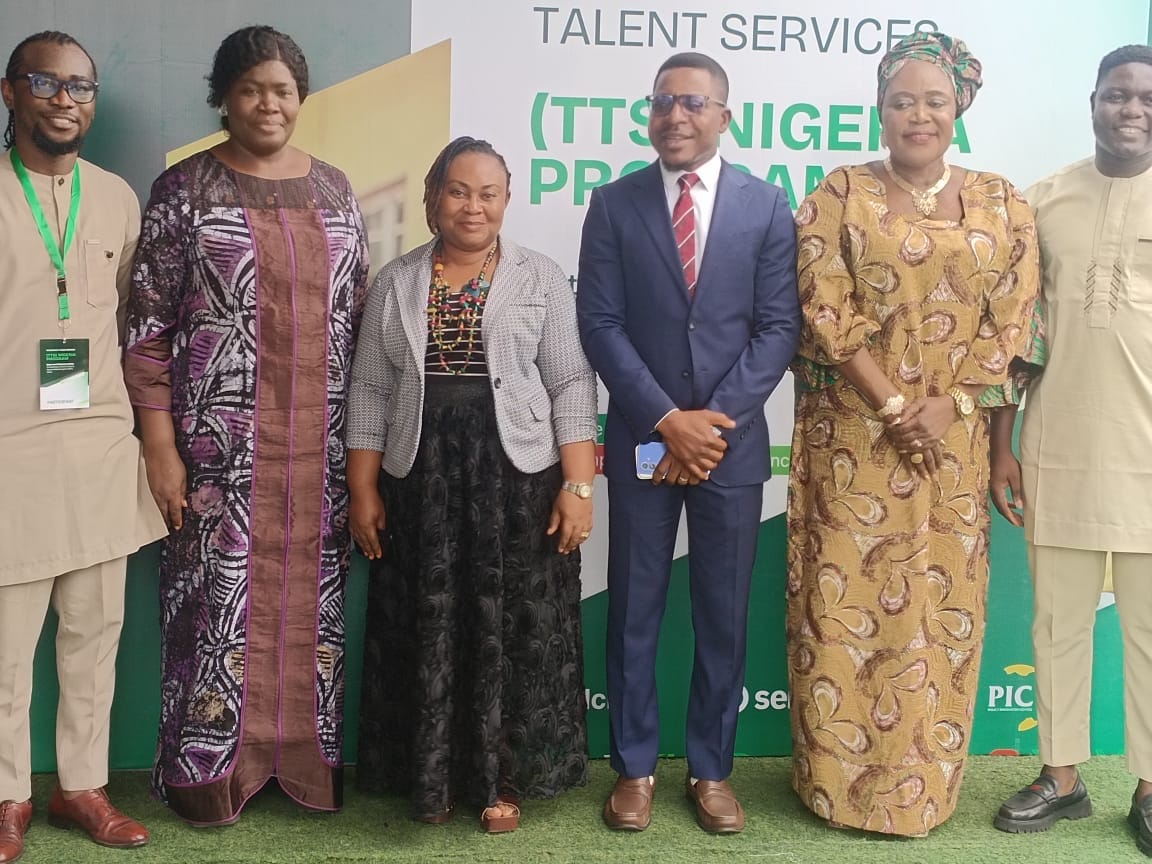
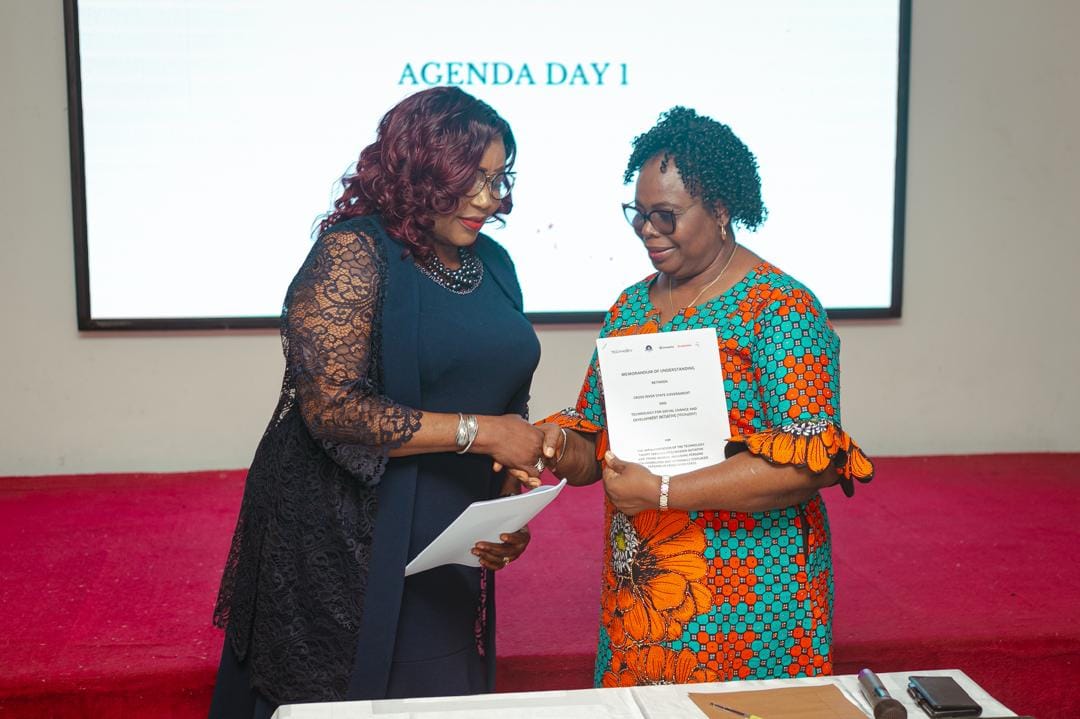
The initiative, driven by the Ministry of Commerce, reached a major milestone with the signing of a Memorandum of Understanding (MOU) for the Technology Talent Service (TTS) programme.
It targets young women, including persons with disabilities and internally displaced persons (IDPs), and is designed to accelerate youth employment, deepen economic independence and widen digital inclusion across the State.
Beneficiaries will be drawn from all 18 Local Government Areas. To make the programme accessible, training will be decentralised across the Southern, Central and Northern Senatorial Districts, so that participants do not have to travel far from home.
Speaking shortly after the signing ceremony, the Commissioner for Commerce, Dr Abigail Duke Orok, commended the state government for its people-first approach and its support for women.
"I appreciate the Government of Cross River State for always putting the people first and supporting women across the state," Dr Orok said.
"To ensure no one is left behind, the Ministry of Commerce is partnering with the State Disability Commission and the United Nations High Commissioner for Refugees (UNHCR) to guarantee the participation of persons living with disabilities and internally displaced young women."
In line with this mandate, 10 percent of the slots are reserved for women living with disabilities and 5 percent for IDPs residing in the State.
The Policy Lead at TTS Nigeria, Ambassador Asari Allotey, disclosed that the programme is backed by the Mastercard Foundation.
He explained that the curriculum is built around practical, market-ready skills demanded by remote-hiring employers, including ICT and digital literacy, Customer service and Data processing and data analysis.
Others are Business Process Outsourcing (BPO) and Remote digital support services
In a related development, the President of the Calabar Chamber of Commerce, Industry, Mines and Agriculture (CALCIMA), Mr Kelly Ayamba, announced that a two-day capacity-building programme for BPO regulators and operators is already underway.
Mr Ayamba said strengthening BPO infrastructure, which covers outsourced front-office operations, customer relations and sales support, will significantly improve service delivery across the State's key economic sectors, particularly tourism and hospitality. The event ended with interactive training and networking sessions among stakeholders, regulators and prospective beneficiaries.
Obaseoyi Bassey