The Cross River State Government has unveiled comprehensive early planting guidelines for the 2026 farming season as part of efforts to enhance agricultural productivity, mitigate climate-related risks, and strengthen food security across the state.
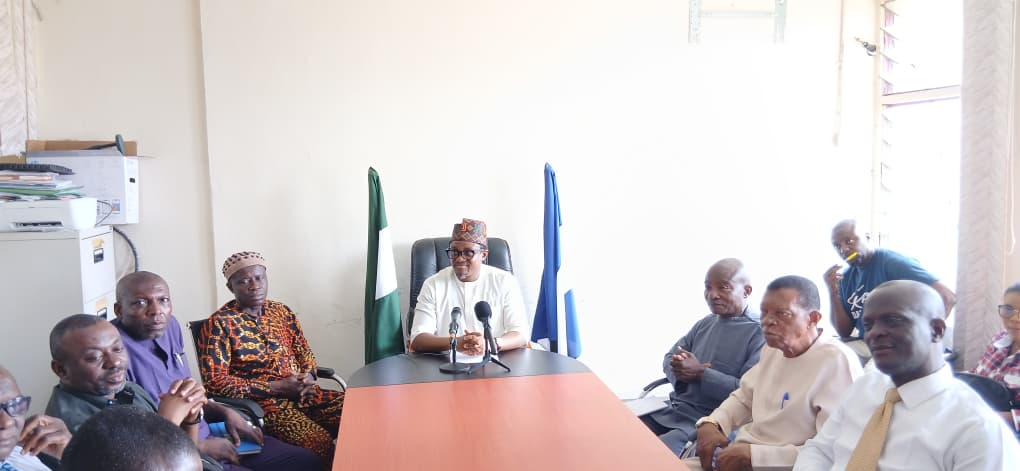
The Commissioner for Agriculture and Irration Development, Hon. Johnson Andiambey Ebokpo, disclosed this during a media chat in Calabar, emphasizing the urgency of proactive measures in response to changing weather patterns.
According to him, projections from the Nigerian Meteorological Agency (NiMet) indicate that the state will receive between 1,500mm and 2,200mm of rainfall in 2026, with a 30 percent increase in flood risk expected during the peak months of August and September, alongside an early onset of rains.
“These projections will significantly alter the traditional farming calendar. Early planting is therefore critical to ensure that crops mature and are harvested before the peak flood period,” Ebokpo stated.
As part of the strategy, the state is intensifying the promotion of climate-resilient crops such as cowpea and soybean. Beyond their adaptability, the crops are also being positioned as a nutritional intervention to address protein deficiencies, particularly among vulnerable households.
Referencing findings from the 2025 Cowpea Baseline Survey, the Commissioner noted that rising costs of animal protein have contributed to inadequate dietary intake, making plant-based alternatives a viable solution.
He stressed that investment in nutrition, especially in early childhood development, remains fundamental to long-term economic growth and human capital development.
To further strengthen the value chain, the state government through Project Grow, has secured a guaranteed off-take arrangement with Flour Mills for the supply of the TGX 1951 soybean variety, providing a ready market for farmers.
Ebokpo also announced that distribution of improved seed varieties will commence within the month of April 2026 building on the successful rollout of 3,600 seed packs of Sampea 20-T in the previous year.
In a bid to tackle labour constraints and expand cultivated land, the government is scaling up its tractorisation programme, with a second batch of 108 mini-tractors scheduled for deployment soon.
Addressing concerns around flooding, the Commissioner explained that the state is implementing targeted interventions under the Sustainable Power and Irrigation for Nigeria (SPIN) Project, supported by the Federal Government and the World Bank. The initiative will facilitate the development of 630 hectares within the Bansara–Ogoja rice belt, integrating irrigation infrastructure and flood control measures to protect farmlands from excess rainfall while ensuring a reliable water supply for year-round farming.
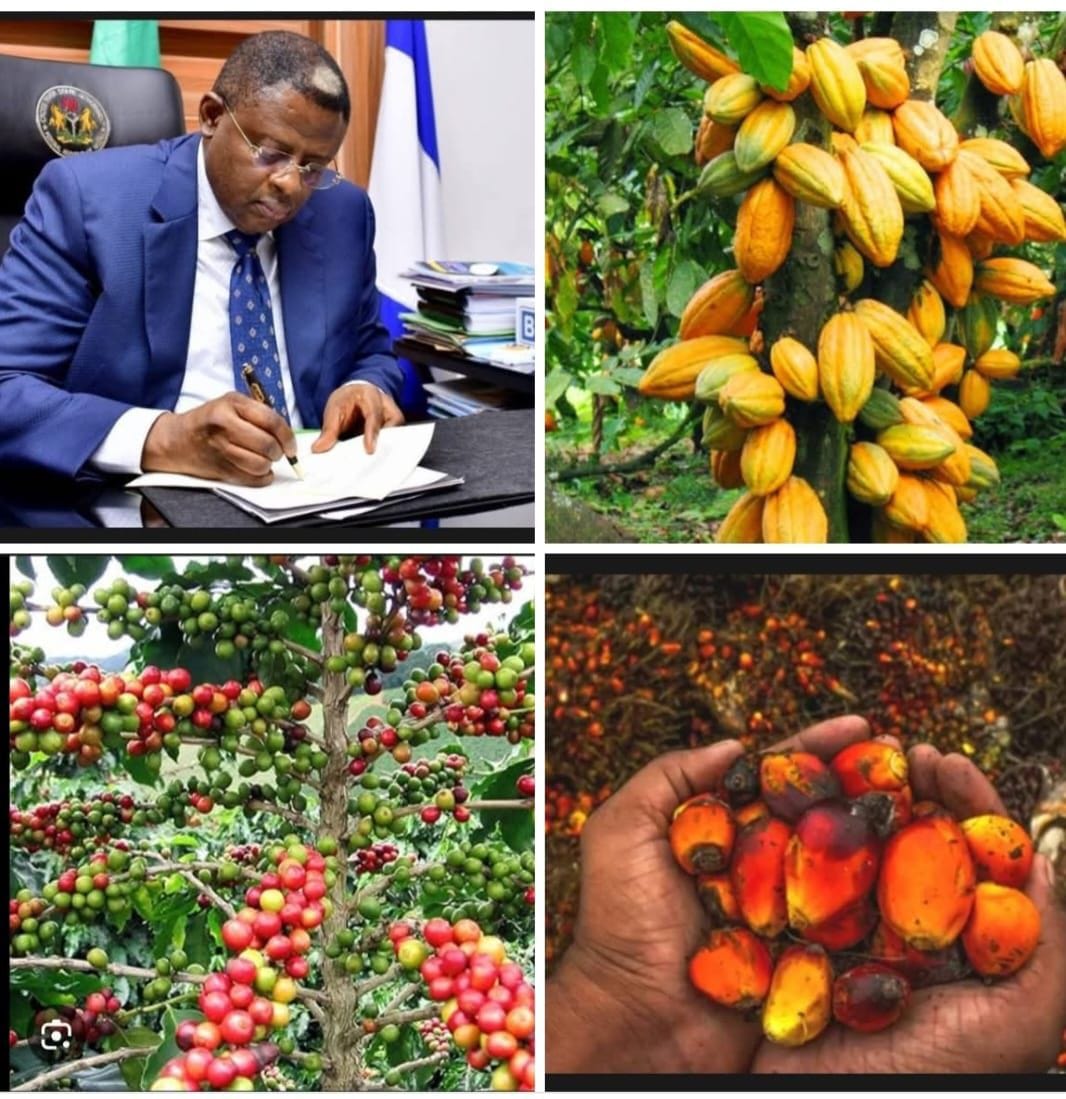
The Commissioner further encouraged cocoa farmers to adopt agroforestry practices by integrating economic trees such as avocado and bush mango into their farms to diversify income streams and improve resilience.
He added that improved tenera oil palm sprouted nuts are still available to farmers at a subsidized rate of ₦100, with next batch of coffee seedlings distribution set to begin in May 2026. Additionally, seven new coffee cooperatives are being established to strengthen the coffee market system and ensure export - ready premium - quality coffee beans.
He further disclosed that 250 farmers across the three senatorial districts of the State will undergo a yam seed multiplication training to boost staple crop production.
Ebokpo also commended the achievements of the FGN/NDDC/IFAD-assisted LIFE-ND Project, noting that it has generated over 4,370 jobs and produced 20,460 metric tonnes of food valued at ₦5.55 billion. With additional financing secured, the project is expected to create 3,626 more jobs in 2026.
He expressed appreciation to Governor Bassey Edet Otu for his commitment to repositioning agriculture as a viable and profitable sector.
“I urge farmers across the state to take full advantage of these initiatives to improve productivity, increase income, and contribute to a food-secure Cross River State,” he said.
Farmers seeking access to inputs and technical support have been advised to contact the Ministry of Agriculture headquarters in Calabar or their respective Local Government Agricultural Offices.
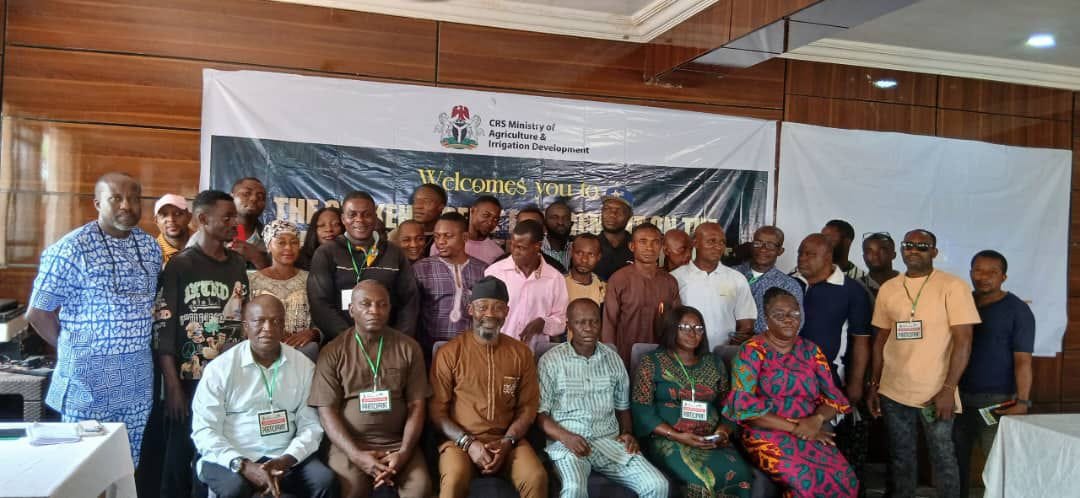
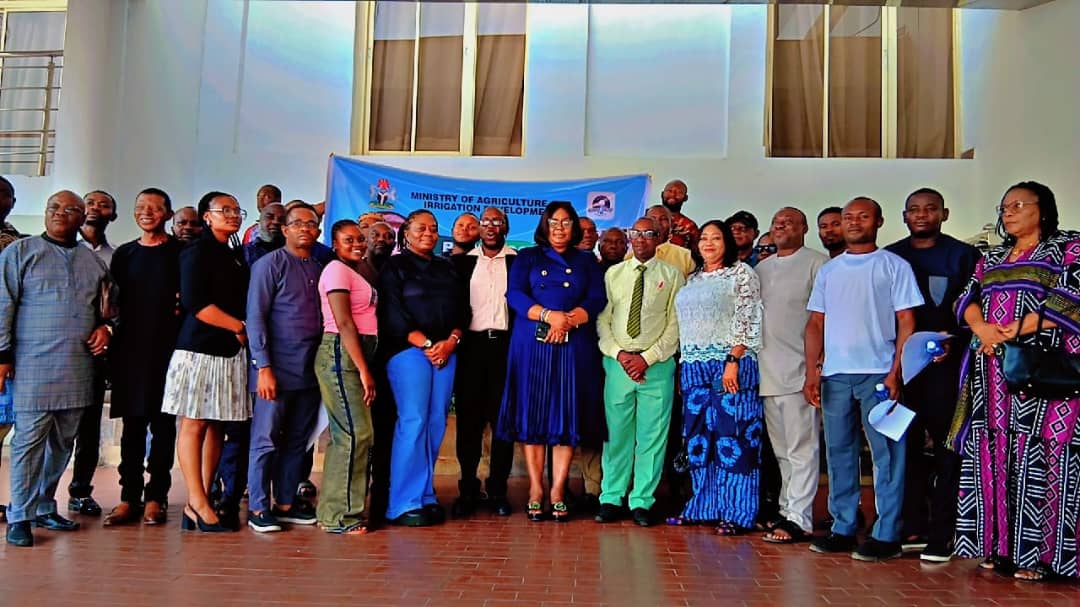
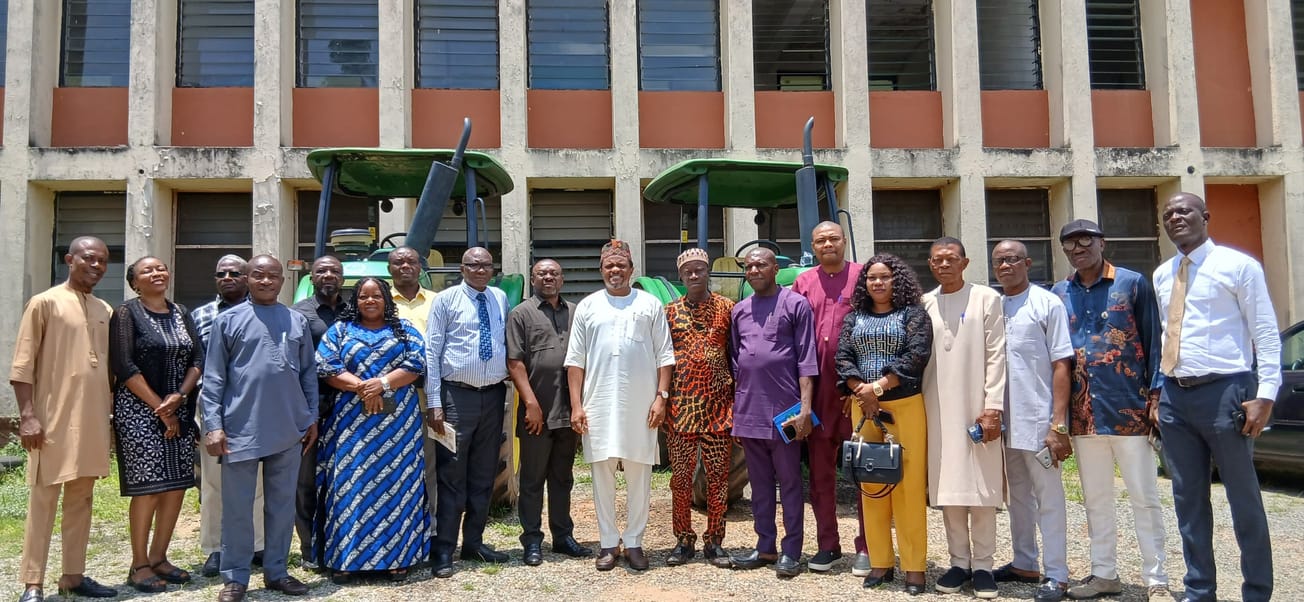
Also in attendance were, the Permanent Secretary of the Ministry, Eld. Dr. Odey Ikongah, Senior Special Assistant to the Governor on Tree Crops, Fidelis Effanga, Programme Manager of Cross River Agriculture Development Programme, Bassey Emogor, State Project Director, Project Grow, Mr. Denis Ikpali, State Chairman of All farmers Association of Nigeria, Rev. Ojikpong Nyiambisong and technical directors of the Ministry.
Blessing Enagu