The Cross River State Government has officially validated Nigeria's first Local Government Water, Sanitation and Hygiene (WASH) Strategic and Investment Plan for Yala Local Government Area, marking a major step toward achieving universal access to safe water and sanitation in the area.
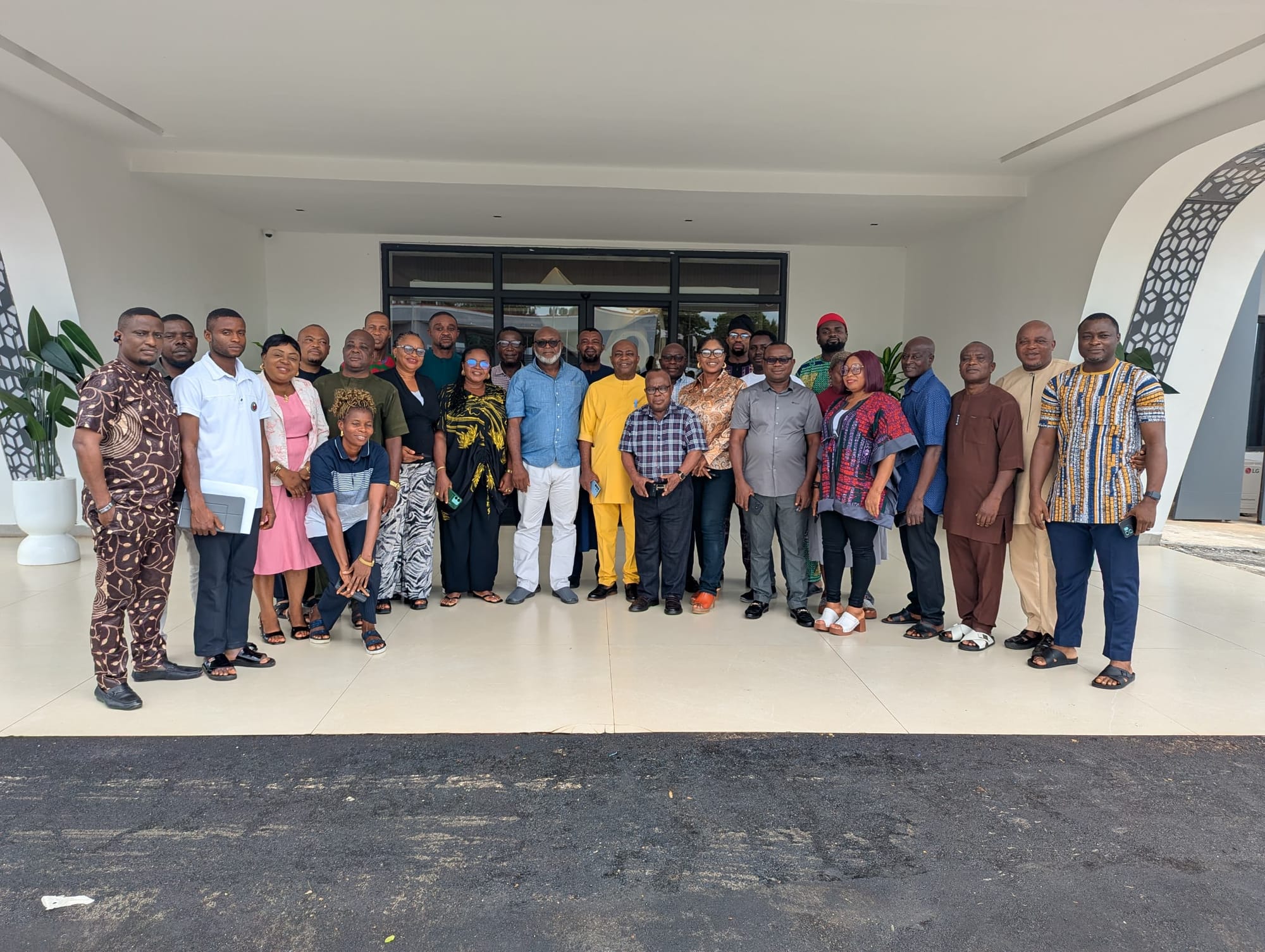
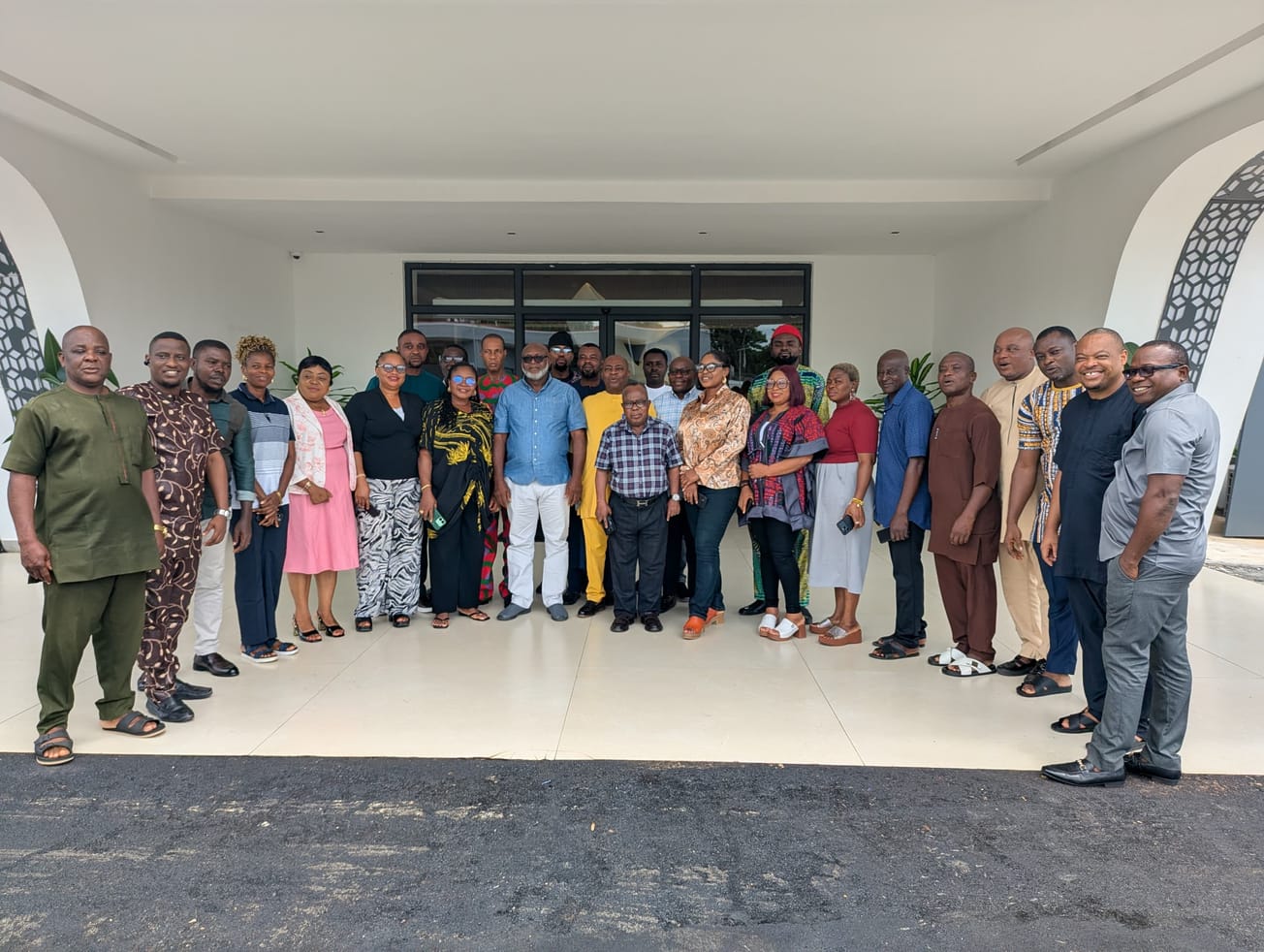
The week long validation exercise, which took place at the Obudu Centurion Hotel, Obudu, brought together key stakeholders from lined MDAs, development partners and key actors in the sector to ensure a coordinated roadmap for financing and implementing WASH interventions tailored to Yala’s specific needs which also aligns with national efforts to strengthen local-level ownership of WASH services, with the plan now set to guide infrastructure development, hygiene promotion, and sustainable management of water resources across the local government area.
In the same vein, the State has also validated a comprehensive five-year Water, Sanitation and Hygiene (WASH) strategic plan to address five-year (2026-2031)Water, Sanitation, and Hygiene (WASH) challenges in rural communities and small towns across the State to serve as a blueprint to guide investments in the sector.
Speaking during the exercise, the Executive Chairman of Yala, Dr. Fred Okem, pledged renewed commitment to the success of the programme: *“We will include WASH funding in our supplementary budget after missing the initial allocation window. Nine toilet facilities have already been provided in marketplaces as a first step, and I assure you Yala will reclaim and sustain her ODF status.”*
*Sunday Oko, General Manager of RUWATSSA, emphasized the importance of scaling up: “As I speak, our presence is already in Obubra LGA with the help of counterpart funding. We are replicating what we are doing in Yala, in Obubra. For other LGAs, we are conducting baseline studies and needs assessments, especially those that were ODF and have lost their status. We are working hard to get more ODF communities.”* He acknowledged that funding remains a major challenge but said the Cross River State Government and partners are committed to prioritizing WASH.
Congratulating Yala, *Timothy Bauchi, Programme Manager for the WASH Systems for Health Programme with Self Help Africa, noted: “This plan is not just about investment—it is a roadmap that reflects the dreams and aspirations of the people of Yala. It sets clear targets through 2030 and ensures accountability by combining government, private sector and community funding. Yala is setting the pace, and other local governments will have to come and learn from it. We don’t want a plan that sits on paper; we want one that people believe in and can actually implement.”*
Financial institutions also pledged support. Gladys Ekpang, Branch Manager of Ekondo Bank, announced *EKWASH*, a sanitation loan product developed with Toilet Pride Initiative to reach 5,000 households and 50 toilet business owners across four LGAs.
Confirming the partnership, *Chukwuma Nnana*, Executive Director of Toilet Pride, said: *“CLTS created demand, but families were left without durable toilets. We’re closing that gap by offering affordable options that last. Under the scheme, households can access loans of up to ₦100,000 to build or upgrade toilets, while sanitation businesses receive up to ₦500,000 to restock and cover logistics. We want families to stop worrying about cost and start thinking about dignity.”*
On inclusion, Angela Ogboaka, Director at the Ministry of Water Resources and Vice‑Chairperson of FEMINWASH CRS, stressed: *“GESI budgeting should not be treated as an afterthought. Proper funding improves WASH access for women and girls by providing safer toilets, privacy, and menstrual hygiene facilities that meet global standards. In the long run this translates into higher school attendance, restores dignity, and improves health outcomes for all.”*
Yala, which was declared Open Defecation Free (ODF) in 2018 but later slipped back into open defecation due to weak infrastructure and funding gaps, is now seeking to restore its status. The new plan directly addresses systemic neglect, including 462 non‑functional water points worth ₦730 million in stranded capital, and sets a benchmark that facilities must deliver safe water for 20 years—not 20 months.
Yala LGA serves as the pilot area for the systems-strengthening intervention, which is supported by the UK Foreign, Commonwealth and Development Office and implemented in partnership with the Cross River State Ministry of Water Resources and Self-Help Africa.
By Nakanda Iyadim