Cross River State has commenced a far-reaching overhaul of its health training sector, with renewed emphasis on operationalising the College of Medicine, Ogoja, and repositioning all health training institutions to meet globally competitive standards.
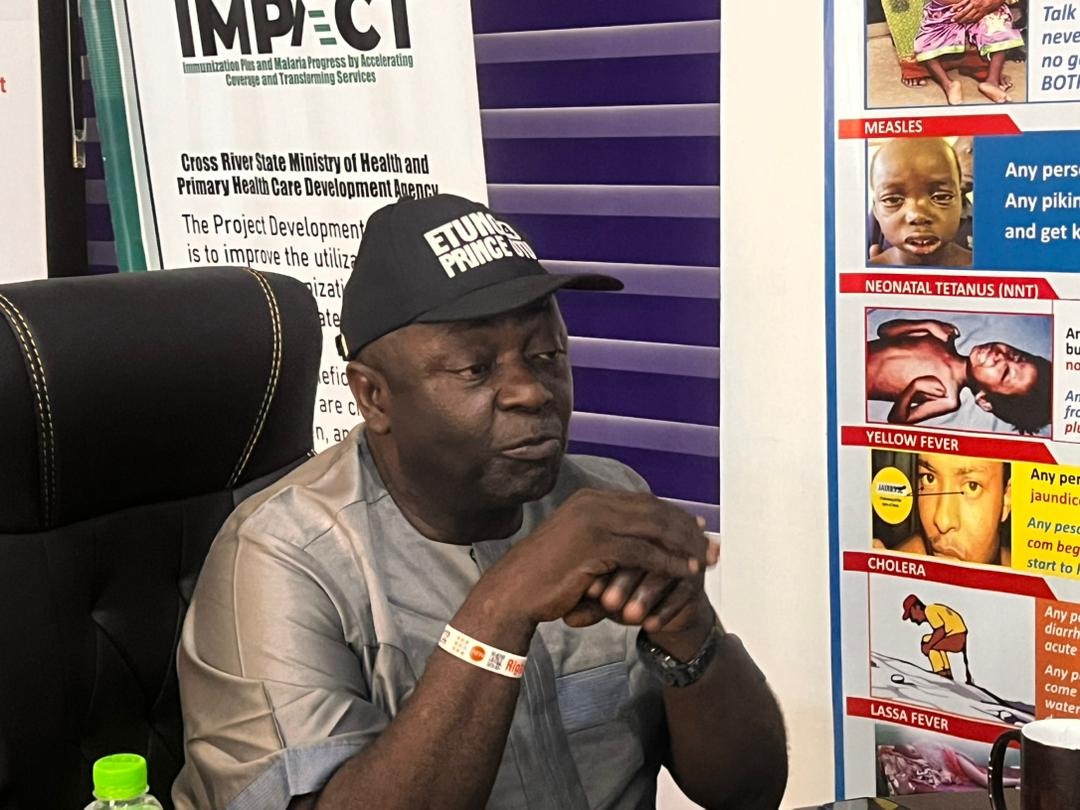
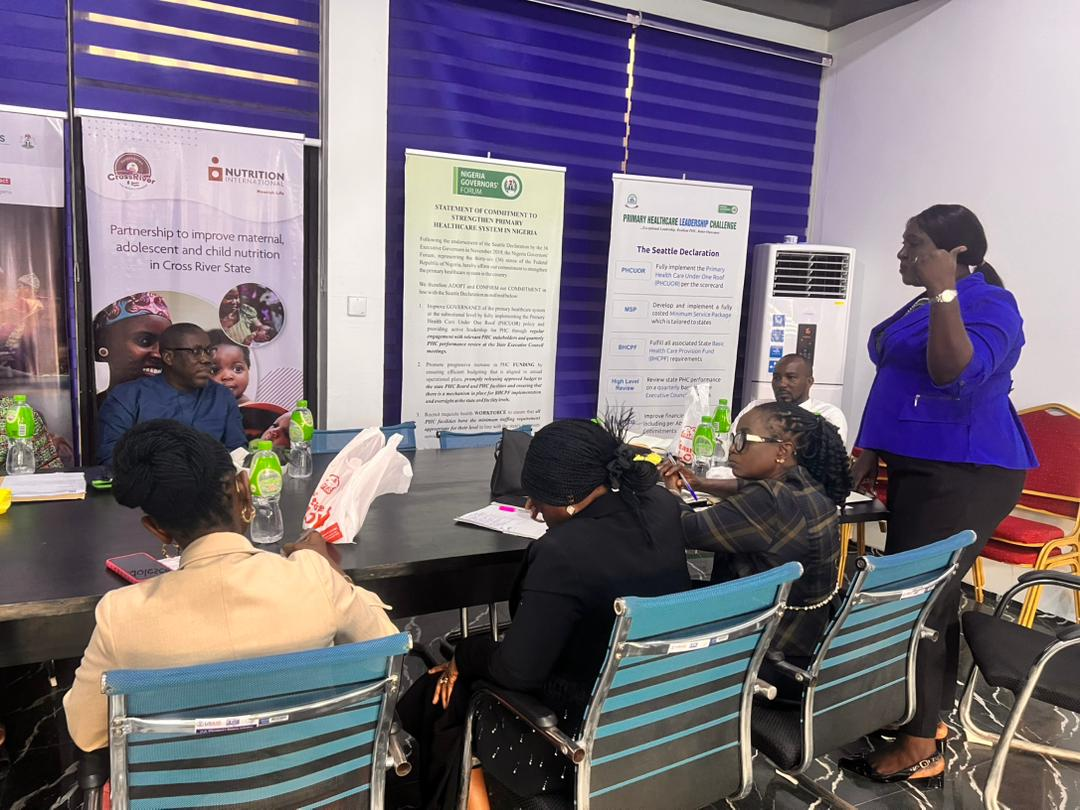
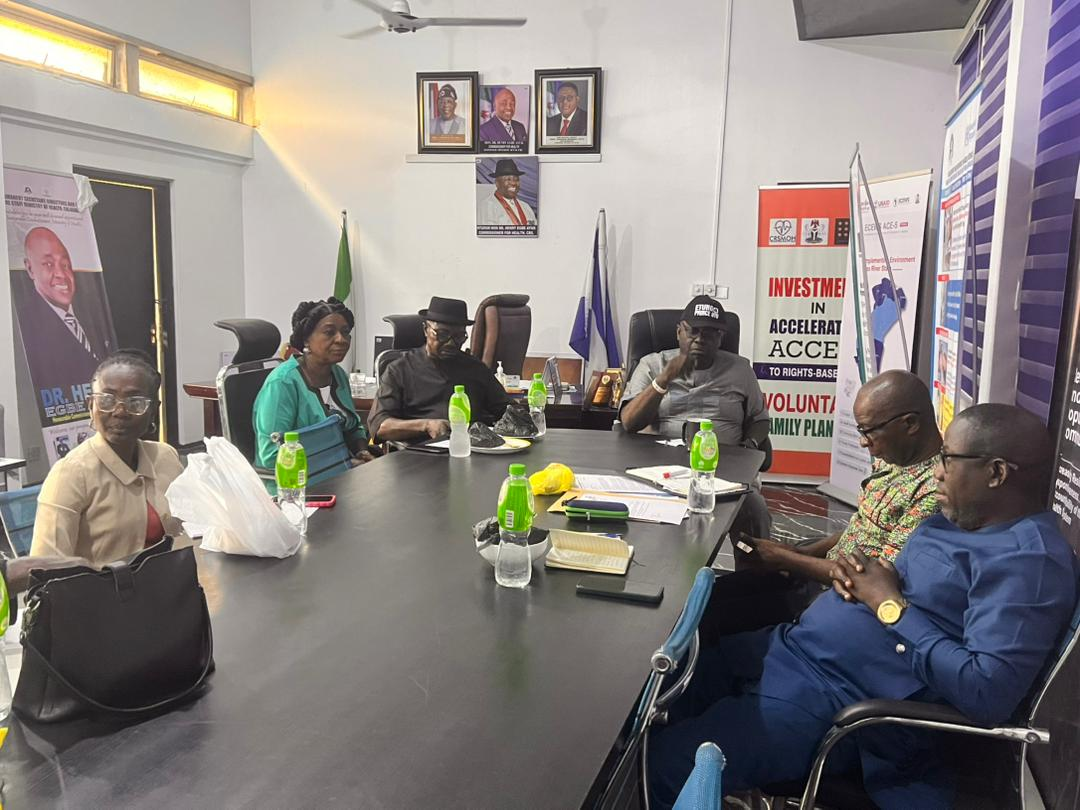
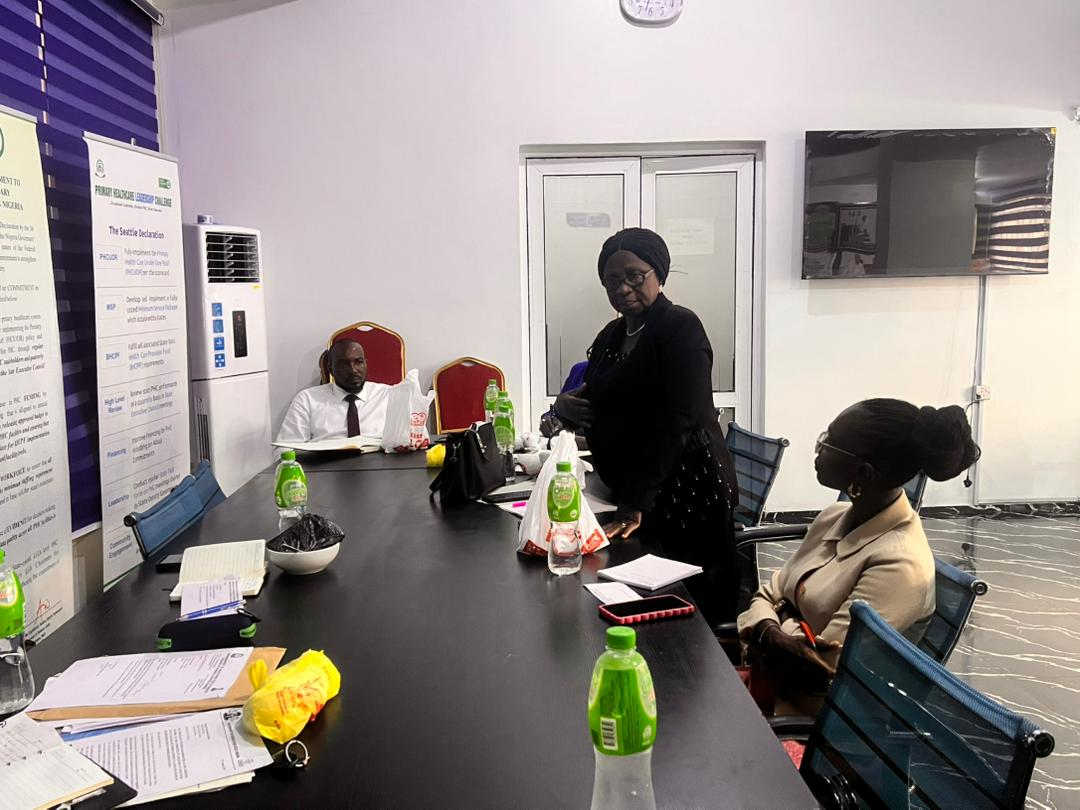
The reform drive, which aligns with Governor Prince Bassey Edet Otu’s broader health sector transformation agenda, was unveiled on Thursday, January 15, during a high-level stakeholder briefing held at the Ministry of Health headquarters in Calabar.
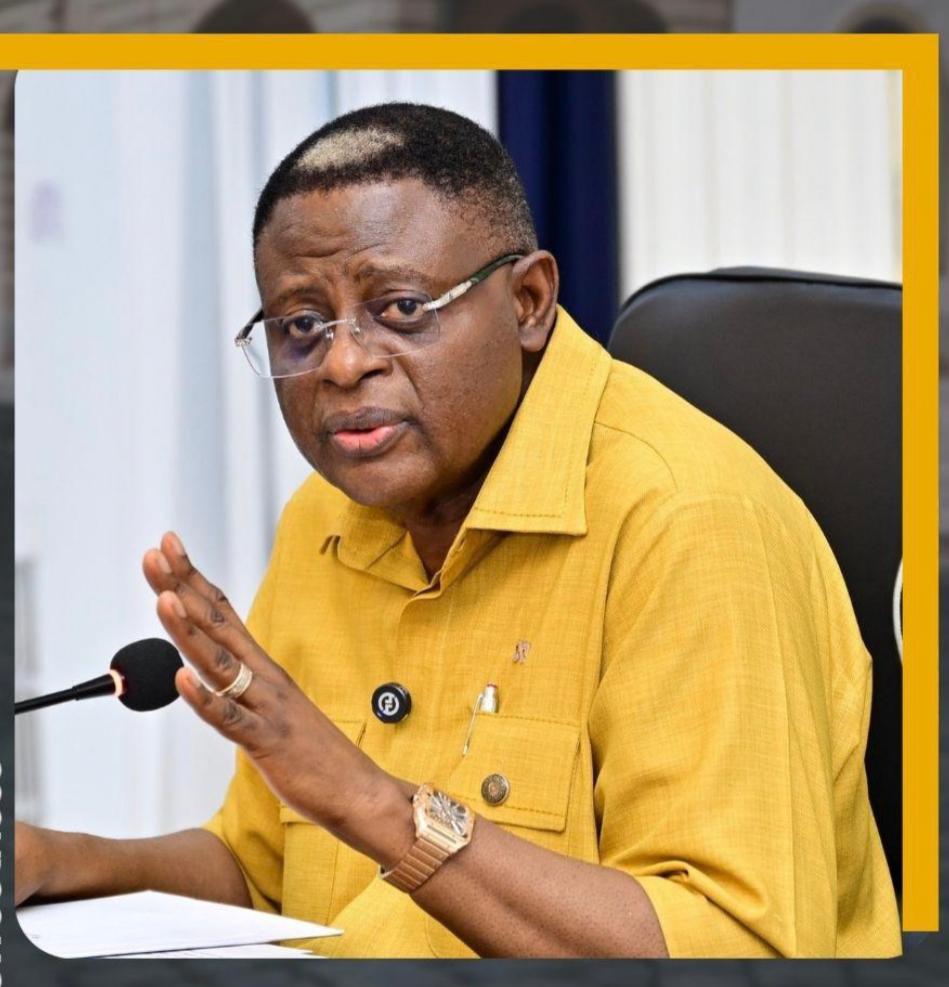
Declaring the meeting open, the Chairman of the Basic Nursing Degree Certificate Affiliation Committee and Commissioner for Health, Dr. Henry Egbe Ayuk, disclosed that the state is moving decisively toward the full operationalisation of the College of Medicine in Ogoja. He noted that key infrastructure required for medical training, particularly in the basic medical sciences, is already in place.
“The basic medical school is already there. We do not have a major problem starting because the foundational infrastructure exists. What we need now is to identify any gaps and update them,” Dr. Ayuk said, adding that the administration’s resolve to train home-grown medical doctors would be driven by unflinching commitment and divine grace.
He charged heads of health training institutions across the state to align with the administration’s vision of a world-class health system, stressing that public investment in training institutions must translate into excellence in output, professionalism and service delivery.
Revealing ongoing plans to affiliate state-owned nursing colleges with the University of Calabar (UNICAL) for advanced training and degree awards, the commissioner emphasized the need for institutional accountability and legacy-driven leadership.
“We are here to build a legacy that will outlive us. Our institutions must reflect the highest standards of professionalism, competence and integrity,” he said, signalling a shift toward performance-driven management and accountability.
Speaking on the strategic direction of the reforms, Dr. Etim Ayi emphasized the importance of strong institutional partnerships for long-term sustainability. He commended Prof. (Mrs.) Akon M. Joshua for her erudition and intellectual leadership in conceptualising the collegiate system and described the ongoing transition to university-awarded degrees as a major leap forward for nursing education in the state.
According to him, strict alignment with the standards of the Nursing and Midwifery Council of Nigeria (NMCN) would be critical to achieving seamless affiliations and sustained success.
In her remarks, Prof. (Mrs.) Akon Joshua stressed the need to meet global benchmarks, noting that the transition from a collegiate system to degree-awarding status goes beyond a change in nomenclature.
“This is not just about changing names. It is about elevating the professional standing, depth and global relevance of our healthcare workforce,” she said, urging stakeholders to prioritise quality, competitiveness and sustainability in training outcomes.
Reaffirming the administration’s political backing for the reforms, Barrister Esu Ekanem, Special Assistant to the Chief of Staff, assured stakeholders of Governor Otu’s unwavering commitment to translating policy decisions into tangible results.
“The administrative arm of government is fully committed to providing the structural support needed to ensure these reforms are not merely policy statements, but realities that positively impact the lives of citizens,” he said.
A major pillar of the state’s manpower development strategy is the planned affiliation of indigenous nursing colleges with UNICAL. Confirming progress on this front, Special Adviser on Nursing Education, Mrs. Uduak S. Efem, disclosed that the initiative has received the Governor’s full approval and that UNICAL has expressed strong interest.
“We are talking about affiliation. The University of Calabar is keen on partnering with our colleges to award degrees,” she explained.
Also speaking, the Registrar of the College of Nursing Sciences and Midwifery, Calabar (CONSCAL), Mrs. Etim Okokon, stressed the need to maintain high academic and professional standards throughout the transition process.
This position was reinforced by Mrs. Josephine Bassey, State Chairman of the National Association of Nigeria Nurses and Midwives (NANNM), who highlighted the critical role of nurses as frontline healthcare providers and called for increased recruitment to address manpower shortages.
Providing further professional input, the Director of Nursing, Roseline Obojor, advocated enhanced support for tutors and improved clinical training environments to strengthen teaching and learning outcomes.
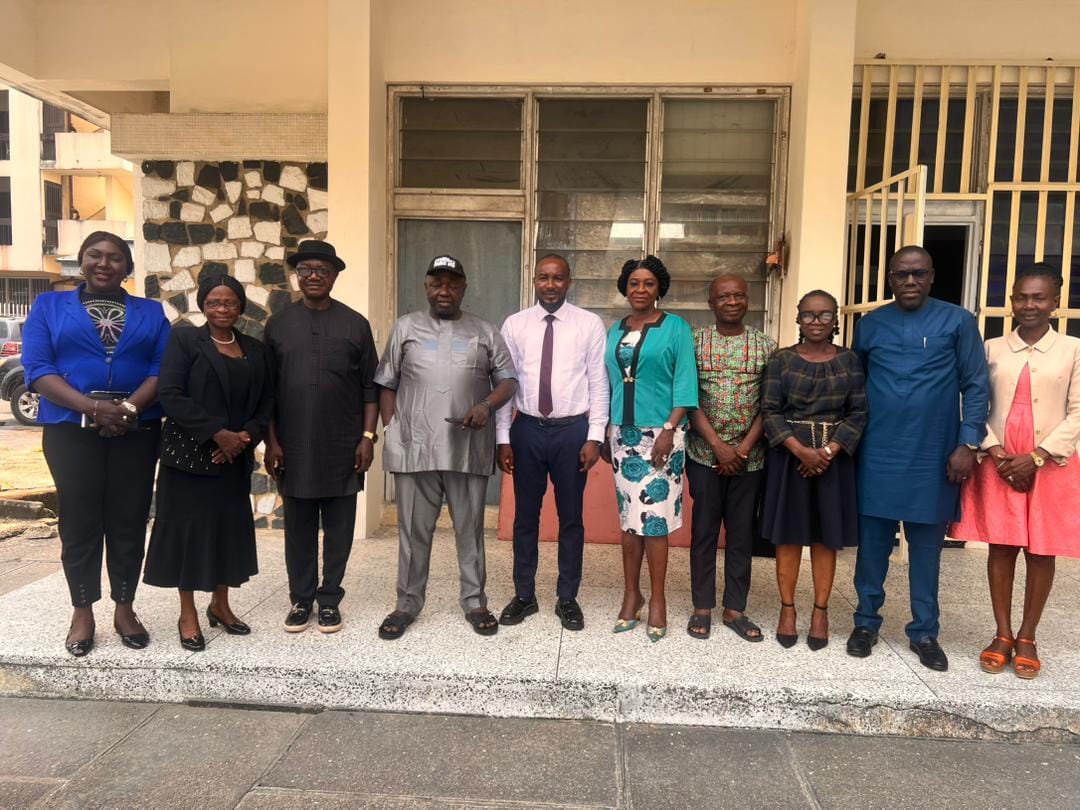
The meeting concluded with a collective commitment from the Ministry’s leadership, including the Special Adviser on Health, Dr. Ekpo Ekpo Bassey and the Permanent Secretary, Dr. Jonah Offor, to deepen efficiency and effectiveness in the management of health institutions across the state.
Kingsley Agim and Jessica Ubi