

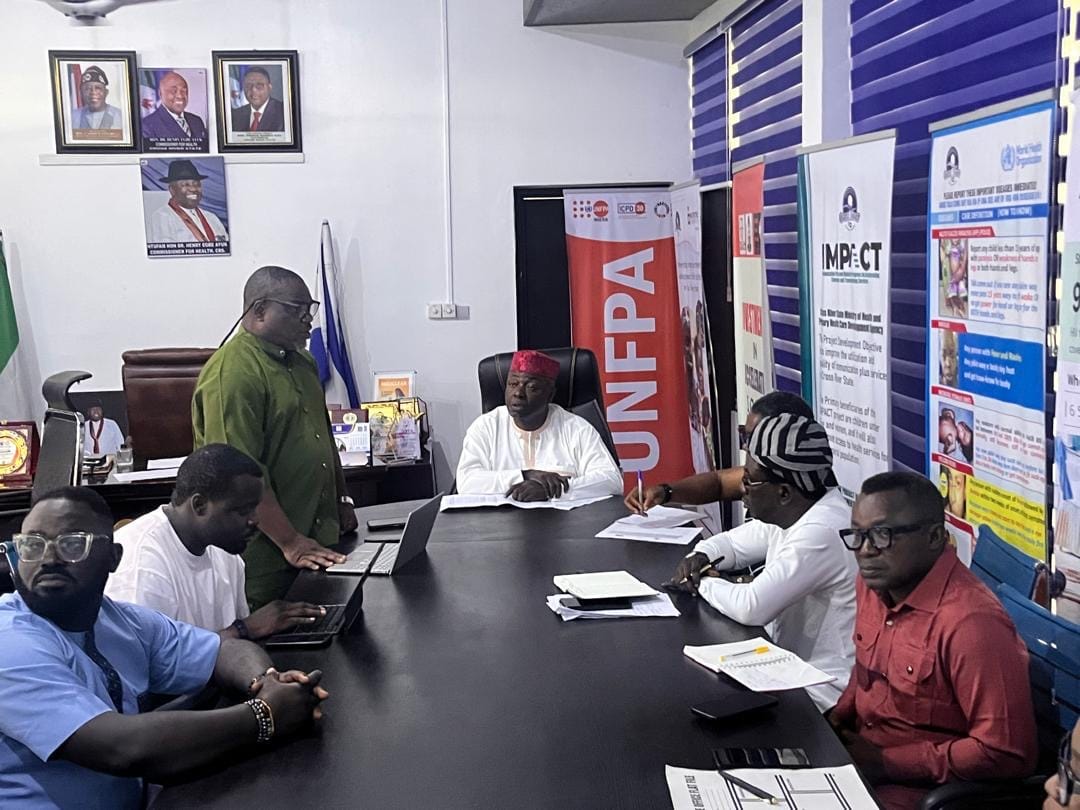
Cross River State has taken another step towards strengthening sustainable health sector governance, financing and logistics management as the Federal Ministry of Health, through the National AIDS and STIs Control Programme (NASCP) and the National Sustainability and HIV Impact Project (N-SHIP), held a strategic stakeholders’ engagement meeting in Calabar.
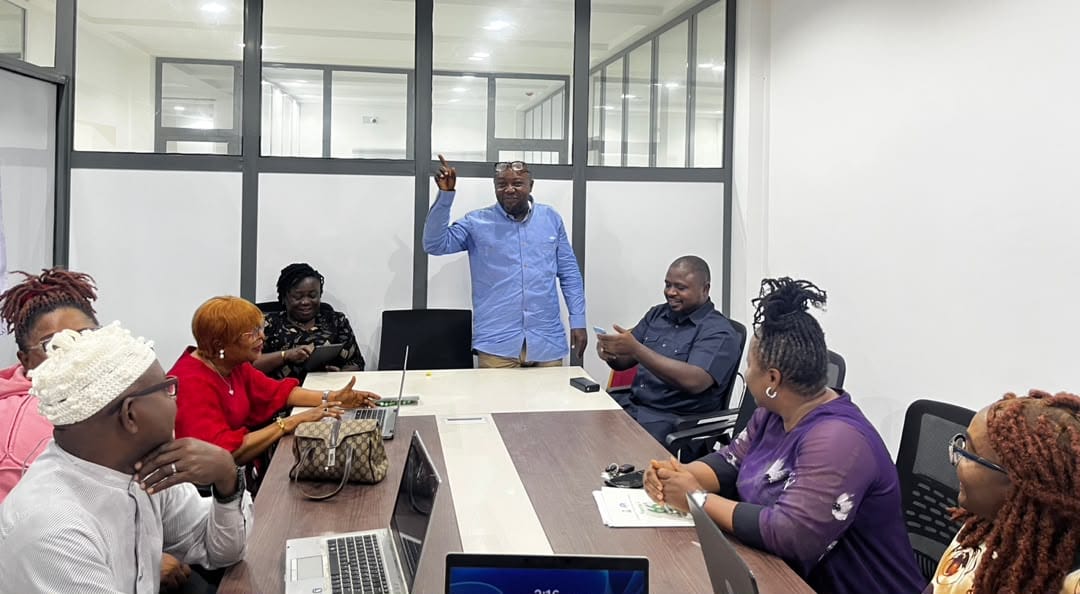
The meeting, held on Tuesday, September 1, 2026, at the Cross River State Ministry of Health, brought together key stakeholders in the health sector, including the Senior Special Adviser to the Governor on Nursing, Dr. Coco Bassey, directors and heads of departments in the Ministry, as well as representatives of relevant health programmes and partners.
The engagement focused on strengthening state ownership of HIV interventions, improving health financing, integrating services and reforming the supply chain to ensure that health commodities and essential services reach communities efficiently and sustainably.
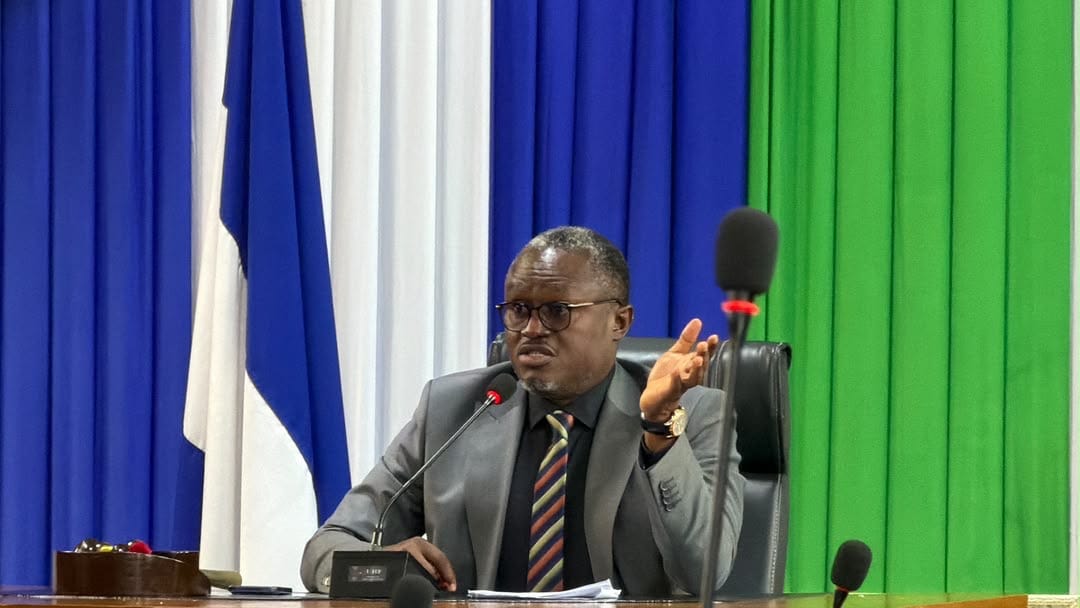
Addressing participants, the Commissioner for Health, Dr. Henry Egbe Ayuk, stressed that sustained partnerships and strategic resource mobilisation remained critical to achieving lasting improvements in health outcomes across the state.
Ayuk explained that sustainability should not be interpreted as the withdrawal of partnerships, but rather as the ability of government to effectively harness international, national and local resources to strengthen health interventions and build resilient systems.
“Partnership is a gift and a necessity, not just locally, but globally,” the Commissioner said, noting that successful health interventions require collaboration among government, development partners and communities. He called for stronger integration of HIV services with existing health platforms, citing the state’s high immunisation coverage as a model that could support broader disease-control efforts.
The Commissioner also emphasised the importance of community participation in the fight against HIV, particularly as the state and its partners work towards disease elimination targets by 2030. He urged stakeholders to take prevention efforts closer to communities and ensure that interventions are designed around the needs of the people.
Speaking on the transition towards greater state ownership of health programmes, the N-SHIP Project Director, Dr. Okundili Chukwudima, identified integrated services, sustainable financing and improved supply-chain management as critical pillars for a resilient health system.
“When you integrate services, you will be able to manage every person completely and holistically,” Chukwudima said, stressing that people living with HIV should be enrolled in health insurance schemes as part of efforts to guarantee long-term financial sustainability and reduce dependence on externally funded interventions.
He explained that a five-year framework agreement between Nigeria and the United States Government, running from October 2026 to 2030, provides for a gradual transition of financial responsibility, with Nigeria expected to increase its contribution significantly by the fifth year. According to him, the transition provides an opportunity to strengthen domestic ownership and redirect public health investments towards local healthcare infrastructure and patient care.
Chukwudima also highlighted the need to eliminate longstanding bottlenecks in the distribution of medicines and health commodities through digital solutions, including electronic reporting and inventory-tracking systems. He said such innovations would enhance visibility across the supply chain and improve the distribution of essential commodities to zonal and primary healthcare facilities.
He called for stronger coordination among ministries, programme managers and development partners, noting that effective collaboration, expanded health insurance coverage and streamlined commodity logistics would be essential to sustaining health interventions across all 18 local government areas of Cross River State.
The meeting ended with a clear roadmap for state-led implementation of the agreed strategies, reinforcing the commitment of the Cross River State Ministry of Health and its partners to building a more sustainable, integrated and resilient health system capable of delivering improved outcomes for Cross Riverians.


By Kingsley Agim