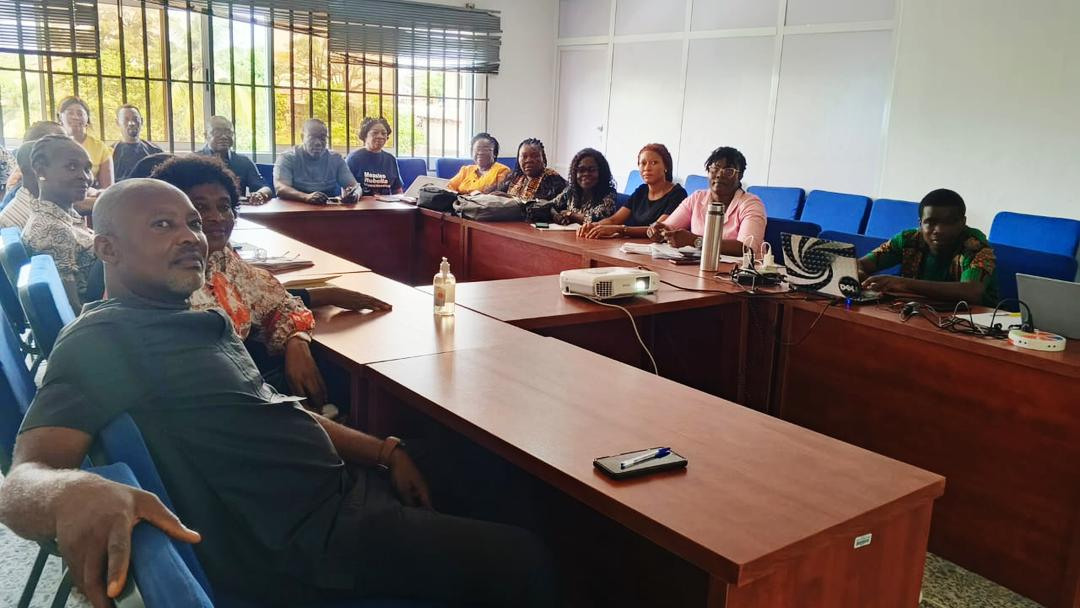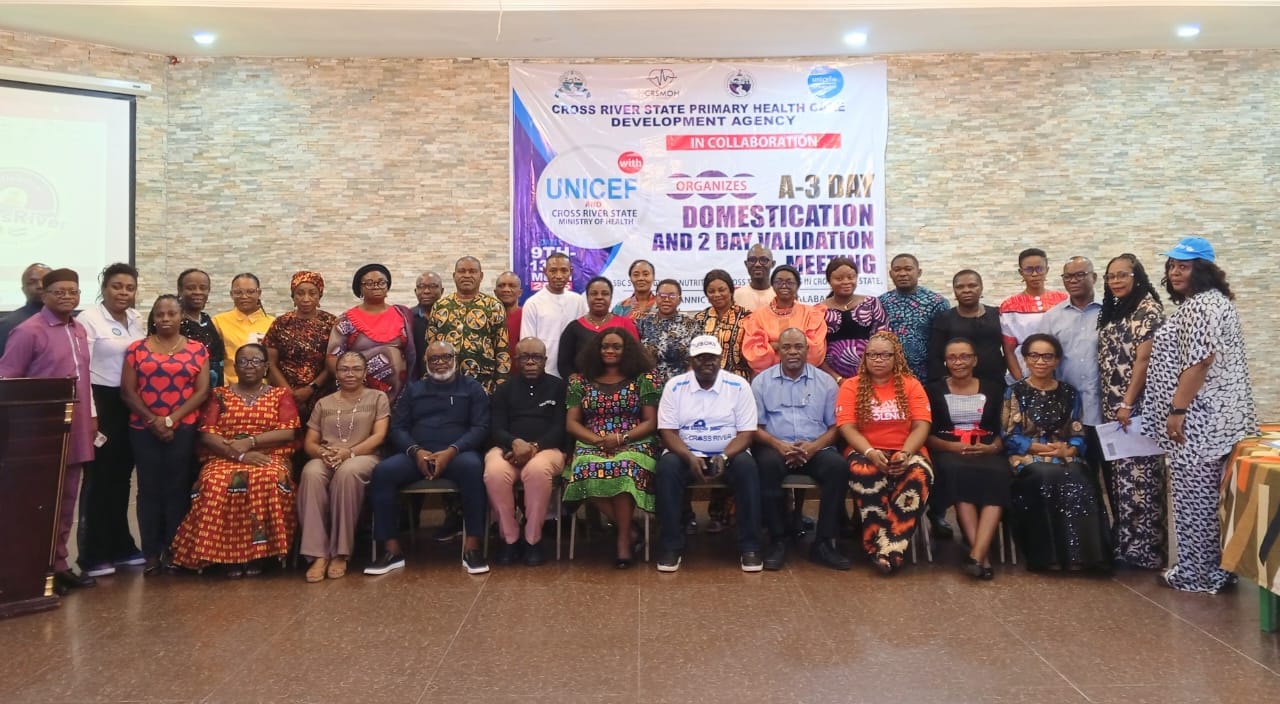
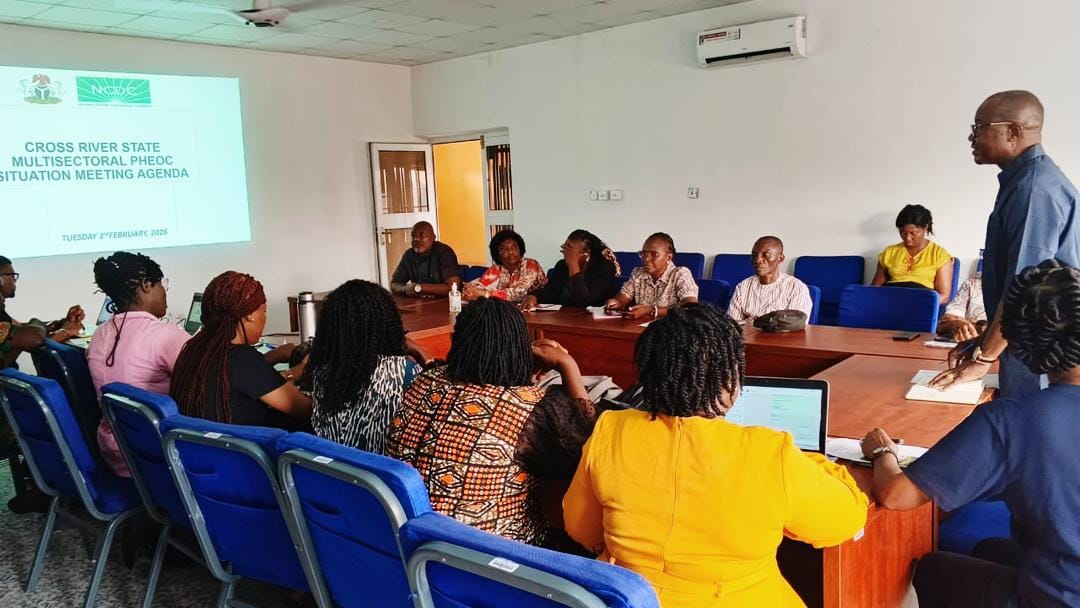
The Cross River State Government has convened a multisectoral stakeholders’ meeting in Calabar to further strengthen preparedness and response to public health emergencies through the Public Health Emergency Operations Centre (PHEOC).
The meeting brought together key actors from the health, environment, information, emergency services, security, and development partner sectors to review preparedness strategies, clarify institutional roles, and enhance coordination in the event of disease outbreaks and other public health emergencies.
Speaking at the meeting on Tuesday, the Special Adviser to the Governor on Health, Dr. Ekpo Ekpo Bassey, said the gathering demonstrated the state’s readiness to prevent and respond swiftly to potential outbreaks, stressing that proactive coordination remains central to safeguarding public health.
“It is the year 2026, and I appreciate all of you for turning out early and in such large numbers. This clearly shows our collective readiness to combat any outbreak that may occur across the state,” he said.
Dr. Ekpo disclosed that the health sector has been prioritised in the 2026 budget, with adequate funding provided to strengthen service delivery and emergency response capacity across the state.
“Reasonable allocation has been made to enable us to discharge our responsibilities effectively and ensure that our people continue to live in good health,” he said, describing the quarterly PHEOC meeting as a statutory requirement of the Nigeria Centre for Disease Control (NCDC) and a critical platform for assessing emergency preparedness.
Also speaking, the Permanent Secretary, Ministry of Health, Dr. Jonah Ofor, who represented the Commissioner for Health, Dr. Henry Ayuk, underscored the importance of strong collaboration across sectors in managing public health emergencies.
“Public health emergencies are complex and often extend beyond the mandate of the health sector alone. The effectiveness of the PHEOC depends largely on robust multisectoral collaboration,” Ofor noted.
He explained that the PHEOC framework integrates sectors such as health, environment, information, security, transportation, emergency services, local government, and development partners to ensure coordinated planning, rapid information sharing, and timely decision-making.
“This integrated approach strengthens preparedness, improves response efficiency, reduces duplication of efforts, and ensures optimal use of available resources,” he added, urging stakeholders to sustain active participation and effective communication within the PHEOC structure.
In her presentation, the State Epidemiologist, Dr. Inyang Ekpenyong, highlighted the critical role of disease surveillance, stressing the need for constant alertness across all response units.
“Early detection is key. Surveillance officers and all response units must remain vigilant, promptly report unusual health events, and ensure timely data sharing,” she said.
Dr. Ekpenyong outlined the responsibilities of the various PHEOC pillars during emergencies, noting that effective coordination among surveillance, laboratory services, risk communication, logistics, and other response units is essential to preventing outbreaks from escalating.
Kingsley Agim