

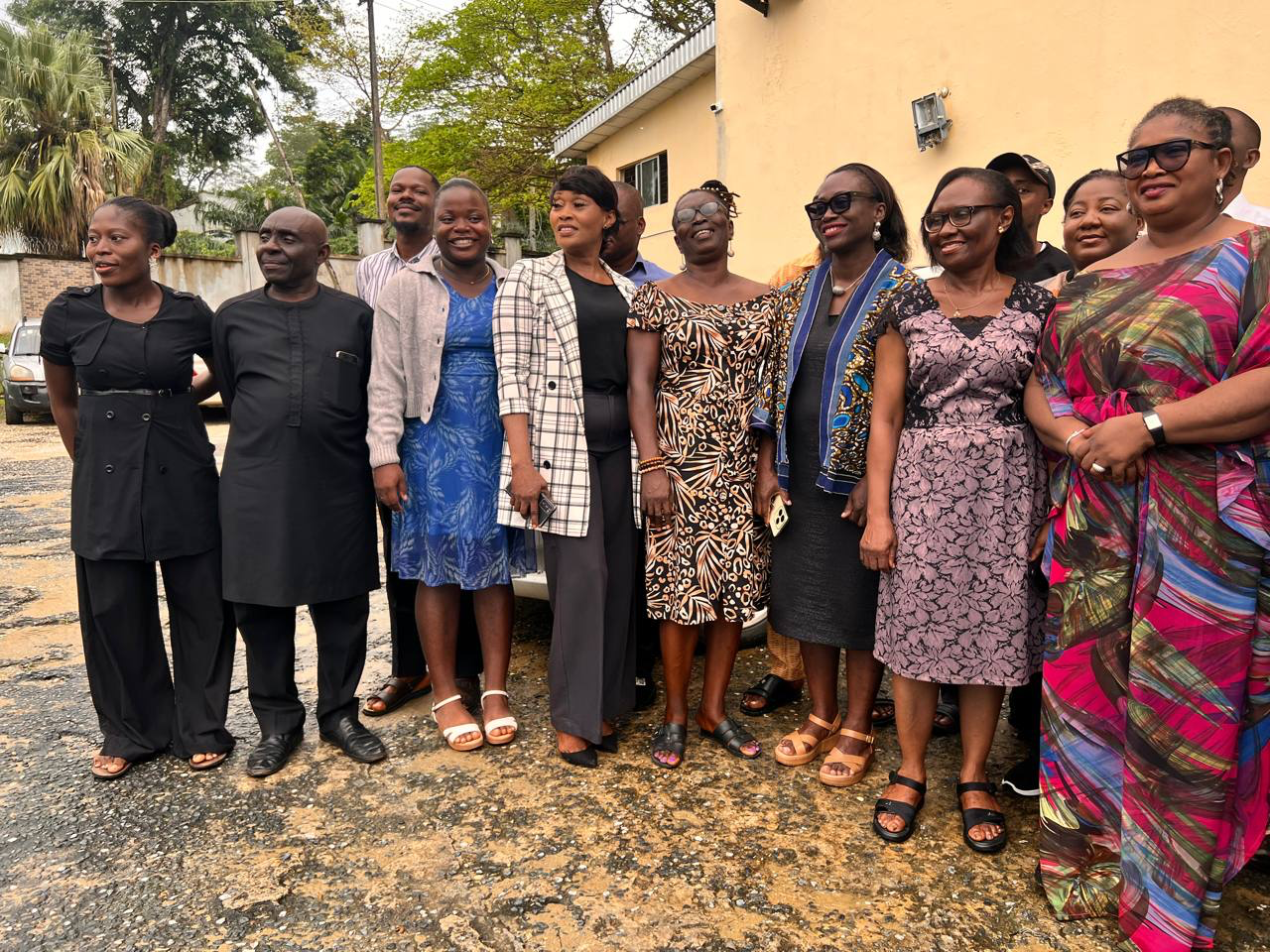
Journalists in Cross River State have received advanced training on evidence-based health reporting as Cochrane Nigeria intensified efforts to strengthen media capacity for accurate, balanced and research-driven health communication.
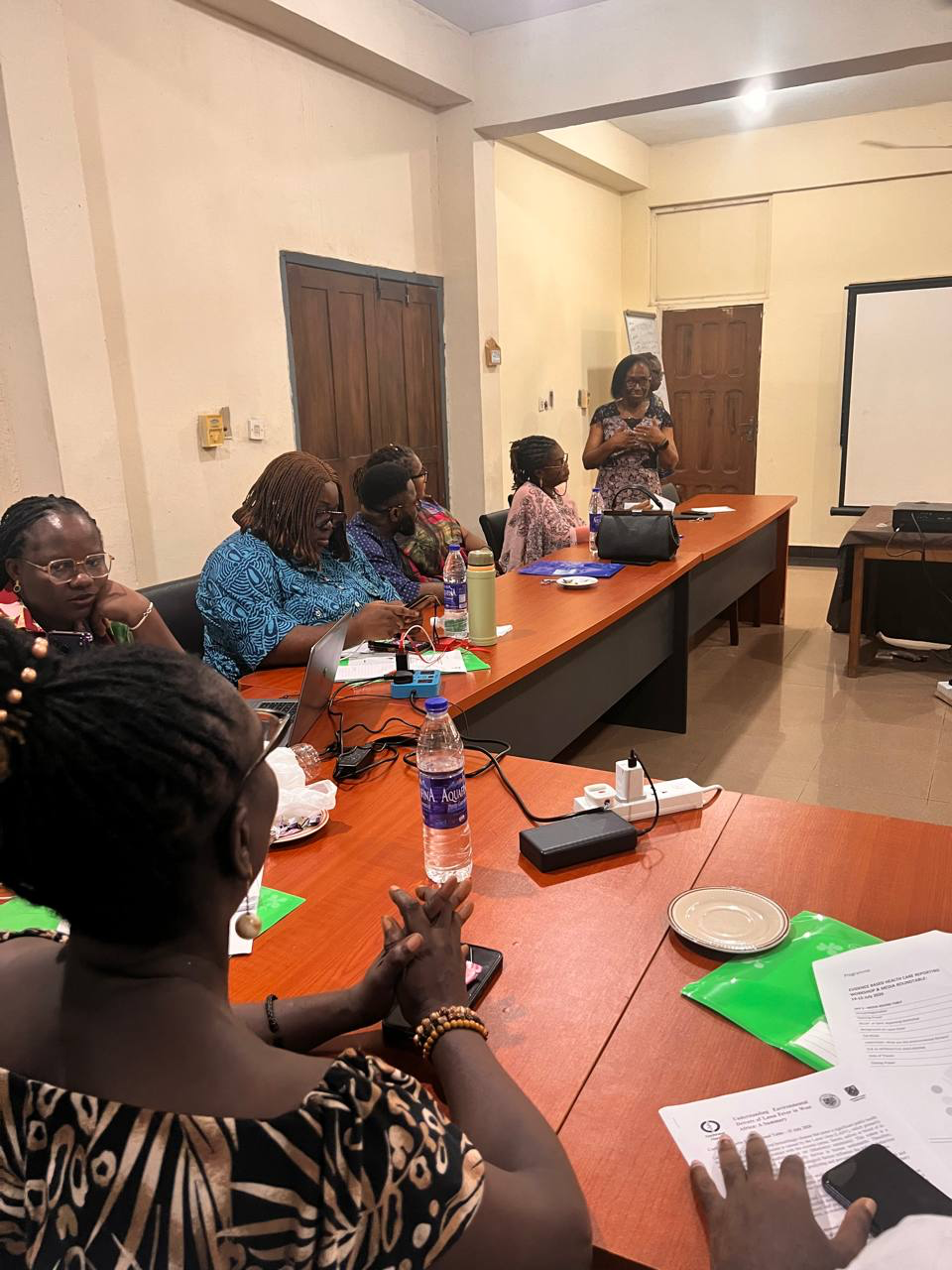
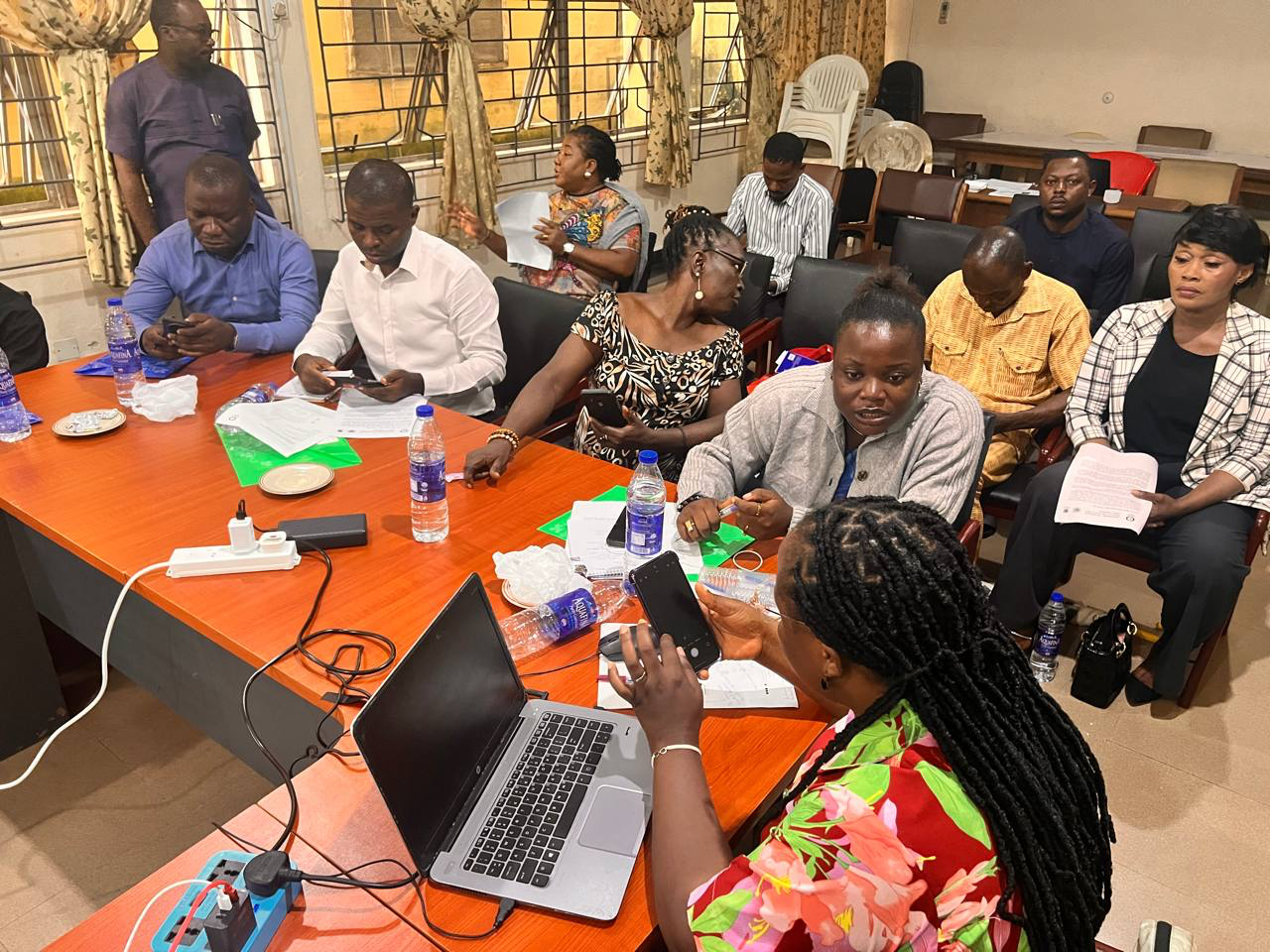
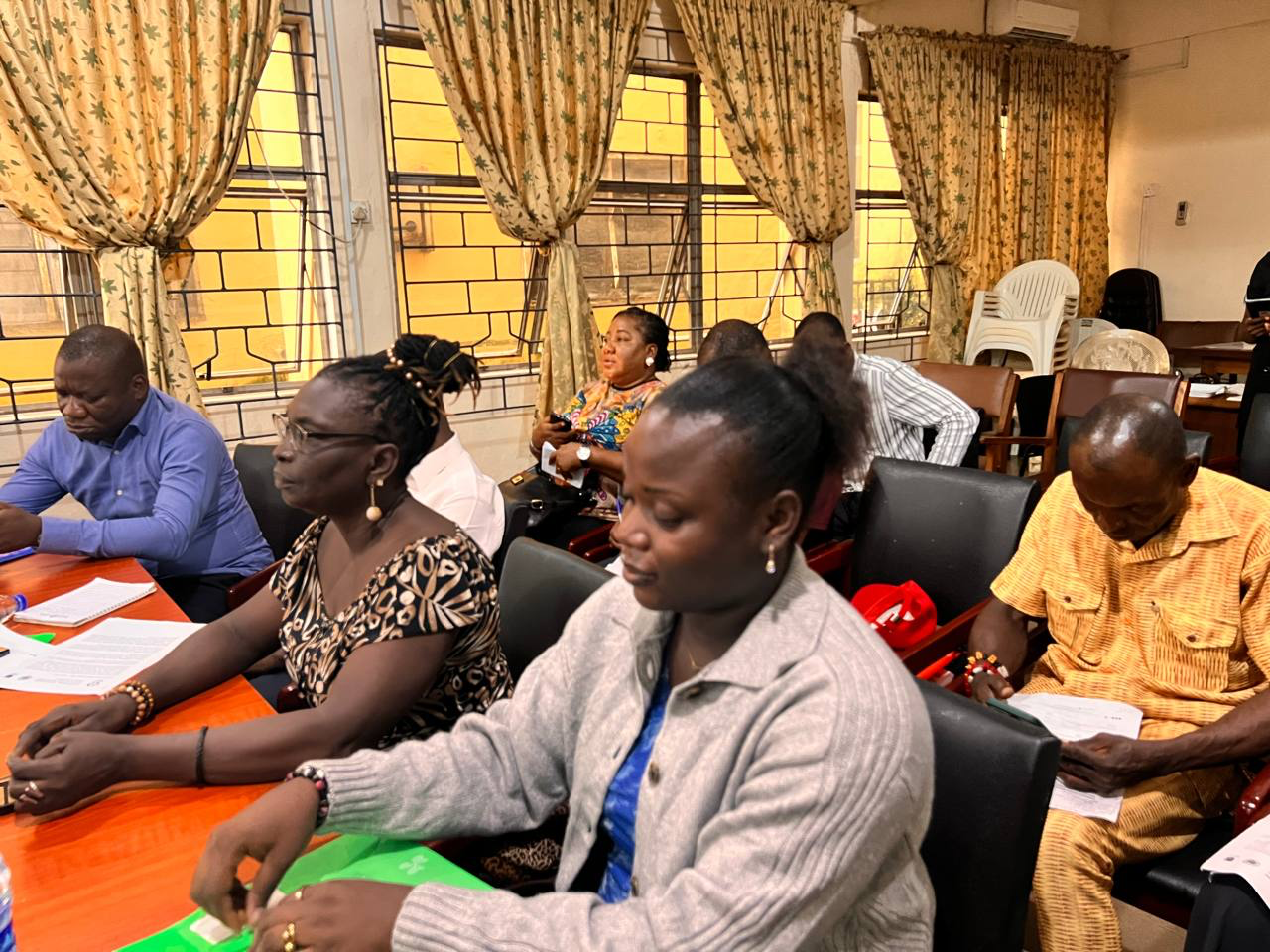
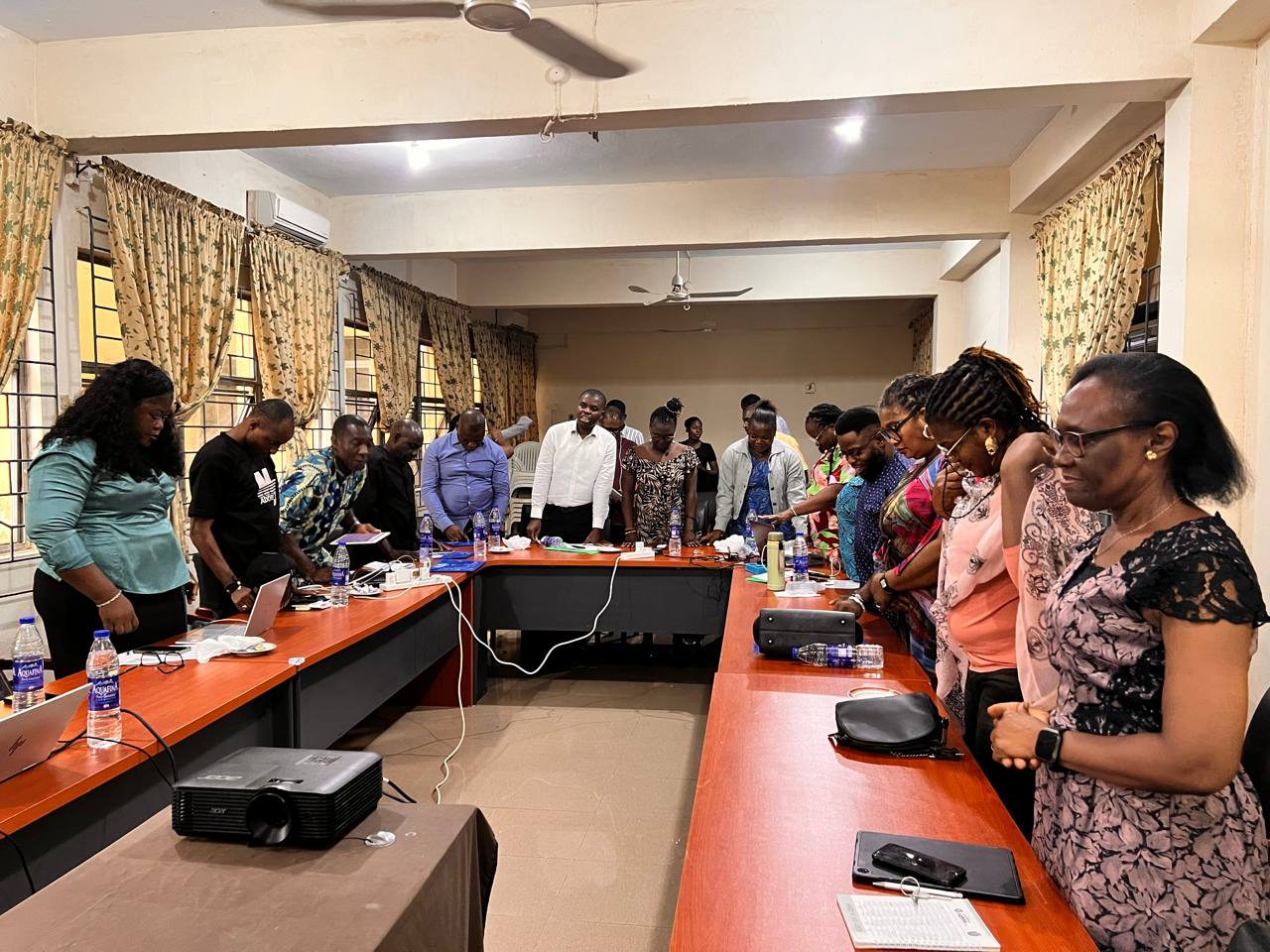
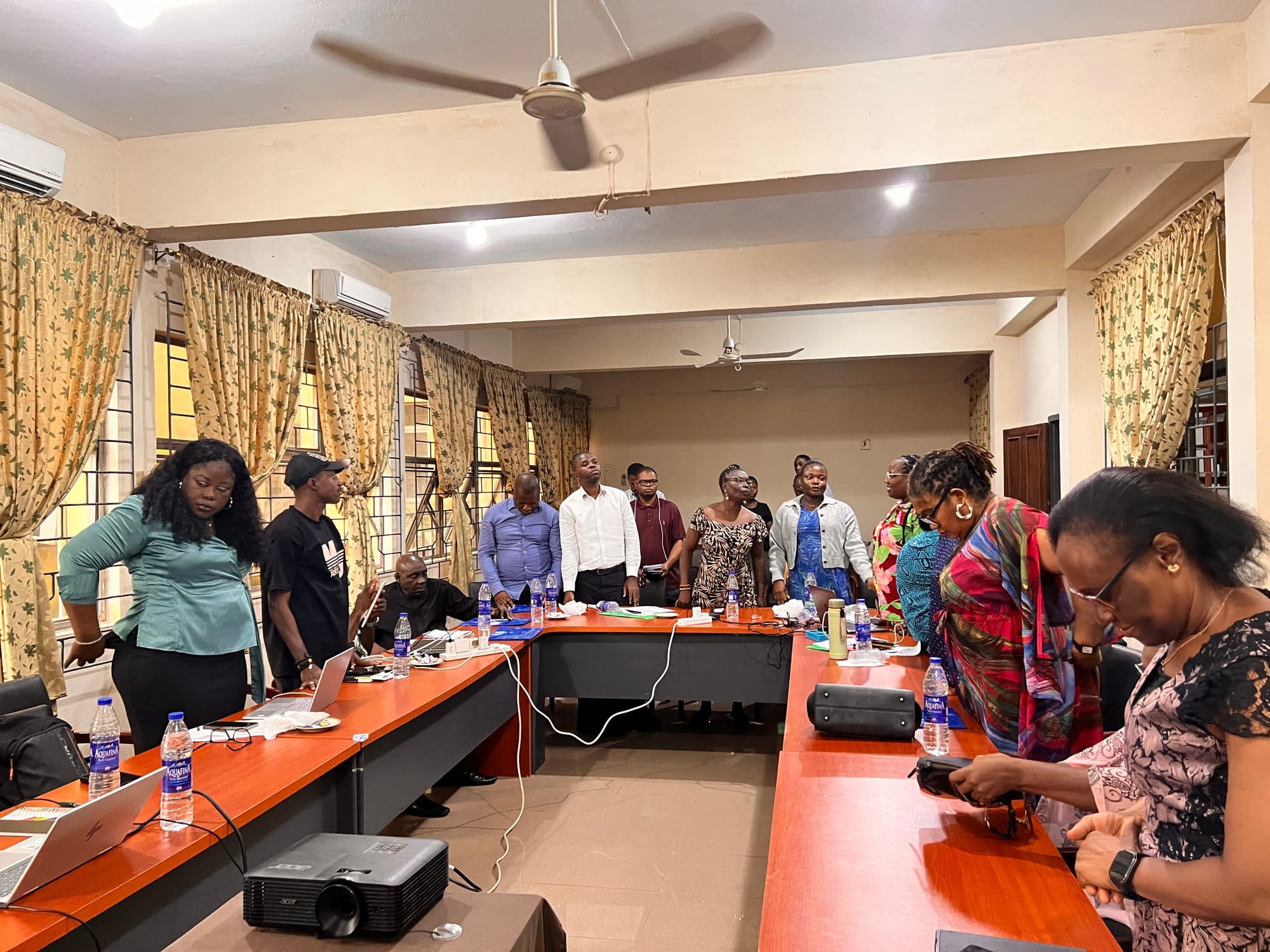
The training, held during a media roundtable in Calabar, focused on equipping journalists with the skills to access, interpret, critique and responsibly report scientific evidence, particularly systematic reviews, to improve public understanding of health issues and support informed decision-making.
Cochrane is an independent international organisation that produces high-quality evidence to guide healthcare decisions. Rather than conducting new medical experiments, it systematically gathers, evaluates and synthesises findings from existing high-quality research to determine the effectiveness of medical treatments and public health interventions.
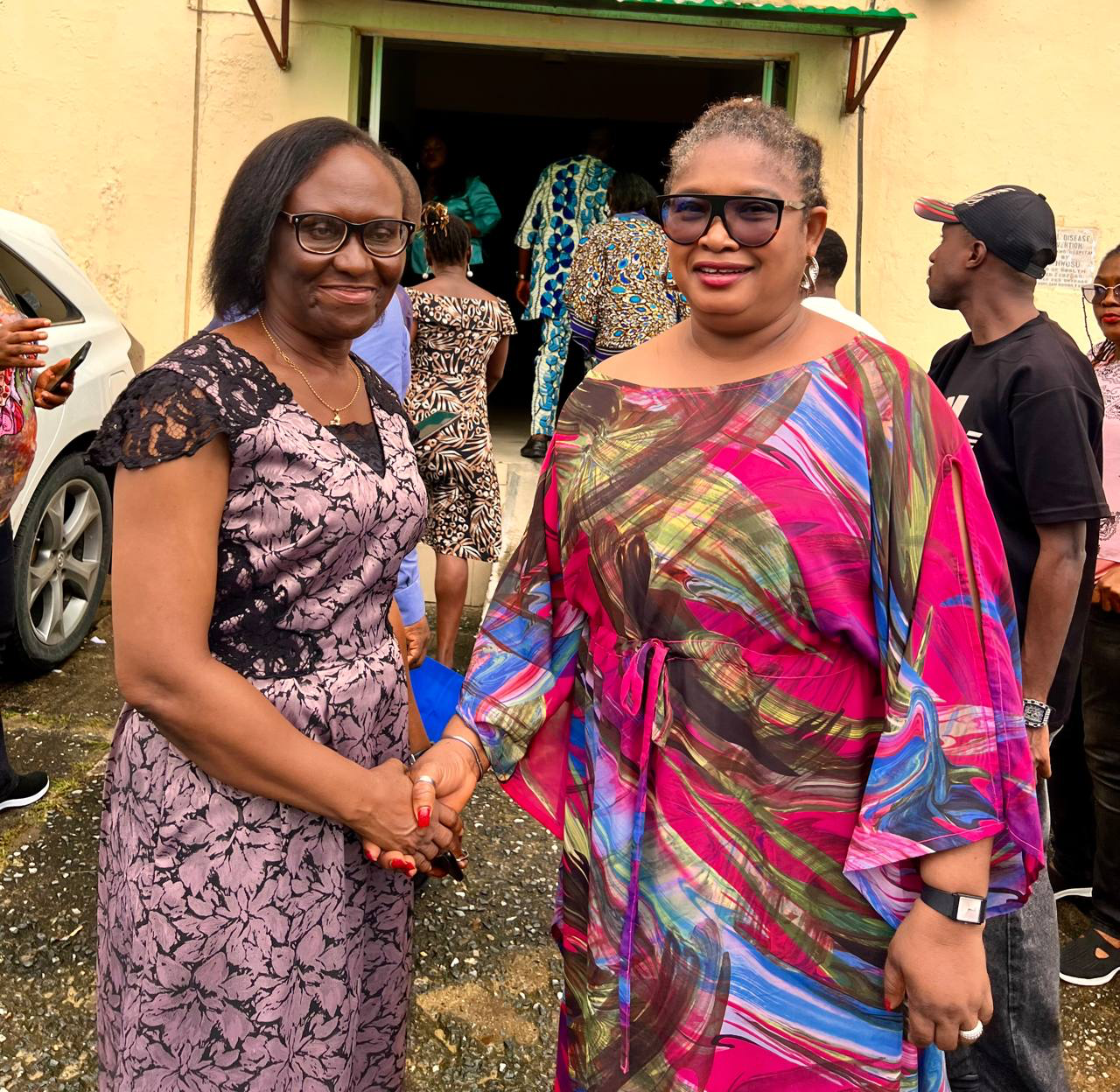
Speaking at the Tropical Diseases Research Centre, the Director of Cochrane Nigeria and former Cross River State Commissioner for Health, Prof. Angela Oyo-Ita, described evidence-based healthcare as the conscientious use of the best available evidence, combined with professional expertise and the needs of patients, to guide healthcare decisions.
She explained that evidence-based practice requires asking the right questions, identifying credible sources, critically appraising available evidence, understanding systematic reviews, recognising potential bias in studies, assessing confidence in research findings and determining how applicable those findings are to specific populations before making informed decisions.
According to Oyo-Ita, the growing volume of health information published daily makes it imperative to synthesise scientific evidence into clear, reliable and accessible summaries that can guide clinicians, policymakers, journalists and the public on the most effective healthcare interventions.
She stressed that Cochrane’s systematic reviews simplify complex scientific evidence, making it easier for non-specialists to understand research findings while promoting transparency, accountability and informed public discourse on health issues.
A facilitator, Prof. Ifeanyichukwu Ezebialu, clarified that evidence-based medicine does not replace clinical experience or professional judgement. Rather, he explained, it integrates the best available research evidence with clinical expertise and patients’ values to support sound medical decisions.
Senior Research Officer, Dr. Dachi Arikpo, described systematic reviews as Cochrane’s flagship product, explaining that they involve rigorous methods to identify all relevant studies on a particular health question, assess their quality, combine findings where appropriate and clearly explain what the evidence means for healthcare practice.
In his presentation on the Cochrane Library, PubMed and Evidence-Based Resources, Associate Director of Cochrane Nigeria and Head of the Department of Public Health, Dr. Ekpereonne Esu, introduced participants to the PICOS framework, Participants, Intervention, Comparison, Outcomes and Study Design, as a standard approach for developing effective literature search strategies. He also highlighted the Cochrane Library as a leading online repository of independent, high-quality evidence for healthcare decision-making.
Also speaking, Senior Research Officer, Dr. Morian Chibuzor, underscored the critical role of responsible health journalism in shaping public behaviour, strengthening confidence in health systems and encouraging positive health-seeking practices. He warned that inaccurate reporting could fuel misinformation, create unnecessary panic, promote false hope, increase vaccine hesitancy and ultimately waste scarce healthcare resources.
The interactive roundtable concluded with expert presentations on the environmental drivers of Lassa fever, further broadening participants’ understanding of emerging public health challenges and reinforcing the media’s role in promoting evidence-based health communication.


By Kingsley Agim