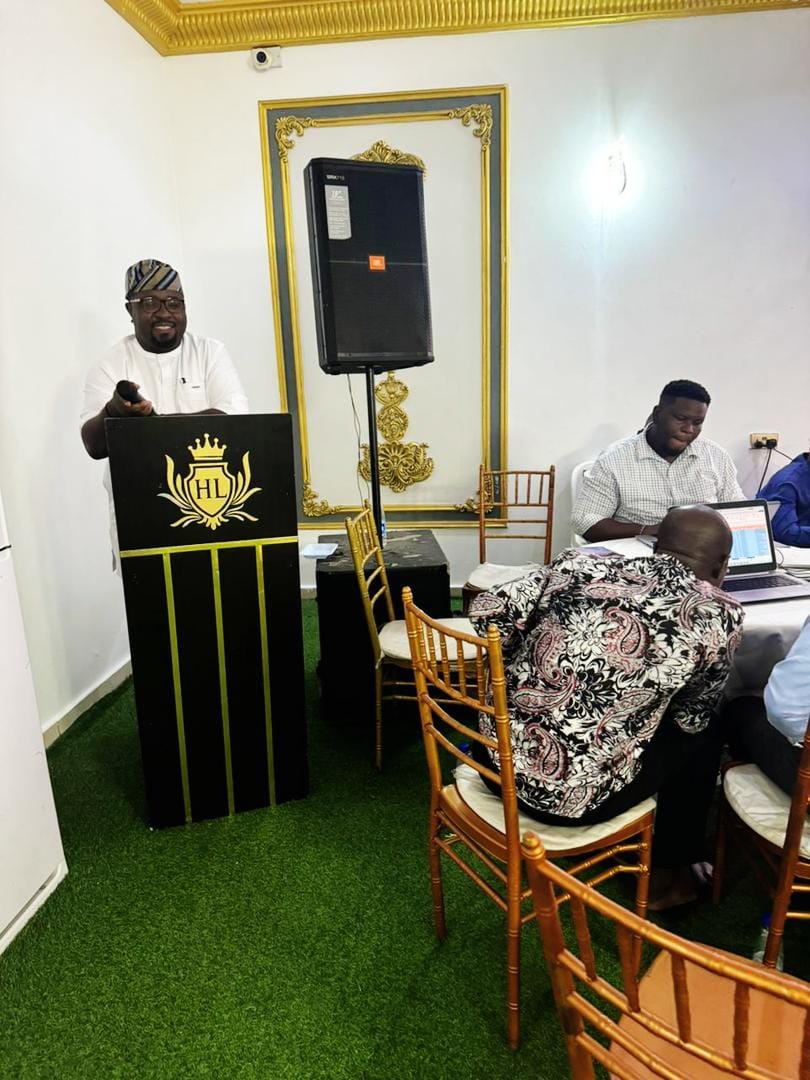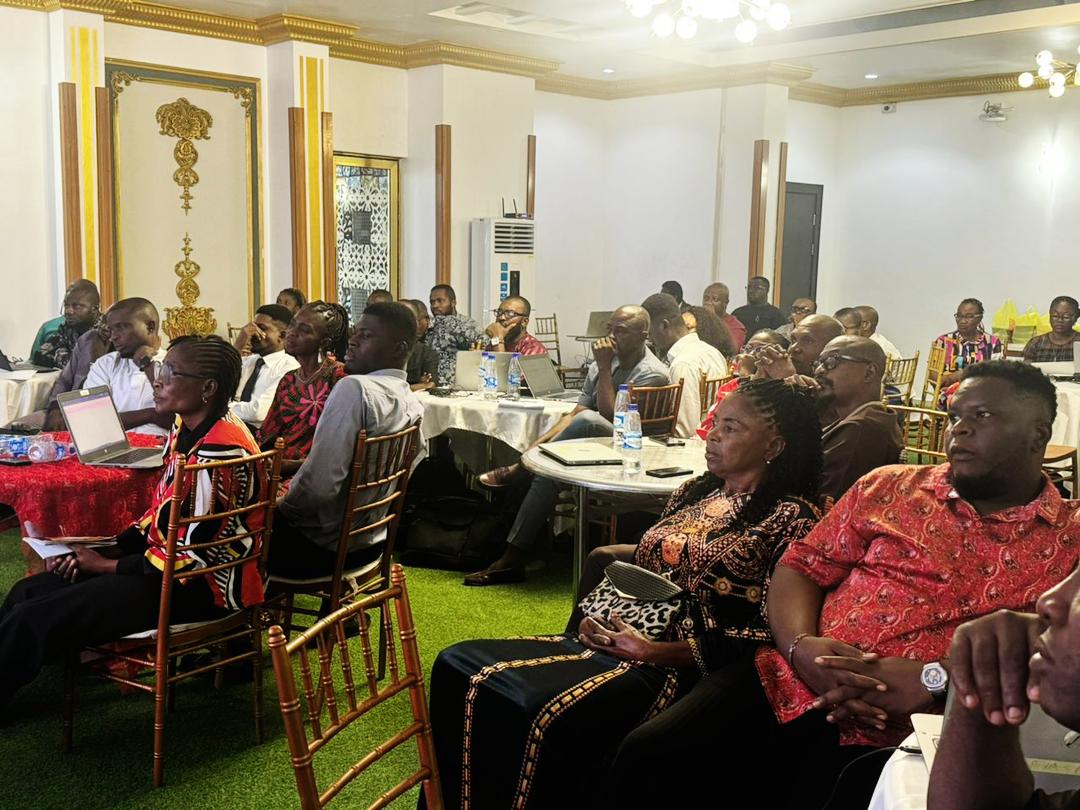
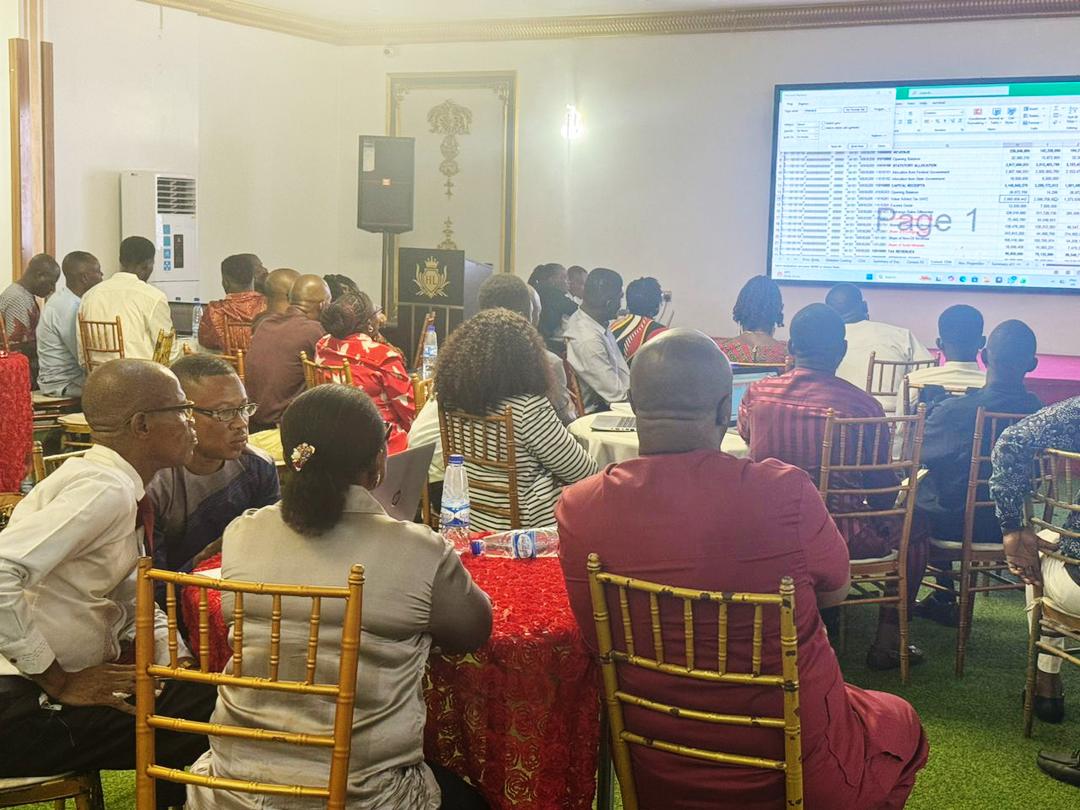
The Cross River State Government has commenced a major reform process aimed at strengthening transparency, accountability, and efficiency in public finance management across its 18 local government councils, with the domestication of the 52-digit National Chart of Accounts (NCoA) in line with International Public Sector Accounting Standards (IPSAS).
The initiative, coordinated by the State Department of Budget, Monitoring and Evaluation, began with a five-day walkthrough session for budget officers from all local government councils, holding from February 9 to 13, 2026, at Hogis Luxury Hotel, Calabar, with sessions running daily from 9:00 a.m.
The exercise is designed to assist local governments to migrate their budgets from the old 36-digit accounting format to the more detailed 52-digit National Chart of Accounts, a reform expected to significantly improve clarity in budgeting, revenue tracking, and expenditure reporting at the grassroots level.
Speaking during the session, the Special Adviser to the Governor on Budget, Mr. Otu Otu-Ita, explained that Cross River State has already transitioned to Accrual Accounting and is currently among the leading states in Nigeria in terms of IPSAS compliance.
According to him, all financial transactions carried out by the state’s Finance and Accounts Departments are now required to strictly align with the 52-digit National Chart of Accounts, making it imperative for local governments to fully adopt the same framework.
He noted that the February engagement with the councils is focused on domesticating the new accounting system to enable local governments to accurately capture, classify, and report their revenue inflows and expenditures.
“For several years, the state government has consistently organised capacity-building programmes for local government personnel to improve financial reporting and accountability. However, this exercise marks a critical milestone towards full IPSAS compliance at the local government level,” Otu-Ita said.
He explained that the 52-digit Chart of Accounts provides deeper and more precise budget details, covering functional purpose, economic classification, administrative structure, project location, and sources of funding.
“For example, a project will no longer be vaguely captured as ‘road construction in Akamkpa.’ It will now specify the exact communities, such as Mfamosing, Oyanga, or Uwet, and clearly indicate whether funding is coming from the federal government, the state government, donor agencies, or community contributions,” he explained.
According to him, the new framework will make budget documents simpler, clearer, and more accessible to citizens, allowing them to easily track how projects are distributed across political wards and villages, as well as the benefits accruing to their communities.
He added that the transition would also ease the work of finance and accounts officers by improving the accuracy, consistency, and efficiency of income and expenditure reporting.
The Special Adviser expressed optimism that the reform would promote equitable project distribution, enhance public confidence in local governance, and ensure that the impact of public spending is clearly defined and measurable at the grassroots.
Kingsley Agim