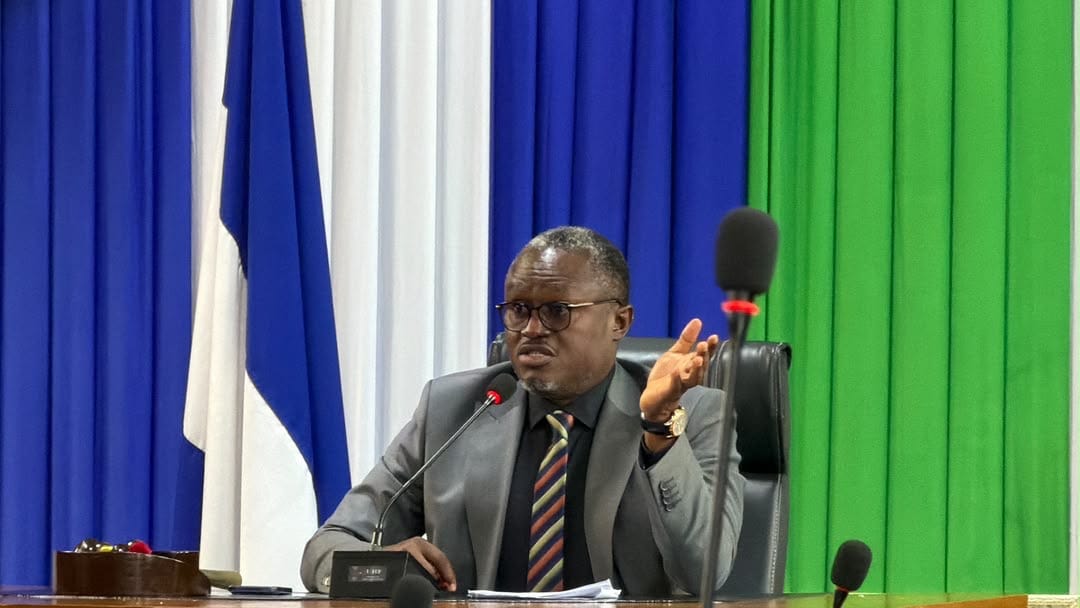


The Cross River State Government has intensified efforts to strengthen accountability, digitalisation and effective service delivery in the education sector, with the introduction of a Student Identification Number for every learner in public schools across the State.
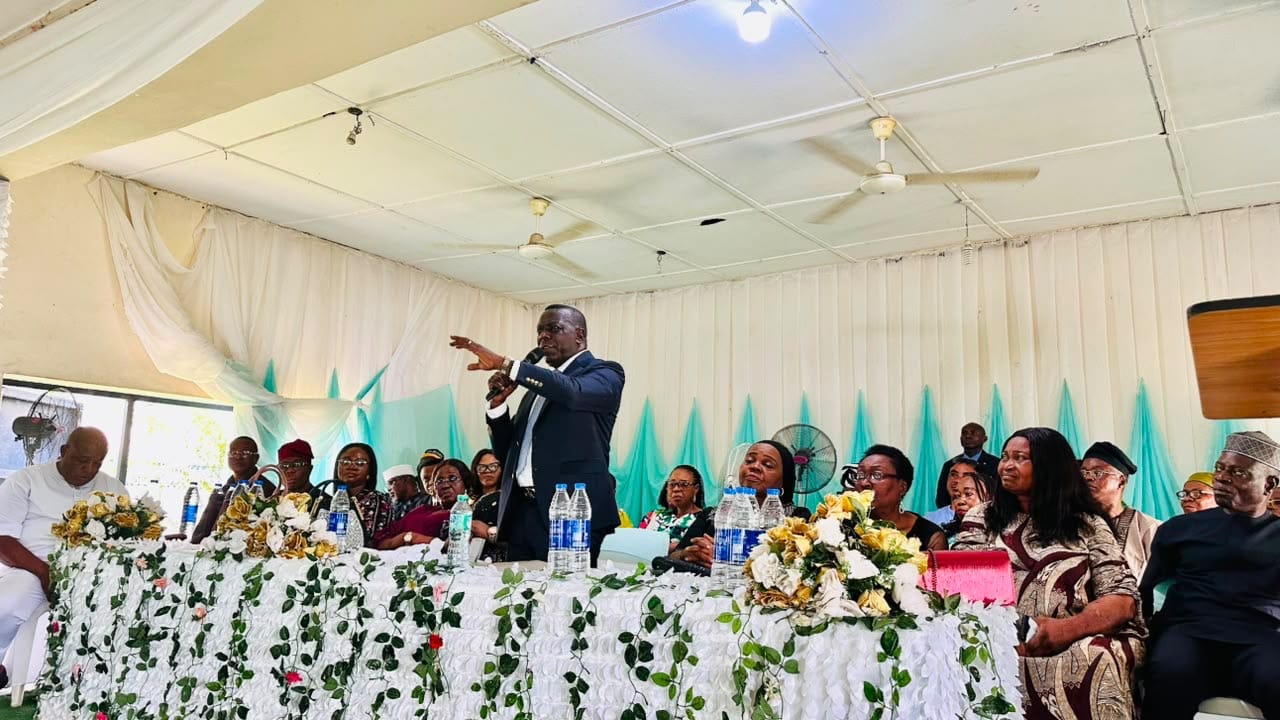
The Commissioner for Education, Senator Professor Stephen Odey, disclosed this during a recent pre-resumption stakeholders’ meeting with principals and head teachers in the Southern Educational Zone, held at the West African People’s Institute, Calabar.
Odey explained that the identification number would remain with each learner throughout their educational journey in the State, including when a student transfers from one school to another. He said the initiative would improve student tracking, strengthen education planning and eliminate discrepancies in school enrolment figures.
The Commissioner also disclosed that the Ministry had secured the approved revised curricula from the Nigerian Educational Research and Development Council (NERDC) for the 2026/2027 academic session, warning schools against the use of unauthorised curriculum materials.
He reiterated the government’s directive that only approved textbooks must be used in public schools, urging principals and head teachers to obtain the official textbook list before recommending books to students or parents.
Ahead of the September 14 resumption date, Odey directed school administrators to ensure that their schools were clean, safe and conducive for learning, stressing that teaching must commence immediately on the first day of the new academic session, irrespective of the number of pupils or students present.
He charged principals and head teachers to embrace professionalism, accountability and effective service delivery, while continuously upgrading their knowledge, administrative competence and digital skills to meet the changing demands of education.
The Commissioner commended education managers for their role in the successful conduct and prompt release of the state’s examination results, including the Primary Six Placement Examination, Basic Education Certificate Examination (BECE) and SS II Mock Examination.
He noted that the digitalisation of examination processes had significantly improved access to results, enabling students to check their results online without travelling to Calabar. He added that the Ministry was working towards further innovations that would enable students to download their certificates online after the release of results.
Odey, however, cautioned school administrators against late examination registration and errors in students’ registration and continuous assessment records, directing them to take greater responsibility for the accuracy of digital records.
On teachers’ welfare, the Commissioner said the state government had prioritised the payment of outstanding salaries and implementation of approved promotions, urging school administrators to reciprocate the gesture by ensuring that teachers were present in school and students received quality instruction.
He warned administrators against shielding absentee teachers, stressing that those who protected teachers who collected salaries without reporting for duty would face disciplinary action.
Odey further directed school administrators to promptly report cases of encroachment or trespass on school lands, as well as other challenges affecting their schools, through the appropriate education boards for necessary intervention.
He called on education secretaries, coordinating directors, board chairmen, executive secretaries and other stakeholders to work collectively towards achieving the administration’s education objectives.
The Commissioner commended Governor Bassey Edet Otu for his continued commitment to the development of the education sector, noting that the State had recorded progress in infrastructure, digitalisation, examination administration, teacher welfare and other areas of educational development.
Odey stressed that transforming the education sector was a collective responsibility, urging school administrators to justify the confidence reposed in them by the government through discipline, integrity, accountability and commitment to duty.
He assured stakeholders that the Ministry would sustain its monitoring of schools through scheduled and unscheduled visits to ensure compliance with government policies, identify gaps and provide timely interventions, stressing that the ultimate goal was to create better learning environments and improve educational outcomes for children across Cross River State.







By Patricia Ogbeche