
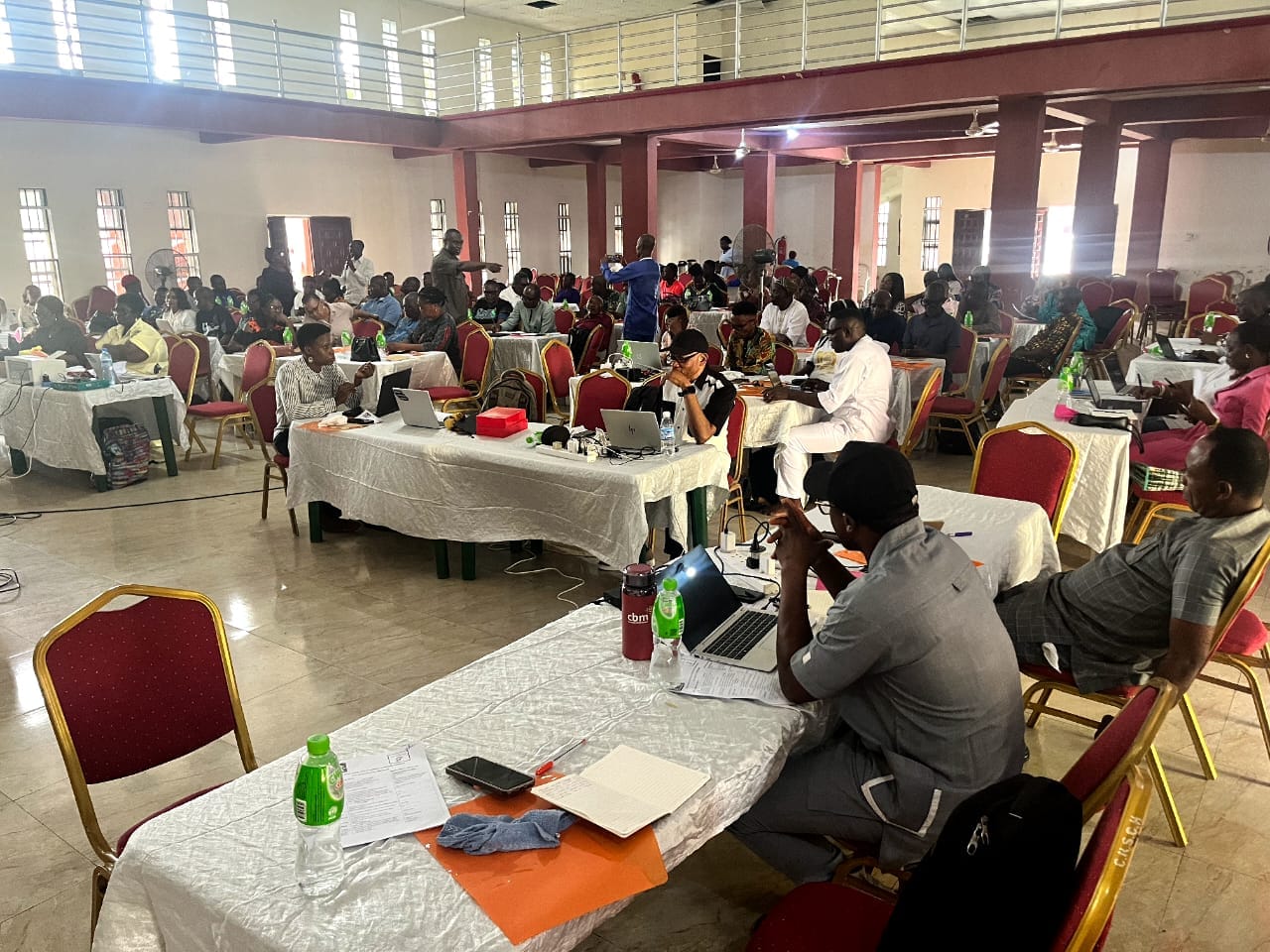
The Cross River State Government has ratified its 2026 Strategic Workplan for Neglected Tropical Diseases (NTDs), marking a decisive transition from disease control to a full-scale elimination agenda in line with global public health targets.
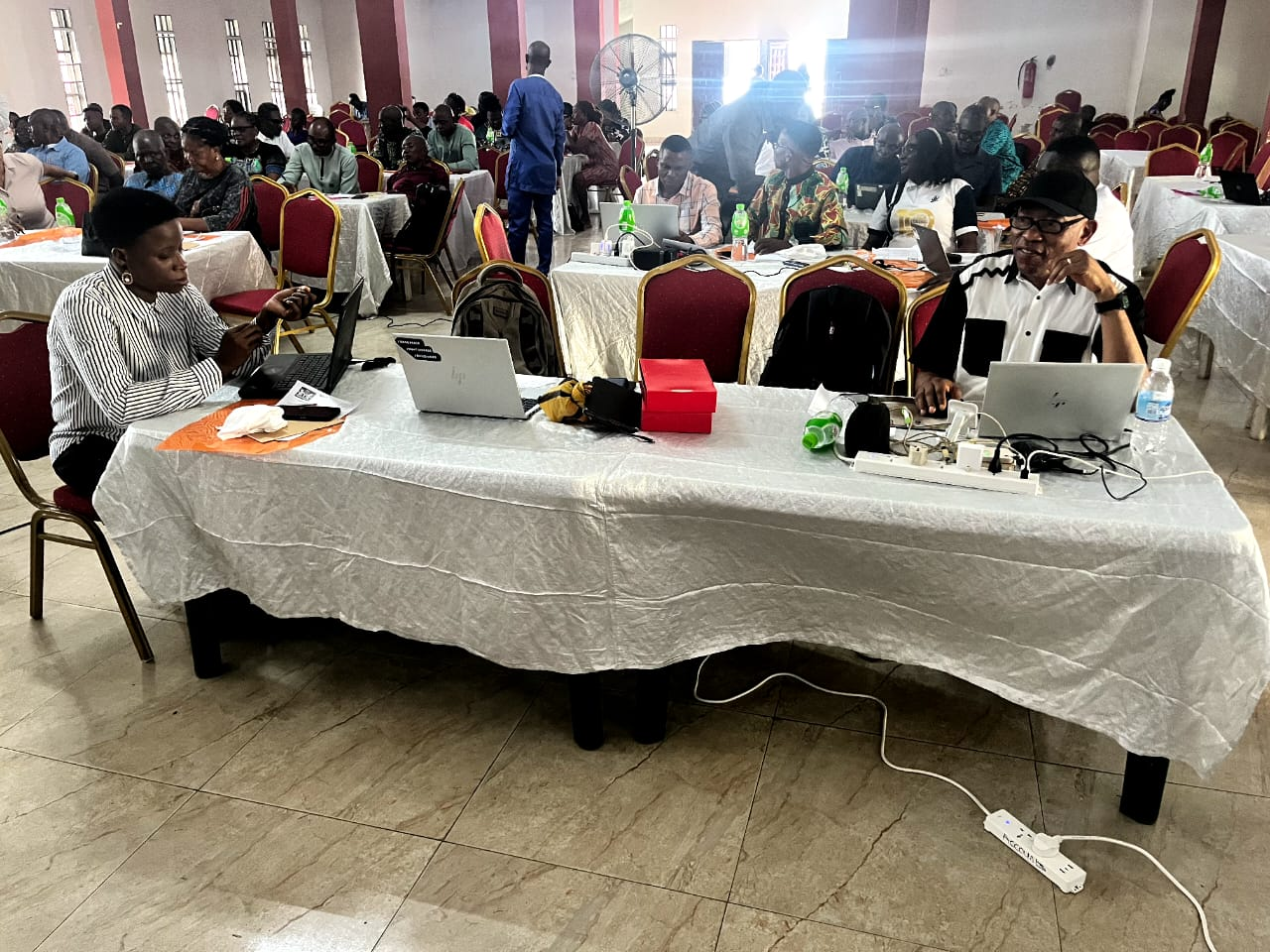
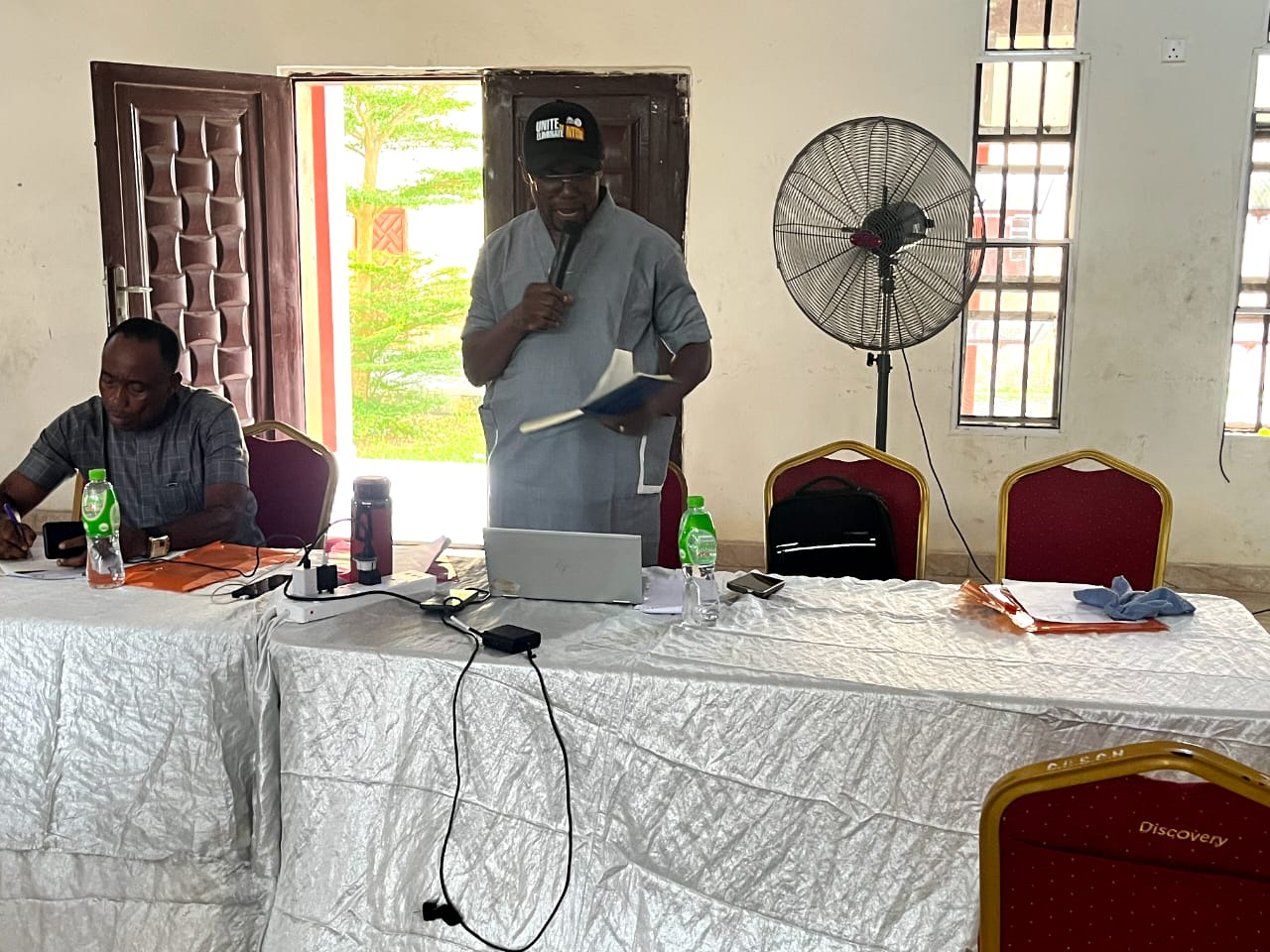
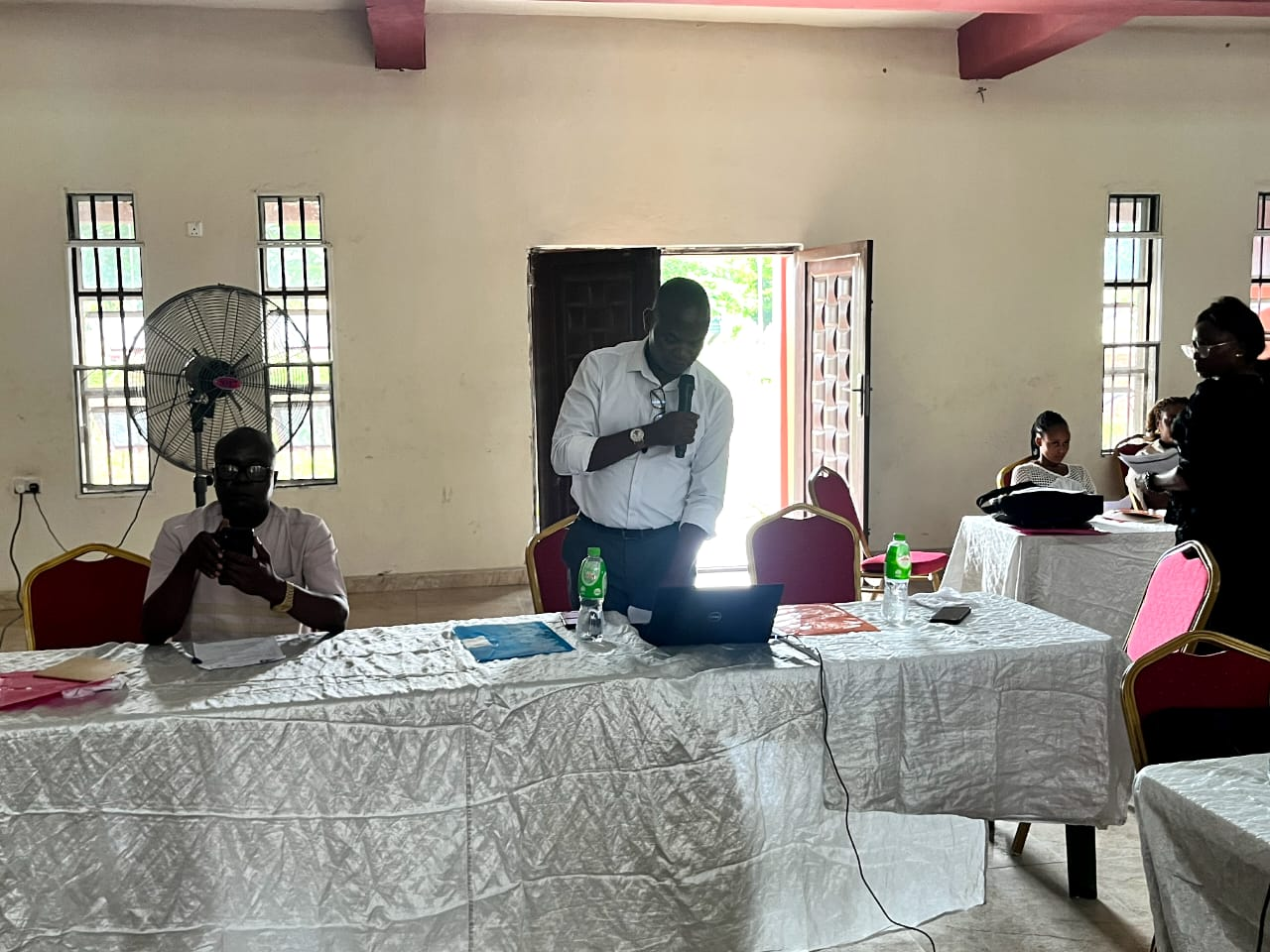
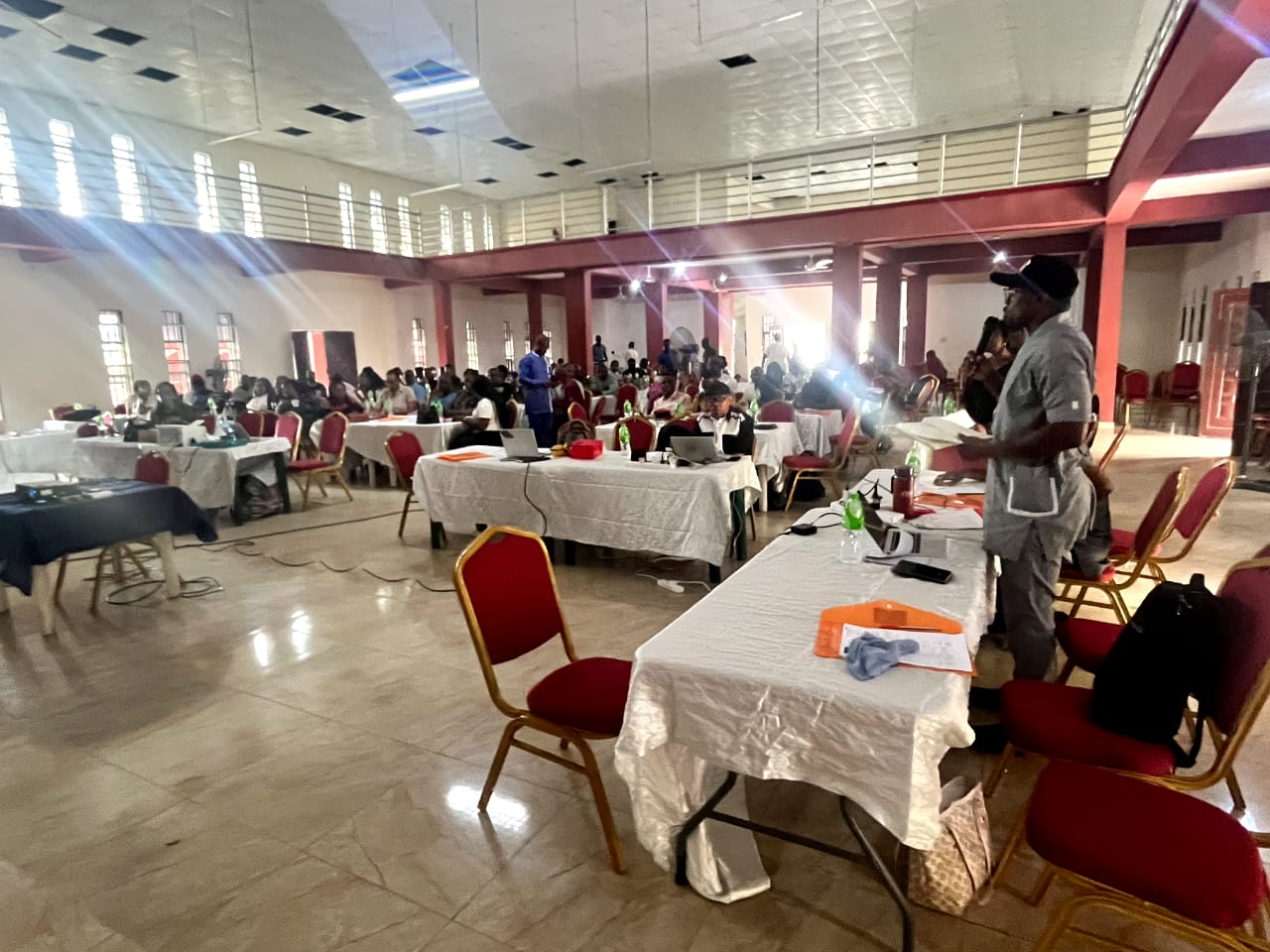
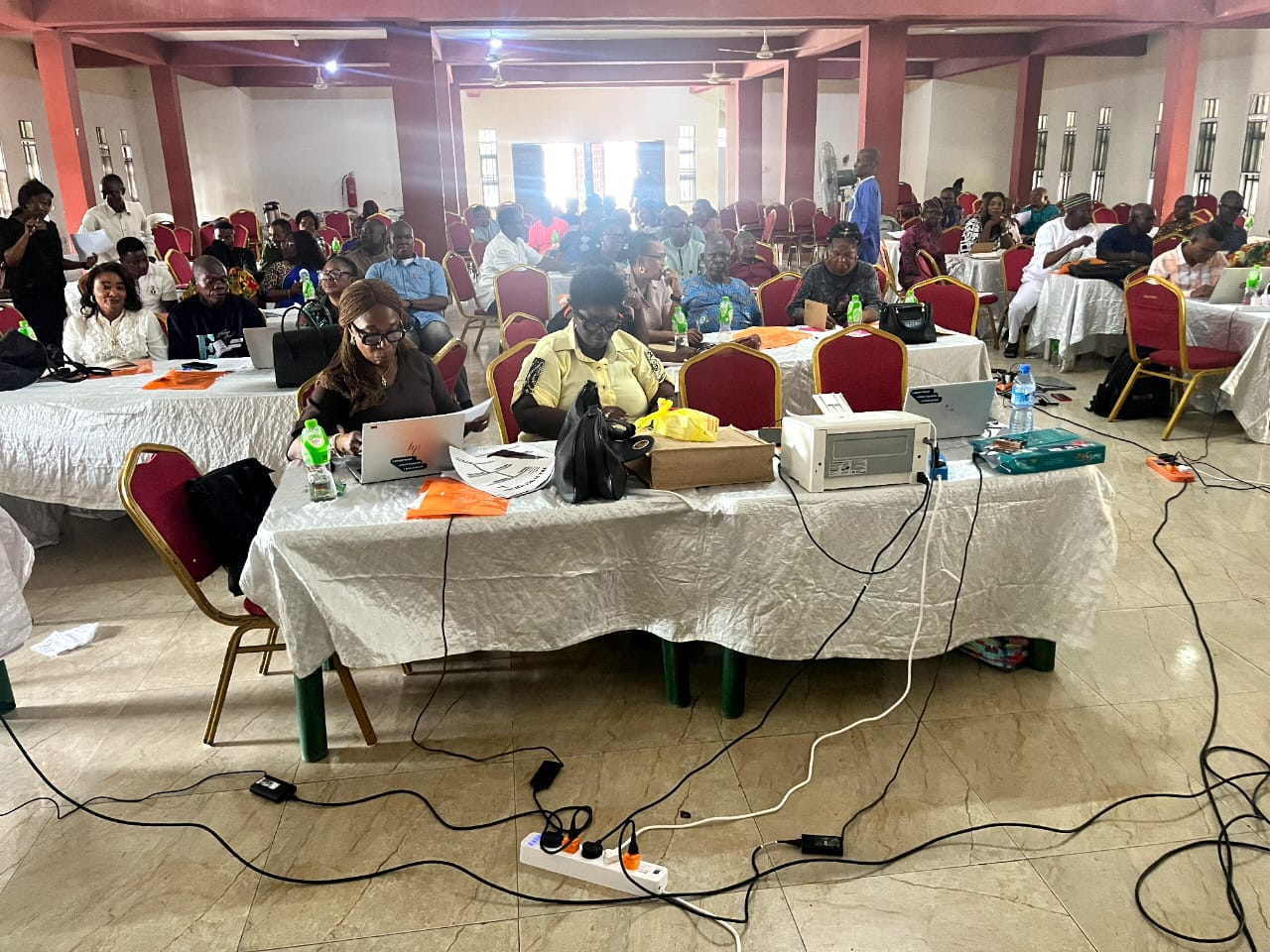
The milestone was reached during a high-level stakeholders’ meeting held on April 15, 2026, at the University of Calabar Chapel of Redemption. The event also served to recognize individuals who have demonstrated outstanding commitment to NTD programmes at the community, local government, and state levels.
Central to the 2026 roadmap is the deployment of advanced digital tools to strengthen programme delivery and oversight. The state will leverage high-resolution satellite imagery and real-time monitoring systems to ensure that all settlements, including hard-to-reach and previously undocumented communities, are captured and provided with treatment.
Speaking at the meeting, the South-South Zonal Coordinator for NTDs, Dr. Christopher Odueze, who represented the National Coordinator, described Cross River as being on the brink of a historic public health achievement. He stressed the importance of strong executive backing to drive the final phase of elimination.
“We are at a stage where we must bid onchocerciasis farewell. This transition to an elimination agenda requires the full endorsement of the state’s First Citizen to authorize the final push,” he said.
Dr. Odueze also underscored the need for strict accountability in the management of medical supplies, directing that any Local Government Area recording losses of high-value drugs must provide a formal Police Report and a sworn affidavit.
Providing technical insight, The Carter Centre (TCC) Director for the South-East and South-South, Dr. Emmanuel Emukah, delivered a virtual presentation alongside James McKinnon and the Expanded Special Project for Elimination of NTDs (ESPEN) technical team. The session highlighted the integration of the ESPEN Geospatial Microplanner, a digital tool that uses satellite mapping to identify underserved populations, including those in forest reserves and mountainous areas.
“The app allows us to identify settlements we didn’t even know existed. We can now drop a digital point and ensure these communities receive care,” Dr. Emukah explained, adding that a real-time dashboard, updated daily, will enable rapid response and logistical support for field teams.
In his remarks, the State NTD Coordinator, Mr. Godwin Omeji, revealed that the 2026 budget includes a ₦25 million allocation for the training of nearly 1,000 health workers on the DHIS2 digital platform to enhance data management and reporting.
He further disclosed that 130 hydrocele surgeries have been targeted in Ogoja and Obubra Local Government Areas as part of efforts to address disease-related complications and improve quality of life for affected individuals.
Omeji emphasized that the success of the elimination strategy will depend on comprehensive planning and effective communication, noting that all available channels will be deployed to drive awareness and ensure widespread participation across the state.
The meeting drew participation from stakeholders, including officials from the State Ministry of Health, the Primary Health Care Development Agency, and development partners such as The Carter Center, Helen Keller International, UNICEF, Evidence Action, and Nigeria Health Watch.
In support of the new strategy, UNICEF and other partners have committed over ₦30 million towards the integration of Water, Sanitation, and Hygiene (WASH) interventions in Ogoja, with the goal of achieving Open Defecation Free status and breaking the cycle of NTD transmission.
Kingsley Agim and Jessica Ubi