

Cross River State has recorded a significant improvement in exclusive breastfeeding, with the rate rising from seven per cent in 2021 to 22 per cent in 2024, even as the United Nations Children’s Fund (UNICEF) urged mothers and caregivers to exclusively breastfeed their babies for the first six months of life to improve child survival and development.
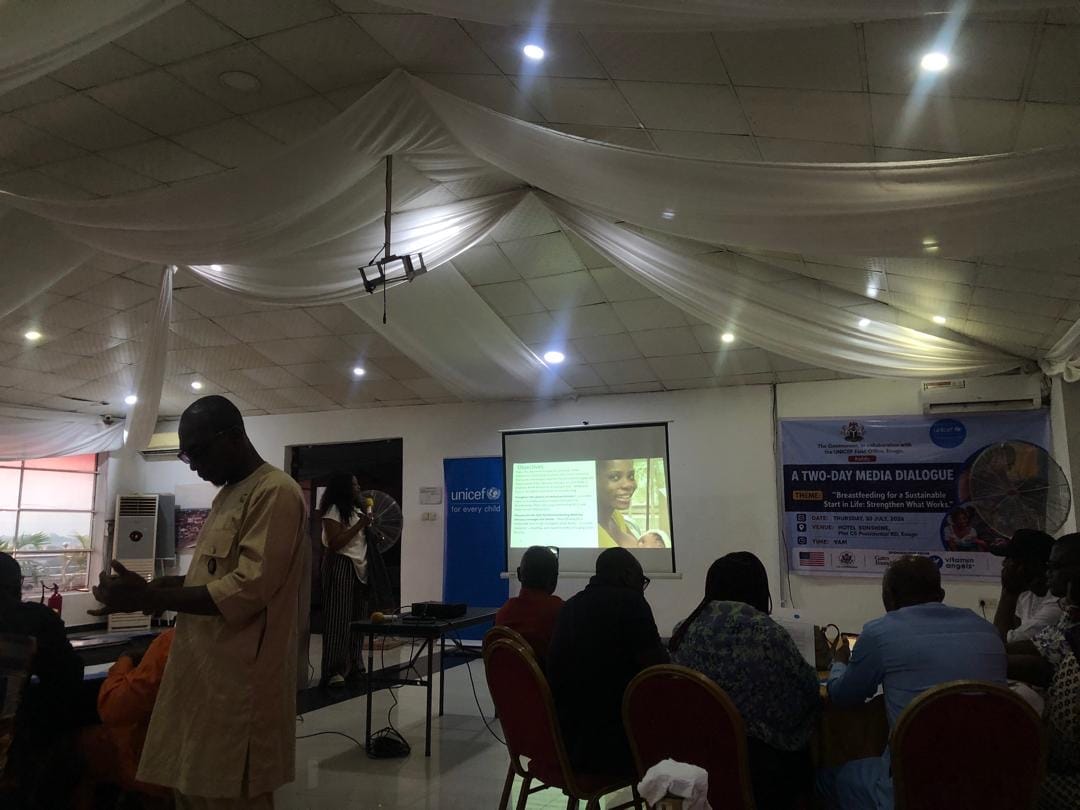
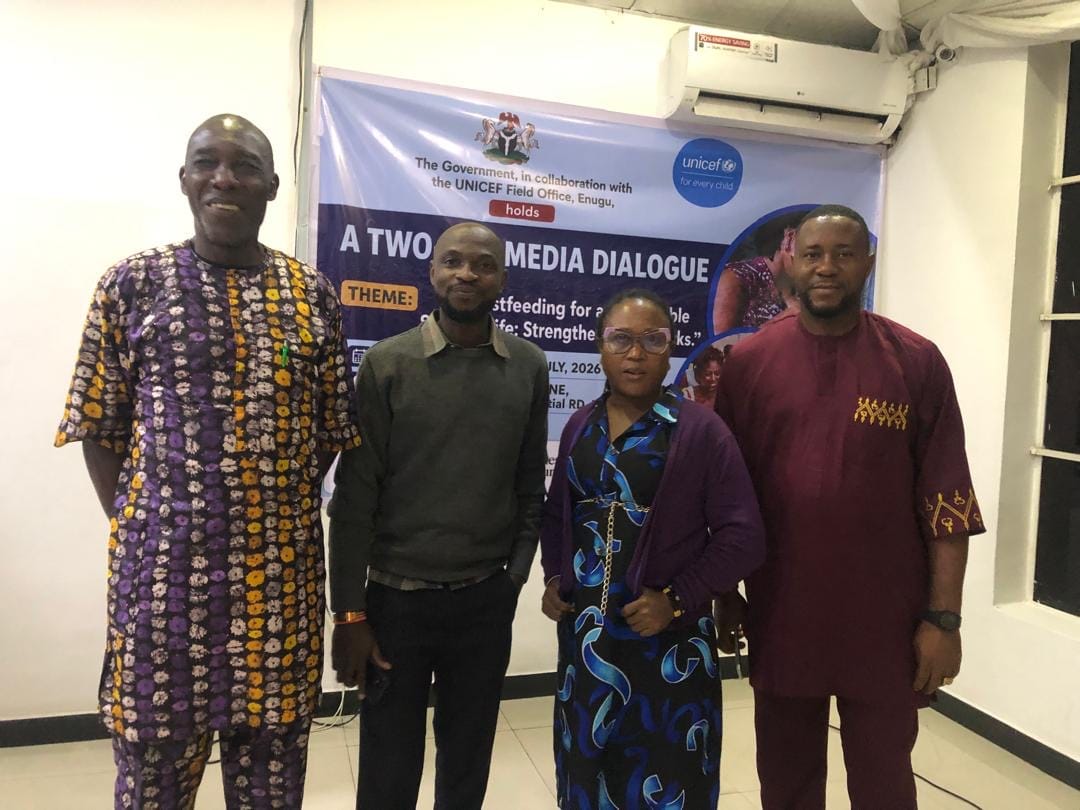
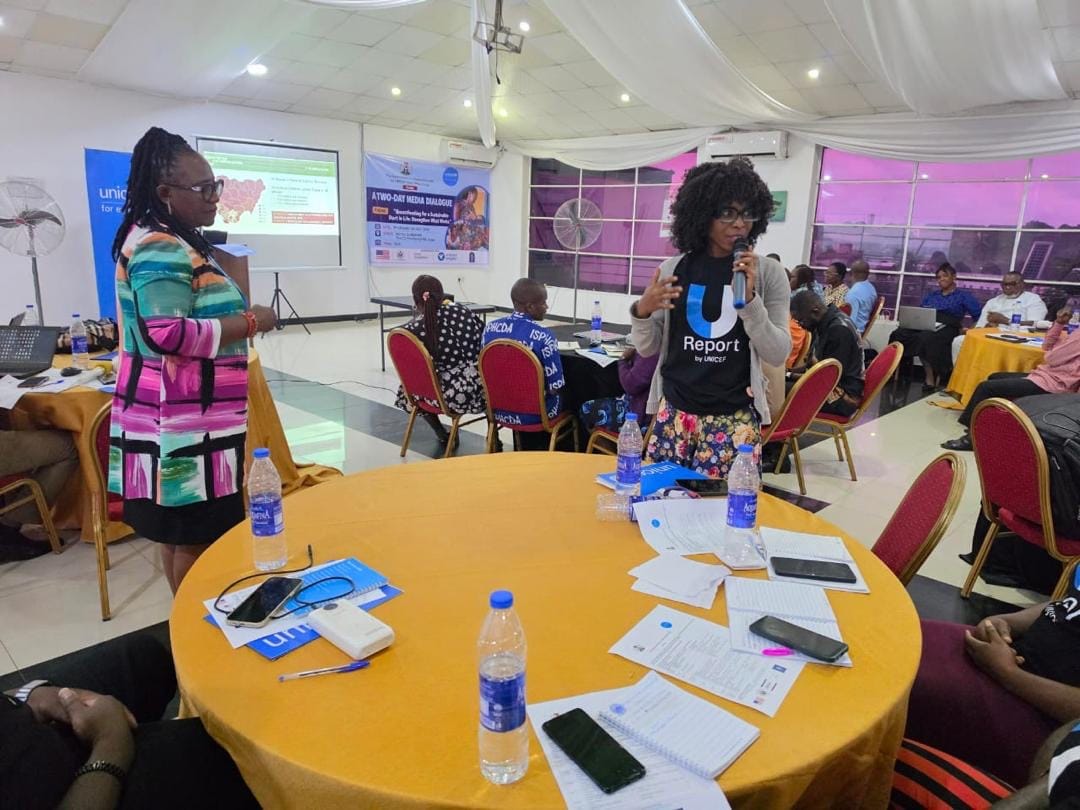
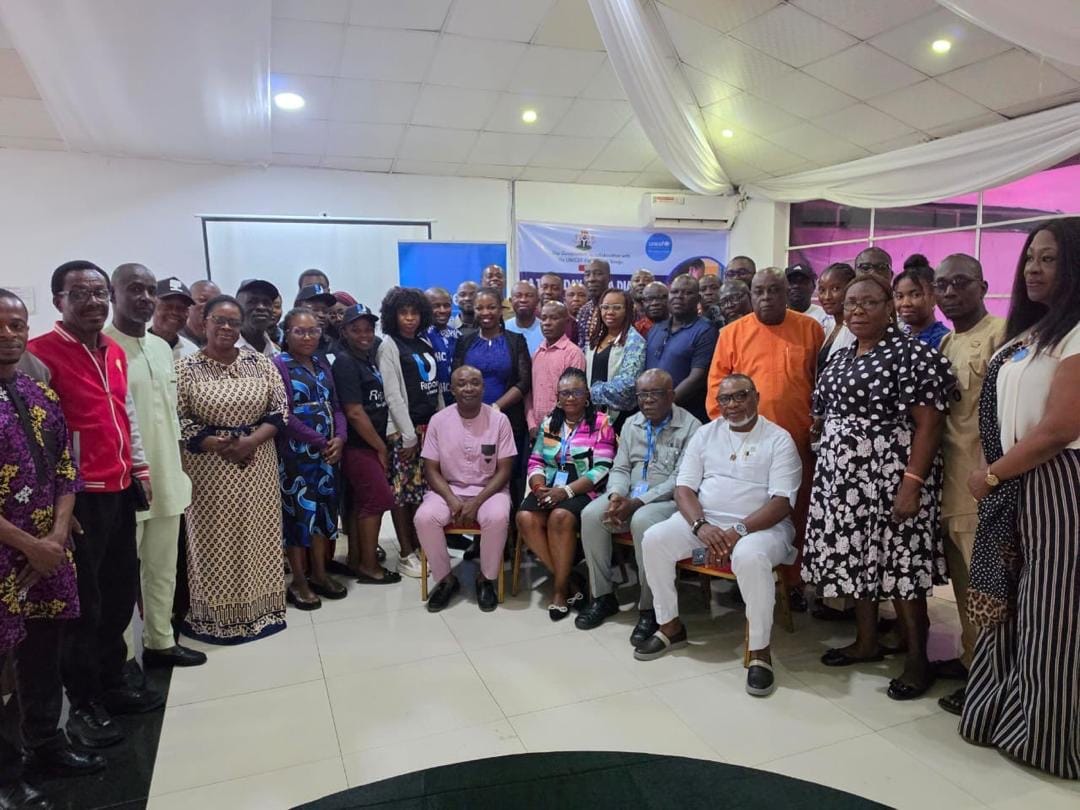
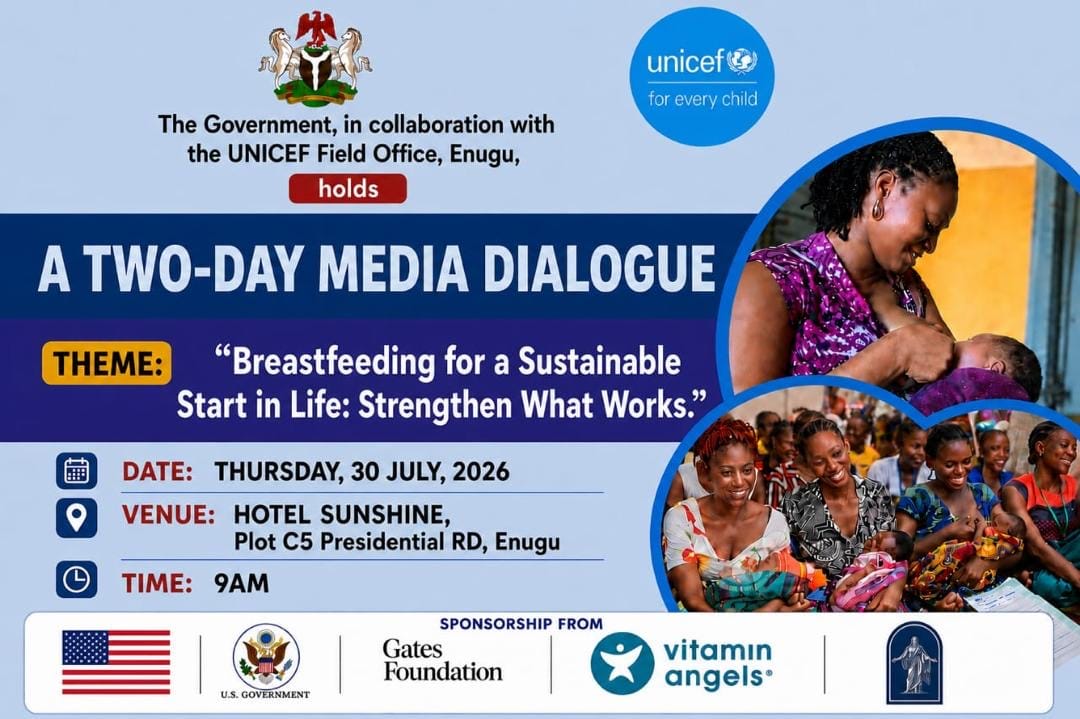
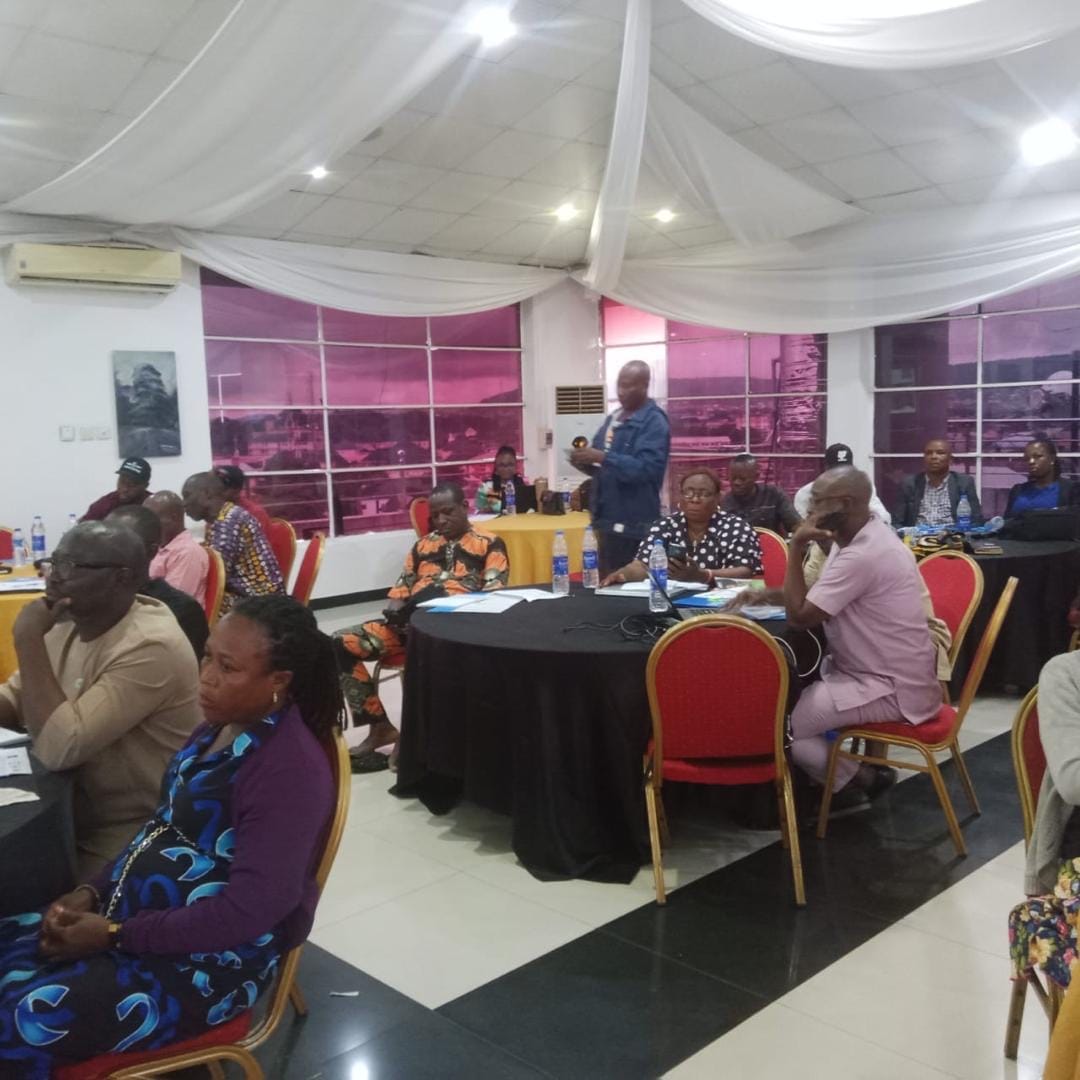
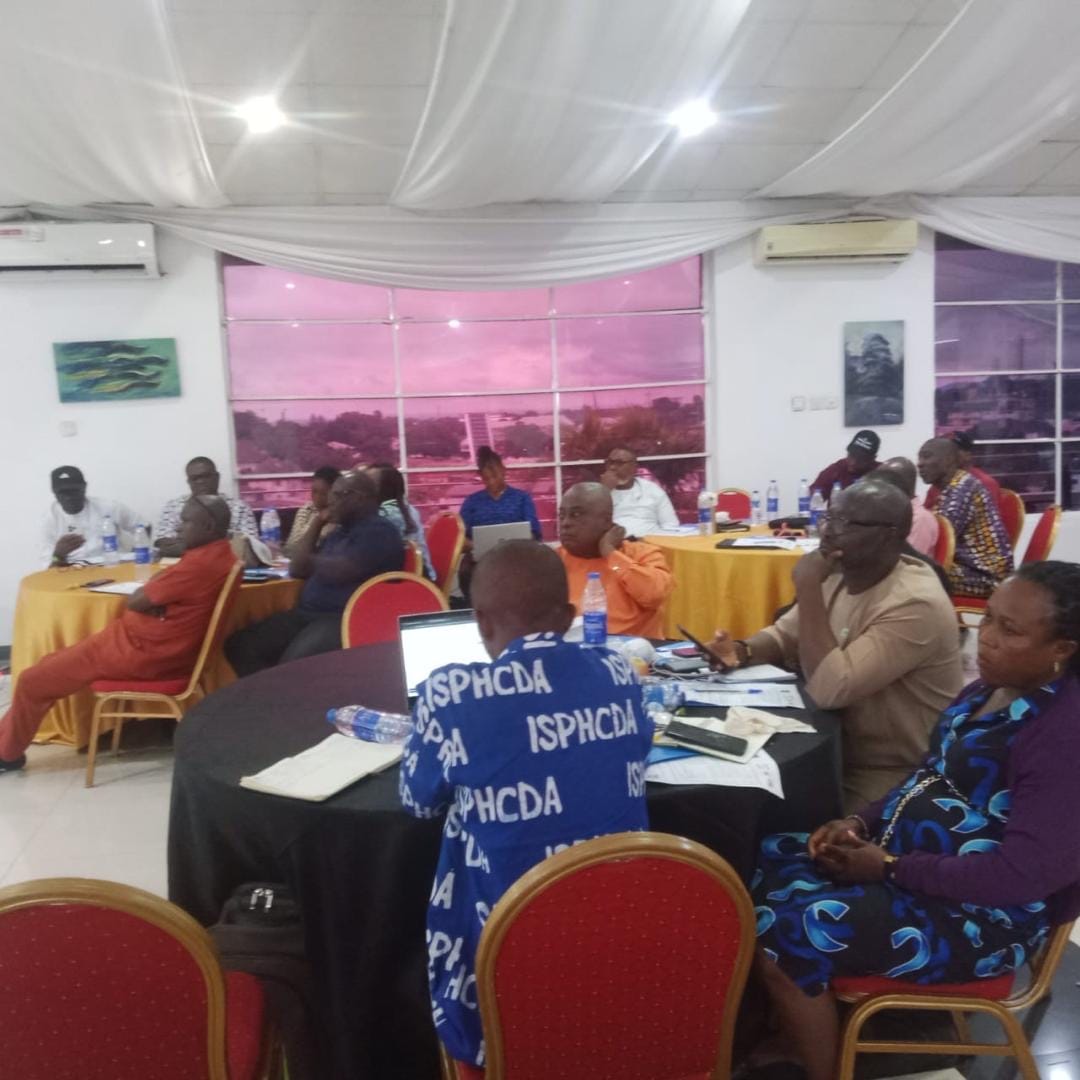
The development was disclosed during a two-day Media Dialogue on Breastfeeding Advocacy held in Enugu ahead of the 2026 World Breastfeeding Week, where journalists from Cross River, Benue, Enugu and Imo states were mobilised to strengthen public awareness on the importance of exclusive breastfeeding.
Presenting data on child nutrition in Nigeria, UNICEF Nutrition Specialist, Dr. Ngozi Onuora, said although Cross River had made commendable progress, exclusive breastfeeding rates across many states remain low, ranging between 15 and 17 per cent. She attributed the slow progress to poor family support, misinformation, workplace challenges, aggressive marketing of breast milk substitutes and inadequate counselling for nursing mothers.
Dr. Onuora reaffirmed the recommendations of the World Health Organization (WHO) and UNICEF that every newborn should be put to the breast within one hour after birth, be exclusively breastfed for the first six months without water or any other food, and continue breastfeeding alongside complementary feeding up to two years of age or beyond.
She noted that babies who are exclusively breastfed are less likely to suffer from diarrhoea, pneumonia and other life-threatening childhood illnesses, while mothers benefit from reduced risks of certain cancers and improved postnatal recovery.
Speaking at the dialogue, UNICEF Health Specialist, Dr. Hilary Ozoh, described exclusive breastfeeding as one of the most effective, affordable and life-saving interventions for child survival, healthy growth and brain development.
According to him, breast milk provides all the nutrients, vitamins and antibodies an infant requires during the first six months of life, eliminating the need for water, infant formula or any other food during the period.
Dr. Ozoh, however, observed that despite overwhelming scientific evidence supporting exclusive breastfeeding, many mothers still face challenges arising from harmful cultural beliefs, misinformation, inadequate family and workplace support, and inconsistent public messaging.
He urged journalists to champion evidence-based reporting that promotes healthy breastfeeding practices and influences positive behavioural change.
“The media is not merely a channel for information dissemination; it is a powerful partner in shaping public opinion, influencing public policy, amplifying evidence-based practices and inspiring positive behavioural change,” he said.
Also speaking, UNICEF Communication Officer, Dr. Ijeoma Onuoha-Ogwe, charged journalists to sustain public enlightenment campaigns beyond the annual World Breastfeeding Week celebration by producing compelling stories that encourage more mothers to exclusively breastfeed their babies for the recommended six months.
UNICEF disclosed that Nigeria has about 38 million children under the age of five, with nearly two out of every three children not exclusively breastfed. The organisation warned that poor breastfeeding practices continue to fuel child malnutrition, stunting and preventable deaths.
Representing the Director-General of the Broadcasting Corporation of Abia State, Mr. Nkpa Okezie reaffirmed the station’s commitment to partnering UNICEF in promoting exclusive breastfeeding through sustained public awareness campaigns, while Consultant Public Health Physician at the Department of Community Medicine, Enugu State University of Science and Technology (ESUT), Dr. Chikezie Obasi, encouraged journalists to leverage the media as a tool for advancing infant nutrition and child survival.





By Ibu Harrywills