Cross River State has secured a major boost to its transportation infrastructure ambitions, with the Federal Government endorsing two strategic proposals seeking the development of an Uyo-Calabar railway corridor and the expansion of marine transportation in the state.
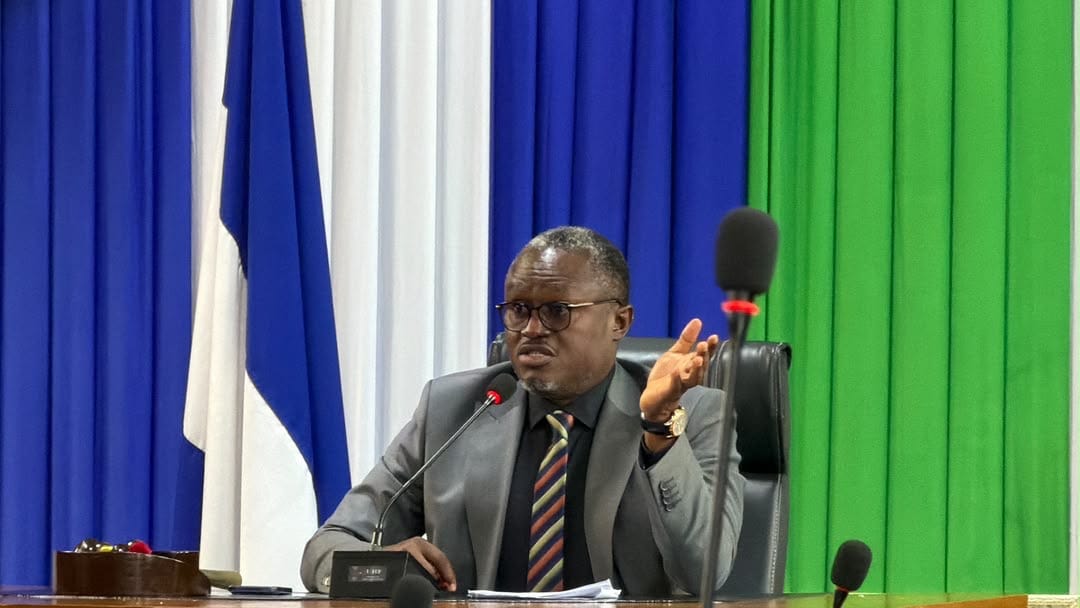
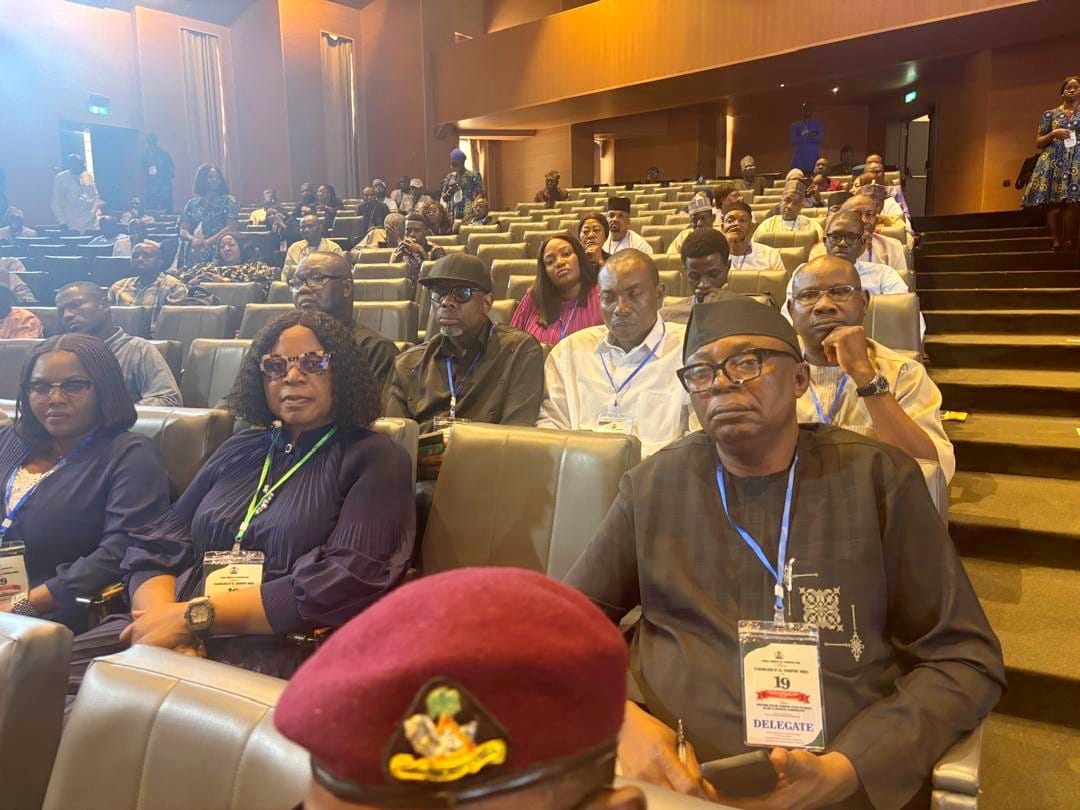
The twin resolutions were reached at the 19th National Council on Transportation (NCT), held from August 31 to September 3, 2026, at the National Judicial Institute Auditorium, Abuja, where states and key stakeholders in the nation’s transportation sector deliberated on measures to strengthen road, rail, air and water transportation.
The four-day council, organised by the Federal Ministry of Transportation, was held under the theme, “Developing Effective Transport System for Nigeria: The Role of Integrated Transportation,” with Vice President of the Federal Republic of Nigeria, Senator Kashim Shettima, GCON, as Special Guest of Honour.
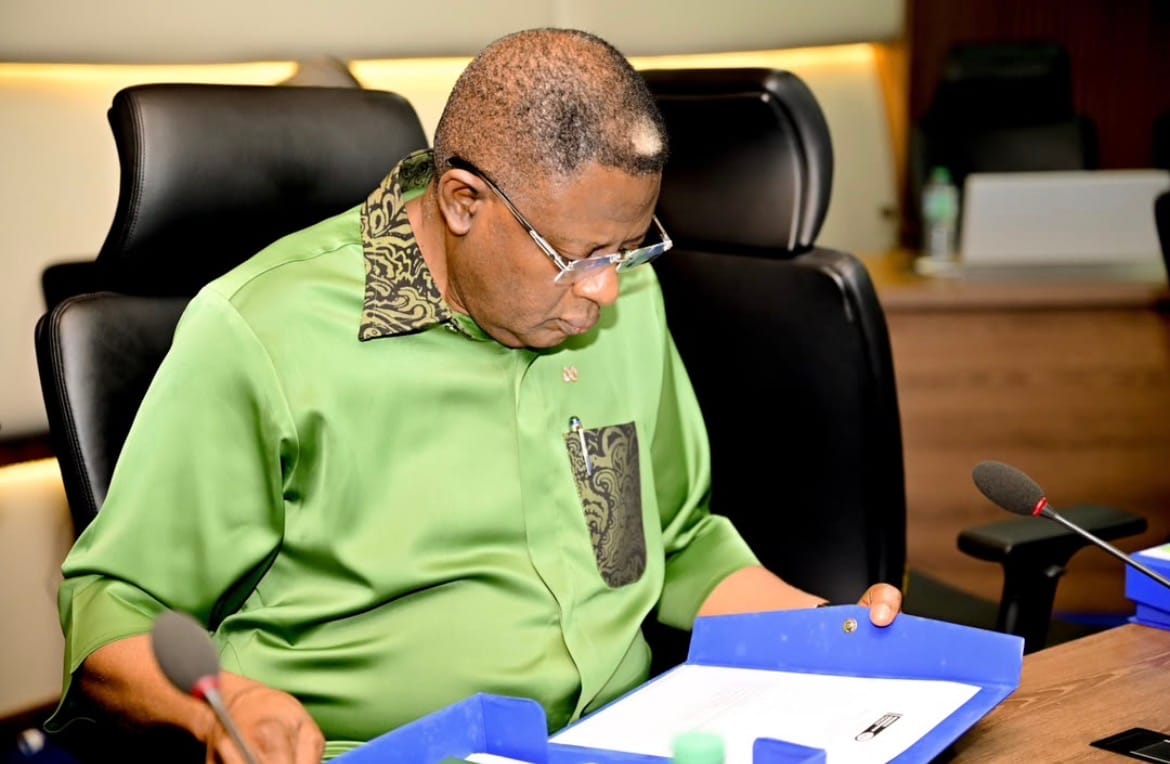
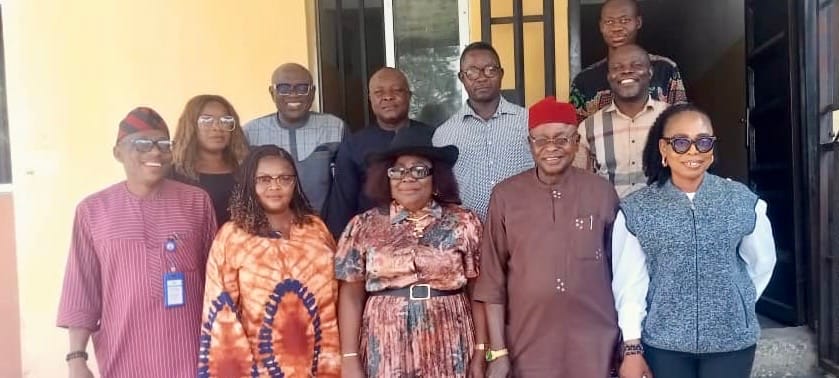
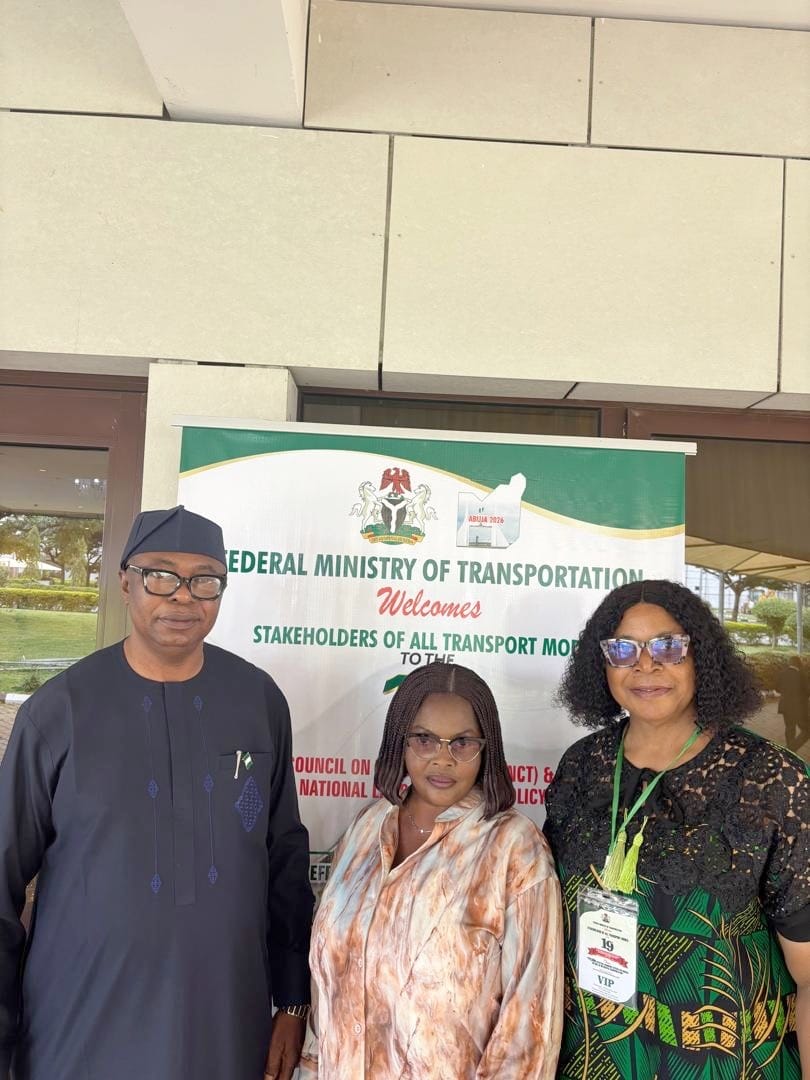
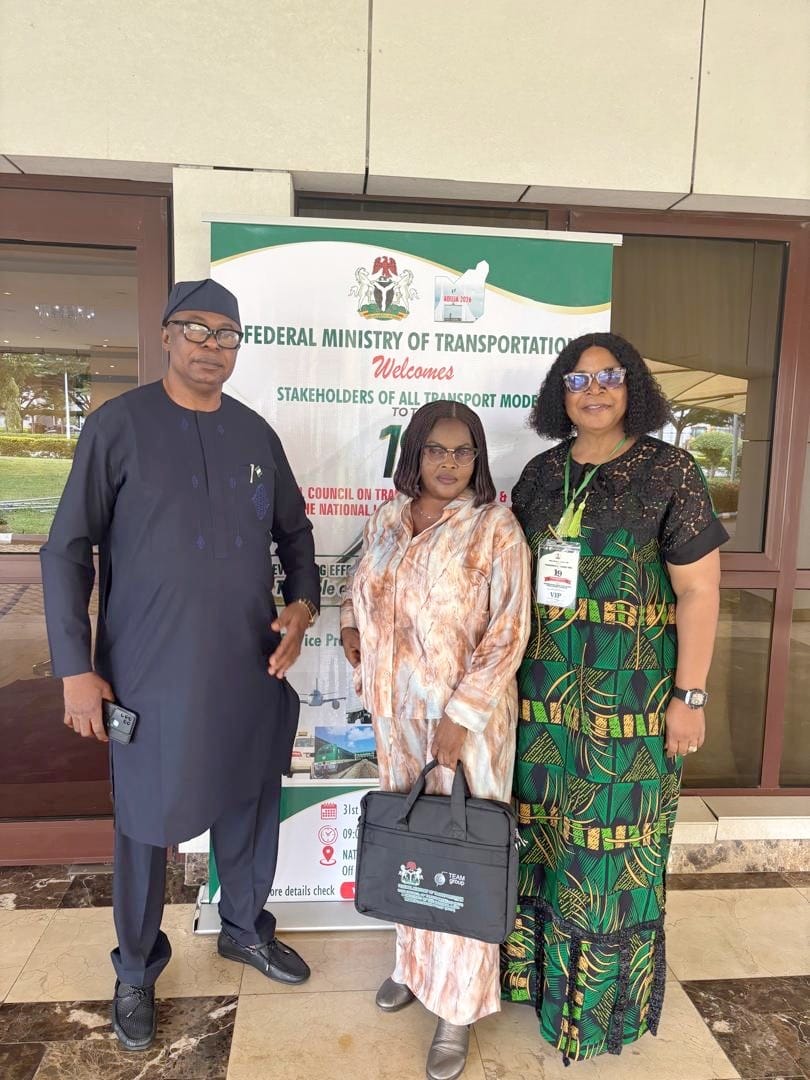
Leading the Cross River delegation was the Commissioner for Transportation, Hon. Kingsley Egumi, accompanied by the Permanent Secretary of the Ministry, Pastor Mrs. Eme Affiah, and the Director of Planning, Research and Statistics, Mrs. Charity Ayara.
A major highlight of the technical sessions was the presentation of two memoranda by Cross River State, both of which received the endorsement of the council, reinforcing the state’s growing push for an integrated transportation network capable of supporting its emerging economic infrastructure.
The first memorandum sought Federal Government support for the construction of a railway line linking Uyo in Akwa Ibom State to Calabar, with the line terminating at the Cross River State Deep Sea Port. The proposal was unanimously endorsed by the council.
In a further boost to the initiative, the Managing Director of the Nigeria Railway Corporation pledged that the corporation would develop a master plan and technical drawings for the proposed rail corridor, providing an important technical foundation for the project’s actualisation.
The proposed railway is expected to provide seamless movement of passengers and cargo between Uyo and Calabar while creating a direct rail connection to the Deep Sea Port. Beyond improving mobility, the project is expected to strengthen regional trade, reduce logistics costs and position Cross River as a strategic gateway for commerce in the South-South.
The second memorandum sought Federal backing for the expansion of Cross River’s marine transport scheme as an alternative and complementary mode of transportation. The council approved the request and resolved to forward it to the Federal Ministry of Marine and Blue Economy for collaboration with the Cross River State Ministry of Transportation.
The proposed expansion is expected to improve access to safer, more efficient and affordable water transportation while providing an alternative to road travel and helping to ease pressure on the state’s road network.
Speaking after the technical session, Commissioner Egumi expressed appreciation to the Governor of Cross River State for the opportunity to represent the state at the national forum, describing the resolutions as significant milestones in the administration’s determination to build a multimodal transportation system that can support the movement of people and goods, particularly in connection with the Deep Sea Port.
According to him, the successful consideration of the state’s memoranda demonstrates that Cross River’s transportation priorities are increasingly aligning with the Federal Government’s broader vision of integrated transportation development.
“The outcomes of the 19th NCT have reinforced the state government’s resolve to pursue policies and projects that will transform the transportation sector and position Cross River as a leader in integrated transport development.
“With the successful endorsement of Cross River’s memoranda, the state has taken a significant step forward in its quest to become a transportation hub in the South-South region. The railway line from Uyo to Calabar and the expansion of the marine transport scheme are expected to unlock new economic opportunities, facilitate trade, and improve access to the state’s Deep Sea Port, which is poised to become a major gateway for goods and services in the Gulf of Guinea.”
Egumi assured that the Ministry would sustain engagement with the relevant Federal Government agencies to ensure that the resolutions are followed through and translated into concrete projects.
He also commended the Permanent Secretary and Director of Planning, Research and Statistics for their contributions to the preparation and successful presentation of the memoranda, noting that their expertise and commitment were instrumental to the state’s strong showing at the council.
The 19th NCT also provided an opportunity for stakeholders to consider the newly unveiled National Land Transport Policy, which is designed to provide a comprehensive framework for the development and management of land transportation infrastructure across Nigeria.
The policy is expected to strengthen intermodal connectivity, improve transportation efficiency and safety, and provide a coordinated framework for addressing longstanding challenges across the nation’s transport sector.
By Irene Bassey