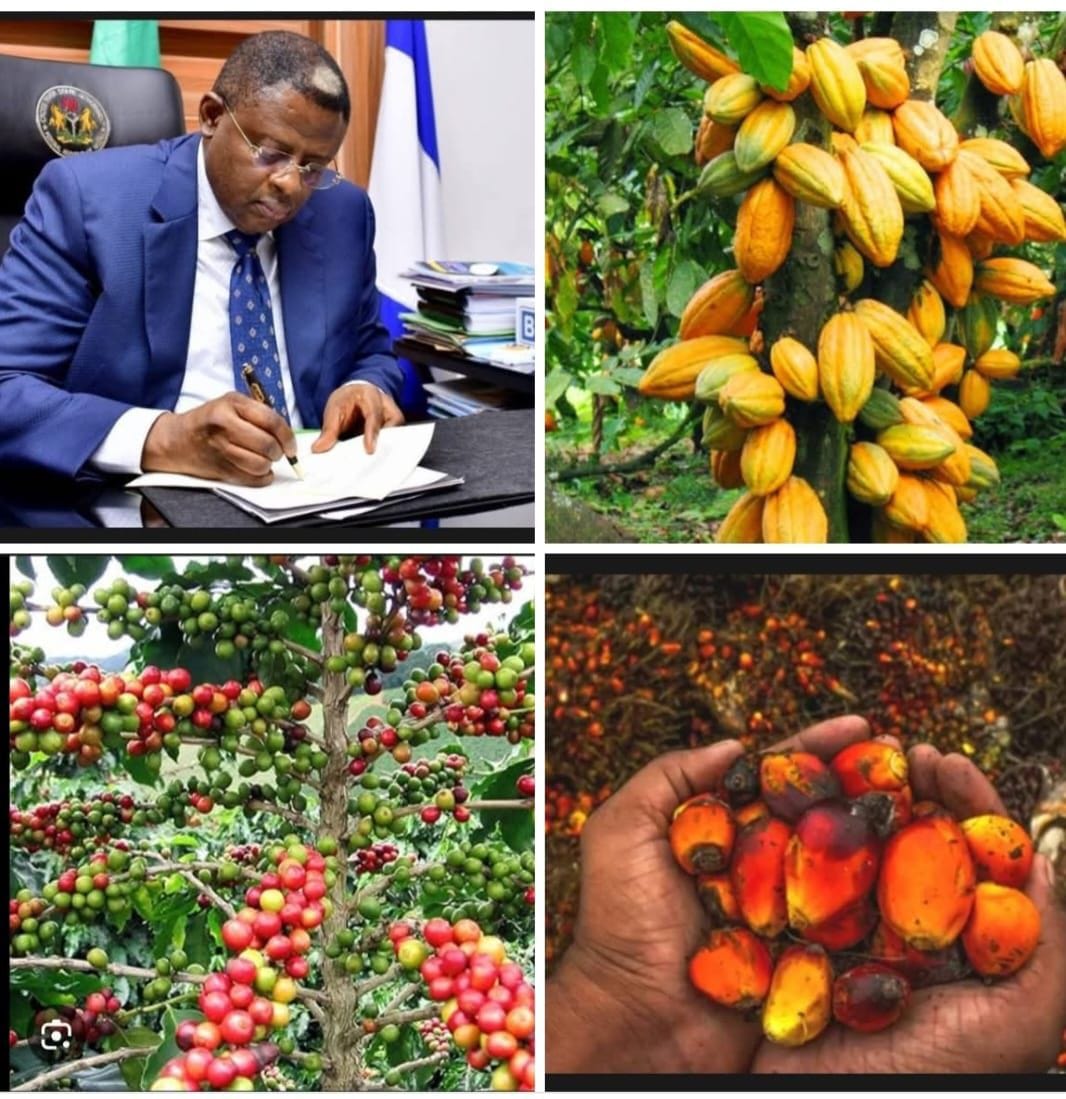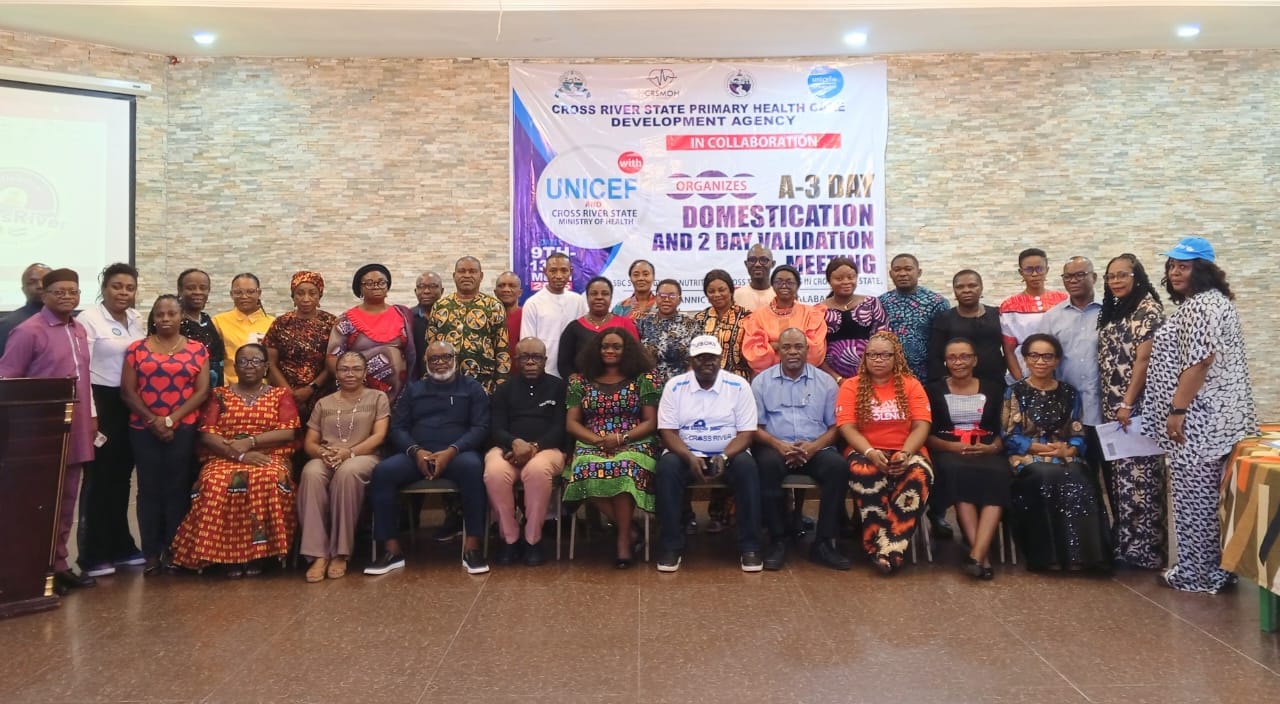
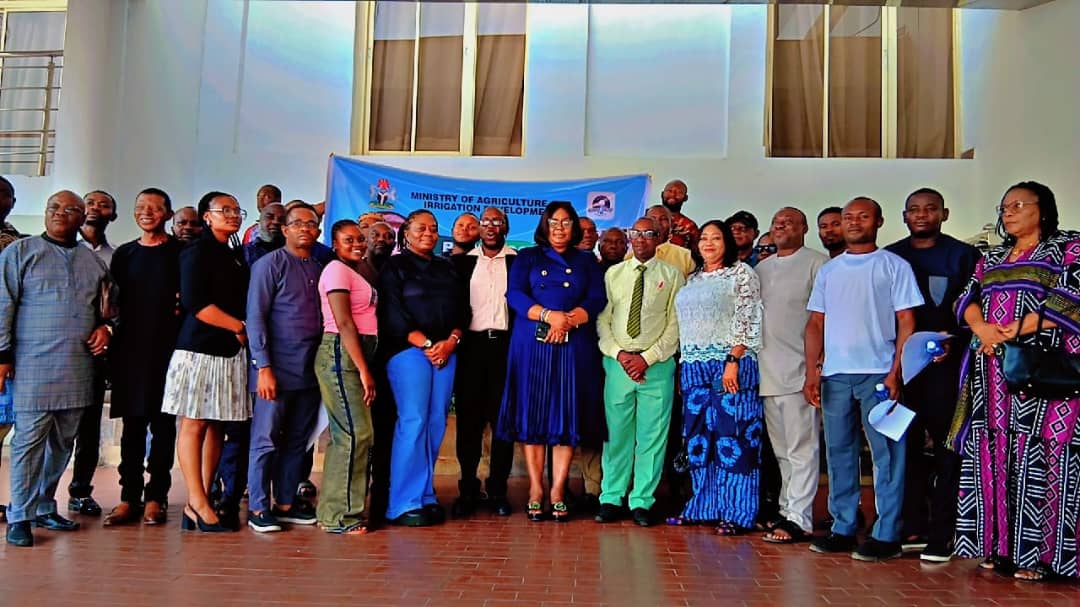
Cross River State has taken a bold step to cement its position as a leading agricultural hub in Nigeria by launching a landmark traceability initiative for cocoa, coffee, and oil palm, aimed at boosting the state’s competitiveness in global markets.
The Cross River State Traceability System (CRSTS), a government-backed digital platform, tracks agricultural products from farm to export, creating secure records of each farm and value-chain actor using GPS mapping, geolocation, and registration in a centralized database.
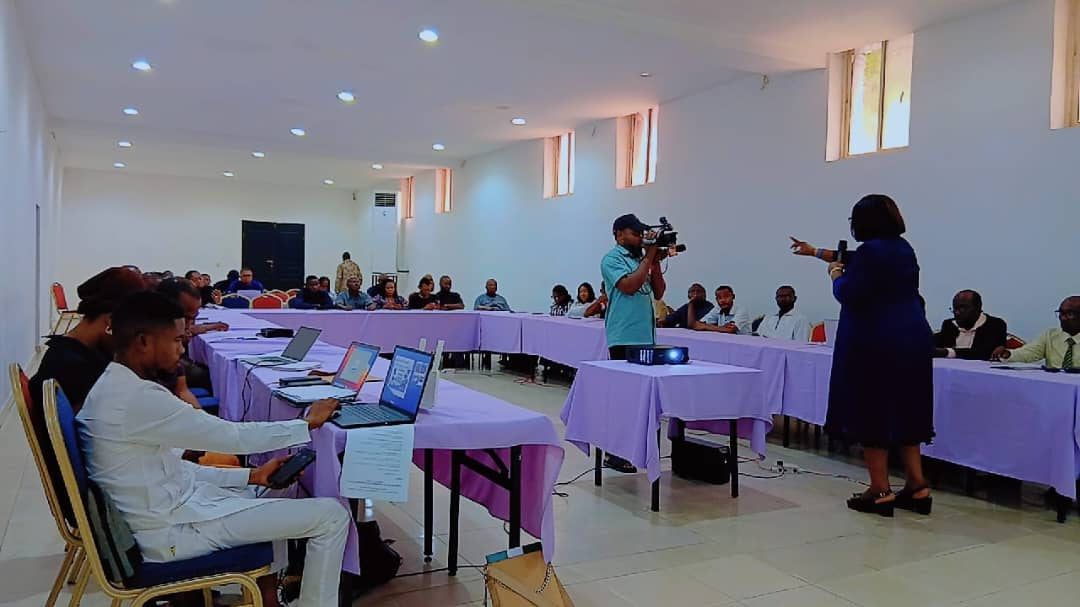
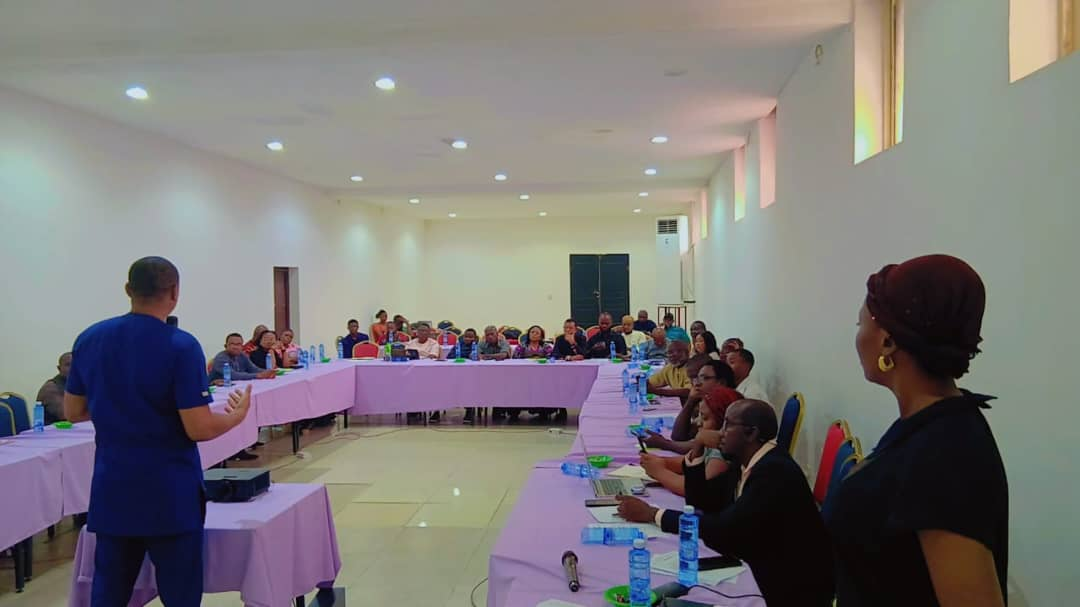
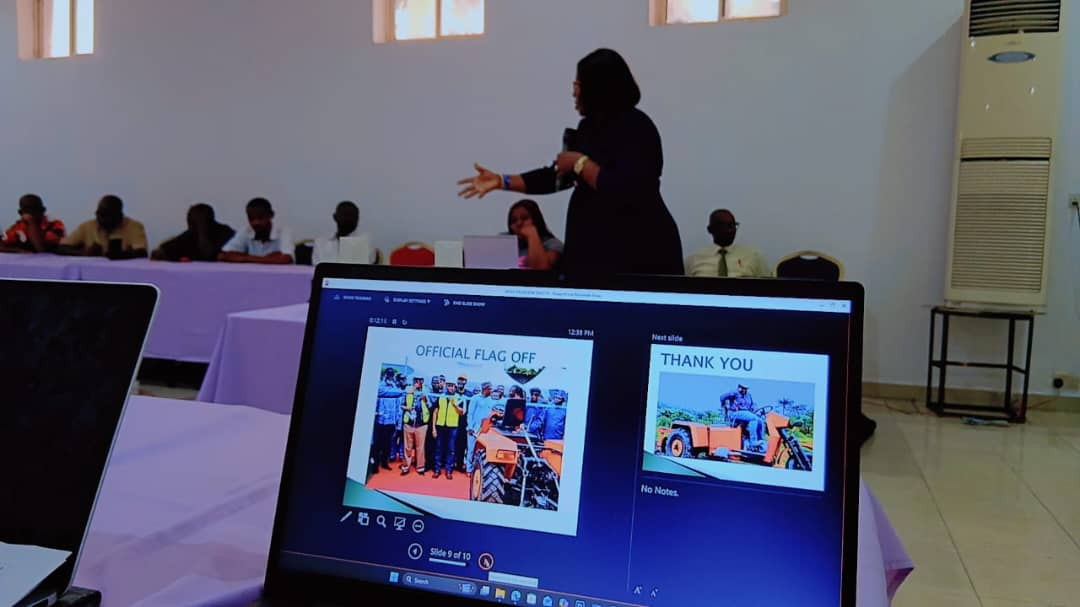
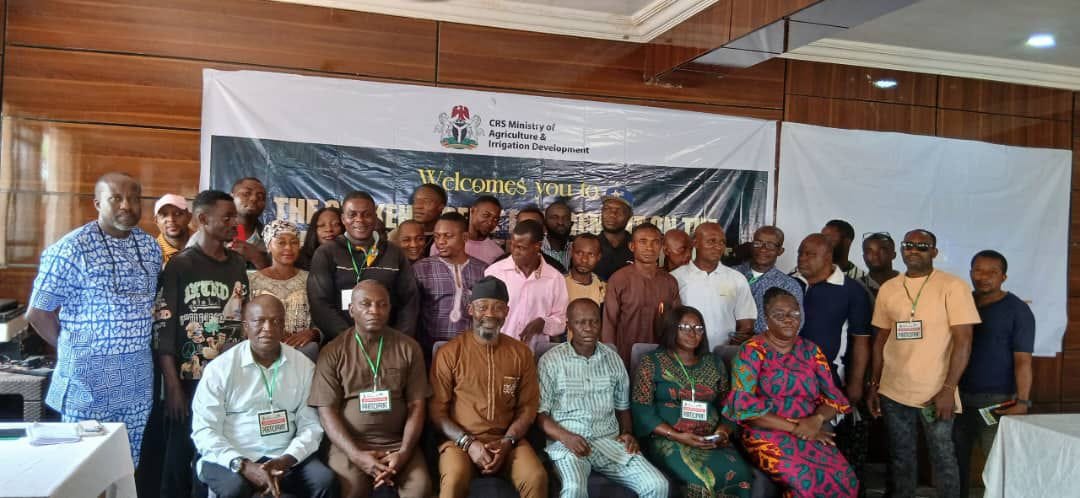
Speaking at a stakeholders’ engagement in Calabar, the Commissioner for Agriculture and Irrigation Development, Mr. Johnson Ebokpo, said the initiative is part of a clear roadmap involving stakeholder consultations, pilot trials, and phased implementation across the state.
“This is not only about compliance but responsibility and opportunity,” Ebokpo said. “It is a chance to protect our forests and biodiversity, strengthen value chain transparency, improve farmer credibility and income stability, and secure access to premium export markets.”
He added that the state aspires to become Nigeria’s national traceability hub, a goal achievable through collective effort.
Professor Susan Ohen, Chairman of the Cross River State Multi-Stakeholder Committee, described the launch as a historic turning point for the state’s commodity sectors. She warned that global buyers now demand proof of origin, sustainability, and deforestation-free status, and highlighted the state’s 2032 goal of achieving 80 percent certified cocoa as an inclusive opportunity to increase farmer income, expand exporter access, and strengthen Cross River’s brand.
The engagement drew participants from commodity associations, the All Farmers Association of Nigeria (AFAN), the Cross River Geographic Information Agency (CRGIA), the Forestry Commission, the State Planning Commission, and other stakeholders, demonstrating broad industry support for the initiative.
In separate goodwill messages, the Commissioner for Information, Dr. Erasmus Ekpang, and CRGIA Director-General, Mr. Williams Archibong, cited the state’s fertile soil and favourable climate as additional advantages, urging farmers to adopt best practices and register their farms within the system to boost food security and enhance Cross River’s global agricultural standing.
Dr. Adewole Bello, Country Field Team Lead of Pula Advisors, the project’s lead consultants, explained that data will be collected from approximately 17,000 farmers across 17 local government areas using Mavuno Tech and geo-coordinates to map each farm. He emphasized that success will require coordinated effort from farmers, aggregators, processors, exporters, and government agencies to build a sustainable cocoa, coffee, and oil palm sector.
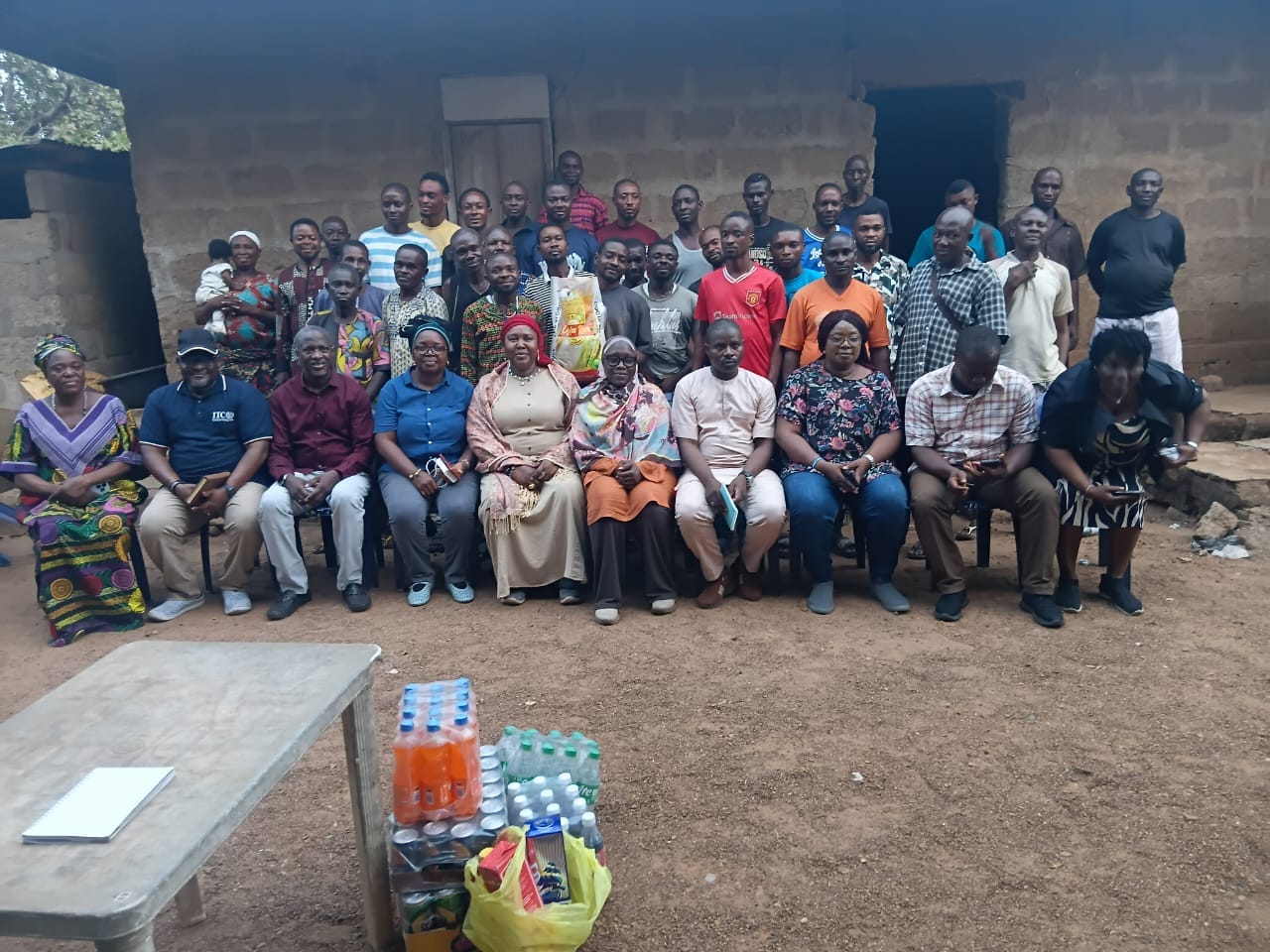
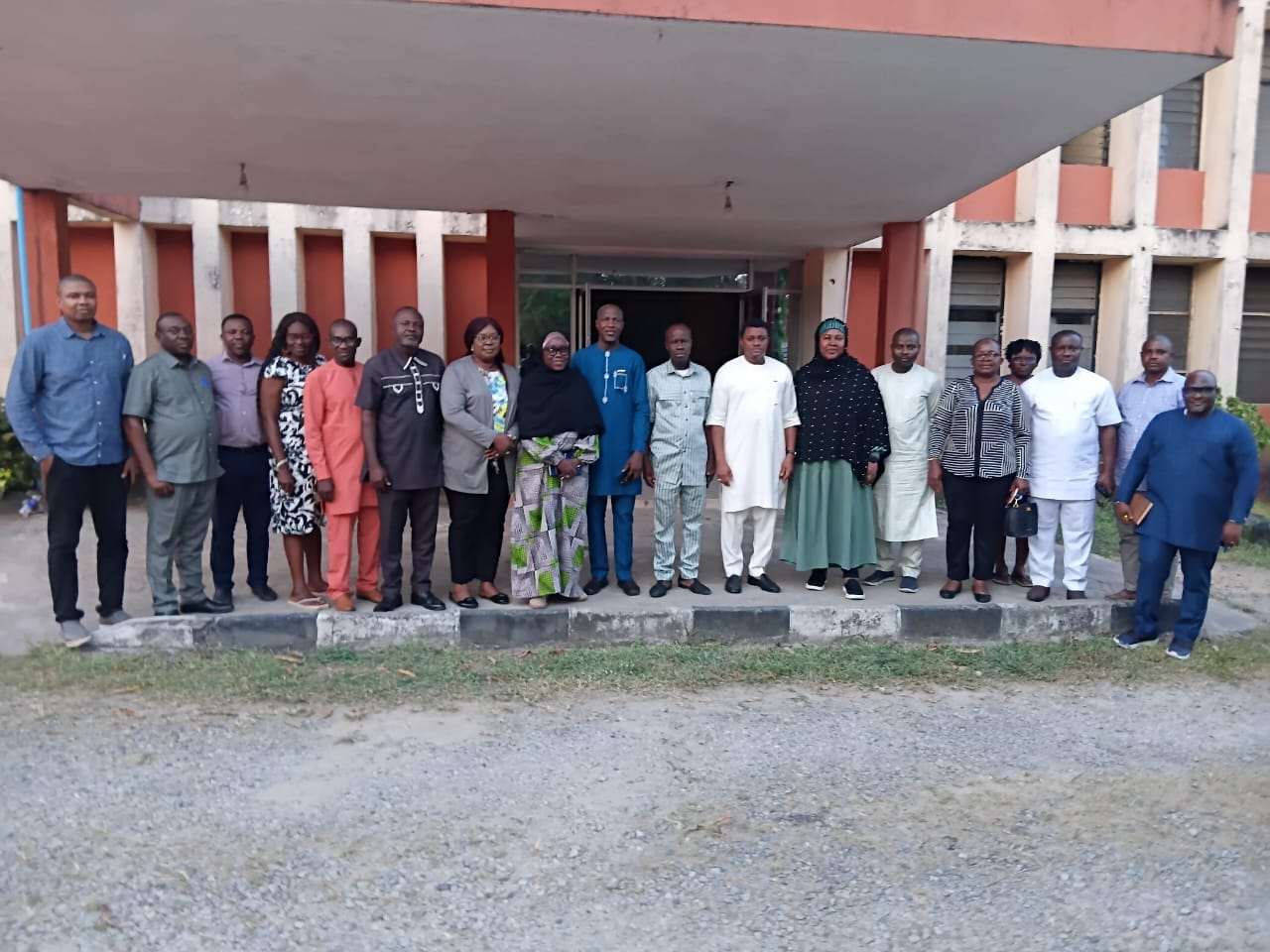
The stakeholder engagement, which began in Calabar for the Southern Senatorial District, will continue across the Central and Northern Senatorial Districts in the coming weeks, signaling a comprehensive rollout of Cross River’s digital traceability initiative.
Blessing Enagu