The Government of Cross River State has intensified efforts to eliminate neglected tropical diseases (NTDs) following the approval of ₦64 million by Governor Bassey Edet Otu to support the state’s ongoing deworming programme for school-aged children.
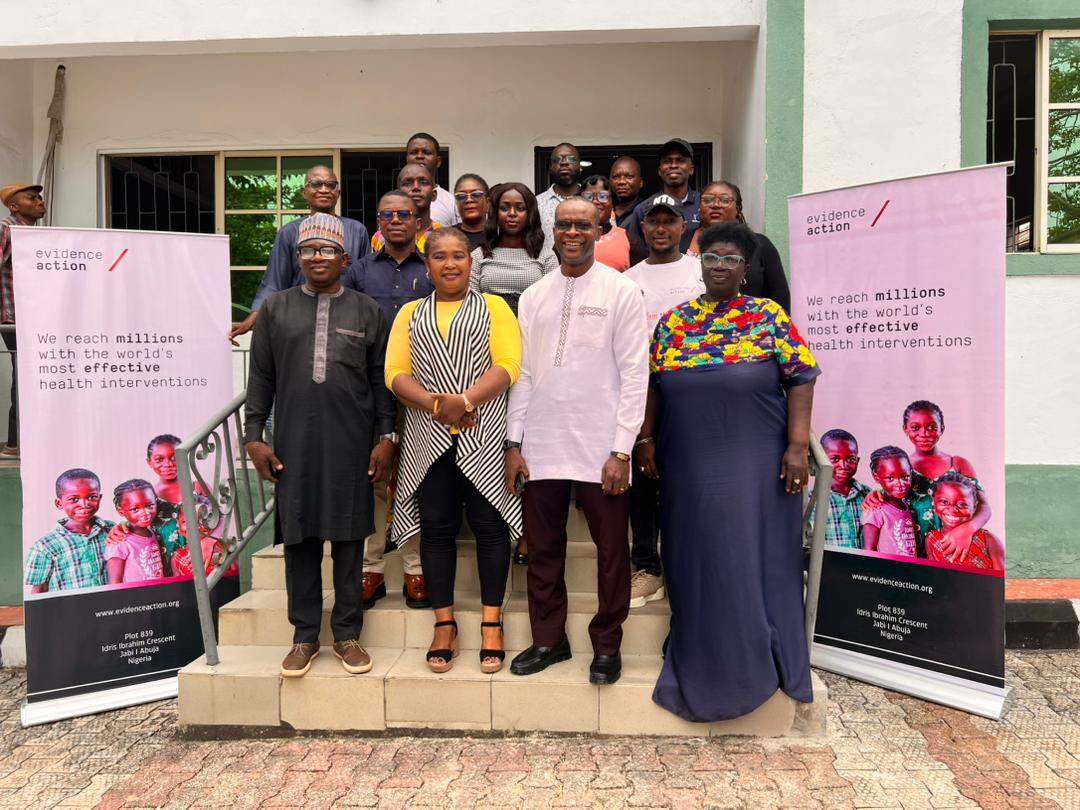
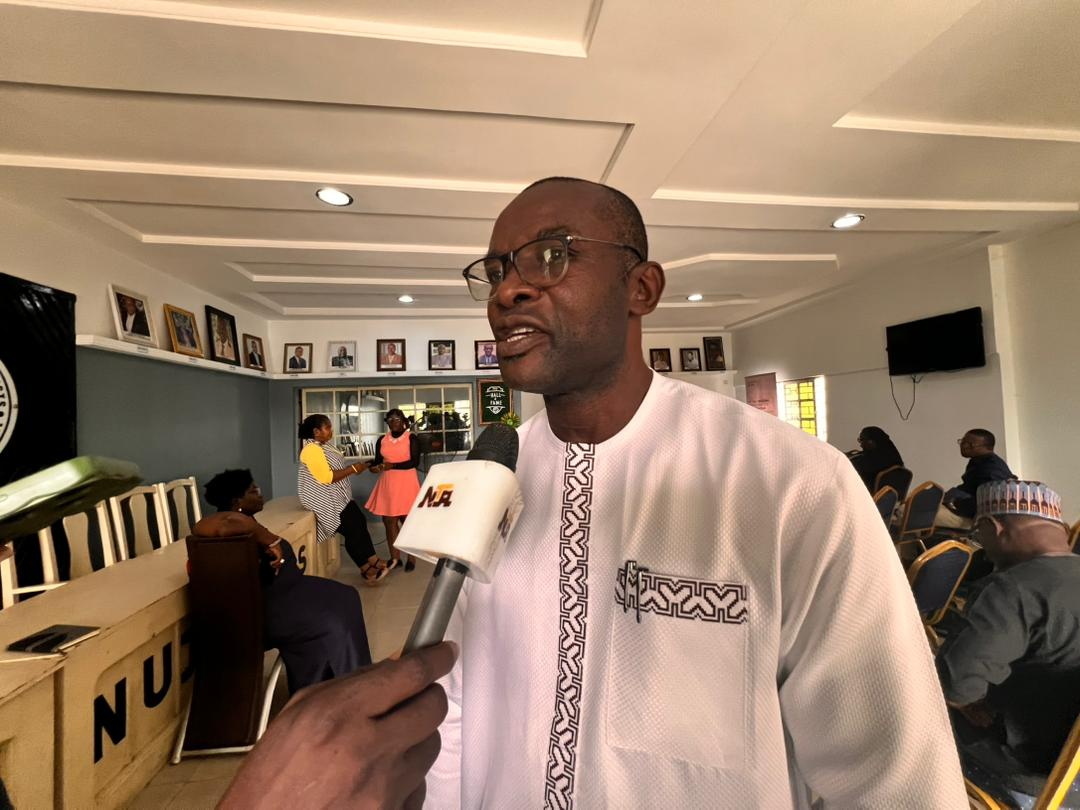
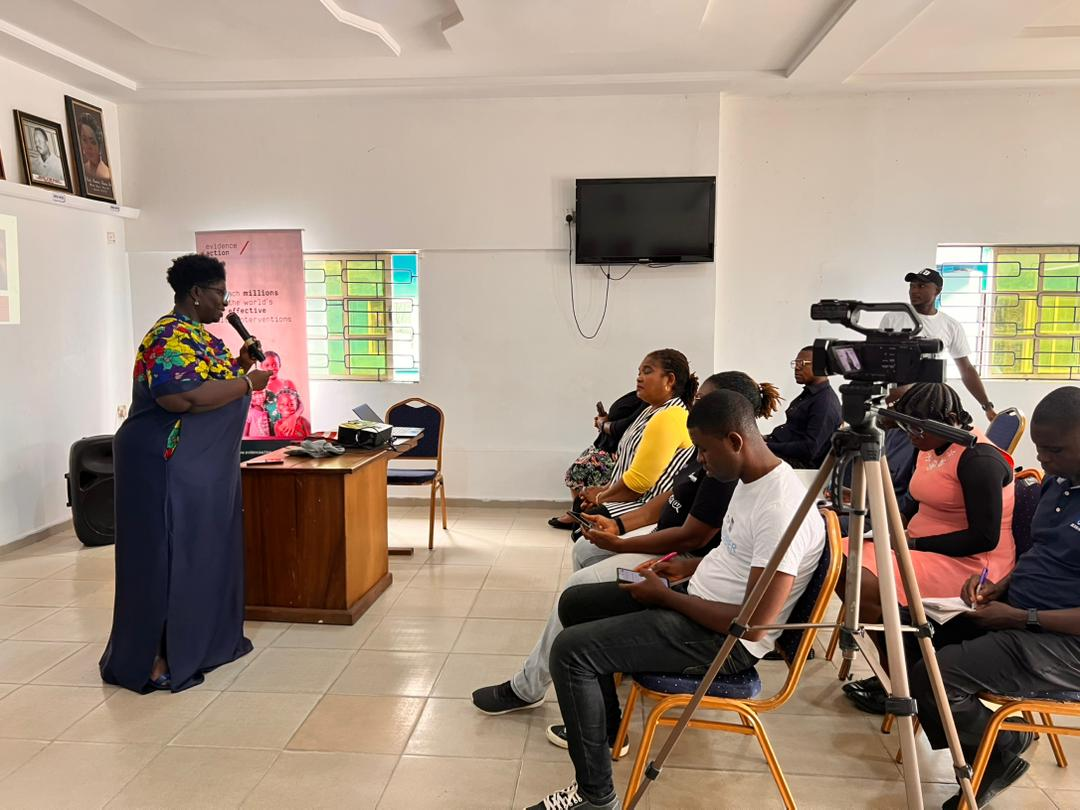
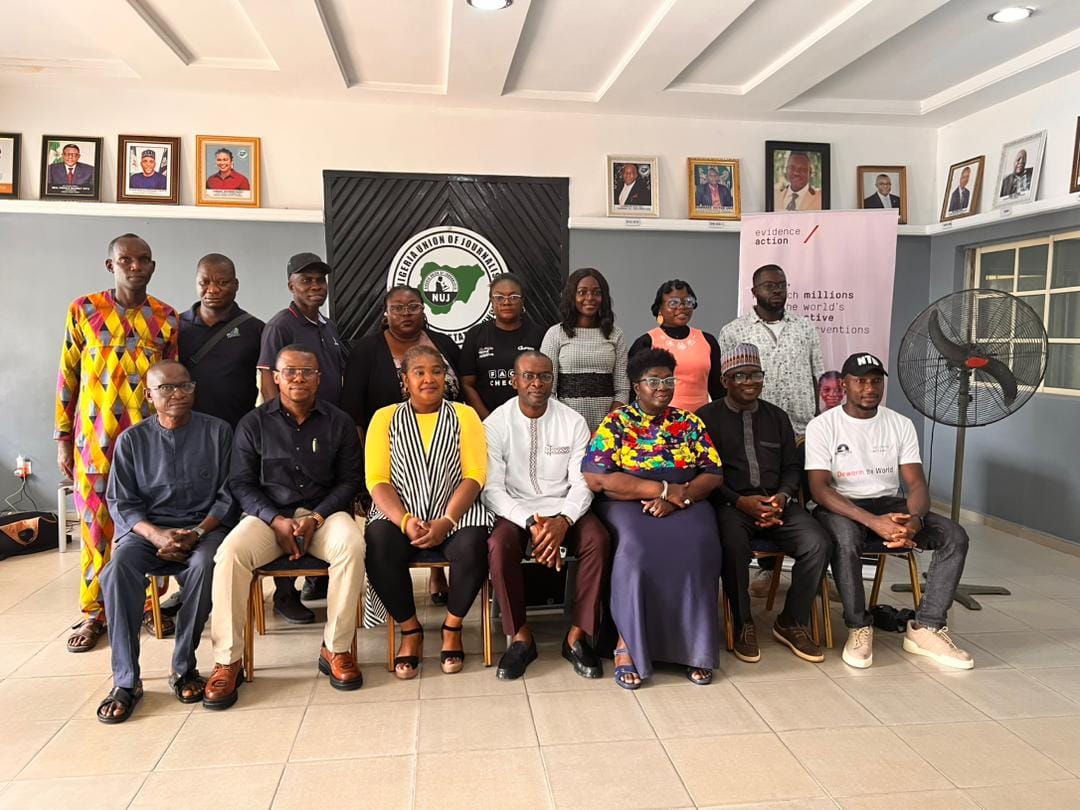
A Senior Manager with Evidence Action and South-South Programme Lead, Toochi Ohaji, during a recent media engagement, commended the governor for the approval, describing it as a major step toward sustaining the gains recorded in the fight against neglected tropical diseases in the state.
“Ohaji said, ‘The approval of the ₦64 million by the governor demonstrates the commitment of the Cross River State Government to sustain the gains already recorded in the fight against neglected tropical diseases and to protect the health of school-aged children across the state.’”
He explained that the approval followed a strategic engagement between Evidence Action and the state government last year, during which the organization presented a proposal aimed at strengthening the deworming programme in collaboration with the Cross River State Ministry of Health.
According to him, Governor Otu not only approved the request but also directed relevant government agencies to ensure that the funds are released to support the implementation of the programme.
“The present administration is the first to directly engage Evidence Action on strategies to eliminate neglected tropical diseases in the state,” Ohaji said. “Late last year, we met with the governor and discussed what could be done to sustain the achievements already recorded, and he graciously approved the funding and directed that the necessary agencies ensure its release.”
He noted that the programme aligns with the health action plan of the Cross River State Ministry of Health and global targets set by the World Health Organization and the Federal Ministry of Health Nigeria to eliminate neglected tropical diseases by the year 2030.
Ohaji disclosed that impact assessments conducted in collaboration with the Federal Ministry of Health show that Cross River has recorded notable progress in reducing the prevalence of the diseases targeted by the intervention.
“After more than seven years of sustained deworming in the state, our impact assessment shows that Cross River has reduced the prevalence of soil-transmitted helminths by 48.5 percent and schistosomiasis by 76 percent,” he said.
He further revealed that the current round of the programme will target over 400,000 school-aged children, with trained health workers already mobilized to administer the medicines in schools and communities across the state.
According to him, the deworming campaign will run for five days, with health workers visiting schools and communities to administer the medicines to eligible children.
“We have already concluded our planning meetings with the state and completed the training of state trainers. Health workers across the local governments are currently being trained to administer the medicines to children,” Ohaji explained.
He added that out of the state’s 18 local government areas, 14 have been identified for mass deworming, while the present phase of the intervention will focus on seven local government areas, with the remaining areas to be covered subsequently.
Also speaking, Programme Associate Andrew Ushie disclosed that a total of 940,589 children are targeted for soil-transmitted helminthiasis and schistosomiasis deworming in the state this year.
“Out of this number, 671,795 children will receive treatment for soil-transmitted helminthiasis in nine local government areas, while 268,794 school-based children will be treated for schistosomiasis in five local government areas,” Ushie said.
He added that in 2025, a total of 831,146 children were successfully treated for both helminthiasis and schistosomiasis in the state.
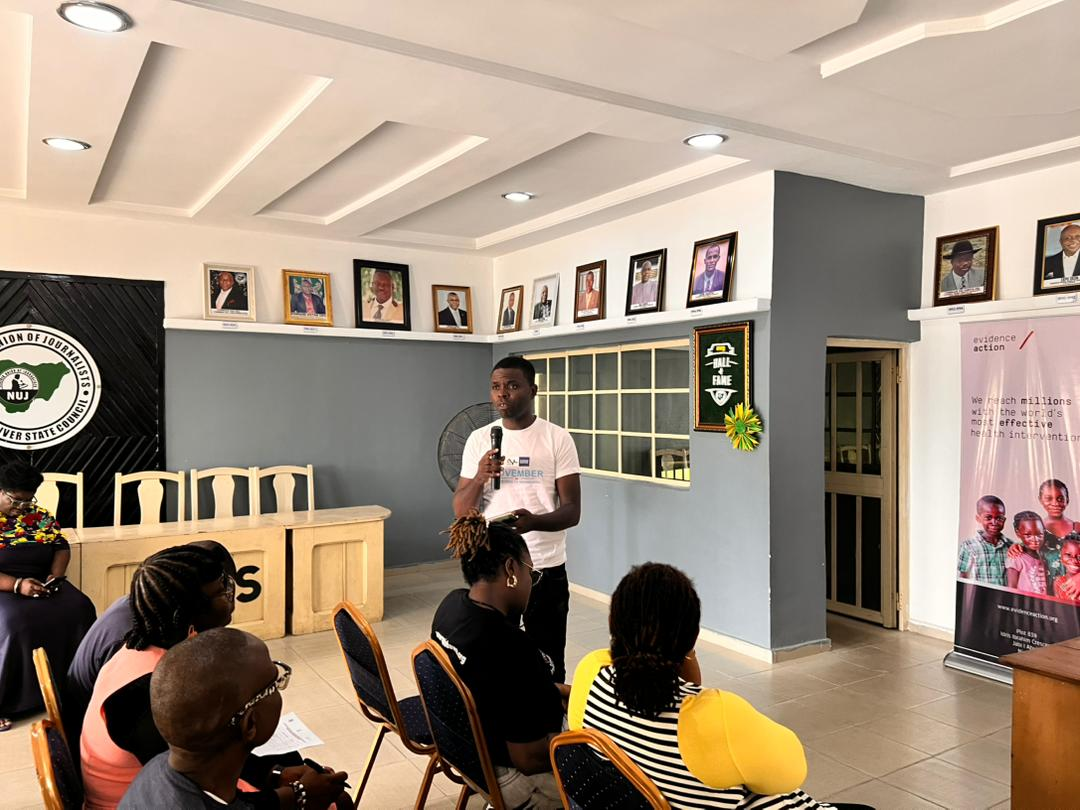
The State Coordinator of Neglected Tropical Diseases, Mrs. Veronica Mark, commended journalists in Cross River for their consistent coverage of the school-based deworming programme.
She noted that media engagement has helped create awareness among stakeholders and communities on the importance of the intervention.
On his part, Dr. Jacob Solomon of the Federal Ministry of Health emphasized the role of the media in strengthening public health programmes.
“The essence of the media is for us to know how well we have done and how to do better,” Solomon said.
He added that findings from the 2024 assessment showed encouraging progress in disease control across the state.
“Helminthiasis prevalence dropped from 25 percent to 22.6 percent, while schistosomiasis declined from 5 percent to 1.4 percent between 2014 and 2024,” he stated.
Kingsley Agim