

The Cross River State Youth Empowerment Scheme (YES) has introduced stringent eligibility and verification guidelines for the forthcoming Mass Empowerment Programme, barring serving political office holders, party officials and recent beneficiaries of government interventions in a bid to ensure that the initiative reaches genuine grassroots citizens.
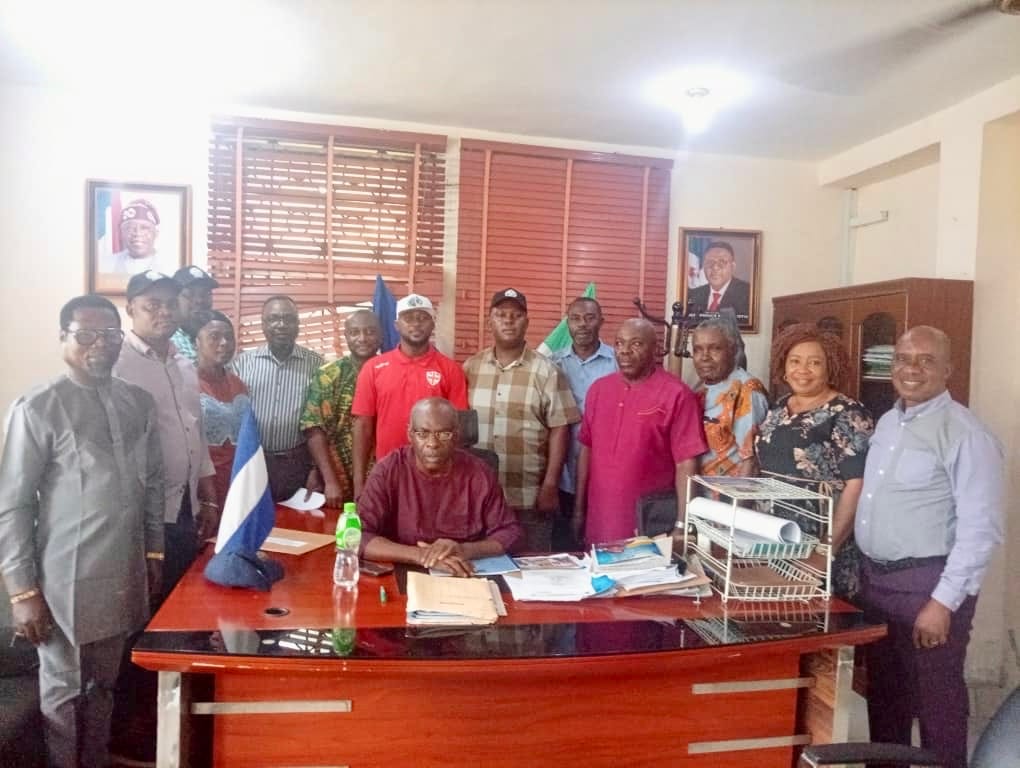
Chairman of the Scheme, Dr. Kalita Joseph Aruku, who disclosed the guidelines, said the framework was anchored on Governor Bassey Edet Otu’s People-First agenda and designed to promote fairness, transparency, accountability and community participation in the selection of beneficiaries.
Aruku explained that serving political appointees from the national to local government levels, their immediate family members, elected representatives from the national to ward levels and their immediate family members would be ineligible to participate in the programme.
He said party officials at all levels, including national and state officers, chapter chairmen and secretaries, as well as their immediate family members, would also be excluded from the scheme.
According to him, individuals who have received government empowerment support within the past three years, together with their immediate family members, would equally be barred from participating.
Aruku added that beneficiaries of significant government support, including contracts, grants or official scholarships, and their immediate family members, would also be ineligible for the forthcoming programme.
He said the restrictions were intended to prevent the concentration of government empowerment opportunities among individuals who already have access to public resources or have recently benefited from government interventions.
Instead, Aruku said priority would be given to individuals described as “Community Anchors”—citizens who demonstrate active participation in community development and grassroots civic engagement.
He explained that prospective beneficiaries would be nominated through recognised community leaders and grassroots stakeholders who could attest to their character, community involvement and eligibility.
Aruku said all submitted names would subsequently undergo scrutiny by designated Ward Development Officers to ensure that nominees complied with the established eligibility requirements.
In a further measure to strengthen transparency and public accountability, he disclosed that the proposed list of beneficiaries would be published at least two weeks before distribution to allow members of the public to scrutinise the names.
According to him, members of the public would be permitted during the period to submit petitions or formal objections against any proposed beneficiary.
He stressed that where a complaint was found to be credible after verification, the affected individual would be disqualified and replaced.
Aruku said the framework was developed to ensure that the empowerment programme serves citizens who genuinely require support and have demonstrated commitment to the development of their communities.
He reaffirmed Governor Otu’s commitment to a People-First approach in which empowerment is deployed as an instrument for improving livelihoods, promoting inclusion and advancing genuine grassroots development.
The YES Chairman said the rigorous verification process would help protect the integrity of the programme, minimise political capture and ensure that government support is directed to citizens who need it most.
He added that the framework would make the forthcoming Mass Empowerment Programme a more transparent and tightly scrutinised grassroots intervention, with citizens playing a direct role in verifying prospective beneficiaries and promoting accountability in the distribution of government support.
By Kingsley Agim