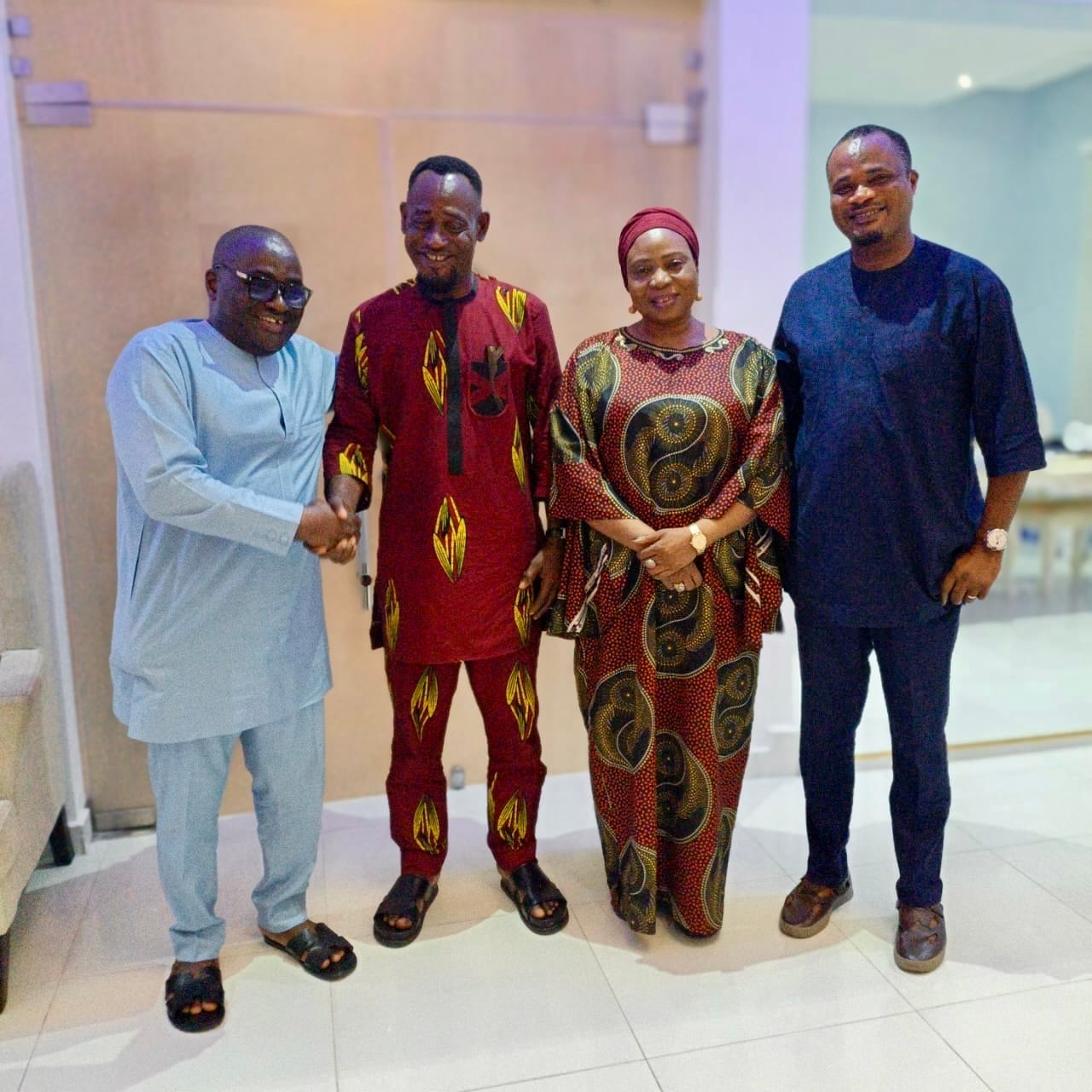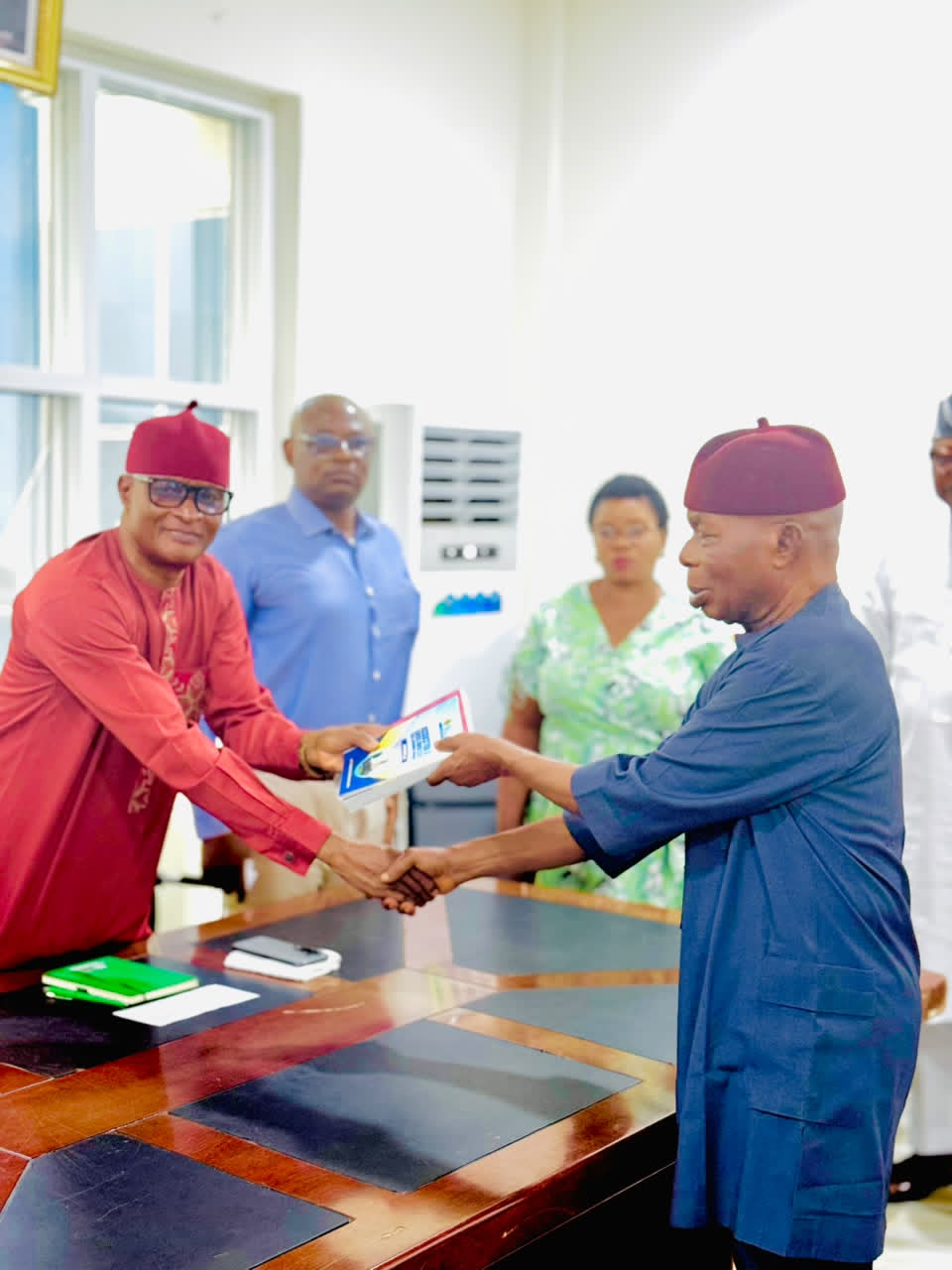

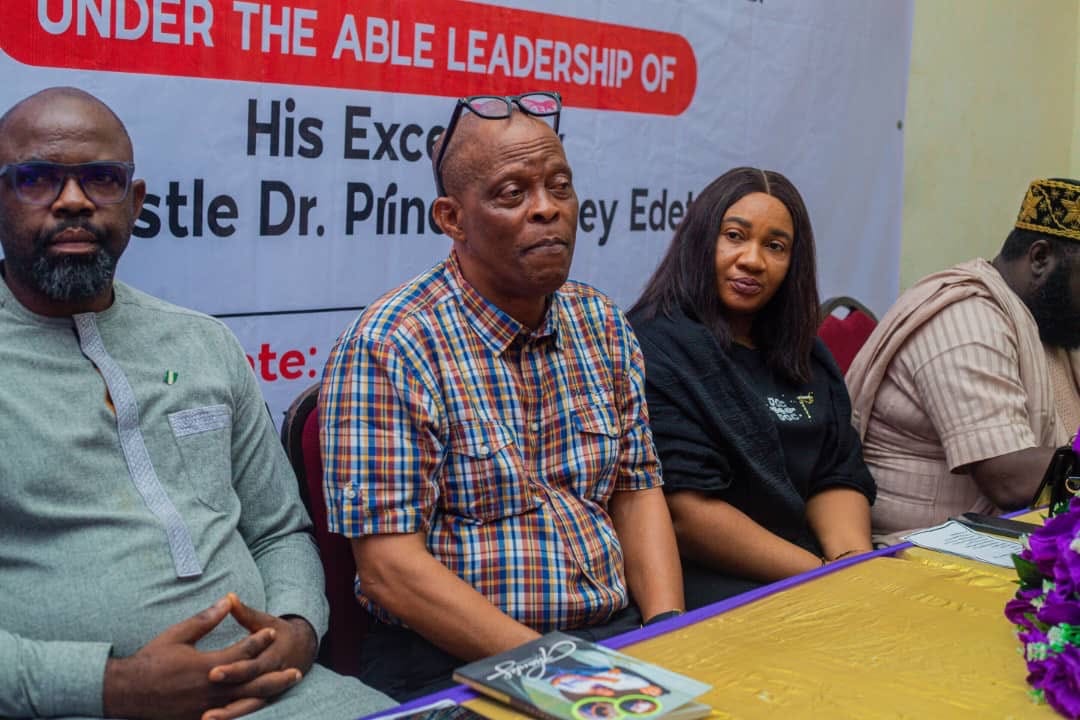
The Cross River State Government has commenced the training of 221 officers to drive the implementation of its Social Intervention and Investment Programme across the state’s 196 political wards, in a major step towards expanding social protection and welfare services to vulnerable residents.
The initiative, being implemented through the Office of the Social Intervention and Investment Programme, is designed to equip grassroots officers with the skills required to identify vulnerable persons and coordinate the delivery of Governor Bassey Otu’s People First social safety net programme across the state.
Speaking with journalists shortly after the training workshop for participants from the Southern Senatorial District in Calabar, the State Coordinator of the programme, Dr. Edem Okokon Effiom, said the exercise would produce 196 Ward Development Officers (WDOs) and 25 Local Government Liaison Officers to oversee implementation at the community level.
He explained that the capacity-building exercise would be conducted across the state’s three senatorial districts, beginning with the Southern Senatorial District before moving to the Central and Northern districts.
According to Effiom, the training is intended to equip the Ward Development Officers with the knowledge and competence to effectively identify the various social groups and vulnerable persons within their respective wards.
“The training will seek to build the Ward Development Officers to efficiently help them in identifying the various social strata that are abound within the 196 council wards of the state,” he said.
Effiom noted that the programme would strengthen the officers’ capacity to implement Governor Otu’s People First agenda, particularly in creating sustainable social safety nets for vulnerable and hard-to-reach populations across Cross River State.
He disclosed that the inaugural training held over the weekend in Calabar attracted 87 Ward Development Officers and nine Local Government Liaison Officers drawn from the Southern Senatorial District.
The State Coordinator further revealed that 150 residents in each of the 196 political wards would benefit from the intervention programme, amounting to about 29,400 beneficiaries statewide.
He explained that 100 beneficiaries in each ward would receive direct cash transfers, while 50 others would benefit from one-off empowerment support aimed at improving their livelihoods.
Effiom emphasized that the selection process would be transparent and inclusive, stressing that beneficiaries would be drawn from all segments of society irrespective of political affiliation.
He added that churches, the Muslim community and other critical stakeholders at the ward level would participate in identifying deserving beneficiaries to ensure fairness, equity and broad community ownership of the programme.
By Kingsley Agim