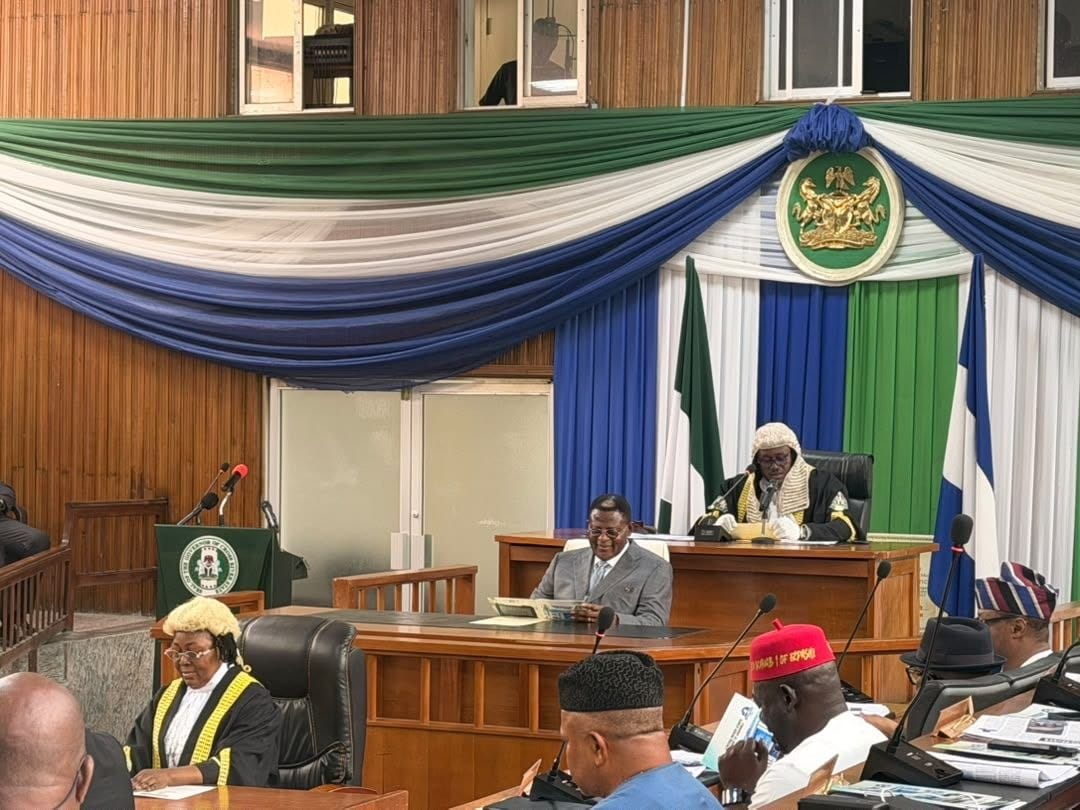

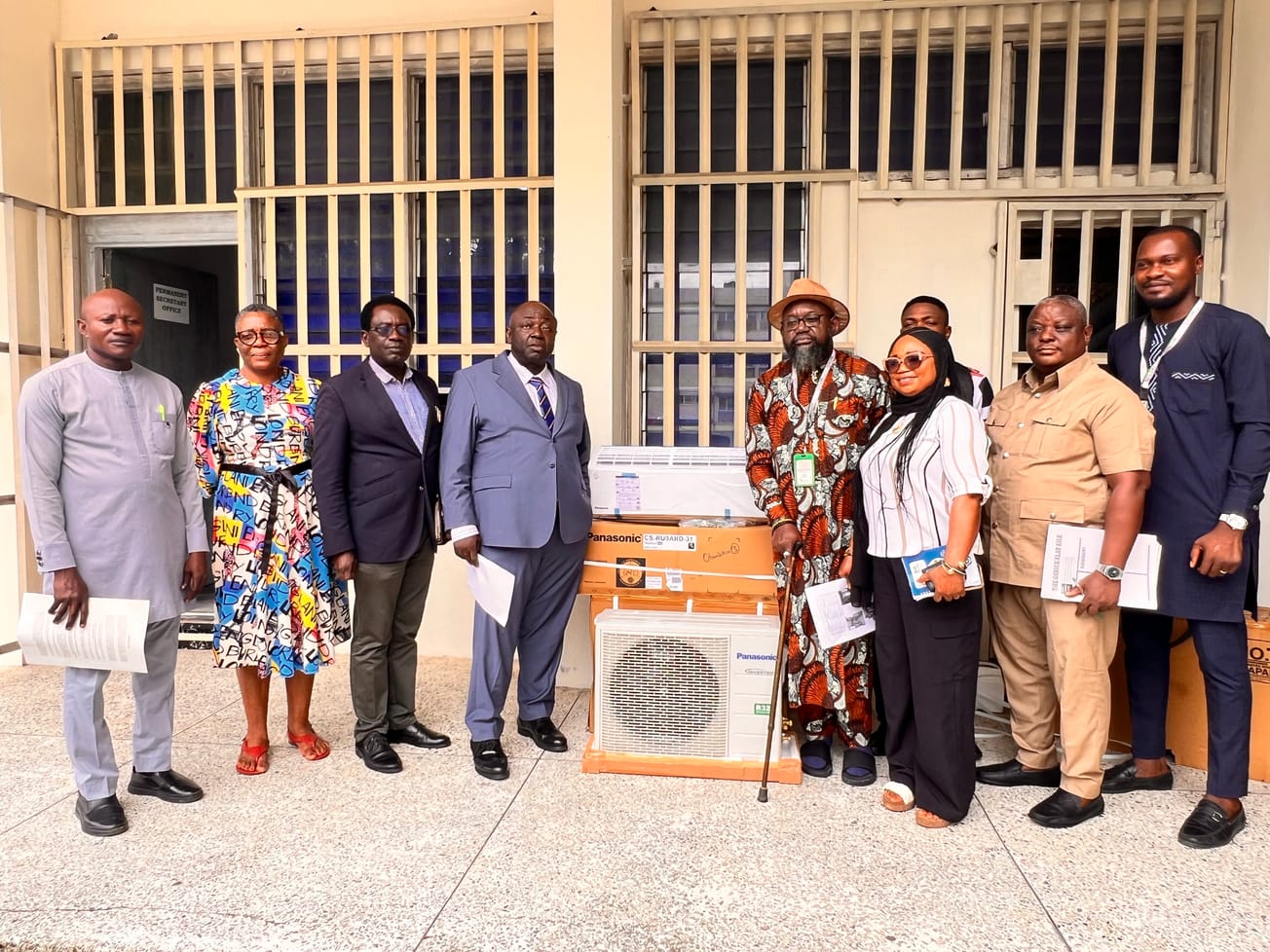
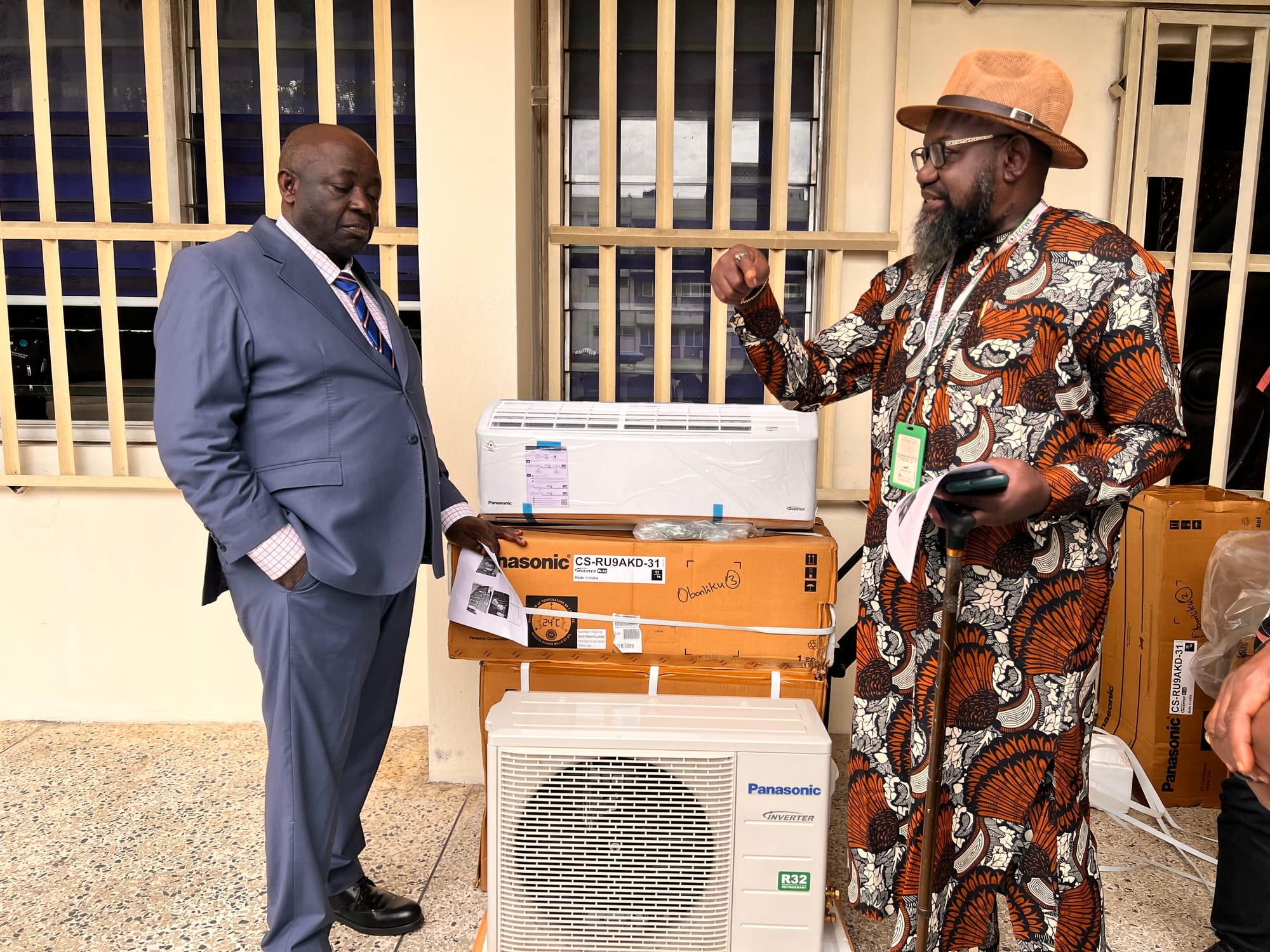
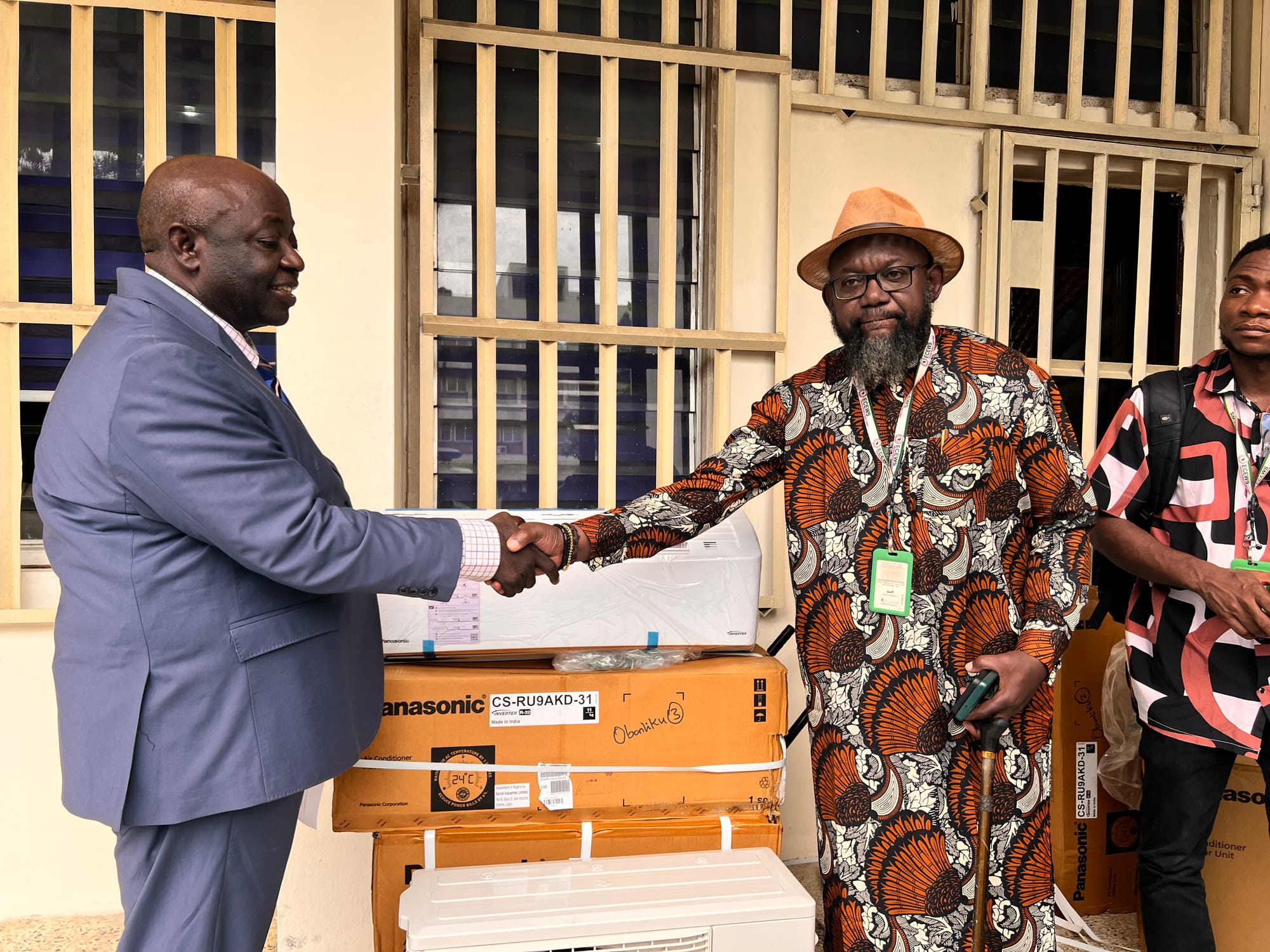
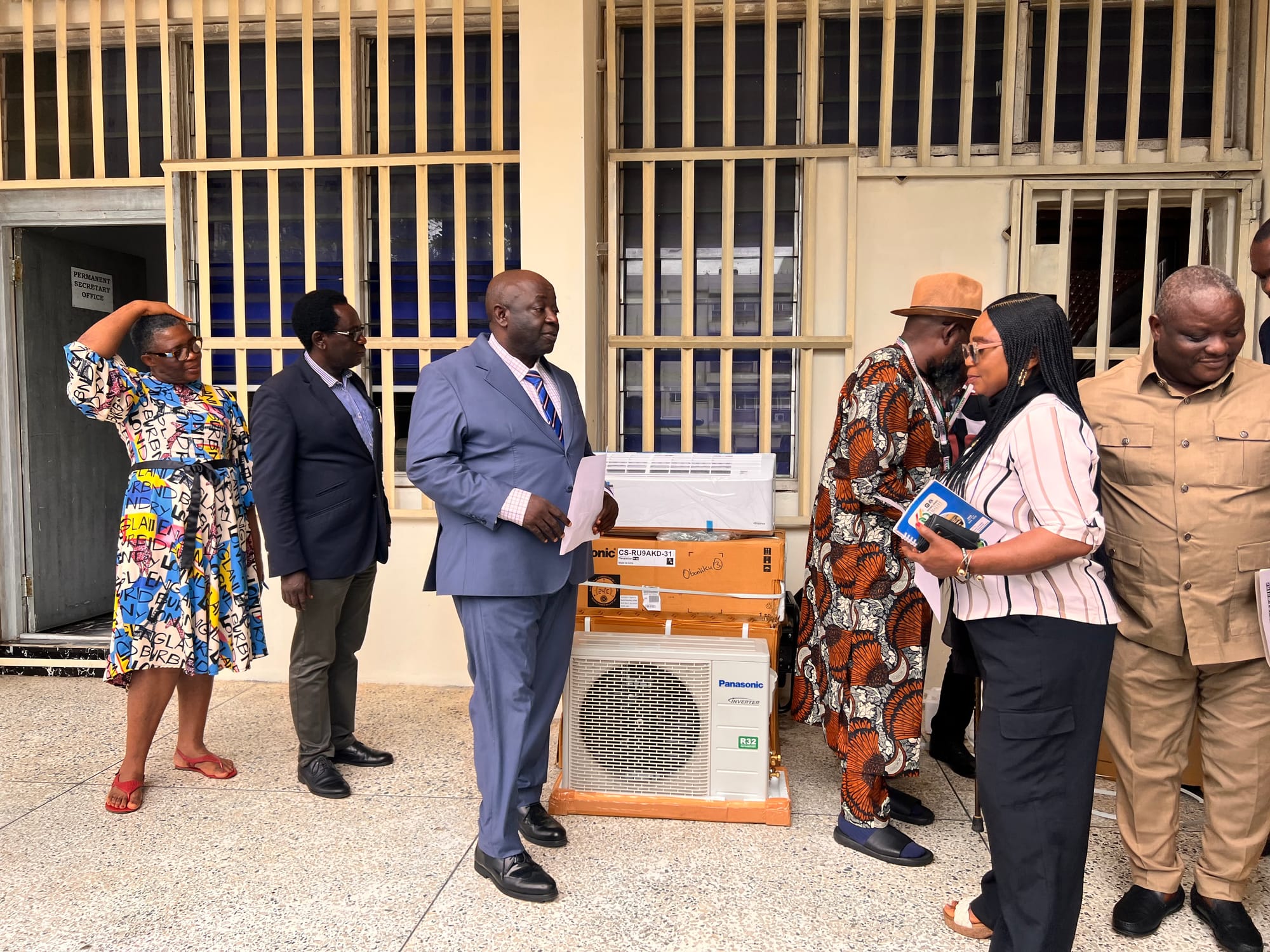
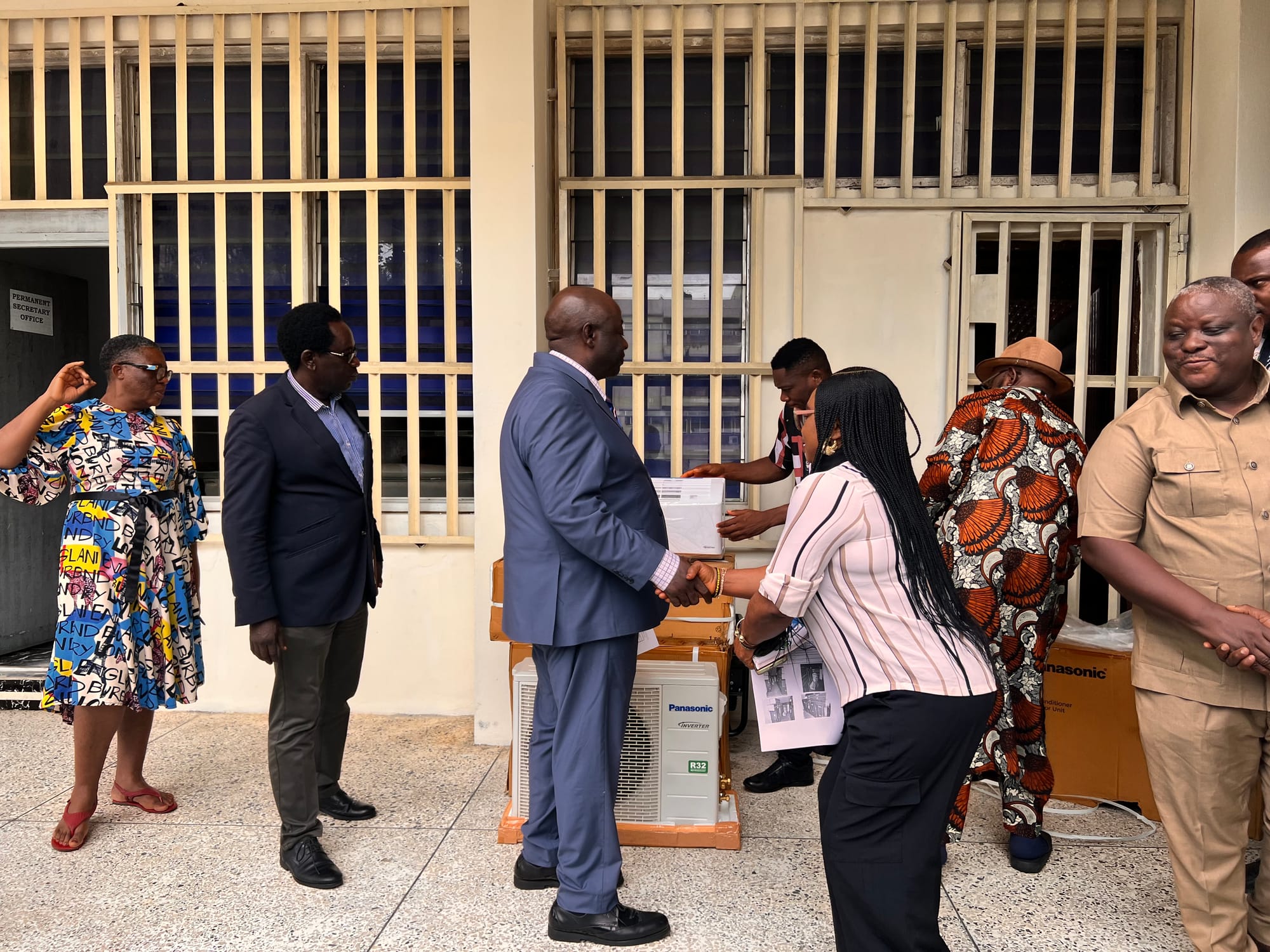
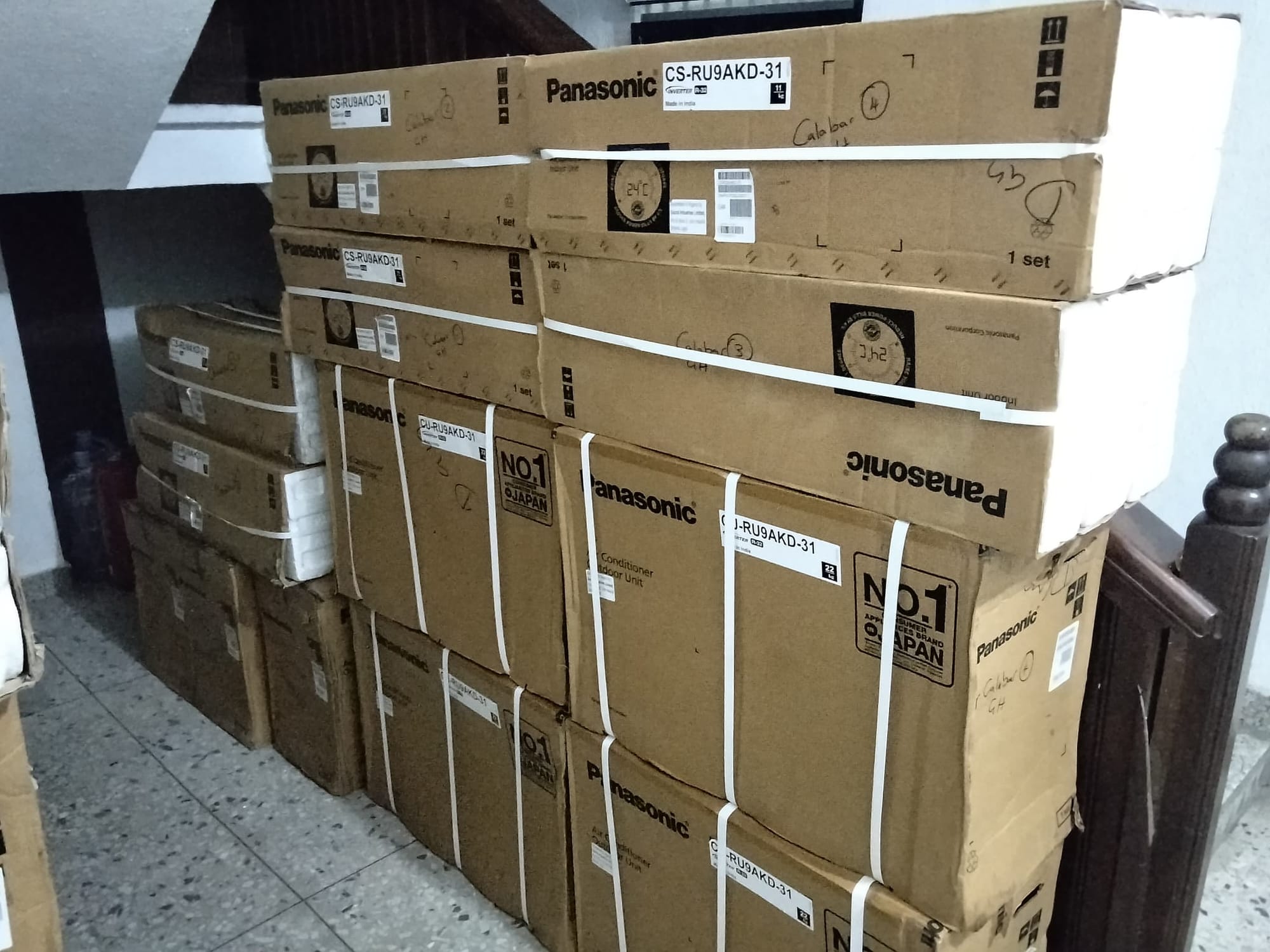
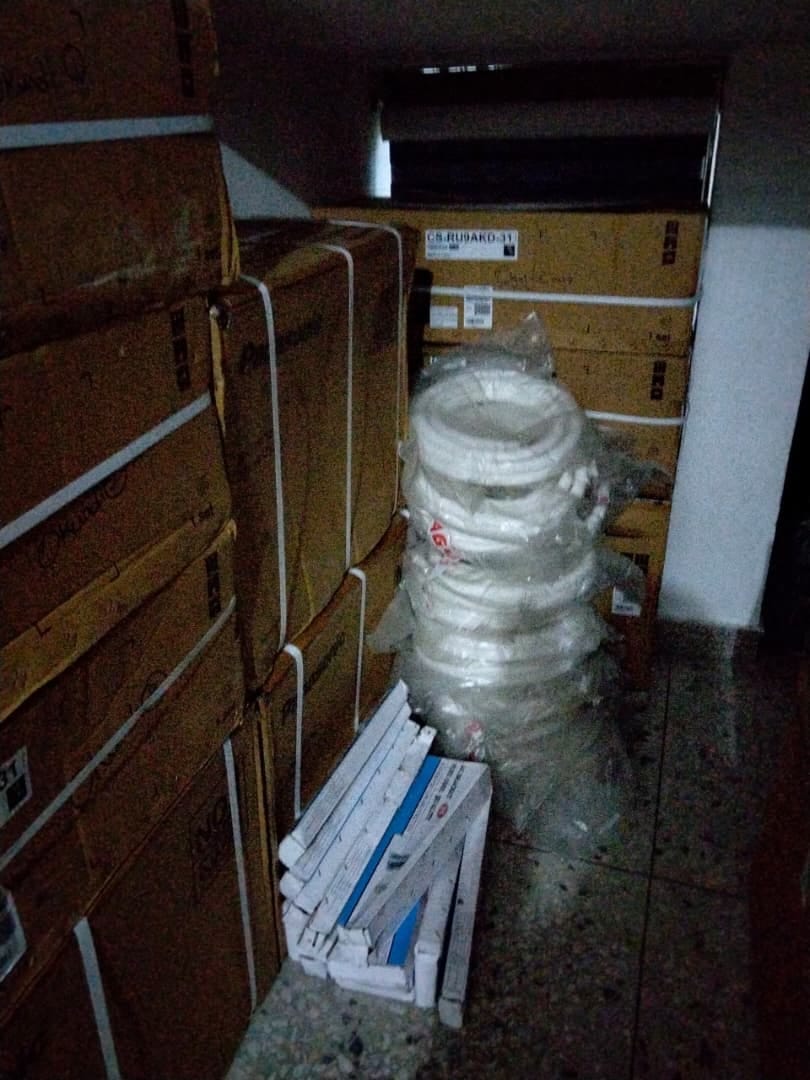
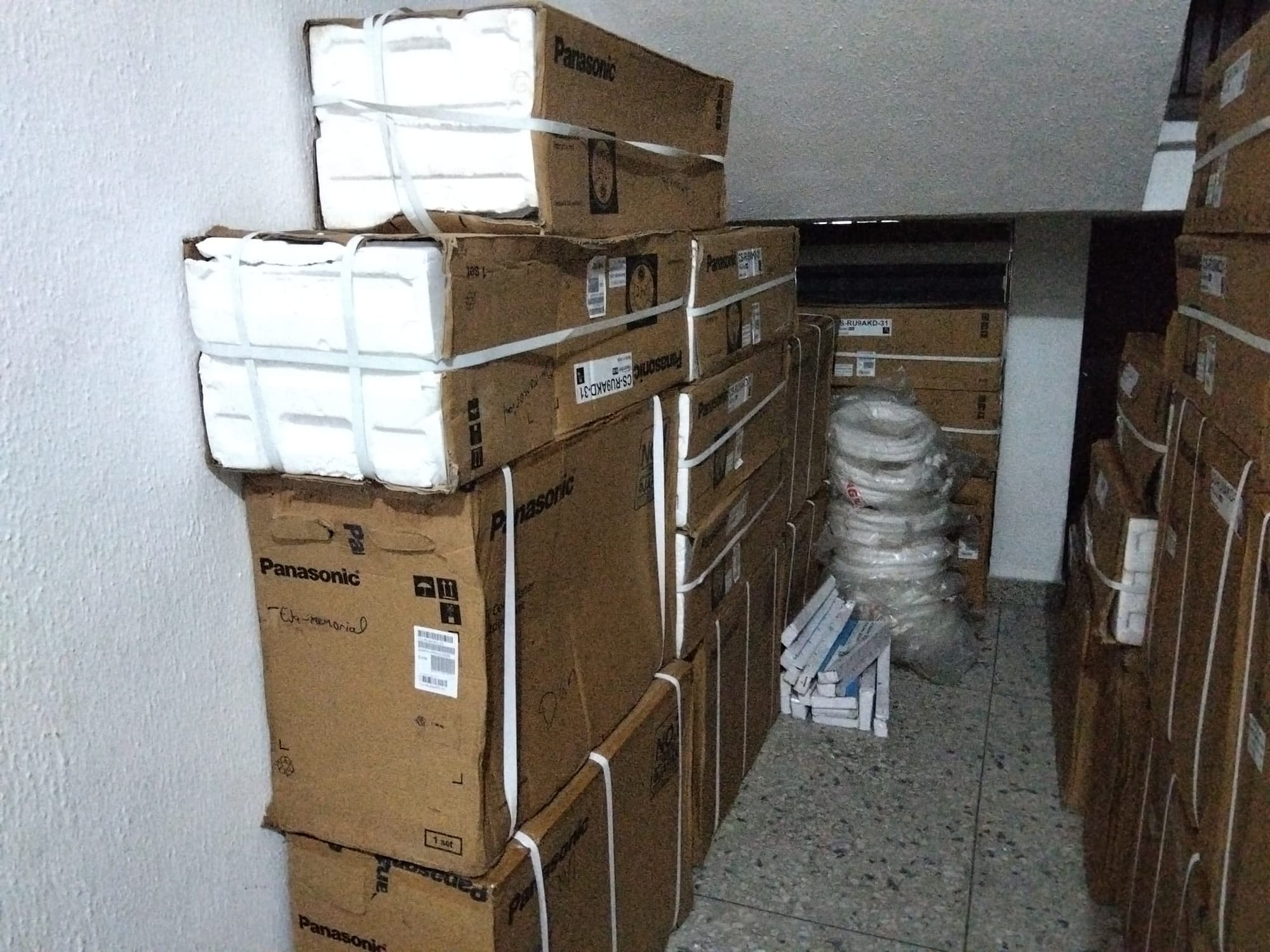
The Excellence Community Education Welfare Scheme (ECEWS) has donated 14 units of 1HP Panasonic inverter air conditioners to selected public health facilities in Cross River State to enhance pharmaceutical storage, laboratory operations and overall healthcare service delivery.
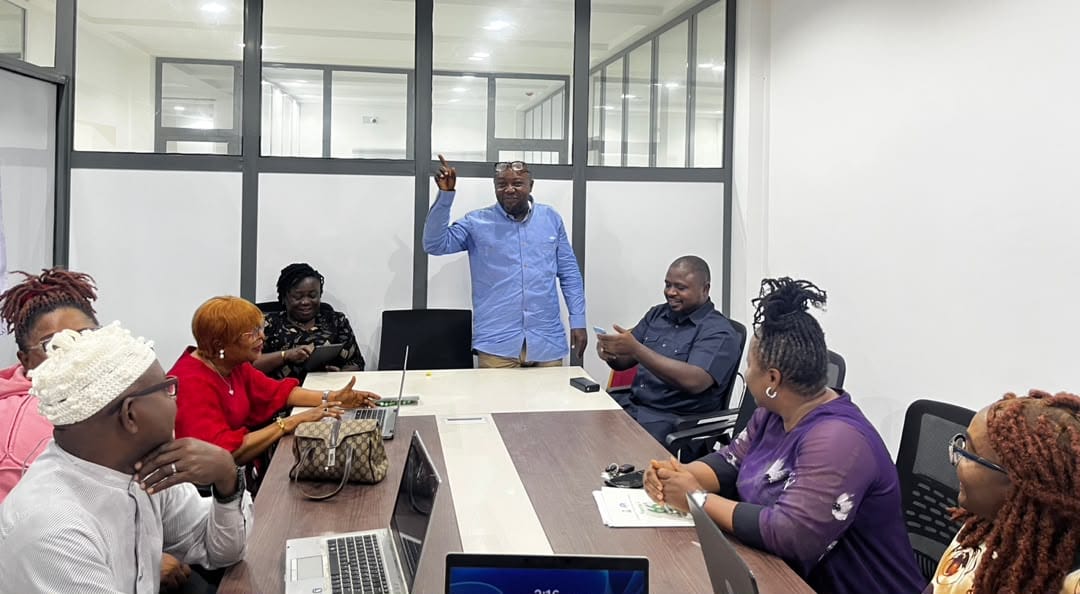
Speaking during the presentation held at the Ministry of Health headquarters in Calabar on Wednesday, the State Director of ECEWS, Dr. Joe Umana, said the intervention was aimed at strengthening the state’s integrated healthcare delivery system by providing conducive environments for the storage and dispensing of tuberculosis (TB), HIV and other temperature-sensitive medical commodities.
“We are doing this to ensure an integrated system of healthcare delivery in Cross River State. We discovered that some pharmacies and laboratories were not conducive for storing medicines used in the treatment of TB and HIV. These air conditioners will help preserve the quality of those medicines and improve service delivery,” Dr. Umana said.
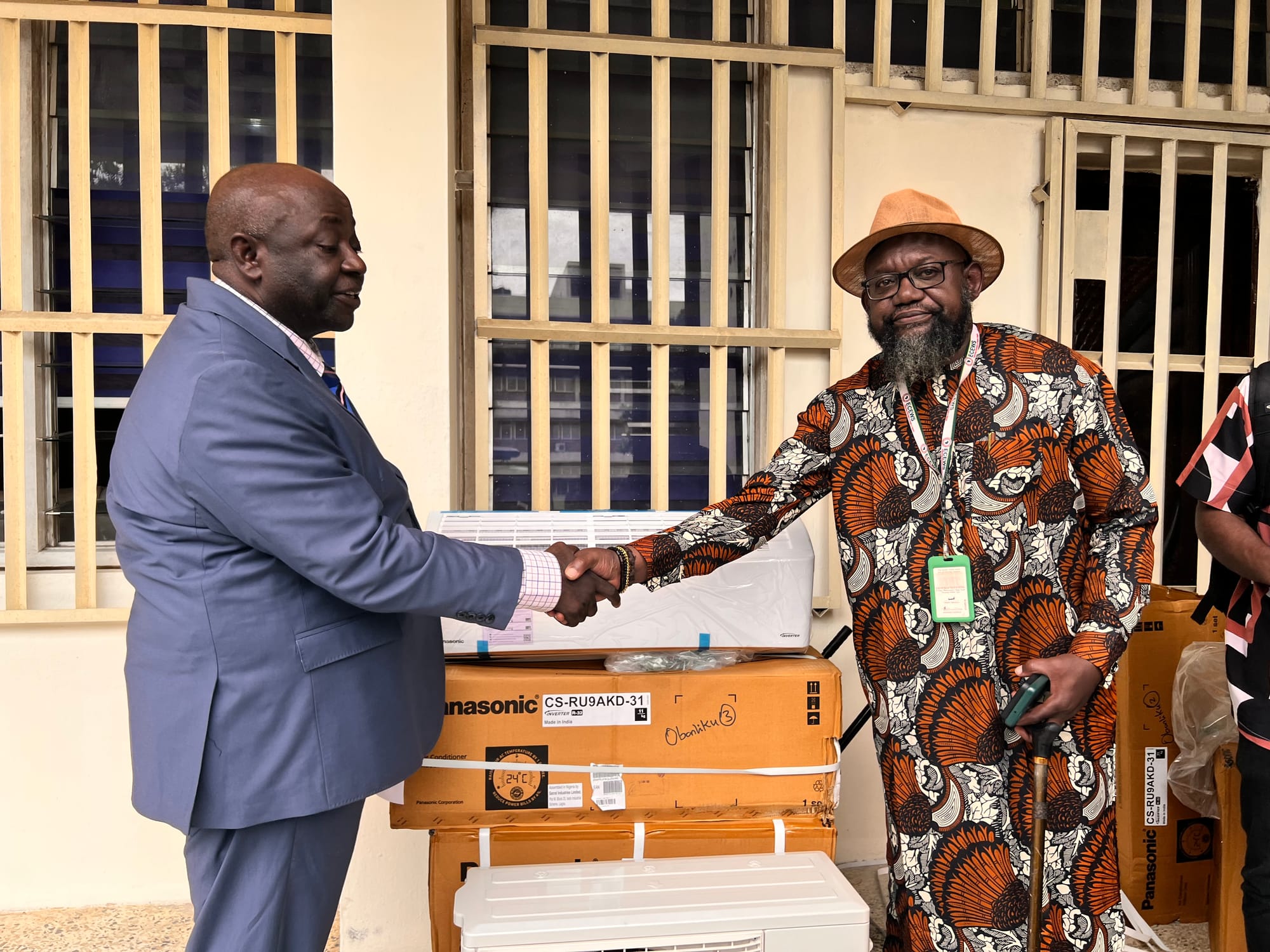
According to the ECEWS distribution schedule, Obanliku General Hospital and Okundi Cottage Hospital will each receive three units of the air conditioners, while Ogoja General Hospital, Akamkpa General Hospital, Ogoja Comprehensive Medical Centre, and Eja Memorial Hospital, Abi, will receive one unit each. General Hospital Calabar will receive four units. The inverter air conditioners will complement the solar power systems previously installed by ECEWS in the beneficiary facilities.
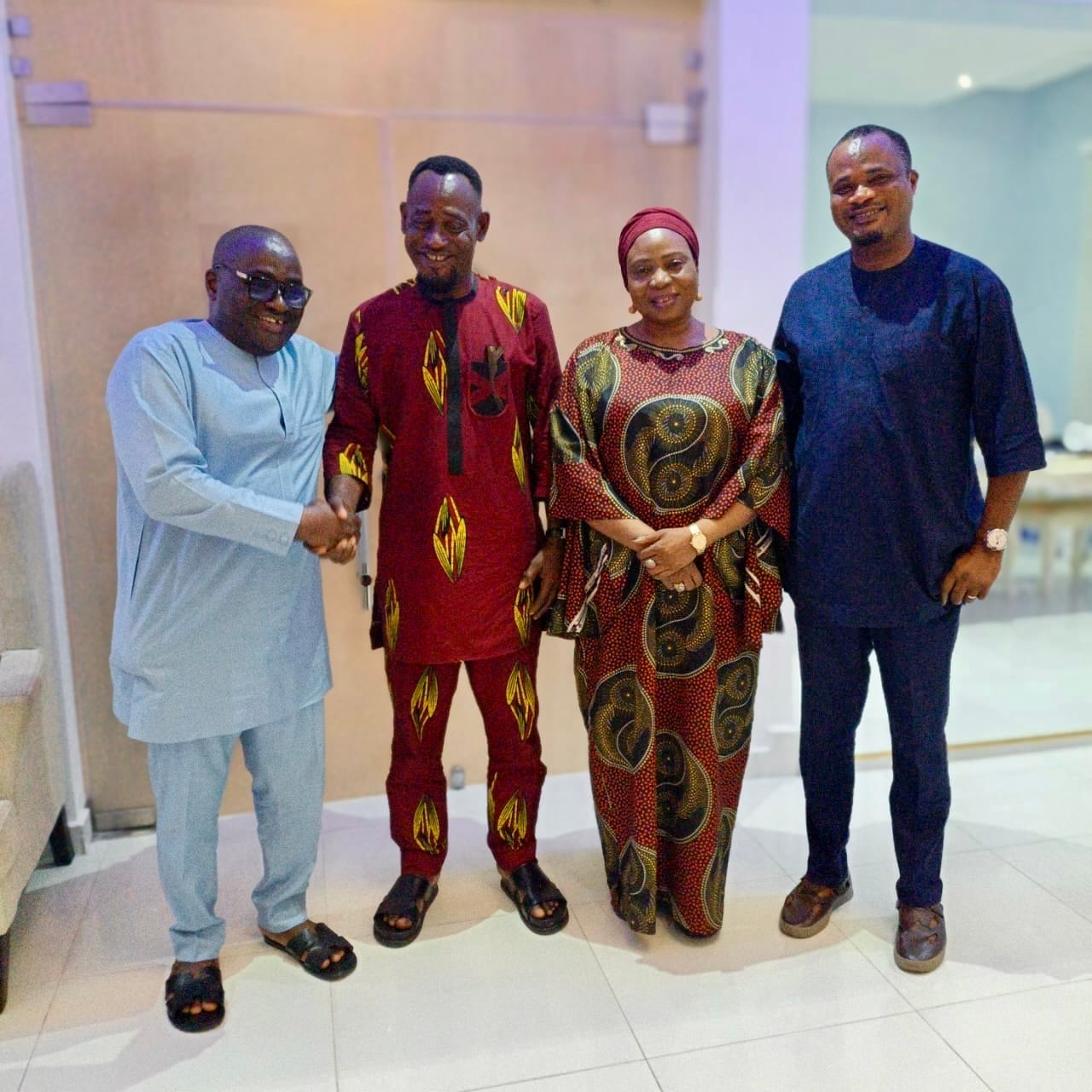
Receiving the donation on behalf of the Cross River State Government, the Commissioner for Health, Dr. Henry Egbe Ayuk, expressed appreciation to ECEWS for its sustained partnership and invaluable contributions to strengthening the state’s health system.
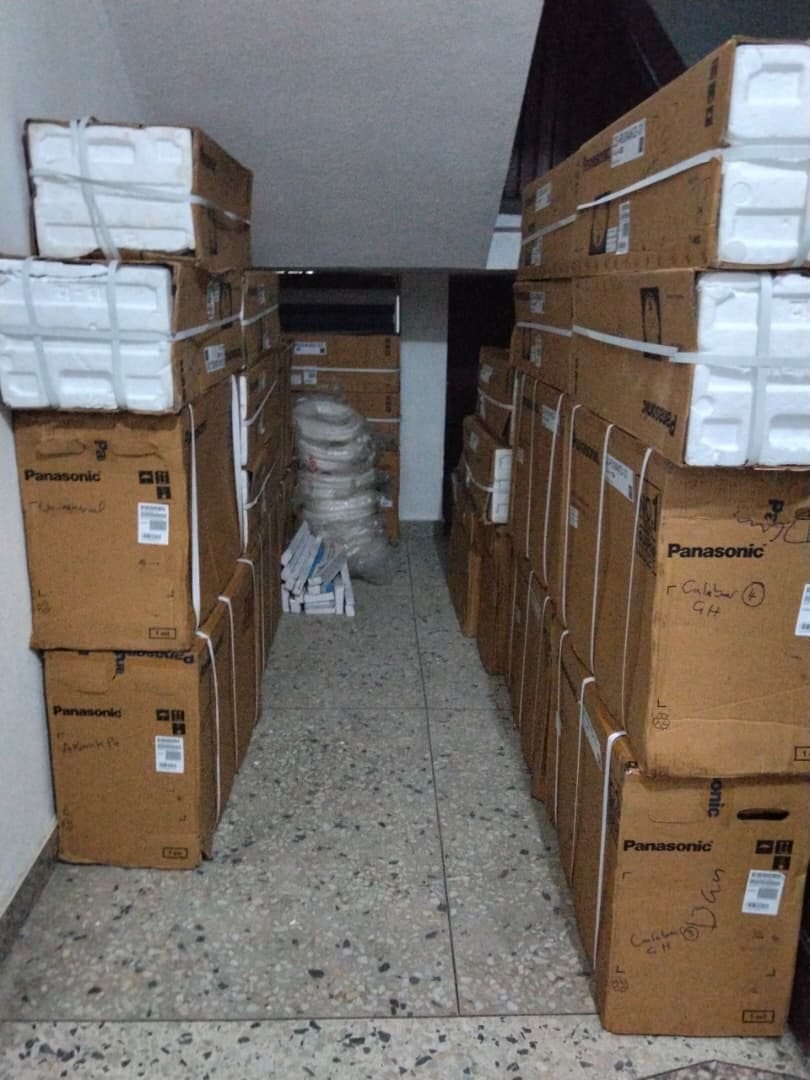
“We are indeed grateful for this continued partnership. On behalf of His Excellency, Governor Senator Prince Bassey Edet Otu, I assure you that these air conditioners will be properly deployed, monitored and safeguarded to enhance healthcare service delivery across the beneficiary facilities,” Dr. Ayuk stated.
The Commissioner directed directors and programme managers in the Ministry to maintain comprehensive monitoring records for all donor-supported interventions, emphasizing the need for accountability, proper documentation and clear identification of officers responsible for each donated item.
He also assured ECEWS that adequate security measures would be put in place to protect the equipment while urging health facility managers to ensure their optimal utilisation for the benefit of patients.
By Kingsley Agim