
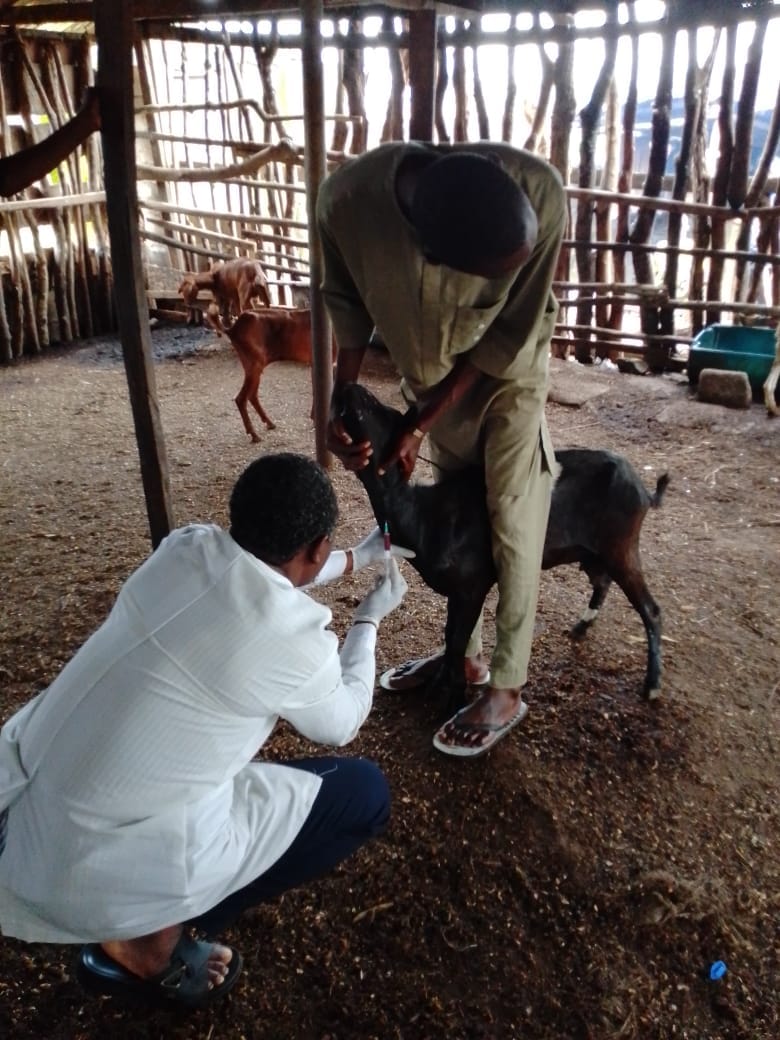
The Federal Ministry of Livestock Development, in collaboration with the Cross River State Government, has commenced a national sero-surveillance exercise in Cross River State.
The exercise targets 600 livestock samples to generate scientific data on animal health and support the national effort to eradicate Peste des Petits Ruminants, PPR, by 2030.
The exercise covers multiple livestock species and diseases, with samples expected to provide information on organisms and strains circulating in different parts of the State.
The Director of Veterinary Services, Cross River State Ministry of Livestock, Aquaculture and Fisheries Development, Dr. U.J. Undiandeye, said Cross River is strategically important due to its significant livestock population, major animal movement routes, and international border with Cameroon.
According to him, the state serves as a key route for livestock moving into the southern part of the country, while cross-border movement also creates a potential pathway for the introduction of animal diseases.
Dr. Undiandeye noted that livestock brought into Cross River from major producing states, including Taraba, Benue and Adamawa, could introduce diseases, particularly when infected animals purchased from markets are mixed with existing herds and flocks.
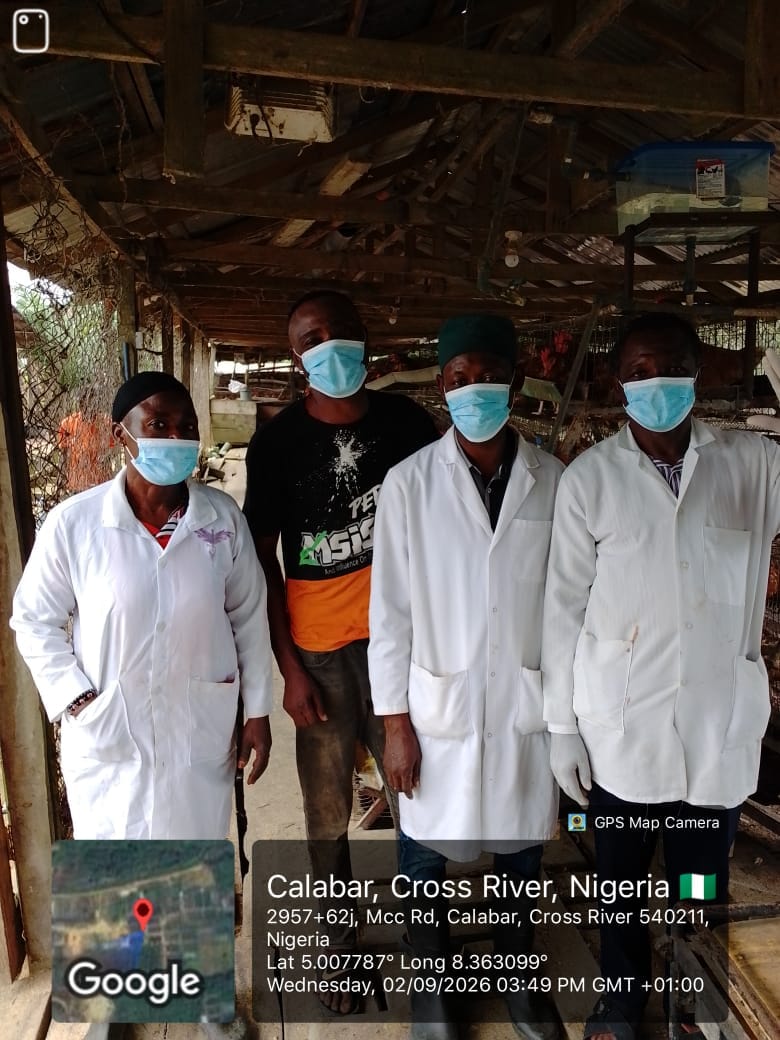
He disclosed that Calabar Municipal, Calabar South, Ikom and Ogoja were randomly selected for the exercise to ensure representation across different parts of the State.
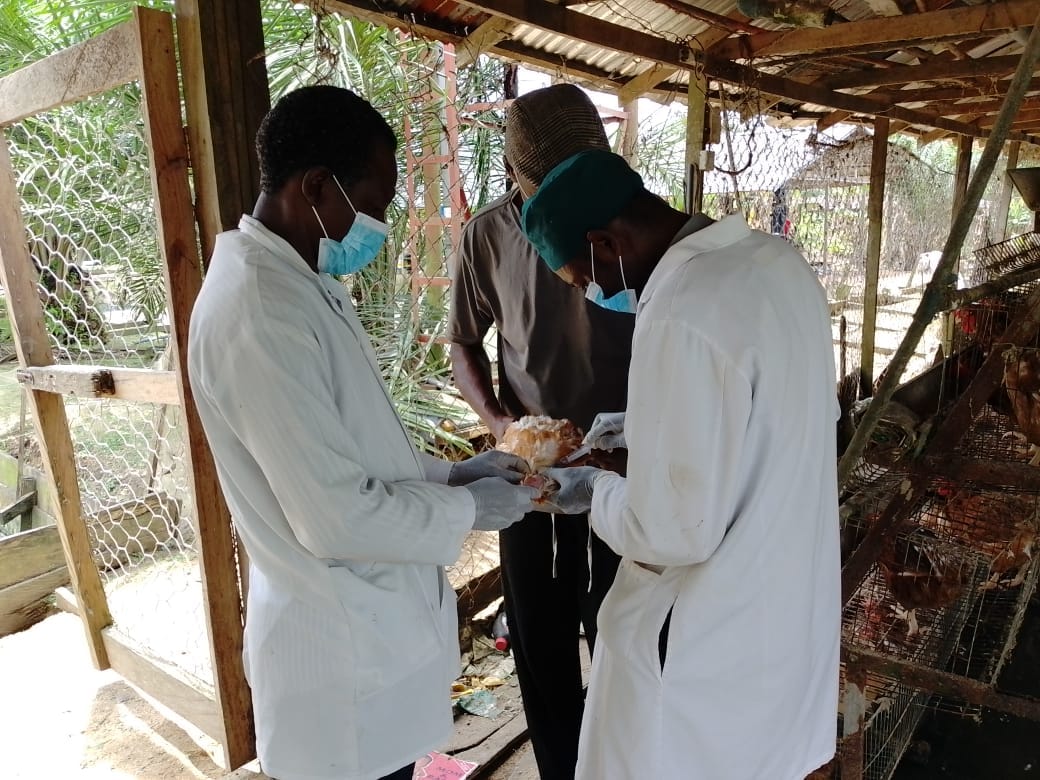
The Team Leader, Dr. Ebi Appolos, said field activities began in Calabar Municipal before moving to Calabar South, Ikom and Ogoja, with samples collected from different categories of animals.
Dr. Appolos revealed that additional samples were collected where necessary to replace any that might become unusable during handling or transportation.
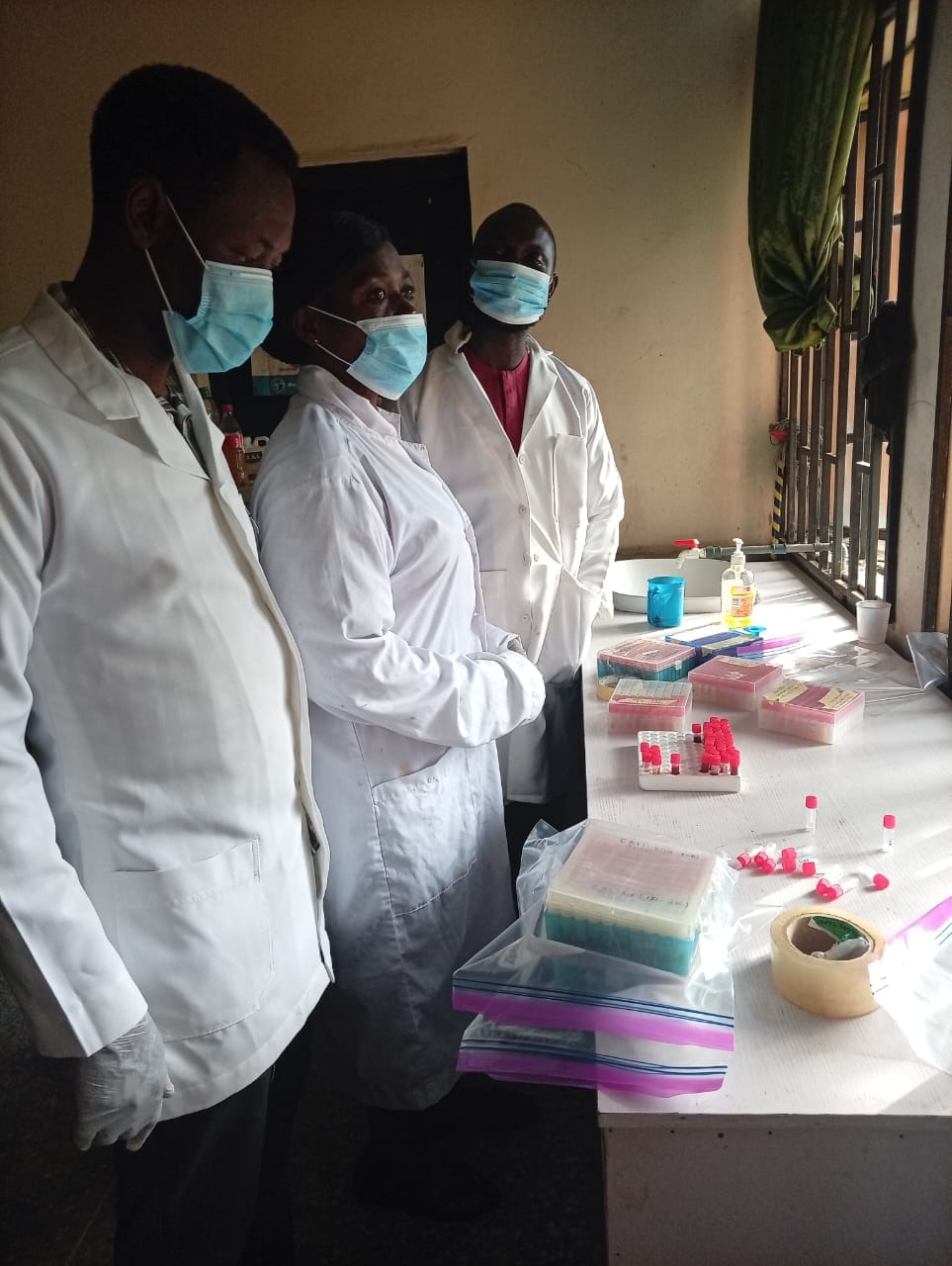
He added that the samples were properly separated and packaged for transportation to the National Veterinary Research Institute, NVRI, Vom, Plateau State, for laboratory analysis.
On sample preservation, Dr. Undiandeye explained that the veterinary team maintained the cold chain throughout the exercise.
"Samples were stored in cold boxes with ice packs, while ice supplies were replenished regularly to maintain the required temperature until they arrived at the National Veterinary Research Institute. This measure was necessary to ensure that the samples remained suitable for laboratory analysis," Dr. Undiandeye said.
He further explained that the laboratory analysis would help determine the organisms and disease strains circulating in different environments.
According to him, the findings will provide scientific evidence to guide future vaccination and other appropriate veterinary interventions, while contributing to the development of candidate vaccines.
The veterinary team also strengthened cooperation with livestock farmers through direct engagement, where they explained the purpose of the exercise, the sampling process and how the findings would ultimately benefit livestock owners.
Dr. Undiandeye linked the exercise to Nigeria’s broader animal health objectives, particularly the national goal of eradicating PPR by 2030.
He noted that reliable scientific data from the field would strengthen decision-making and help protect livestock and the livelihoods of farmers.
The Director called for sustained collaboration among government, veterinary professionals and livestock farmers, saying collective efforts remain essential to achieving the country’s livestock health objectives.

By Arit Ubi