

Cross River State Governor, Senator Prince Bassey Edet Otu, has flagged off the development of the state's maiden Climate Transition Plan, aimed at strengthening climate resilience, protecting biodiversity and promoting sustainable economic growth.
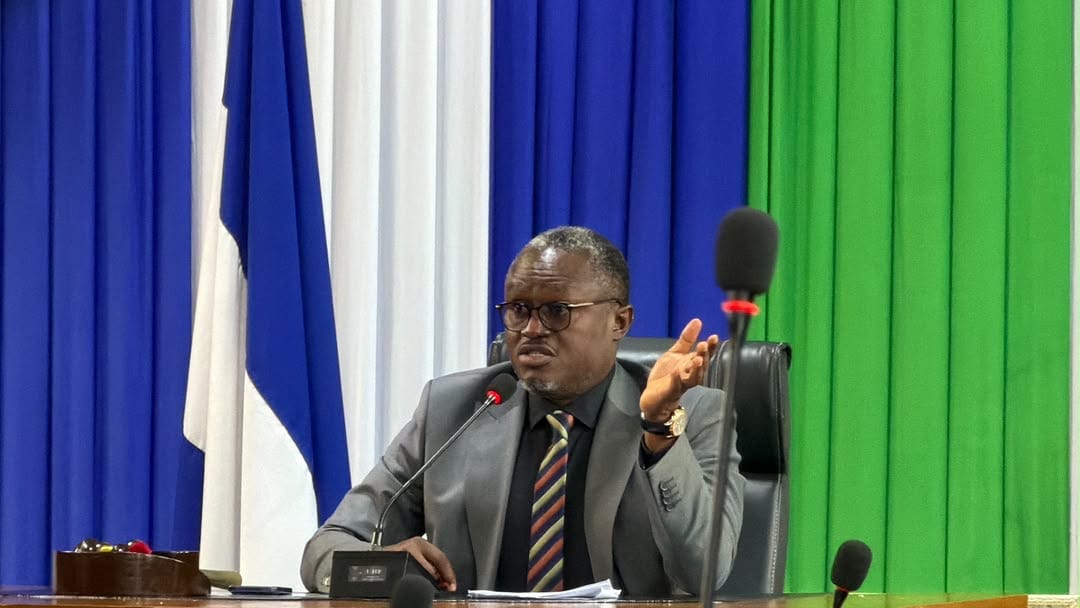
Governor Otu, who was represented by the Speaker of the Cross River State House of Assembly, Rt. Hon. Elvert Ayambem, performed the flag-off on Tuesday, October 20, 2026, during the inaugural workshop at the State Library, Calabar.
Describing climate change as an urgent economic, environmental and developmental challenge requiring coordinated action by government, the private sector and local communities, Otu said the initiative aligns with his administration's People First agenda and would provide a strategic framework for addressing changing weather patterns, unpredictable agricultural cycles and ecological displacement.
He noted that Cross River occupies a strategic position in Nigeria's conservation efforts, with more than half of the country's remaining tropical rainforests, alongside valuable mangrove ecosystems and rich biodiversity requiring deliberate protection.
According to him, the plan will begin with four baseline assessments across the state's 18 Local Government Areas, covering greenhouse gas emissions, climate risks and vulnerabilities, climate finance, and mitigation strategies to establish reliable data for evidence-based action.
Otu expressed appreciation to Future Funds, the Under2 Coalition and the Climate Group for providing the seed grant to support the assessments. He also acknowledged the contributions of the Food and Agriculture Organization (FAO) and the United Nations Development Programme (UNDP) to the state's environmental, agricultural and green development initiatives.
He urged heads of Ministries, Departments and Agencies (MDAs), Local Government Chairmen, civil society organisations, community representatives and private-sector stakeholders to participate actively, stressing that the plan's success depends on reliable data, collective ownership and practical implementation.
The Governor called on financial institutions and private-sector partners to explore green financing, green bonds and sustainable business models to support the state's transition to a greener economy.
He disclosed that the workshop would review and finalise the first-order drafts of the Cross River State Climate Change Policy and Action Plan and the Green Economy Policy and Action Plan, and urged participants to produce a practical, inclusive and evidence-based framework that would protect natural resources, strengthen livelihoods and create economic opportunities.
Earlier, the Director-General of the Cross River State Council on Climate Change, Dr. Edu Effiom, commended Governor Otu for establishing the Council and providing the political leadership needed to advance climate governance in the State.
She explained that the workshop would initiate the development of the Climate Transition Plan, facilitate a review of its zero draft and commence baseline studies across the 18 Local Government Areas. She stressed that the participation of MDAs and Council Chairmen is essential to providing sector-specific data and technical contributions that will shape the plan's targets, projections and policy priorities.
Effiom maintained that climate action must be integrated into government budgets and local development plans to ensure effective implementation, adding that the Council is committed to coordinating the technical and institutional support required to drive the process.
In a goodwill message, the Vice Chairman and Chief Executive Officer of the State Planning Commission, Dr. Bong Duke, described the initiative as a significant milestone in Cross River's pursuit of long-term socio-economic resilience.
The Commission stressed that the Climate Transition Plan should not be treated merely as an environmental policy but as a central framework for future economic development, with climate adaptation and mitigation integrated into infrastructure planning, budgeting and sectoral strategies.
It pledged institutional cooperation with the State Council on Climate Change to ensure that technical data, economic targets and policy recommendations from the process are incorporated into the state's medium and long-term development plans, and called for contributions from development partners, civil society organisations, financial institutions and private-sector operators to ensure an inclusive and financially sustainable climate framework.