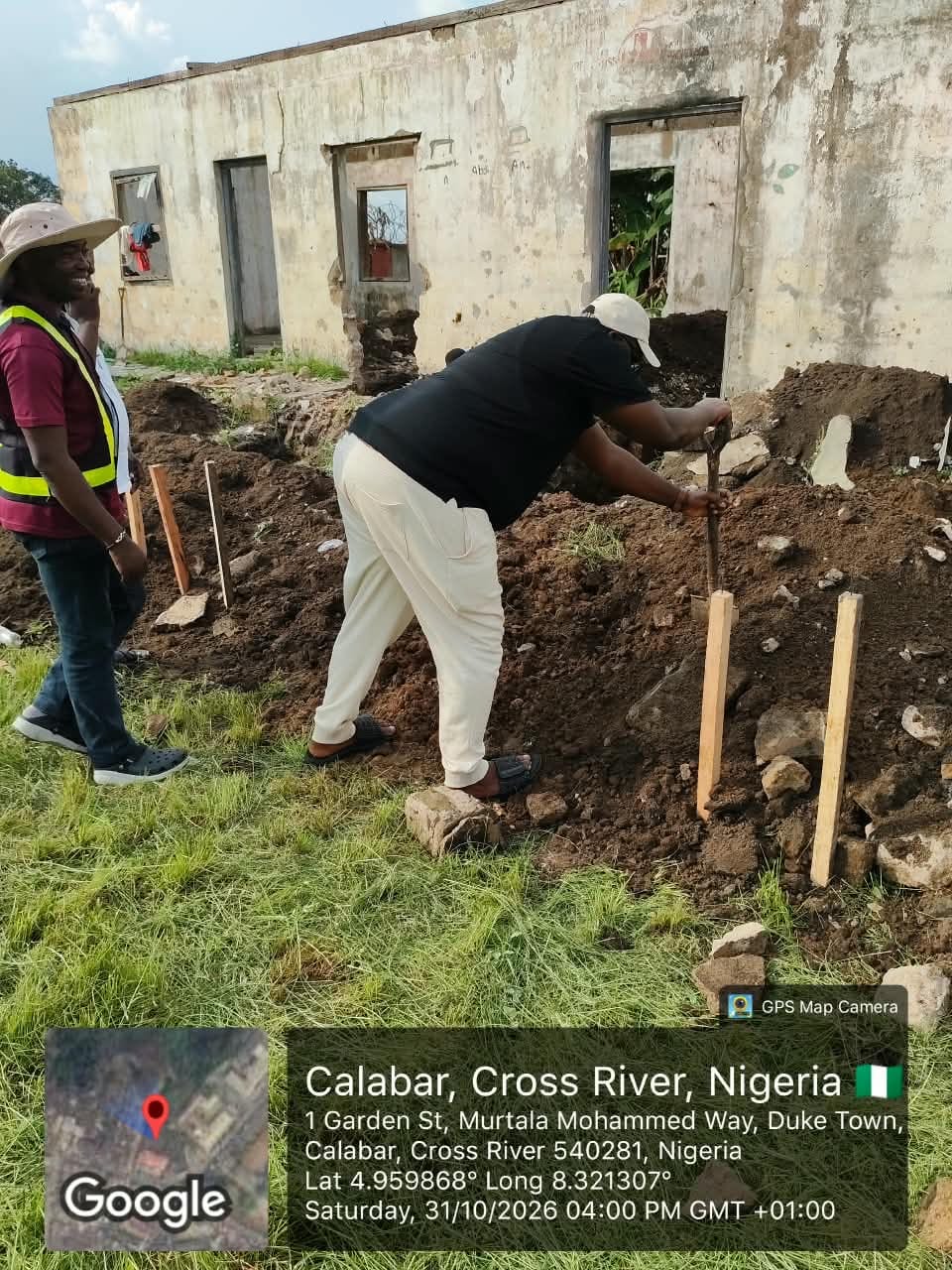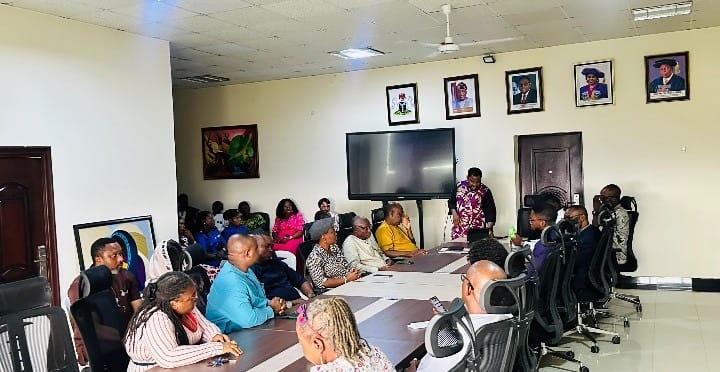

The South-South Development Commission (SSDC), in collaboration with the Cross River State Emergency Management Agency (CR-SEMA), has commenced preparations for the desilting of major drainage channels in Calabar to address recurring flooding and protect vulnerable communities.
The intervention began with a final assessment of drainage channels in Kasuk Qua Clan 2, identified as the first community scheduled to benefit from the exercise following years of flooding that have disrupted residential and economic activities.
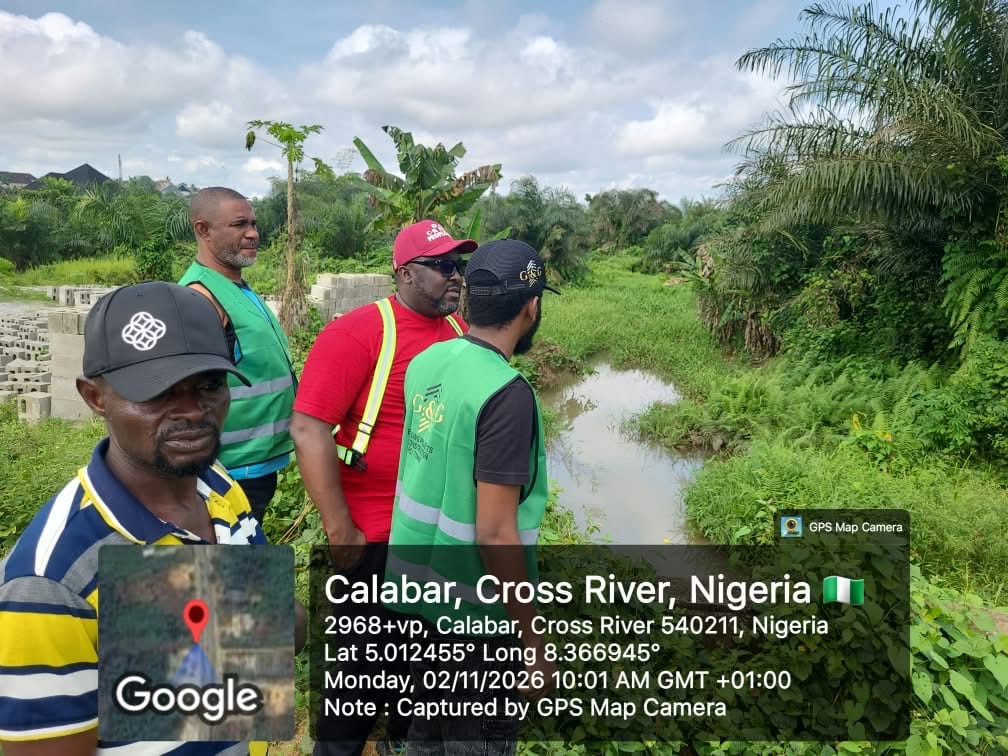
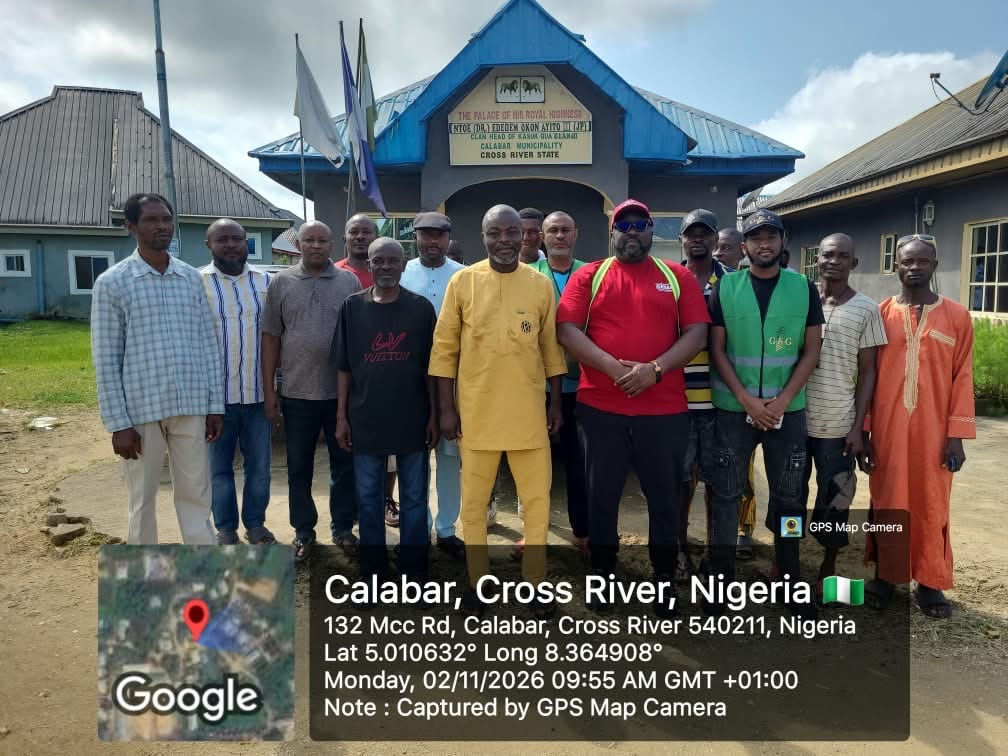
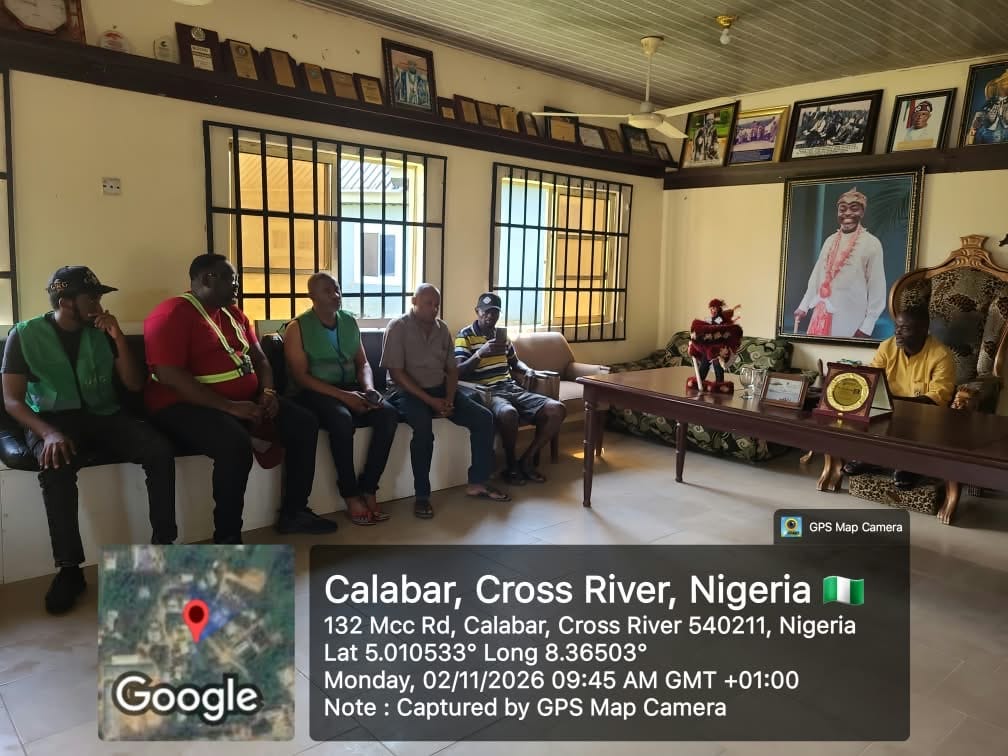
The Director-General of CR-SEMA, Mr. Efa Nyong, accompanied by engineers, visited the community to inspect the affected drainage network, assess the extent of obstruction and determine the scope of work ahead of the commencement of desilting.
Receiving the team, the Clan Head of Kasuk Qua Clan 2, His Royal Highness Ntoi Edet Okon Ayito, described flooding as a longstanding challenge caused largely by blocked drainage channels and inadequate culverts.
He explained that the drainage channel, which conveys stormwater from Effio-Ette and neighbouring communities into the river, had become heavily obstructed, causing water to overflow into residential areas during heavy rainfall.
According to him, previous efforts to clear the channel, including the deployment of a swamp buggy, provided only temporary relief as the drainage repeatedly became blocked.
The traditional ruler disclosed that the recurring floods had forced some residents to abandon their homes and seek temporary shelter in nearby schools and other locations.
Expressing appreciation to the Federal Government, Governor Senator Prince Bassey Edet Otu and CR-SEMA for the intervention, Ayito said: “We are grateful for this intervention because flooding has been a major challenge to our people for years. Some residents have been forced to leave their homes and seek shelter elsewhere whenever the situation becomes unbearable.”
He expressed optimism that the planned desilting would improve water flow, reduce flooding and restore normalcy to the community, particularly with more rainfall expected.
Speaking during the assessment, Nyong emphasised the importance of clearing obstructed drainage channels as a practical measure for reducing flood risks and protecting lives and property.
He said the exercise was aimed at improving the flow of stormwater through major drainage channels and addressing the flooding challenges confronting vulnerable communities.
The CR-SEMA Director-General urged residents to support the intervention by keeping drainage channels free of refuse and other materials that could obstruct water flow, stressing that community cooperation was essential to sustaining its benefits.
Following the assessment, Nyong and the engineering team inspected heavily silted sections of the drainage network and identified areas requiring attention to guide the commencement of the desilting work.




By David Asu