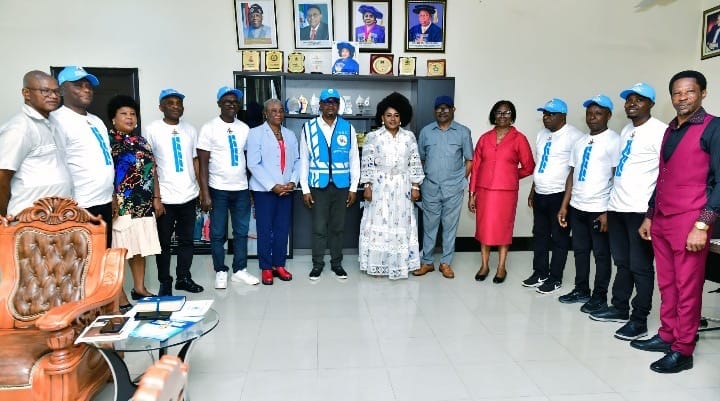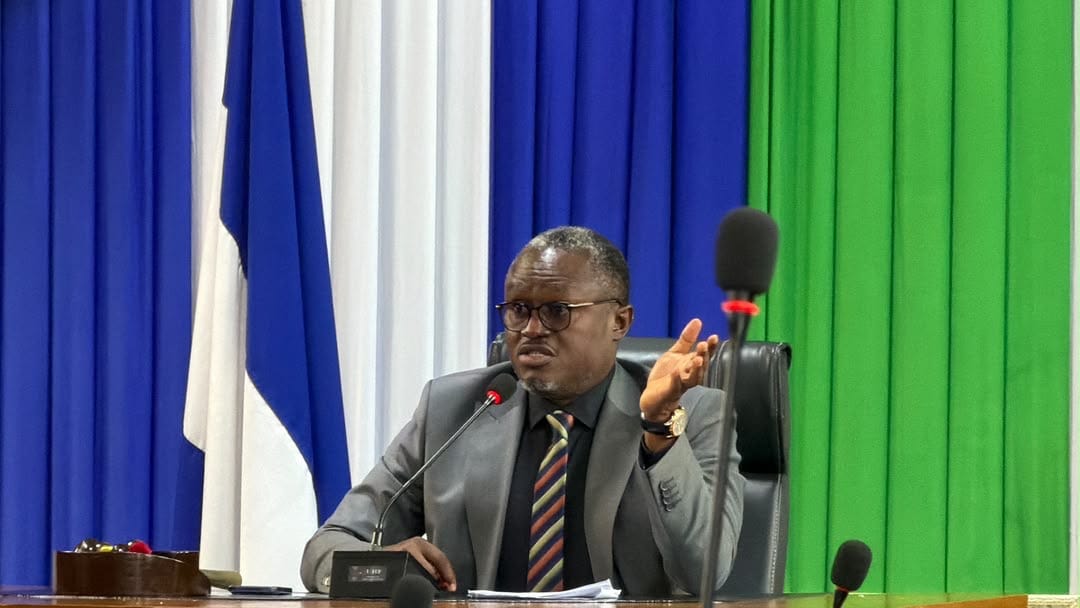


The University of Cross River State (UNICROSS), in collaboration with the Independent Corrupt Practices and Other Related Offences Commission (ICPC), Akwa Ibom State Office, Uyo, has held a sensitisation programme on ethics and anti-corruption compliance to strengthen ethical conduct, accountability and responsible leadership within the institution.
The programme brought together members of Top and Expanded Management, Deans, Directors, Deputy Deans, Deputy Directors, Deputy Registrars, Professors and other members of the University community for intensive engagement on ethical standards, responsible organisational behaviour, protection of public resources and compliance with anti-corruption regulations.
Declaring the programme open on behalf of the Vice Chancellor, Prof. Francisca Bassey, the Deputy Vice Chancellor (Administration), Prof. Thomas Ojikpong, described the engagement as “a significant and memorable development in the history of the University.”
Ojikpong urged participants to pay close attention to the presentations and make the most of the opportunity to deepen their understanding of ethics and accountability.
He said the programme was part of the Vice Chancellor’s determination to ensure that members of the University community were adequately informed and guided on responsible administration, urging participants to apply the knowledge gained in their respective areas of responsibility.
In his goodwill message, the Head of Delegation and Resident Anti-Corruption Commissioner of the ICPC Akwa Ibom State Office, Mr. Alaro Shaiub, commended the University Management for providing the platform for the engagement.
Shaiub noted that universities play a critical role in shaping values and producing future leaders, stressing that corruption could begin with seemingly minor compromises. He therefore urged participants to develop “a strong culture of integrity and compliance” in the discharge of their duties.
Speaking on corruption risk areas and compliance obligations in public tertiary institutions, the Head of System Service and Review Department, Mr. Akpan Nsuhoridem, identified procurement, payroll, revenue collection, project execution, grants and asset management as areas requiring strong internal controls, monitoring and accountability.
The Second-in-Command of Investigation, Mr. John Okokon Okam, said public resources were held in trust and must be managed with a high level of responsibility. He identified weaknesses in processes, internal controls, organisational culture and technology as factors that could create opportunities for systemic fraud, while emphasising prevention, effective systems review and protection of whistle-blowers.
Also speaking, Dr. Bassey Anam Ekpenyong, Deputy Director, Institute of Language and Collaboration, University of Calabar, examined organisational behaviour and ethical leadership, using practical examples to demonstrate how inconsistency in the application of rules could undermine trust and create a culture of impunity.
Ekpenyong stressed that “ethical leadership requires fairness, integrity, transparency, accountability and responsible use of institutional resources,” noting that the behaviour of leaders and staff ultimately shapes the culture of an organisation.
The interactive session gave participants the opportunity to seek clarification on practical ethical issues, including whether accepting gifts from individuals connected to official duties could constitute wrongdoing. The ICPC resource persons emphasised the need to distinguish genuine goodwill from inducement and urged caution and compliance with established regulations.
The Vice Chancellor, Prof. Francisca Bassey, who joined the programme after returning from an official trip, thanked the ICPC officials, members of Management, participants and organisers for making the engagement successful.
Bassey expressed satisfaction with the response of participants, stressing that “the future of UNICROSS depends on the collective actions and choices of its members.”
She urged staff to take personal responsibility for promoting positive change within the University, emphasising that meaningful transformation requires a conscious departure from practices that hinder institutional progress. She also directed that the lessons and proceedings of the programme be made available to the wider University community, including through digital platforms such as YouTube.
The programme, which continues today at the University’s New Cafeteria with teaching and senior non-teaching staff participating, is expected to further strengthen UNICROSS’s commitment to ethical conduct, accountability, transparency and responsible management of public resources.


By Kingsley Agim