

In public life, one week is long enough for rhetoric to fade and results to speak for themselves. From Sunday, 26 July to Saturday, 1 August 2026, reports from Cross River State presented a compelling study in purposeful government: a policy to retain frontline health expertise was approved; institutions were recalibrated; extension officers gained new tools for climate resilience; and security moved towards intelligence, technology and citizen partnership.
At the centre was Governor Bassey Edet Otu, whose People First Agenda continued to turn a compelling phrase into a practical philosophy of statecraft.
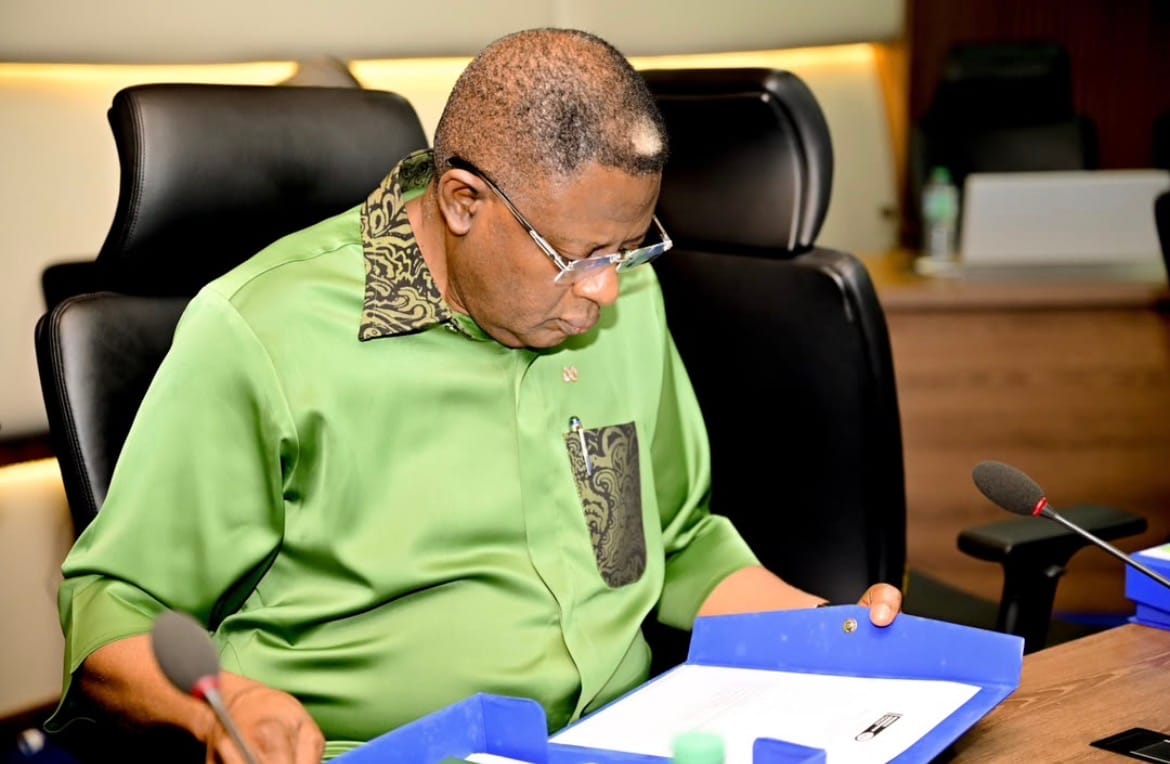
The week’s governance reforms revealed an administration concerned not merely with occupying office, but with improving the machinery through which office serves society. Governor Otu fine-tuned his cabinet, inaugurated new commissioners and insisted that public service be measured by contribution and impact.
That emphasis was reinforced by a Performance Management Framework, online personnel audit, labour engagement and digital reforms in local councils, pensions and workforce administration. Alongside faster Certificates of Occupancy and stronger cooperation between the revenue service and the Police, these measures advance a simple democratic truth: trust grows when government becomes easier to navigate, harder to manipulate and clearer about results.
Healthcare supplied the week’s strongest human story. The approved extension of the retirement age for eligible frontline health workers from 60 to 65 years is designed to preserve scarce experience as health systems compete for skilled professionals. It complements reforms reviewed during the week: a doubled health allocation, recruitment of more than 2,000 health professionals, revitalisation of over 100 primary healthcare centres and improved welfare for the people who keep them functioning.
For a nurse approaching compulsory retirement, a rural mother seeking dependable care or a young clinician needing mentorship, these are not abstract statistics; they are the architecture of reassurance.
Governor Otu’s health strategy is equally notable for joining access with quality and compassion with safeguards. Hospital automation and the Universal Health Coverage Coordination Centre are modernising records, disease surveillance and service coordination, while the State Health Insurance Scheme is widening the path to affordable care.
The Assembly’s passage of the Health Quackery (Prohibition) Bill, 2026, the suspension of an unauthorised medical outreach, tighter professional regulation and the Joint Annual Health Sector Review demonstrate that expanding care must never mean lowering standards. This is responsible progressivism: government protects citizens by providing services and defending their integrity.
Agriculture and investment formed another connected chain of opportunity. The approval of ₦525.3 million for a research and laboratory complex at the National Root Crops Research Institute Outstation in Obubra is intended to link science to food security, certified seed production and rural enterprise. Training with FAO, GEF-7 and FOLUR-NG is equipping extension officers to take climate-smart practices to cocoa, oil-palm and food-crop farmers.
Meanwhile, NSIA’s consideration of an integrated dairy platform in Obudu signals an ambition to move Cross River from selling potential to organising production.
Security, environmental resilience and commerce also converged intelligently. Together, Operation Okwok, the Unite Against Terror Security Summit and the Governor’s call for cooperation between citizens and security agencies reflect the understanding that lasting peace is co-produced, not imposed. The approved first phase of smart surveillance infrastructure is expected to deploy AI-enabled monitoring, coordinated command capacity, traffic management, flood alerts and environmental protection.
Drainage clearance protects lives and public assets, while maritime-security assurances and support for the Calabar–Cameroon passenger corridor could strengthen the blue economy. For a family near a blocked drain, a city commuter or a trader using that corridor, these measures promise safer homes, journeys and livelihoods.
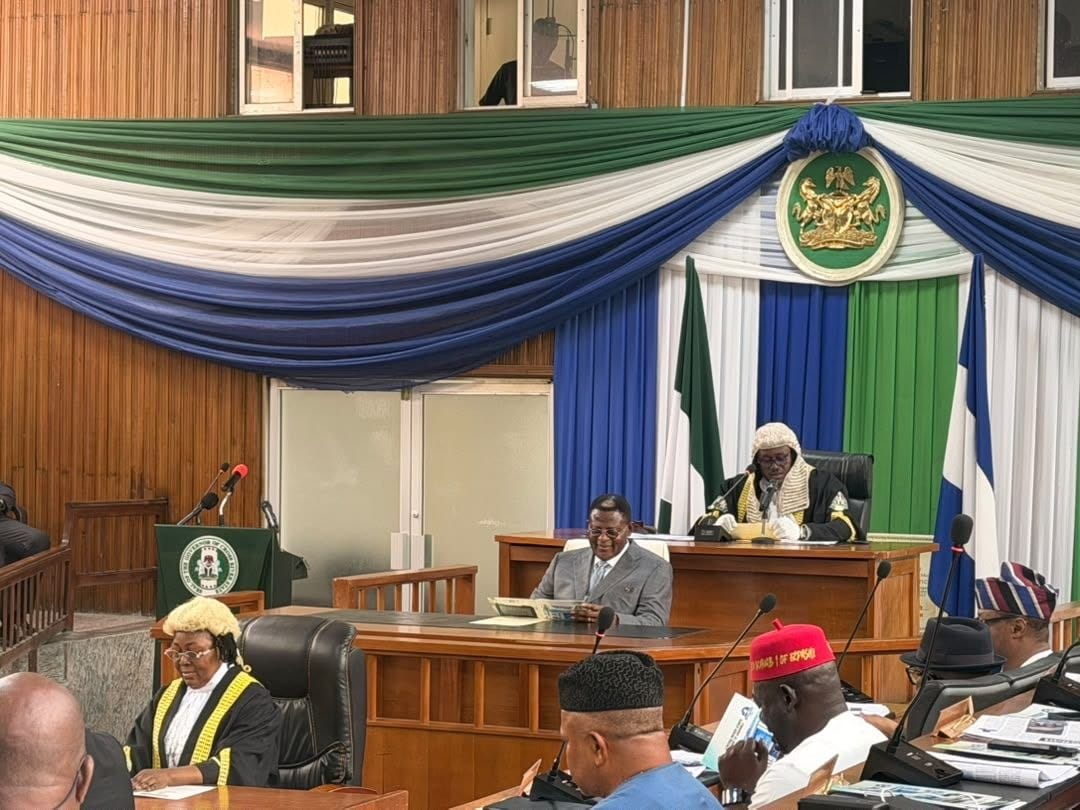
Human development completed the picture. The University of Cross River State’s commendation of the administration’s support, including infrastructure improvements, implementation of the new minimum wage and the accreditation of 17 academic programmes, shows education being treated as an investment in capability rather than a ceremonial budget line.
Pelican Stars’ return to the NWFL Premiership, supported through improved funding, prompt entitlements and player welfare, similarly affirms that sport is a platform for discipline, aspiration, women’s visibility and youth opportunity. A progressive state develops minds, bodies and institutions together.
Because the People First Agenda centres human-capital development, economic inclusion and sustainable livelihoods, these strides fit naturally within the Renewed Hope Agenda championed by Mr President, His Excellency Bola Ahmed Tinubu, GCFR. Cross River’s weekly record advances national priorities: inclusive growth through investment and clearer land rights; security through smarter systems; food security through research; education, health and social investment through human-capital reforms; and digitisation through accountable service delivery.
It equally reflects the Progressive Governors Forum’s commitment to people-oriented, accountable, responsible and responsive leadership, policy synergy and peer learning across progressive states.
What, then, makes Governor Otu progressive? It is not the label alone, but the method: linking compassion to competence, technology to accountability, security to opportunity and growth to human dignity. On the evidence reported in this productive week, Governor Bassey Edet Otu merits recognition as a progressive governor par excellence, a model deserving encouragement and emulation.
All progressively minded citizens, all true lovers of Cross River State and Nigerians as a whole should continue to support and encourage him. When constructive leadership is recognised and sustained by civic partnership, progress ceases to be an episode; it becomes a culture.
Culled from www.progressivenews.ng