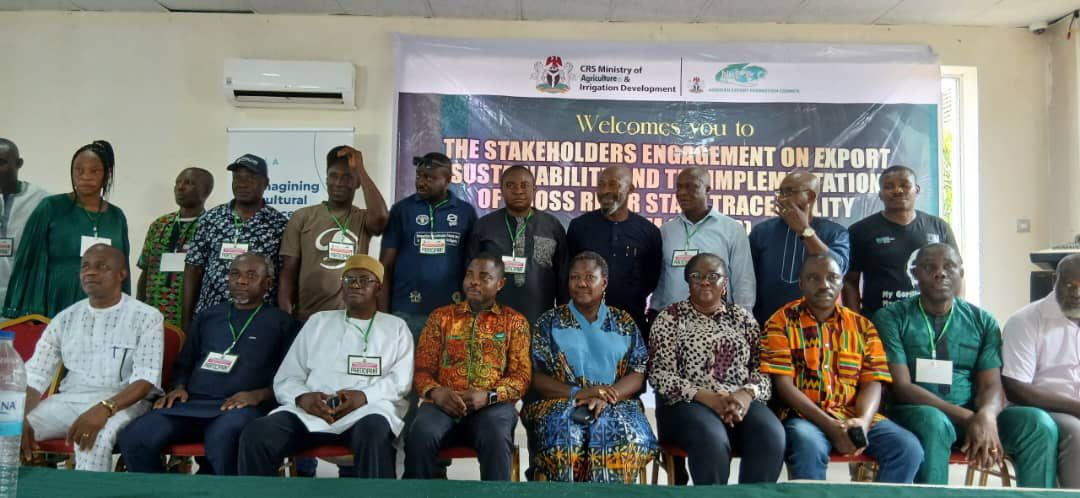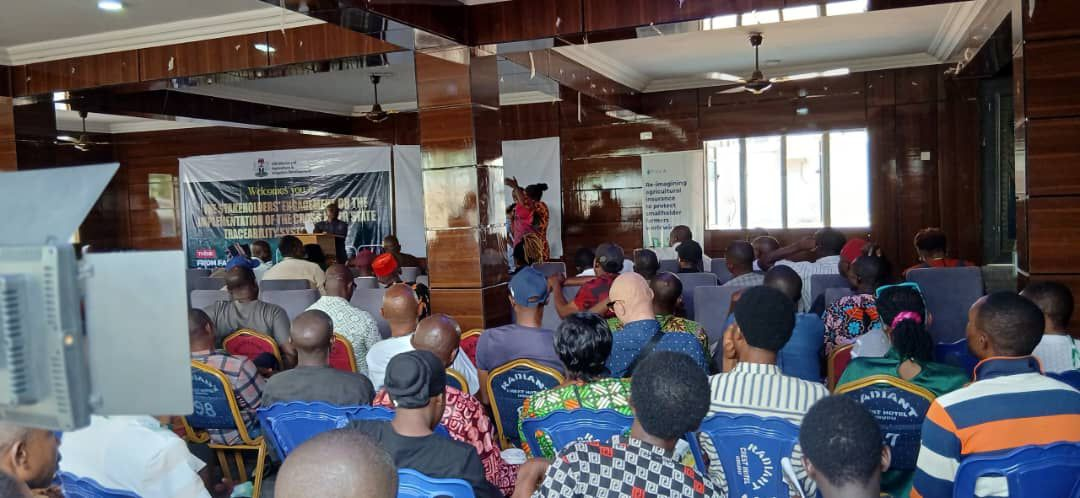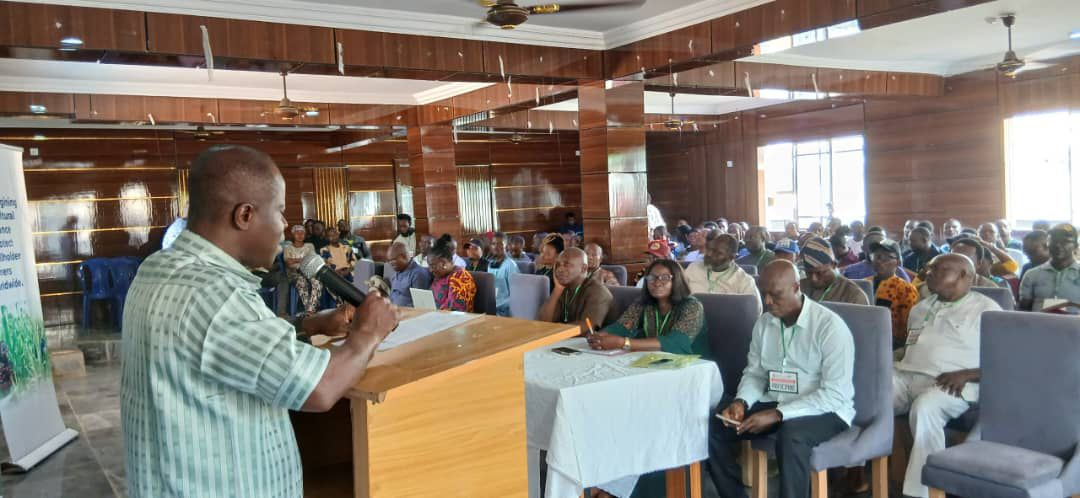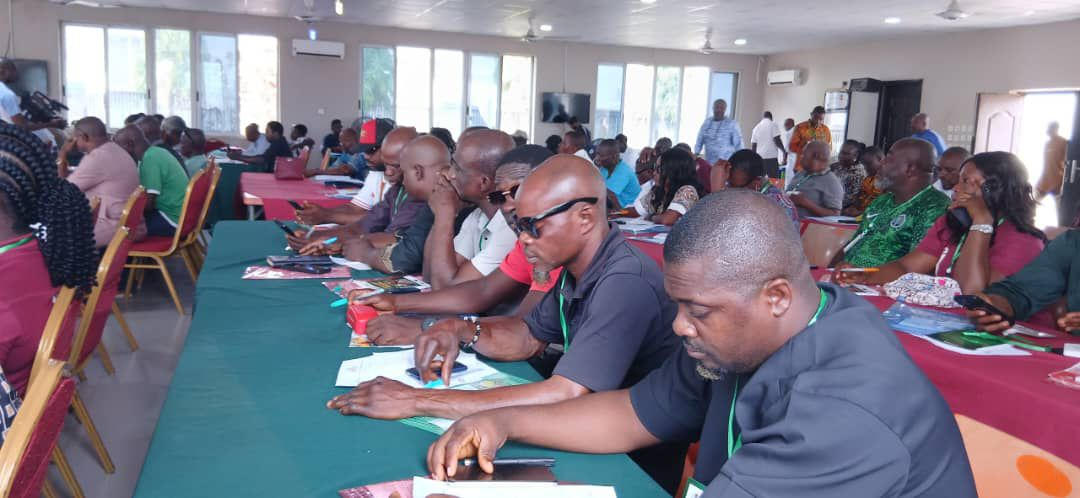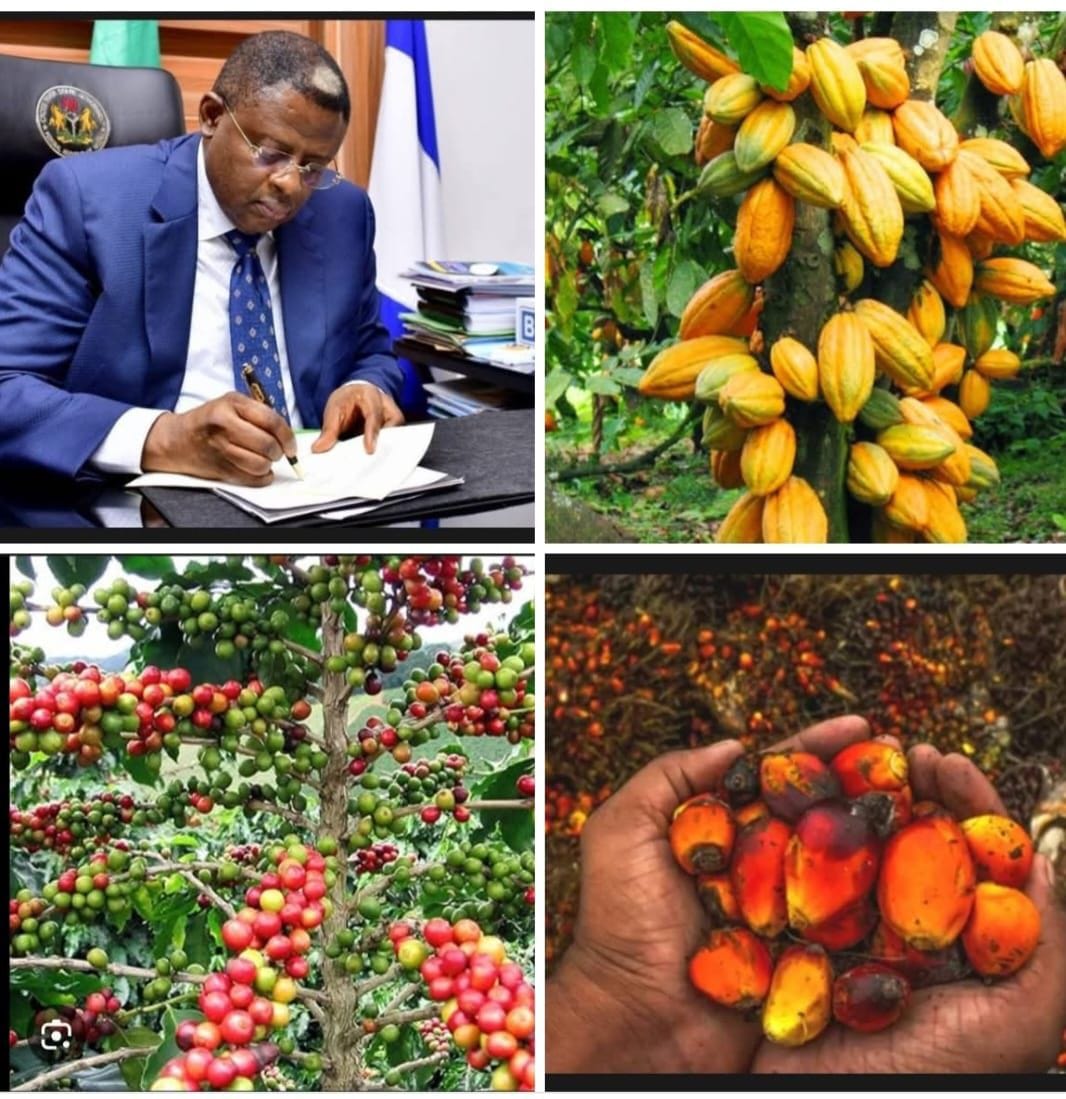
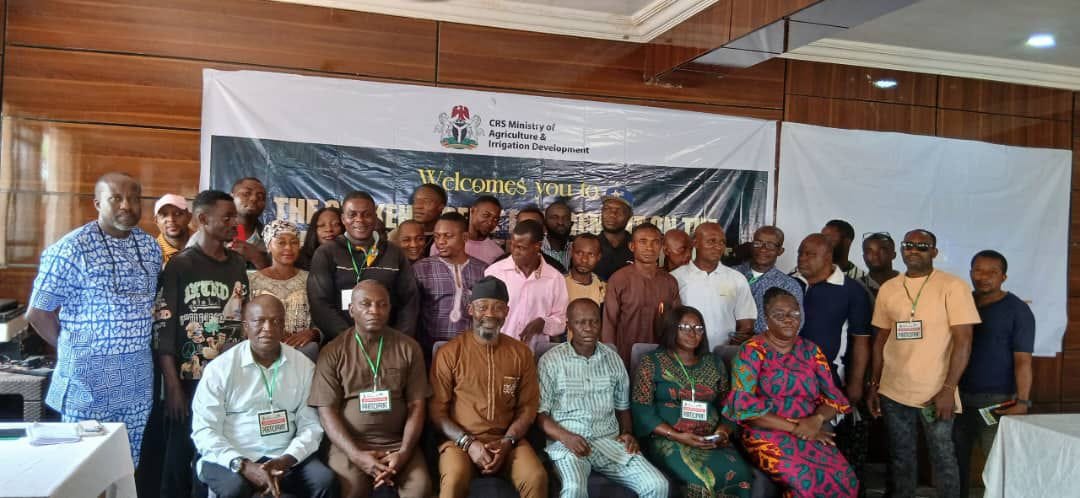
The Cross River State Government has expanded its sensitisation campaign on the Agricultural Traceability Programme to stakeholders in the Central and Northern Senatorial Districts as part of ongoing efforts to strengthen the state’s agricultural value chains and ensure compliance with emerging global market requirements.
The engagement, organised by the State Ministry of Agriculture and Irrigation Development in collaboration with PULA Advisors, the lead consultant for the traceability programme, followed the earlier flag-off of the first phase statewide sensitisation exercise in Calabar for stakeholders from the Southern Senatorial District.
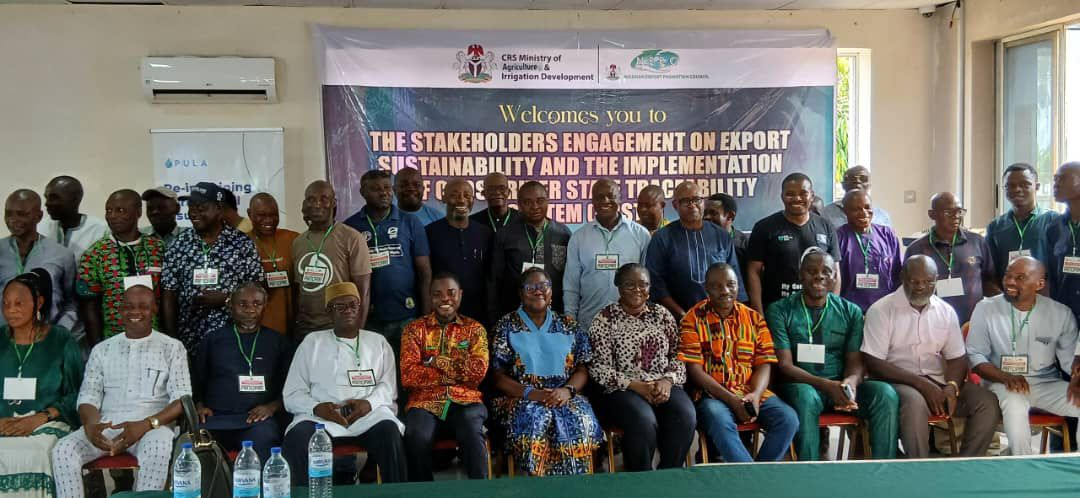
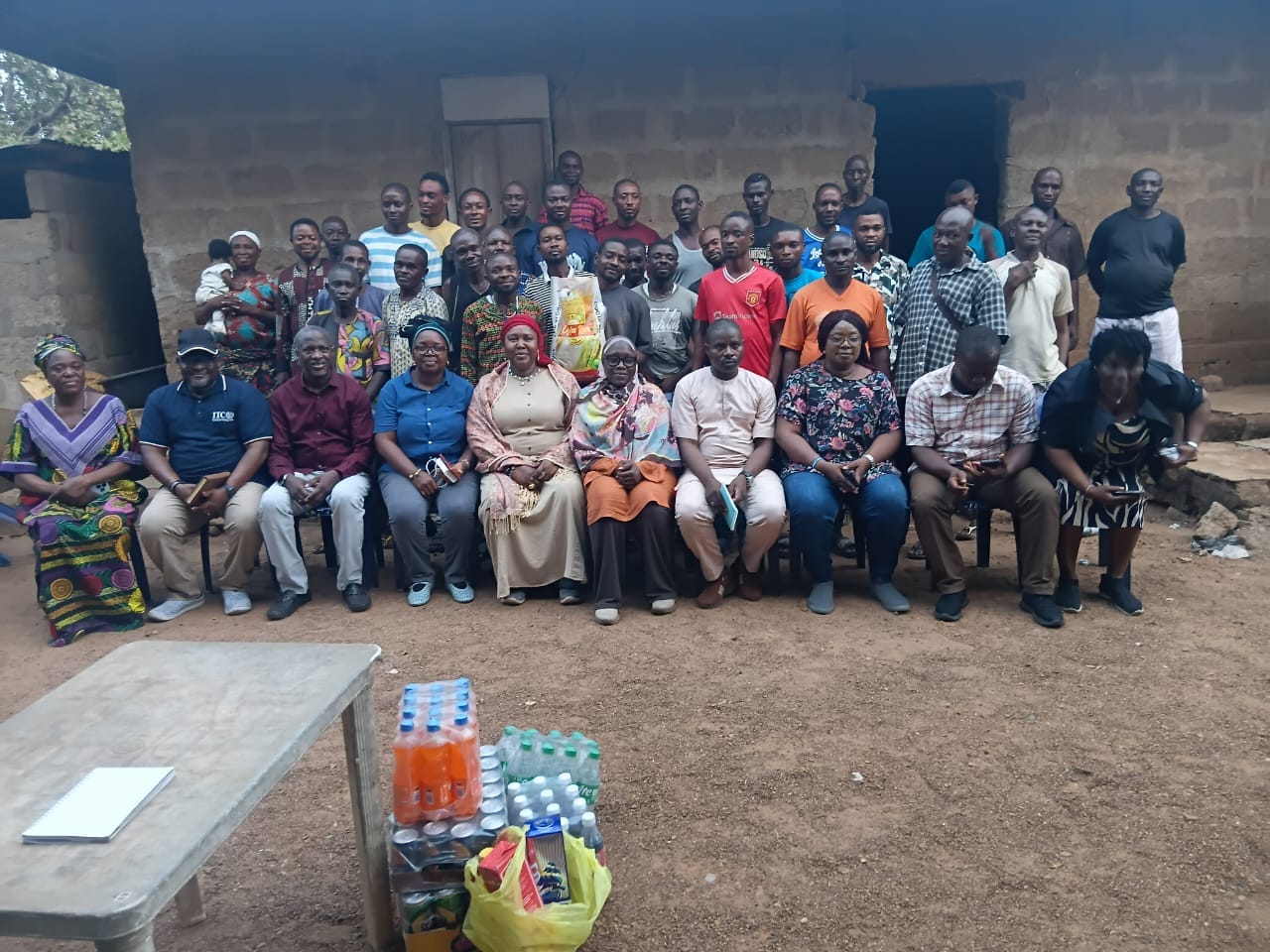
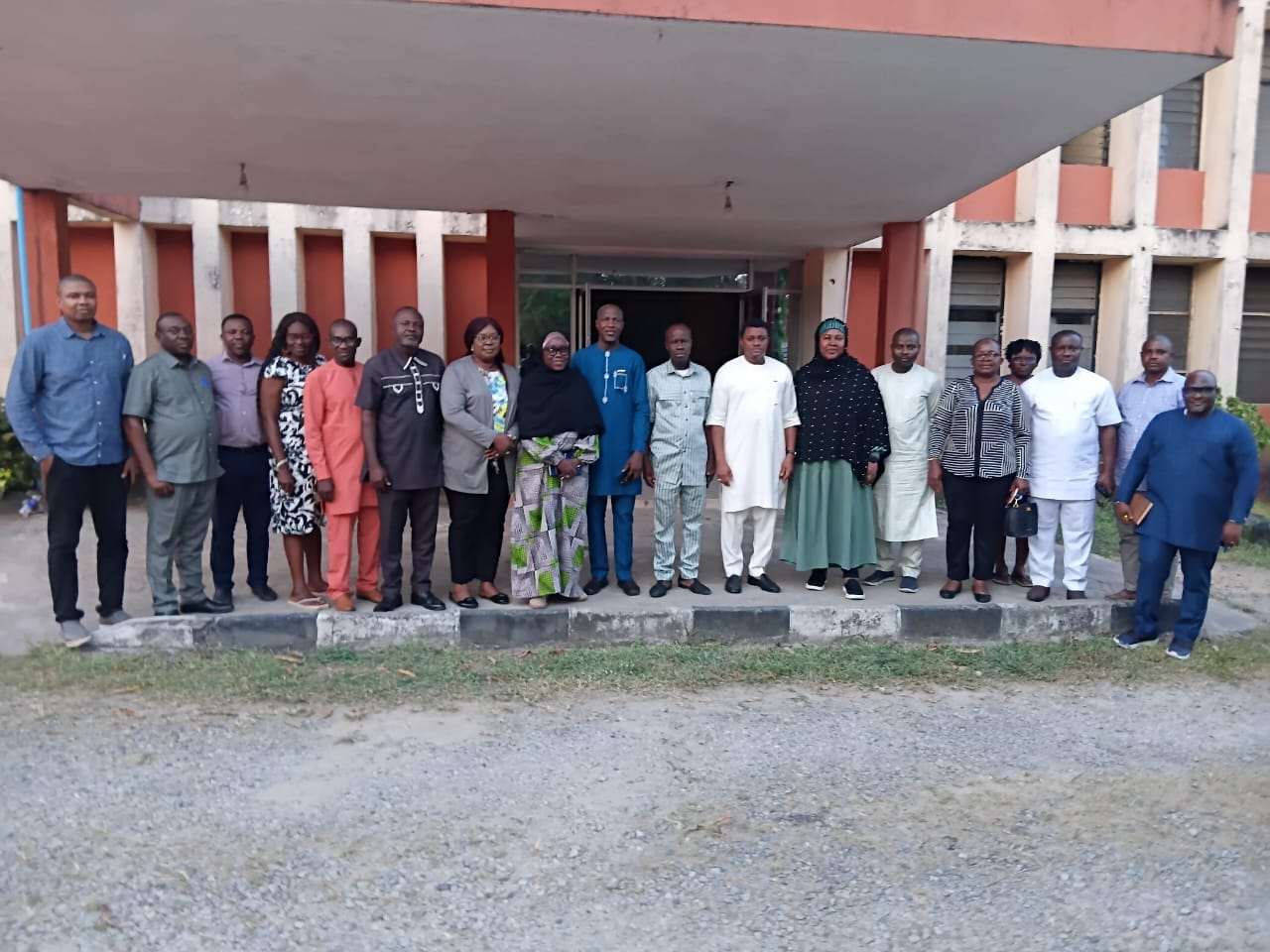
The sensitisation meetings were held in Ikom for the Central Senatorial District and later in Obudu for the Northern Senatorial District, bringing together farmers, processors, aggregators, cooperative leaders and other key actors across the cocoa, coffee and oil palm value chains.
In her welcome remarks, the Chairman of the Multi-Stakeholder Committee on Cocoa, Coffee and Oil Palm Development, Prof. Susan Ohen, emphasised the importance of the traceability programme to the future of the state’s agricultural sector. She noted that the initiative would enhance transparency in the value chain, strengthen the credibility of Cross River’s agricultural produce, and position farmers to access premium international markets. She urged stakeholders to embrace the programme, stressing that collective commitment and collaboration would be critical to its success.
Prof Ohen appreciated Gov. Bassey Edet Otu for the visionary leadership and the Commissioner for Agriculture, Hon. Johnson Andiambey Ebokpo for driving the process passionately.
Also speaking, the Country Representative of PULA Advisors, Dr. Mike Enahoro explained that the traceability initiative is aimed at positioning Cross River State to meet international standards, particularly the requirements of the European Union Deforestation Regulation (EUDR), which mandates proof that agricultural commodities entering the European market are not linked to deforestation.
He noted that the system would enable proper farm mapping, accurate data capture and improved transparency within the agricultural value chain, thereby strengthening farmers’ access to premium international markets.
Participants were subsequently taken through detailed presentations on the objectives, benefits and operational framework of the traceability system, including the process of integrating farmers into a transparent and globally recognised supply chain.
In Ikom, cocoa stakeholders were also exposed to measures for improving their marketing opportunities in view of the current global market situation. In a presentation titled “From Price Decline to Market Resilience: Strengthening Cocoa Production and Export through Traceability and Stakeholders Collaboration,” the State Coordinator of the Nigerian Export Promotion Council (NEPC), Dr. Osas Damian Omorogbe, highlighted strategies for strengthening cocoa production and export. He placed strong emphasis on traceability as a key solution for securing a sustainable premium market and improving the competitiveness of Nigerian cocoa in the global marketplace.
Pledging their commitment to the initiative, stakeholders took turns to share their perspectives on the programme.
The State Secretary of the Cocoa Farmers Association of Nigeria (CFAN), Mr. Jones Ekwom, commended the Governor for what he described as a visionary intervention aimed at strengthening the cocoa value chain in the state.
Similarly, the Ikom Coordinator of the Oil Palm Growers Association of Nigeria (OPGAN), Chief Anuhobi Anaru, noted that oil palm is widely cultivated across the local government areas in the district, adding that farmers are eager to participate in programmes that will improve their productivity and market opportunities. He called for deeper mobilisation of farmers within the value chain to ensure broad participation.
The State Chairman of the National Coffee and Tea Association of Nigeria (NACOFTAN), Dr. Assam Assam, welcomed the renewed attention given to coffee development in the state, assuring that coffee farmers were ready to key into the programme and actively participate in its implementation.
In her remarks, the Vice Chairman of Ogoja Local Government Council, Hon. Mrs. Otoro Mary Illah, stressed the importance of timely implementation of the programme, noting that the success of the initiative would depend largely on the speed and efficiency with which it is rolled out. She pledged commitment to mobilising farmers across Ogoja Local Government Area to actively participate in the programme.
The National Secretary General of the Cocoa Association of Nigeria (CAN), Mr. Goddy Ukwu, described the traceability initiative as a strategic step toward protecting Nigeria’s cocoa export market.
“The introduction of traceability is timely and strategic. It demonstrates the commitment of the state government to ensure that our cocoa meets international sustainability standards and remains competitive in the global market,” he said.
The meetings also had in attendance the Permanent Secretary, Ministry of Agriculture and Irrigation Development, Elder Dr. Odey Ikongah; Vice Chairman of the Multi-Stakeholder Committee, Prof. Damian Agom; Chairman of the Cocoa Farmers Association of Nigeria (CFAN), Obudu Chapter, Mr. Godwin Agim; Chairman of CFAN, Obanliku Chapter, HRH Abila Sylvester; Chairman of the Cocoa Association of Nigeria (CAN), Obudu/Obanliku Chapter, Mr. Richard Udie; Director of Operations, Cross River Geographic Information Agency (CRGIA), Mr. Jesam Iwara; Director of Cocoa and Coffee, Ministry of Agriculture and Irrigation Development, Mr. Williams Ifere; Director of Extension , Cross River Agric. Development Programme, Elder Ubi Obeten and Director of Forestry, Cross River State Forestry Commission, Mr. Donatus Adie, among other stakeholders.
The sensitisation exercise which is to get stakeholders' buy-in, forms part of the state government’s broader strategy to enhance transparency in agricultural production, improve farmers’ access to premium international markets and promote sustainable agricultural practices across the cocoa, coffee and oil palm value chains.
Blessing Enagu