
The Cross River State Carnival Commission has reaffirmed its commitment to expanding the global reach of Carnival Calabar through technological innovation, cultural preservation and youth empowerment as preparations for the 2026 festival gather pace.
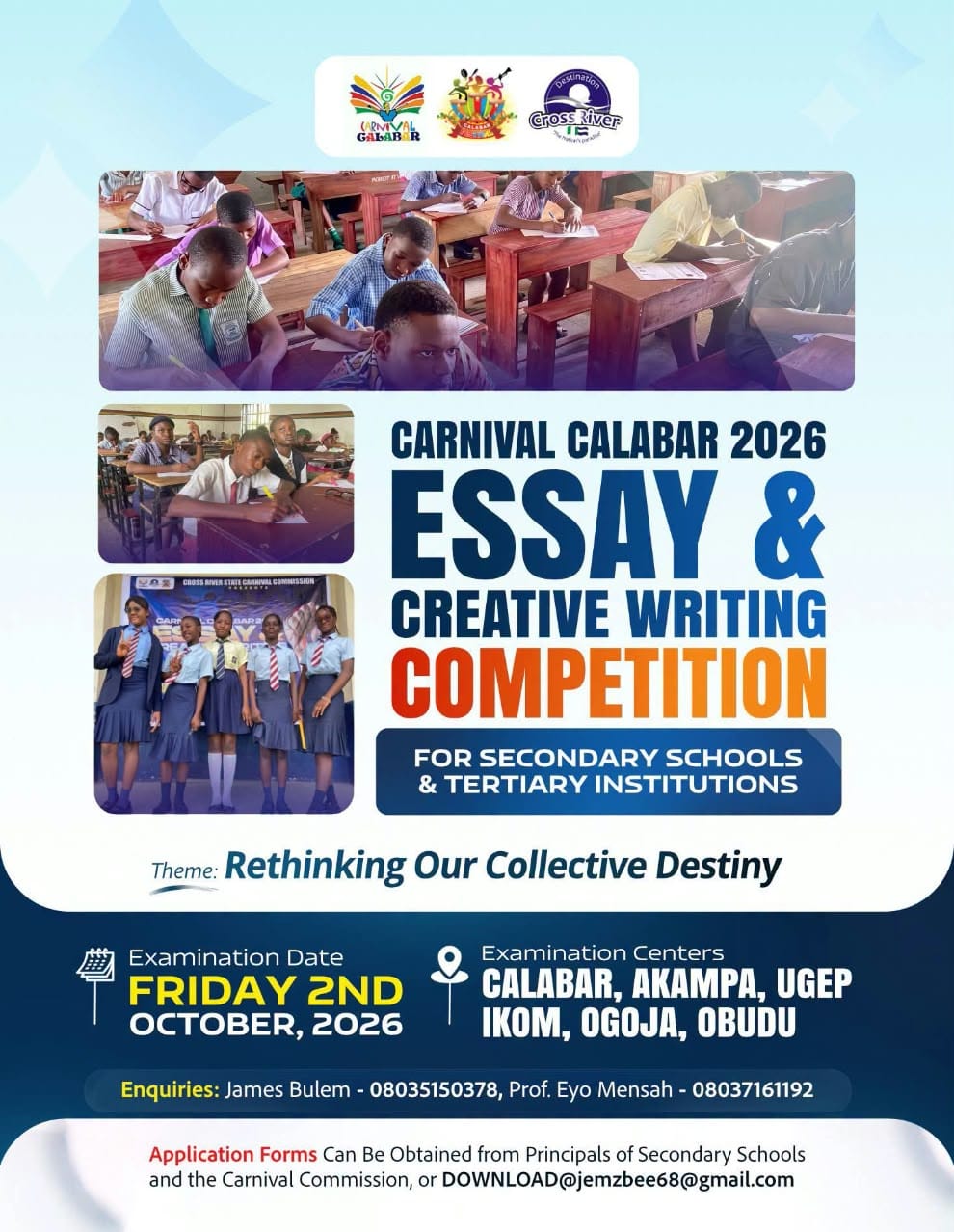
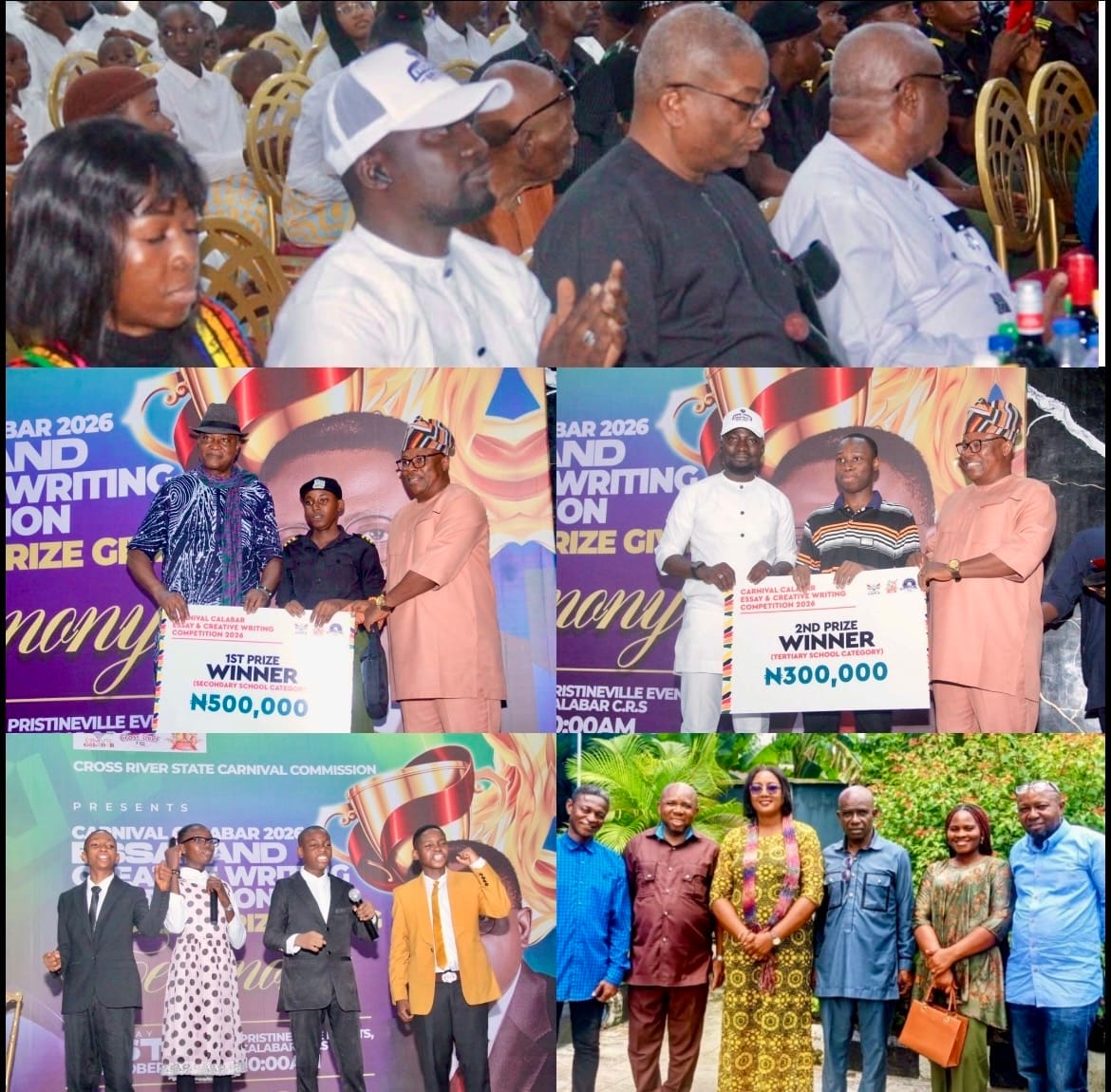
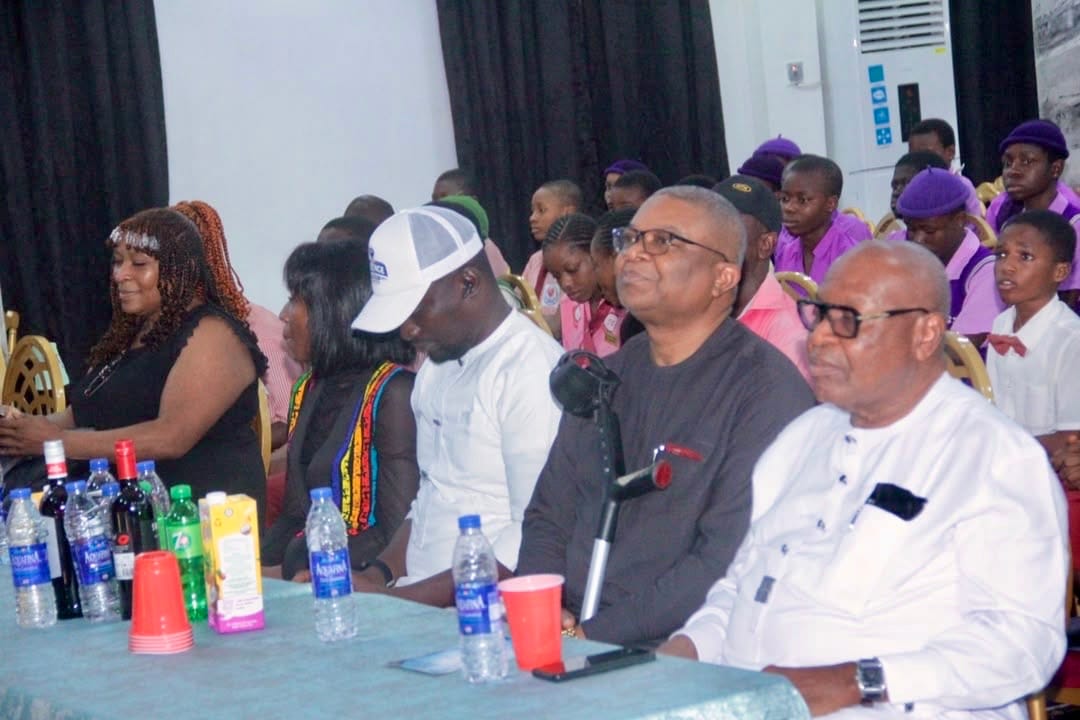
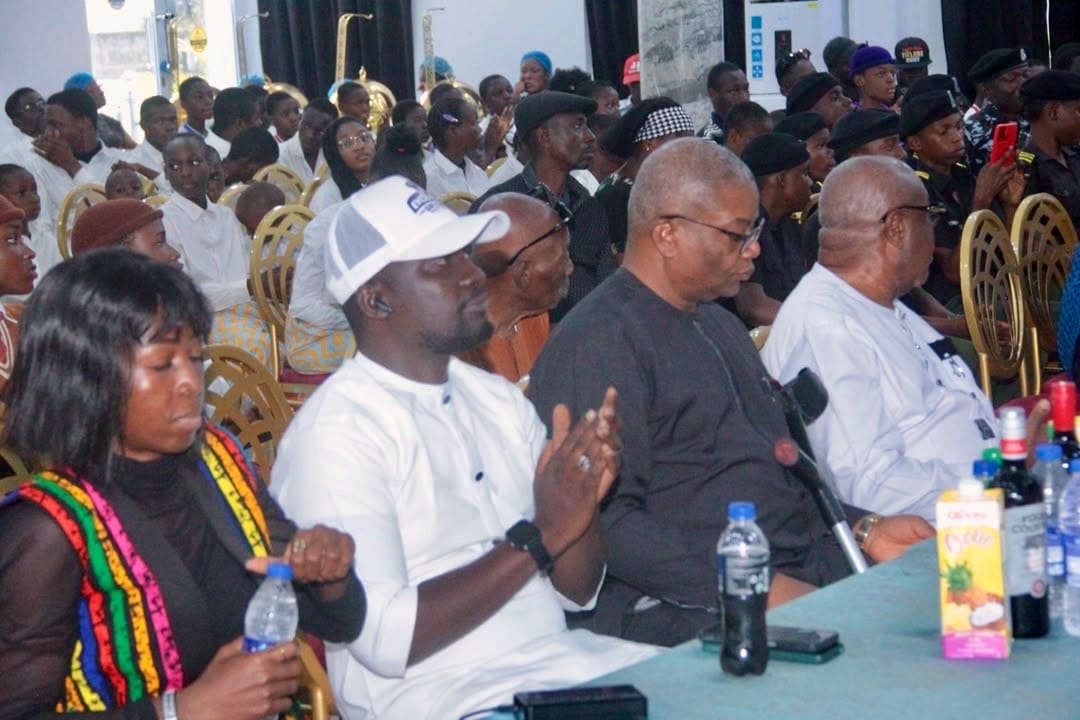
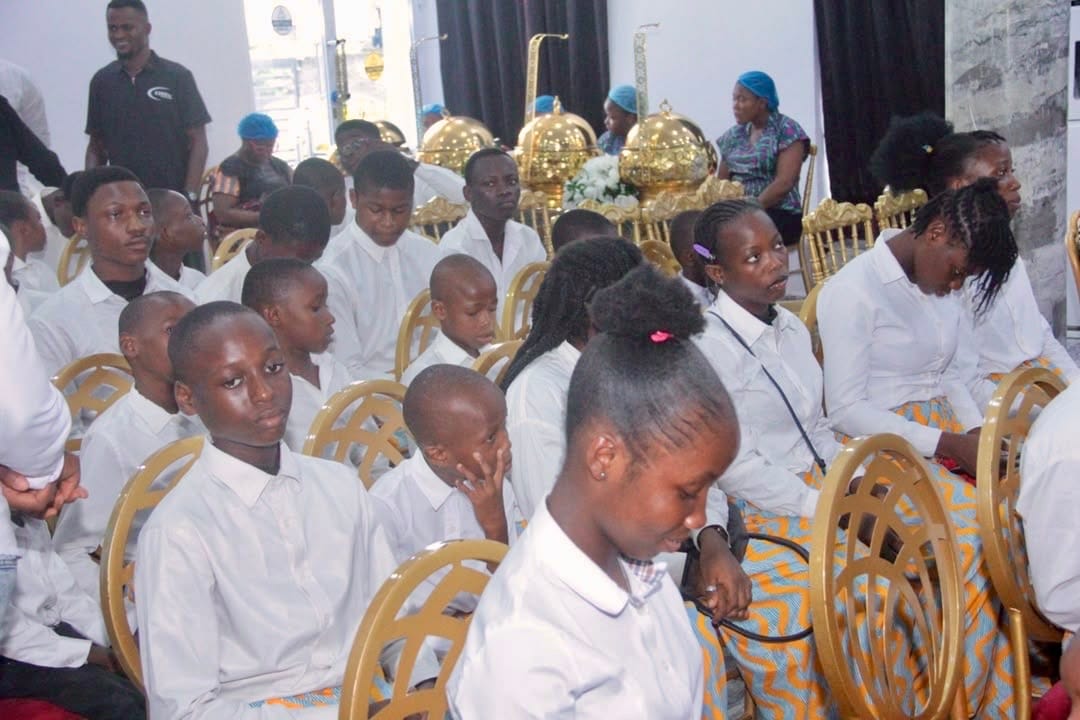
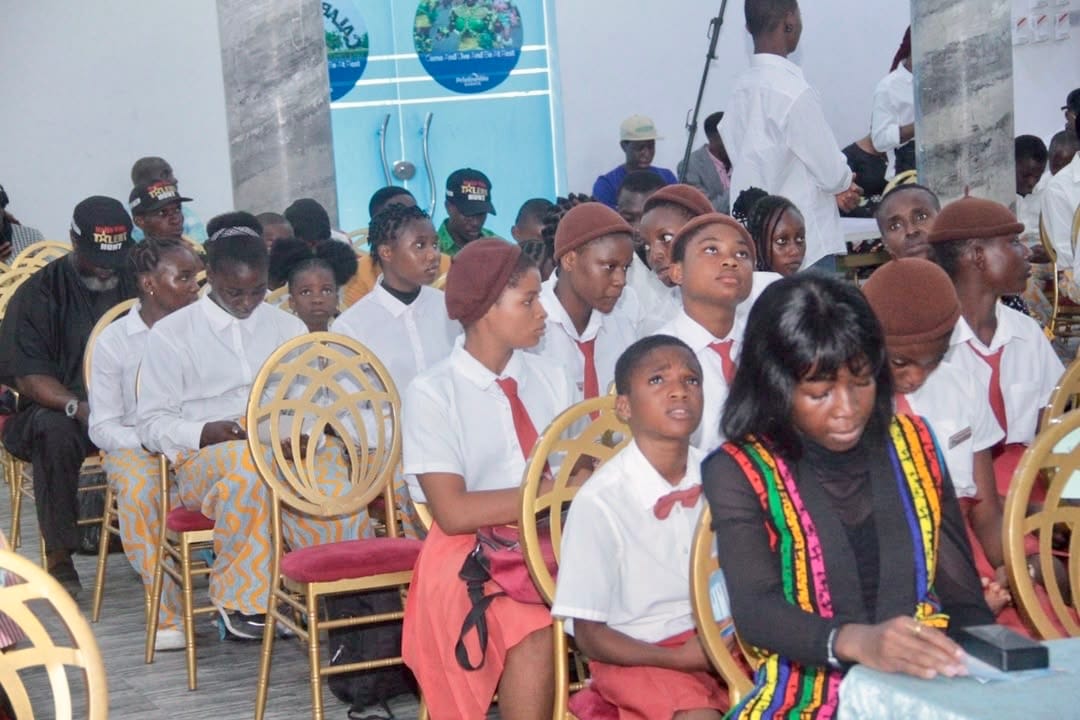
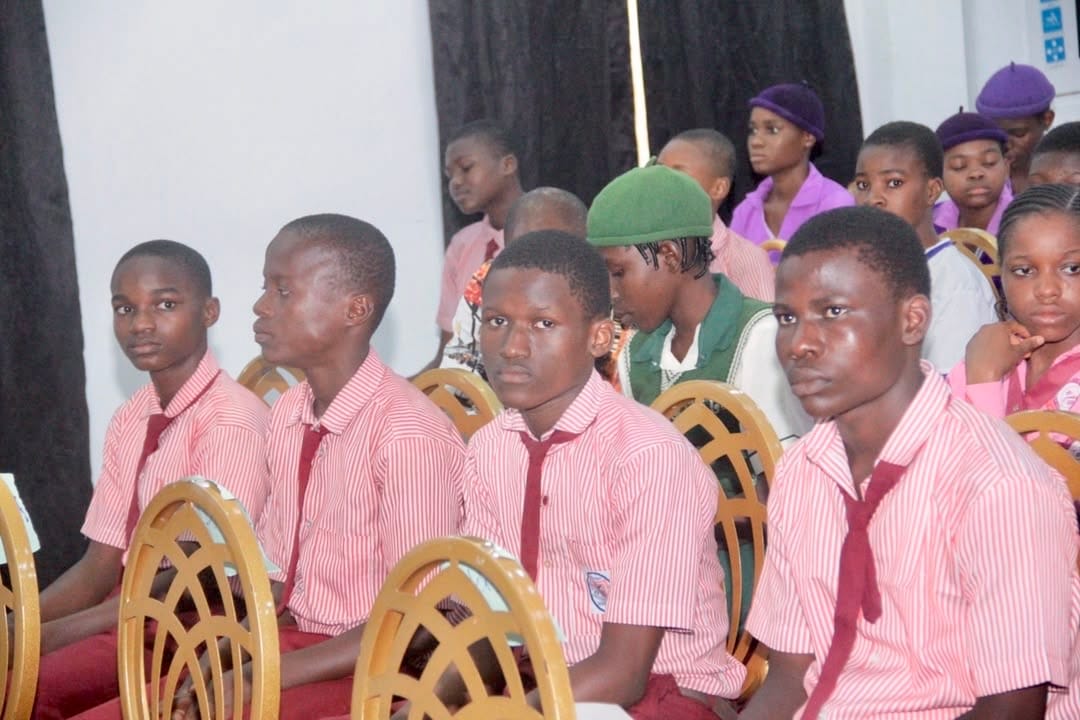
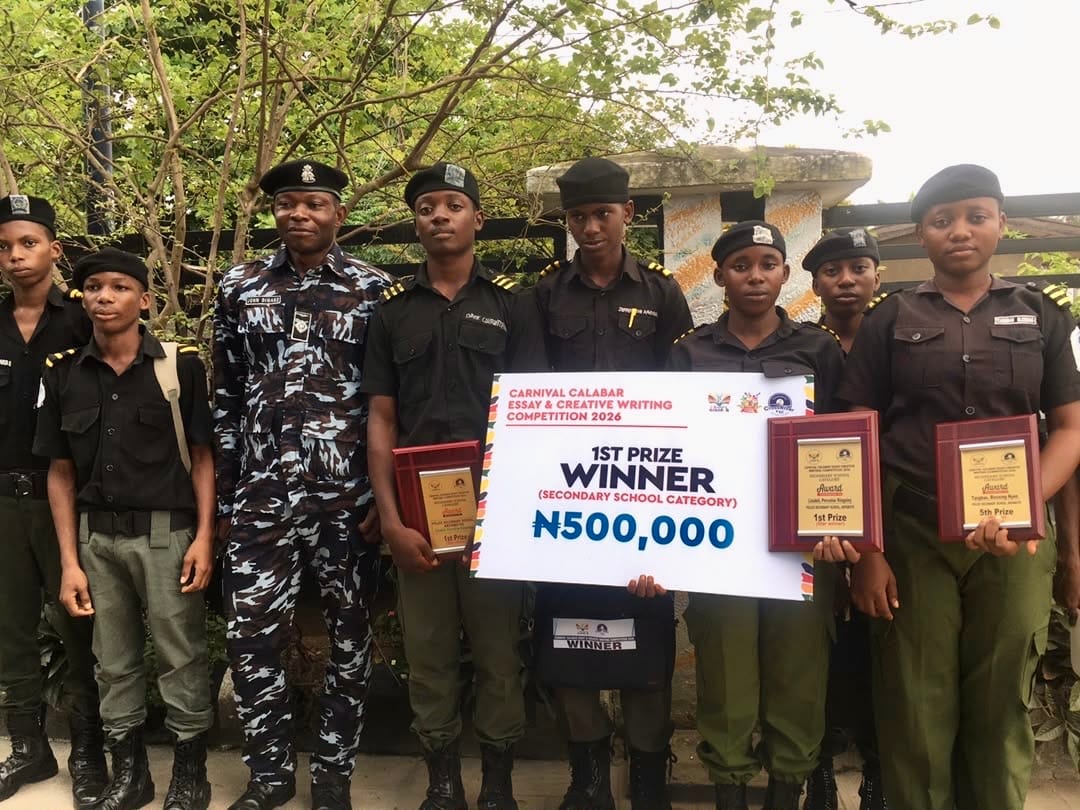
The commitment was highlighted at a multi-faceted event featuring a Recognition of Dignity Award Ceremony, a creative writing initiative for young people and discussions on cultural identity, indigenous languages and the sustainability of Carnival Calabar as a tourism and creative industry product.
The recognition ceremony honoured consultants, cultural advocates and members of the Chinese Studies Essay and Creative Writing Committee for their contributions to the Commission’s activities. Those recognised included Chief A.C.A., the capital consultant; international tourism consultant and Chief Executive Officer of Akwaaba Travel Markets, Mr Ikechi Uko; and Lady Bukky Ojo of Africa Carols Canada.
The committee’s Chairman, Professor Eyo Mensah, and Secretary, Professor Gloria B.I. Okon, were also honoured alongside other members, including Mrs Eugenia Komola Faye, Cornel Ella, Dr Ayan Izan Ayan, Dr Ape Kolumba, Mrs Harriet Potter Onaga, Mr Charles Asuncor Ifeon, Professor Rory Agbor, Chief M.P. Item and Professor Jonas Agbor. The programme also featured a cultural presentation by the Kiddies Music Festival.
Speaking on behalf of Nugitech’s Chief Executive Officer, Lady Ajoke Akinlabi, Miss Regina Oliver emphasised the importance of technology in expanding Carnival Calabar’s international audience and creating new opportunities for public participation. She explained that the company’s carnival voting and band membership platforms were designed to improve audience engagement and simplify band registration and management.
Oliver said technology offered opportunities to connect cultural expression with wider audiences, enabling young people to showcase their talents and project Cross River’s cultural identity beyond Nigeria. She commended the Commission for promoting intellectual development and creative expression alongside entertainment, urging participants in the creative writing exercise to nurture their talents and take advantage of opportunities for personal growth.
Tourism stakeholder, Mr Ikeji, stressed that consistency, effective planning and private-sector participation were essential to sustaining Carnival Calabar as a viable cultural and tourism brand. He observed that although several states had attempted to establish carnival events, maintaining them over time remained a challenge without proper organisation and sustained stakeholder commitment beyond successive government administrations.
Ikeji noted that the colourful costumes, music, dance and street processions associated with Carnival Calabar were supported by substantial intellectual and organisational work. He also emphasised the importance of involving young people in the creative industry, noting that their participation could contribute fresh ideas to the festival’s continued development. He described the carnival’s international recognition as an opportunity to project Nigeria’s and Africa’s cultural heritage to a global audience.
Nigerian-Canadian cultural advocate and publicist, Lady Bukky Ojo, called for deliberate efforts to preserve African languages and traditions, warning that declining proficiency in indigenous languages among younger generations could weaken the transmission of cultural knowledge and identity. She urged parents, educators and communities to encourage children to learn their native languages and appreciate their cultural heritage.
Ojo announced plans for a pilot initiative, Afrika Rose, which will explore an African Christmas experience during the 2026 Calabar Festival. She explained that the initiative would seek to revive the communal spirit and traditional values associated with African Christmas celebrations while creating opportunities for cultural reconnection. She also expressed readiness to collaborate with interested individuals and volunteers to develop the programme.
Stakeholders at the event called for sustained collaboration among government, technology partners, cultural practitioners, educators and young people to expand Carnival Calabar’s international reach while preserving its cultural identity. They identified technological innovation, creative development, indigenous language preservation and private-sector participation as important considerations for the festival’s continued development as a tourism and creative industry platform.
The event also featured recognition of individuals and organisations whose contributions support cultural development, education and tourism. As preparations for the 2026 festival continue, the Commission’s engagement with technology, creative writing, cultural preservation and stakeholder partnerships is expected to support wider public participation, nurture emerging talents and project Carnival Calabar’s cultural heritage to an international audience.








By Ibu Harrywills