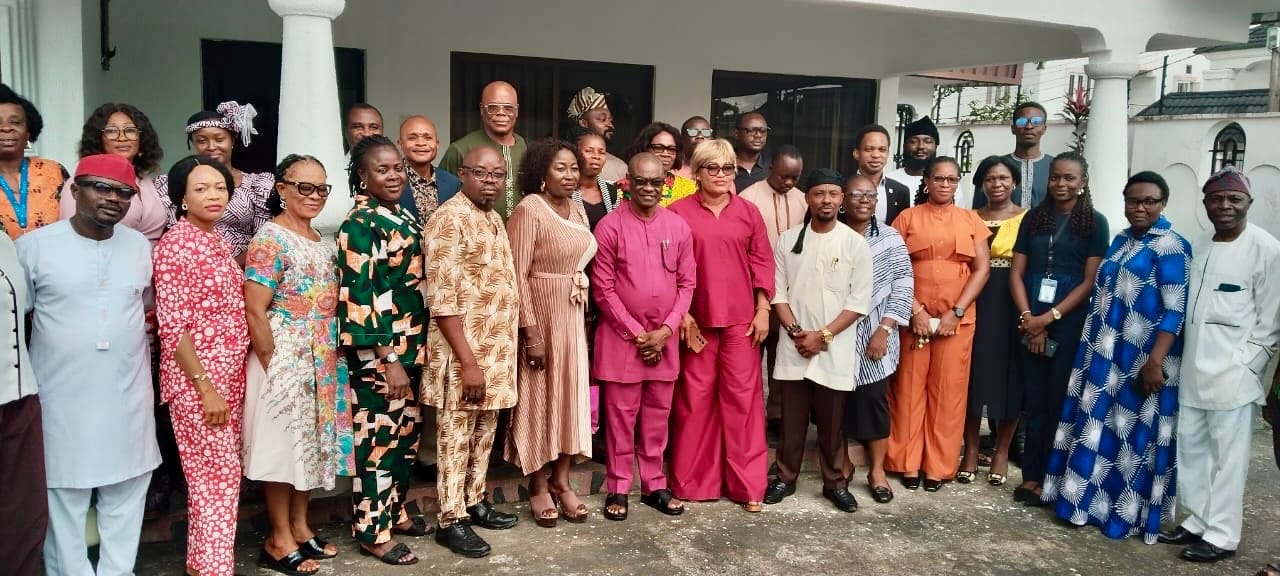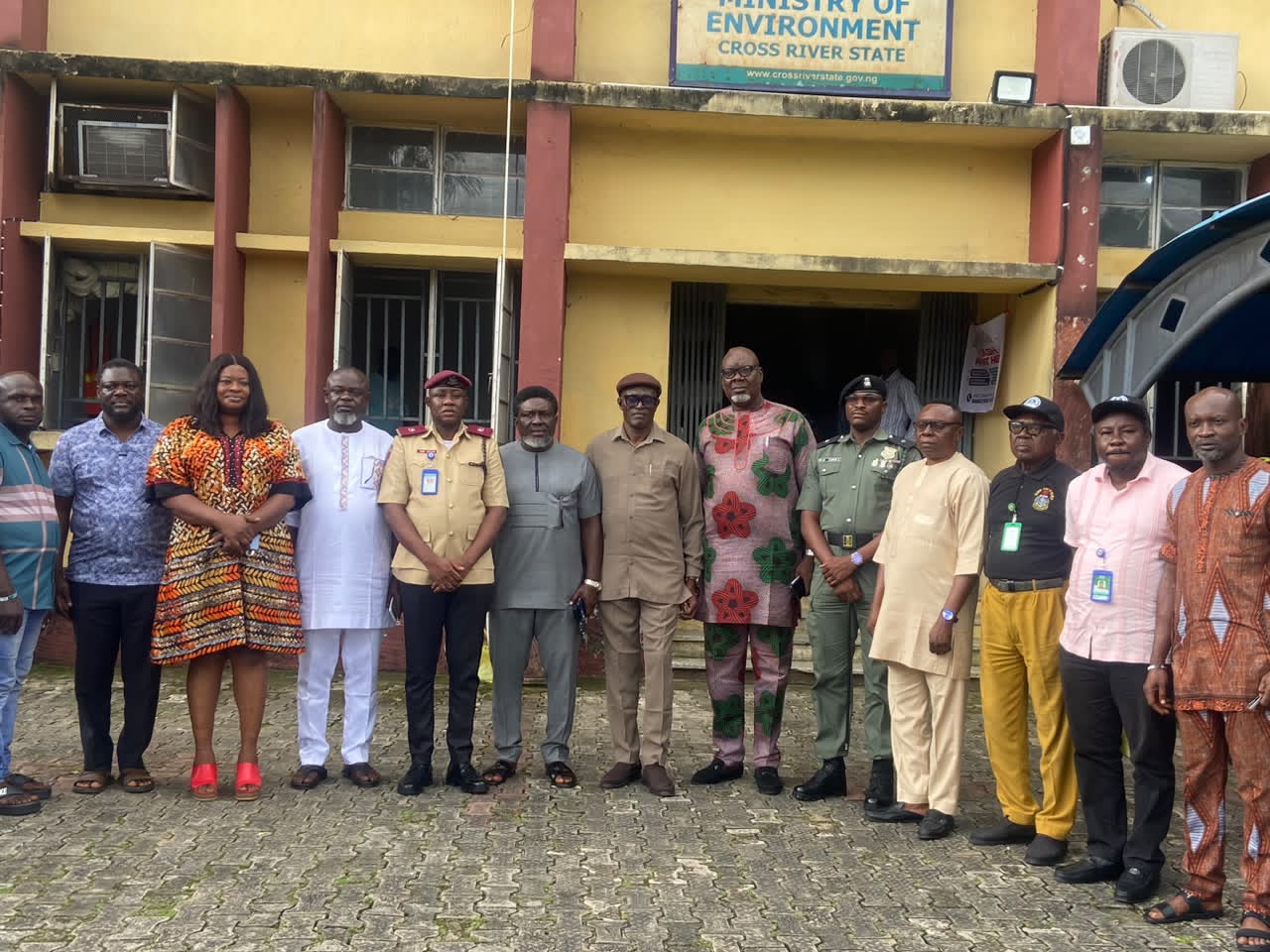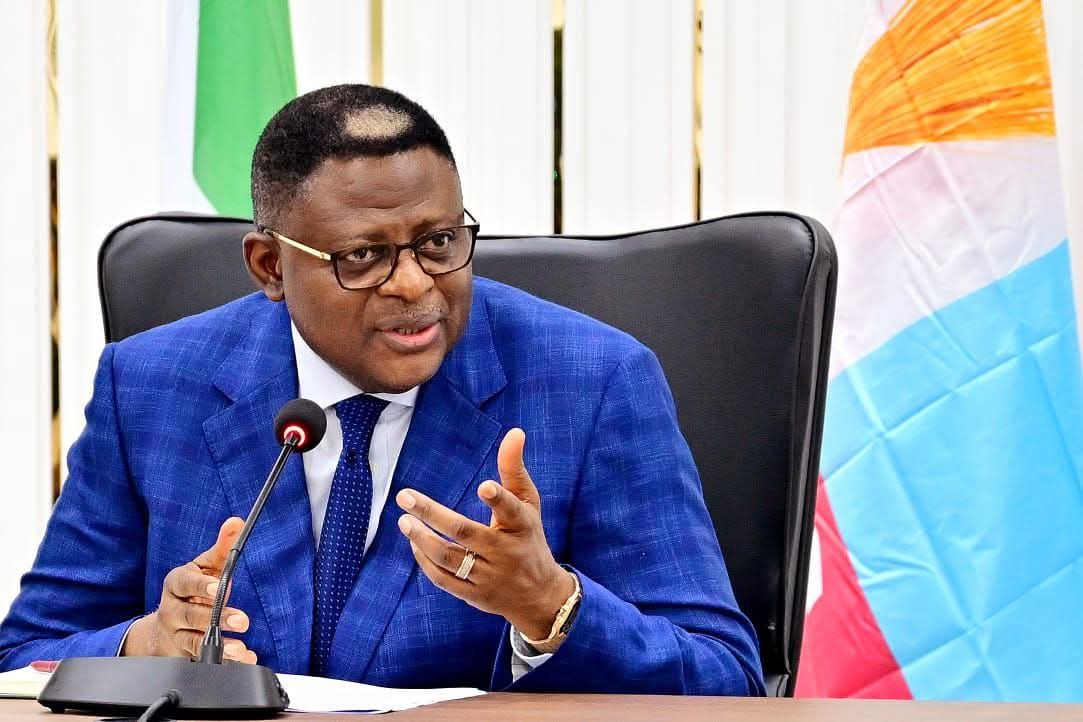

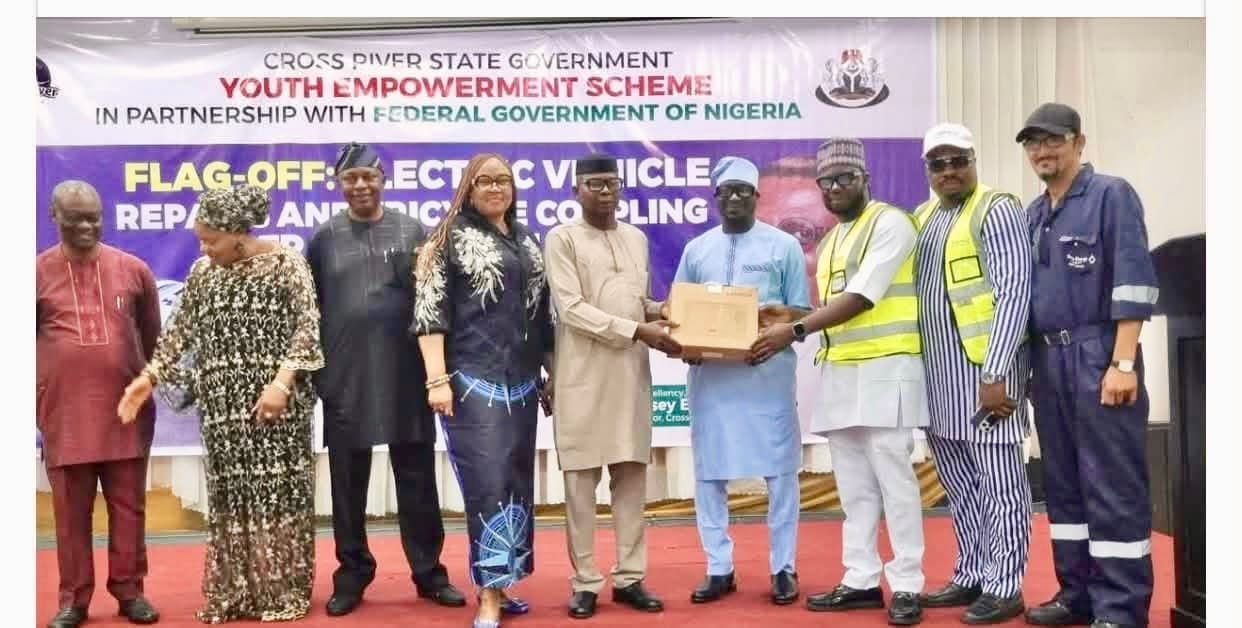
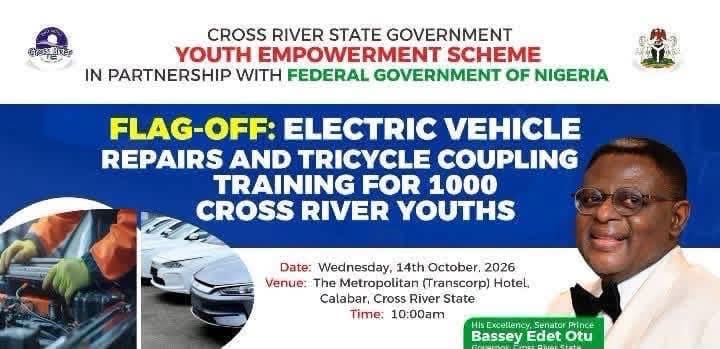
The Cross River State Government has commenced a six-month electric vehicle (EV) repairs, maintenance and assembly training programme for 1,000 youths, equipping them with specialised skills to tap into emerging employment opportunities in the electric mobility and green energy sectors.
The programme, organised through the Cross River State Youth Empowerment Scheme (CR-YES) in partnership with the Federal Ministry of Education and Shema Energy Limited, is designed to develop a skilled workforce to support the state’s growing investment in cleaner transportation.
Speaking at the flag-off ceremony, held on Wednesday in Calabar, CR-YES Chairman, Dr. Kalita Joseph Aruku, described the training as a strategic investment in youth empowerment and technological advancement, reflecting Governor Bassey Edet Otu’s commitment to preparing young people for emerging industries.
Aruku disclosed that the state had procured an environmentally friendly fleet comprising 10 electric buses with 50-seat capacity, 20 electric buses with 14-seat capacity, 100 electric sedan cars, 500 electric tricycles and 200 electric motorcycles. He said the growing fleet would require skilled technicians to maintain and repair the vehicles, creating opportunities for trained youths to participate in the expanding electric mobility industry.
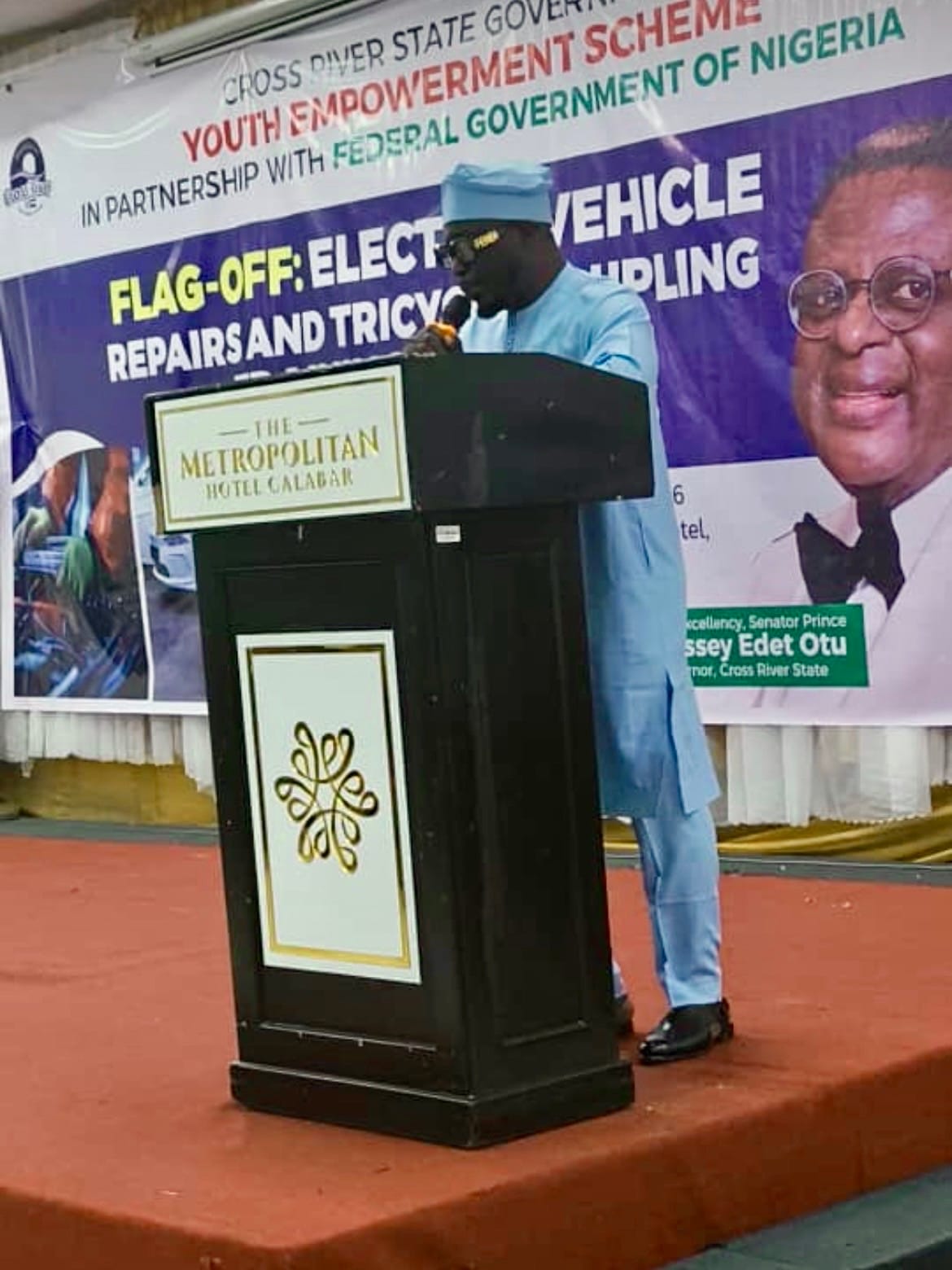
“The introduction of electric vehicles creates new opportunities for our youths. We want them to acquire the technical skills required to maintain these vehicles and become part of the workforce supporting the growth of electric mobility in Cross River State,” Aruku said. He thanked the Federal Government under President Bola Ahmed Tinubu, the Federal Ministry of Education and Shema Energy Limited for supporting the programme, urging participants to demonstrate discipline and commitment.
Also speaking, the Commissioner for Wealth Creation and Employment, Mr. Patrick Egbede, said the State’s investment in skills development was intended to translate empowerment programmes into sustainable livelihoods. He cited the agricultural training of 400 beneficiaries in Nasarawa State, who subsequently received ₦2 million each to invest in their ventures, as well as information and communication technology programmes covering cybersecurity, frontend development, product design, business development and artificial intelligence.
Egbede explained that the ICT training was extended from three to five months following requests from prospective employers seeking participants with deeper practical knowledge. He added that many beneficiaries had subsequently secured employment with the Federal Government. He also disclosed that a new artificial intelligence training programme had commenced, with 250 participants expected to be trained in each of the state’s three senatorial districts.
“These programmes are designed to build a pool of skilled young people who can meet employers’ needs and compete for opportunities in different sectors of the economy,” Egbede said, describing the EV training as a timely investment in a specialised technical field. He urged Shema Energy Limited to prioritise practical assessments, noting that some trainees might demonstrate their competence more effectively through hands-on tasks than written examinations.
The commissioner encouraged participants to take the six-month training seriously, adding that certificates awarded upon successful completion could strengthen their employment prospects locally and internationally. He noted that the transition from fossil-fuel-powered transportation to electric mobility was creating demand for specialised technical skills while supporting environmental sustainability.
In his remarks, the Head of Skills and Strategy at Shema Energy Limited, Prince Dominic Usi, described the programme as an opportunity for Cross River youths to gain practical experience in a rapidly evolving industry.
Usi, a former student of the University of Calabar, explained that the training would comprise three months of intensive instruction and practical learning, followed by another three months of specialised training. Participants would also receive stipends, subject to applicable attendance requirements.
Usi said biometric monitoring would be used to track attendance, while instructional materials would be provided through an online portal containing different training modules. Participants would be required to complete practical exercises on electric vehicles and upload live video evidence of their work for assessment before progressing to subsequent modules.
He identified diagnostics and mechatronics as key components of the training, explaining that participants would learn to identify faults in electric vehicles and tricycles, understand troubleshooting procedures and acquire relevant assembly skills. He urged trainees to comply with attendance rules, including completing the required clock-in procedures before 9 a.m., and introduced the designated training centre managers responsible for supporting participants in Calabar Municipality and Ogoja.
The programme is expected to strengthen the state’s technical workforce, expand employment and entrepreneurship opportunities for young people, and build local capacity for electric vehicle repairs, maintenance and assembly. It also aligns with the Cross River State Government’s stated commitment to youth empowerment, technical skills development and cleaner transportation under Governor Otu’s People First agenda.
By Kingsley Agim