
The Cross River State Government has surpassed its 2026 target for expanding access to electricity across rural and urban communities by five per cent, following sustained investments in power infrastructure and renewable energy under the administration of Governor Senator Prince Bassey Edet Otu.
The achievement reflects the administration’s efforts to address longstanding electricity gaps through the expansion and rehabilitation of power infrastructure, as well as the deployment of renewable energy solutions to underserved communities in line with its People First Agenda.
The Director General of the Cross River State Electrification Agency (CRSEA), Mr. Francis Ekpo, said the agency had intensified interventions aimed at extending electricity access to communities that had previously experienced inadequate or no access to grid power.
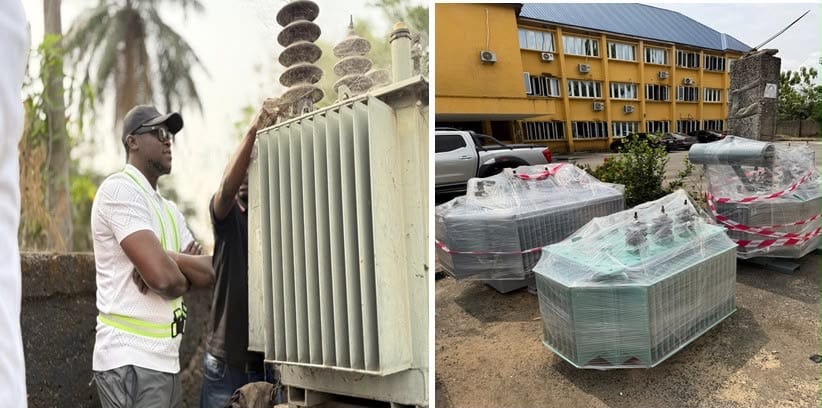
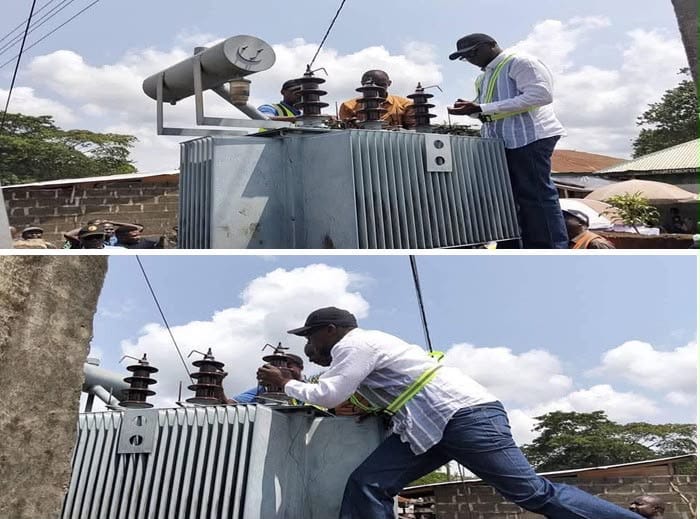
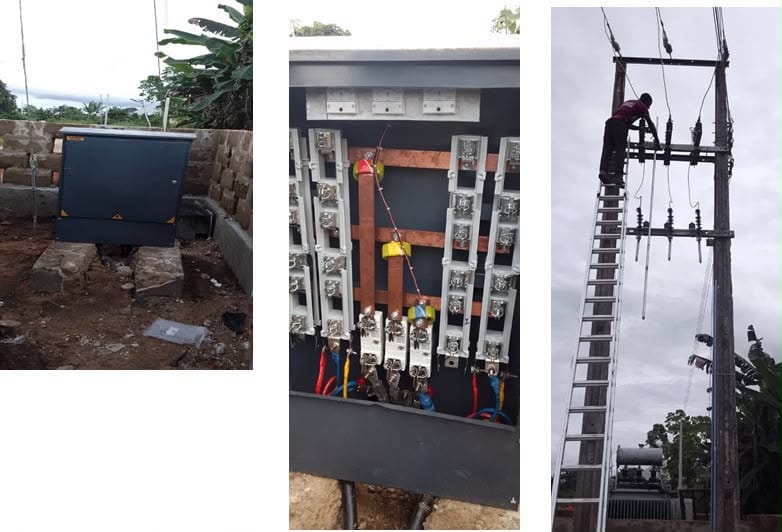
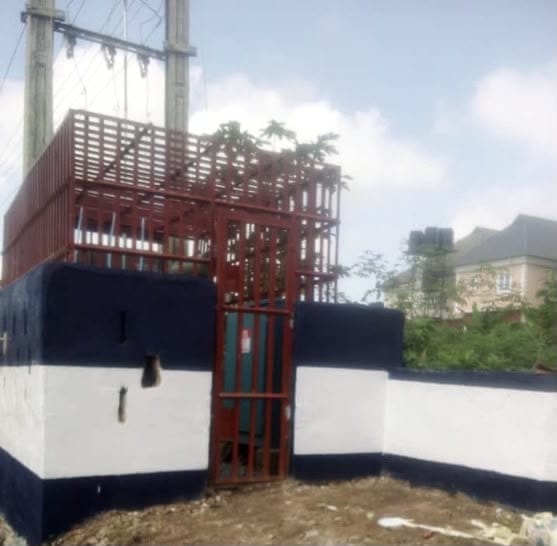
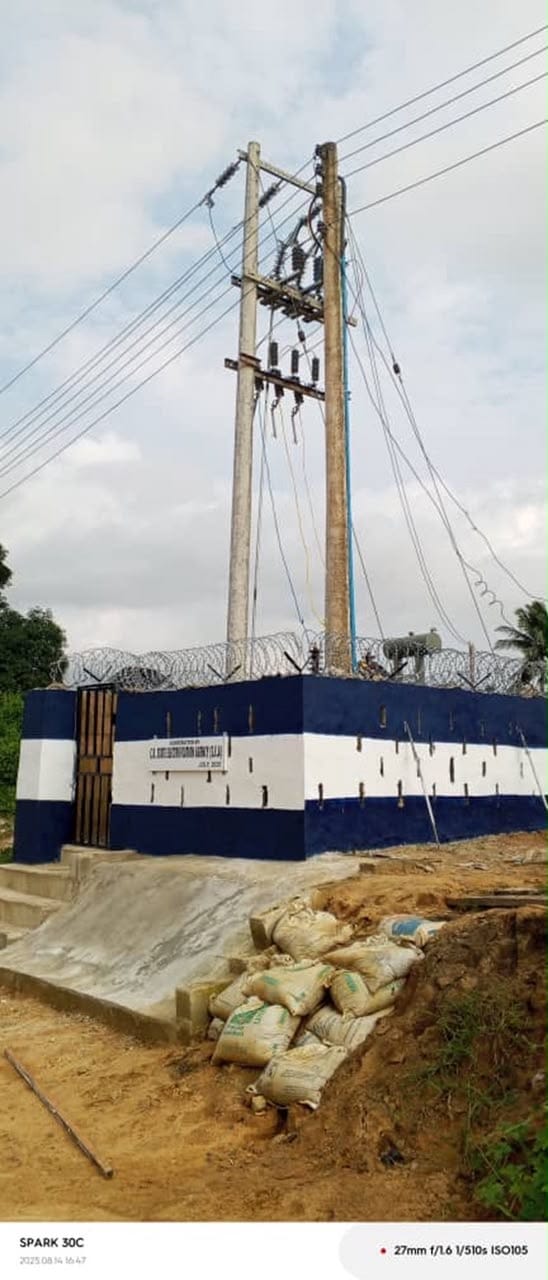
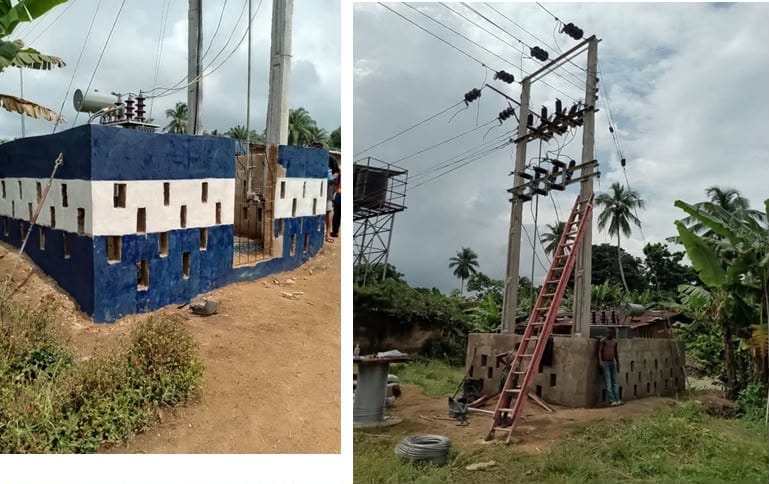
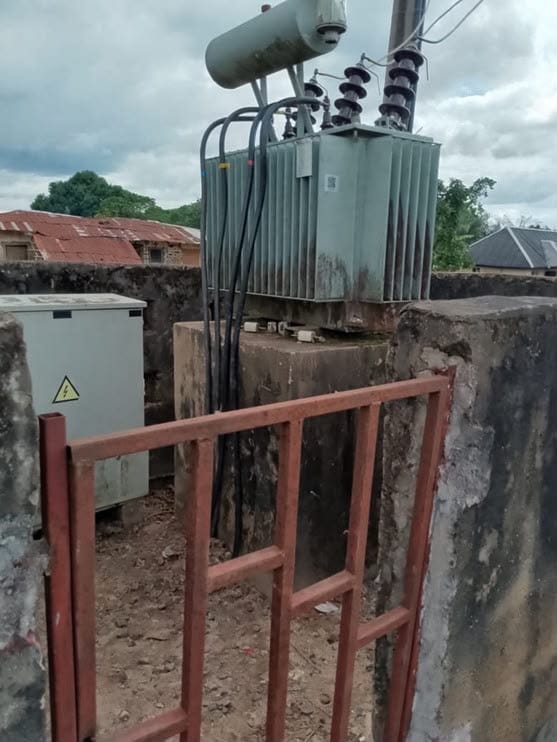
Ekpo said the interventions included transformer installations and replacements, substation rehabilitation, network expansion, reticulation and fresh electrification projects across rural and urban communities.
He assured that the agency would sustain its efforts to ensure that more Cross Riverians have access to affordable, reliable and sustainable electricity, noting that the ongoing projects were designed to strengthen existing infrastructure while opening up new areas for electrification.
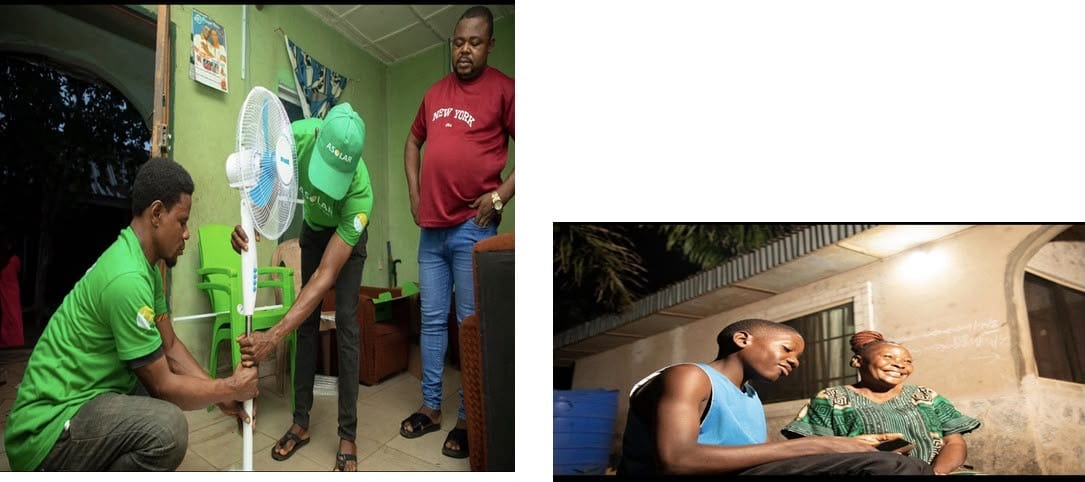
According to Ekpo, the electrification programme has also moved beyond conventional grid infrastructure, with the rollout of 10,000 solar home systems for rural households and small businesses.
He said the 2025 electricity project portfolio covered Calabar Municipality, Calabar South, Ogoja, Bekwarra, Akamkpa, Odukpani, Ikom and Yala, with interventions including transformer installations and replacements, network rehabilitation, substation development and fresh electrification.
“For 2026, we have continued with major projects, including the replacement of a 500KVA transformer at Nsefik/Atekong in Calabar Municipality, a 500KVA substation at Unebu Community in Ugep and a 500KVA transformer project at Okuku in Yala,” Ekpo said.
He added that other interventions included a 1MVA transformer project at Ekorinim and additional projects targeting critical electricity infrastructure across metropolitan Calabar.
“These interventions are important in strengthening electricity supply in areas experiencing population growth and increased commercial activities, while our rural projects are extending access to communities that have remained underserved,” Ekpo said.
Ekpo said the agency’s strategy combines grid expansion, infrastructure rehabilitation and renewable energy deployment, with the state targeting 65 per cent statewide electricity access by 2027.
He said the progress recorded so far demonstrated the state government’s commitment to closing the energy access gap and providing the infrastructure required to support households, businesses and economic activities across Cross River.
The continued investment in electricity infrastructure and renewable energy, he added, would further strengthen the foundation for improved living standards, industrial development and sustainable economic growth across both rural and urban communities.

By Margaret Ita