

The National Agency for the Control of AIDS (NACA), in collaboration with the Cross River State Agency for the Control of AIDS (CR-SACA), has intensified efforts to strengthen the enforcement of the state’s HIV Anti-Discrimination Law.
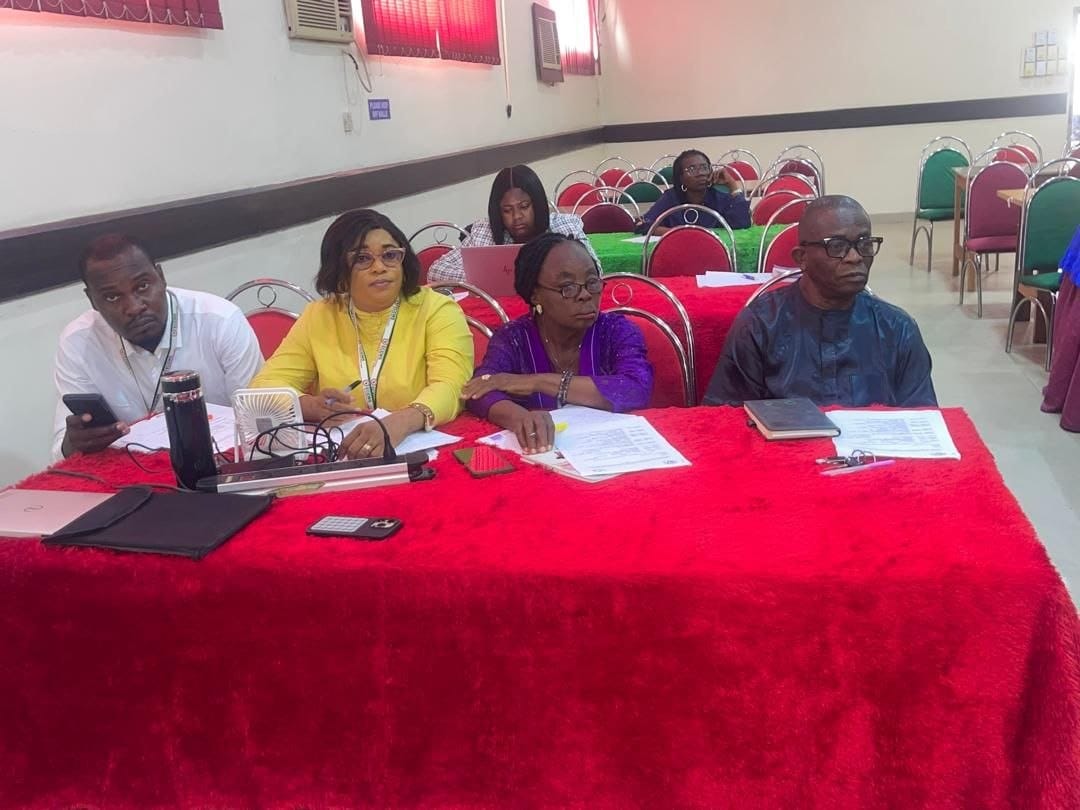
This was disclosed during a two-day State-Level Oversight, Monitoring and Stakeholder Review Meeting on the Implementation of the State Anti-Discrimination Law, supported by the Global Fund to Fight AIDS, Tuberculosis and Malaria, held in Calabar on Monday.
The meeting, which brought together representatives of government institutions, legal and human rights organisations, civil society groups, development partners and networks of people living with HIV, was convened to assess existing legal protections, identify implementation gaps and explore practical measures for strengthening compliance and access to justice.
In a welcome address delivered by Mr. Nasir Sanusi on behalf of the Director-General of NACA, Dr. Temitope Ilori, stressed that achieving Nigeria’s HIV response targets requires more than sustained investment in prevention, testing, treatment and care, noting that effective legal protection remains essential to eliminating discrimination and ensuring equitable access to healthcare.
She observed that despite progress in the HIV response, institutional practices, social exclusion and inadequate protection of fundamental rights continue to undermine public confidence in health services and discourage affected individuals from seeking medical attention.
According to her, the enactment of anti-discrimination legislation is an important milestone, but its effectiveness depends on the extent to which institutions understand their responsibilities, implement its provisions and provide meaningful remedies for victims of discrimination.
Dr. Ilori expressed concern that fear of unauthorised disclosure of HIV status, denial of healthcare, employment discrimination and other forms of social exclusion could deter individuals from accessing testing and treatment services, thereby weakening efforts to achieve sustained viral suppression.
She emphasised the need to assess existing complaint, reporting, referral and redress mechanisms to determine whether persons experiencing HIV-related discrimination can safely report violations, obtain appropriate legal assistance and secure timely remedies without fear of retaliation.
The NACA Director-General further called for stronger institutional coordination and clearly defined accountability structures, stressing that effective implementation of the law requires the collective commitment of government agencies, healthcare institutions, legal practitioners, civil society organisations and affected communities.
She also acknowledged the Global Fund’s continued support for interventions aimed at addressing structural and human rights barriers to HIV services in Nigeria.
In his remarks, the Director-General of Cross River SACA, Dr. Charles Iwara, described the review as timely and critical to sustaining progress in HIV service delivery, strengthening ownership and promoting the integration of HIV interventions into broader healthcare programmes.
He noted that more than four decades into the global response to HIV, stigma, discrimination and human rights abuses remain persistent challenges, despite the existence of legal frameworks designed to protect affected populations.
Dr. Iwara expressed concern over gaps in existing anti-discrimination legislation, particularly the absence of clearly defined enforcement procedures and accessible mechanisms for reporting violations and seeking legal remedies.
He maintained that reviewing the implementation of the law would provide an opportunity to address these shortcomings and establish more effective pathways through which affected individuals could seek redress and perpetrators of discriminatory practices could be held accountable in accordance with the law.
The Director-General also drew attention to the need for greater inclusion of key populations, observing that certain vulnerable groups were not adequately considered in earlier legal provisions.
He stressed that strengthening the state’s legal framework must involve a more inclusive approach that recognises the rights and experiences of all populations affected by HIV-related stigma and discrimination.
Dr. Iwara further emphasised the importance of multisectoral collaboration, noting that the HIV response extends beyond the health sector to include justice, human rights, social welfare and community-based interventions.
He urged participants to contribute meaningfully to the deliberations, explaining that their recommendations would be instrumental in shaping the next phase of the state’s HIV response and advancing efforts towards ending AIDS as a public health threat by 2030.
Providing technical guidance, consultant and facilitator, Clement Igata, led presentations on the HIV and AIDS (Anti-Discrimination) Act, 2014, and the legal provisions governing the protection of people living with HIV.
His presentations examined the scope of the legislation, the rights and obligations of individuals and institutions, prohibited discriminatory practices and the legal consequences of violations.
The sessions highlighted fundamental protections relating to privacy, confidentiality, access to healthcare, employment, education and other essential services, while examining the responsibilities of employers, healthcare providers and public institutions in preventing discriminatory treatment.
Particular attention was given to practices such as denial of employment or medical services on the basis of HIV status, unlawful disclosure of confidential health information and exclusion from educational institutions or public facilities.
The facilitator also examined provisions relating to workplace HIV policies, occupational safety, welfare benefits and penalties prescribed under the national anti-discrimination framework.
A review of the status of HIV anti-discrimination legislation across Nigeria identified Cross River State among states with existing legal provisions, having enacted its law in 2010.
The presentations underscored the need to move beyond the existence of legislation to ensure practical implementation, institutional compliance and accessible mechanisms for enforcing the rights guaranteed under the law.
The meeting also provided a platform for examining the roles of relevant institutions in addressing HIV-related discrimination, particularly in complaint documentation, investigation, referral, prosecution and access to legal remedies.
Stakeholders from the Ministry of Justice, National Human Rights Commission, Nigeria Police Force, Nigerian Bar Association, civil society organisations and networks of people living with HIV participated in discussions on institutional responsibilities and the protection of affected populations.
The programme featured group exercises and stakeholder consultations aimed at identifying implementation challenges, reviewing existing reporting mechanisms and developing recommendations for improved coordination, accountability and enforcement.
The engagement reflects growing recognition that HIV-related stigma and discrimination remain significant obstacles to effective prevention, treatment and care, particularly where affected individuals lack adequate information about their rights or access to appropriate channels for seeking redress.
Through the review process, NACA and Cross River SACA are seeking to strengthen collaboration among implementing institutions, address gaps in existing legal protections and promote a more responsive framework for safeguarding the dignity and fundamental rights of people living with HIV.
The initiative is expected to contribute to efforts aimed at improving legal awareness, institutional accountability and equitable access to HIV services, in line with Nigeria’s commitment to ending AIDS as a public health threat by 2030.
By Asari Eao