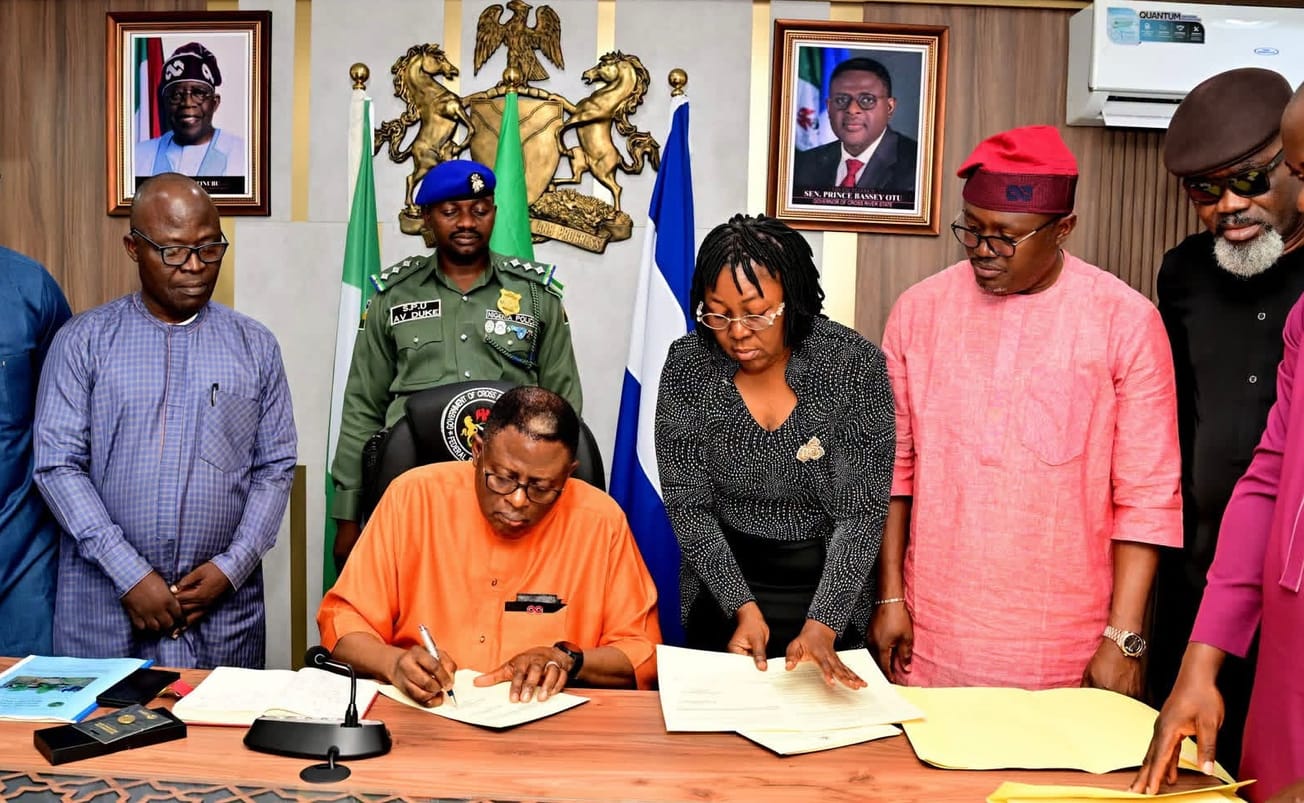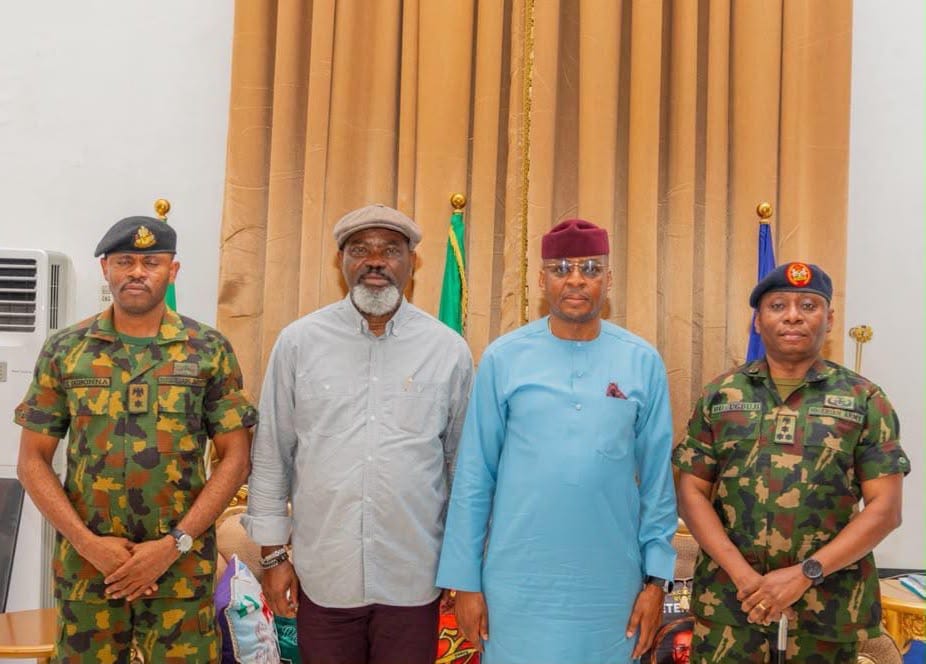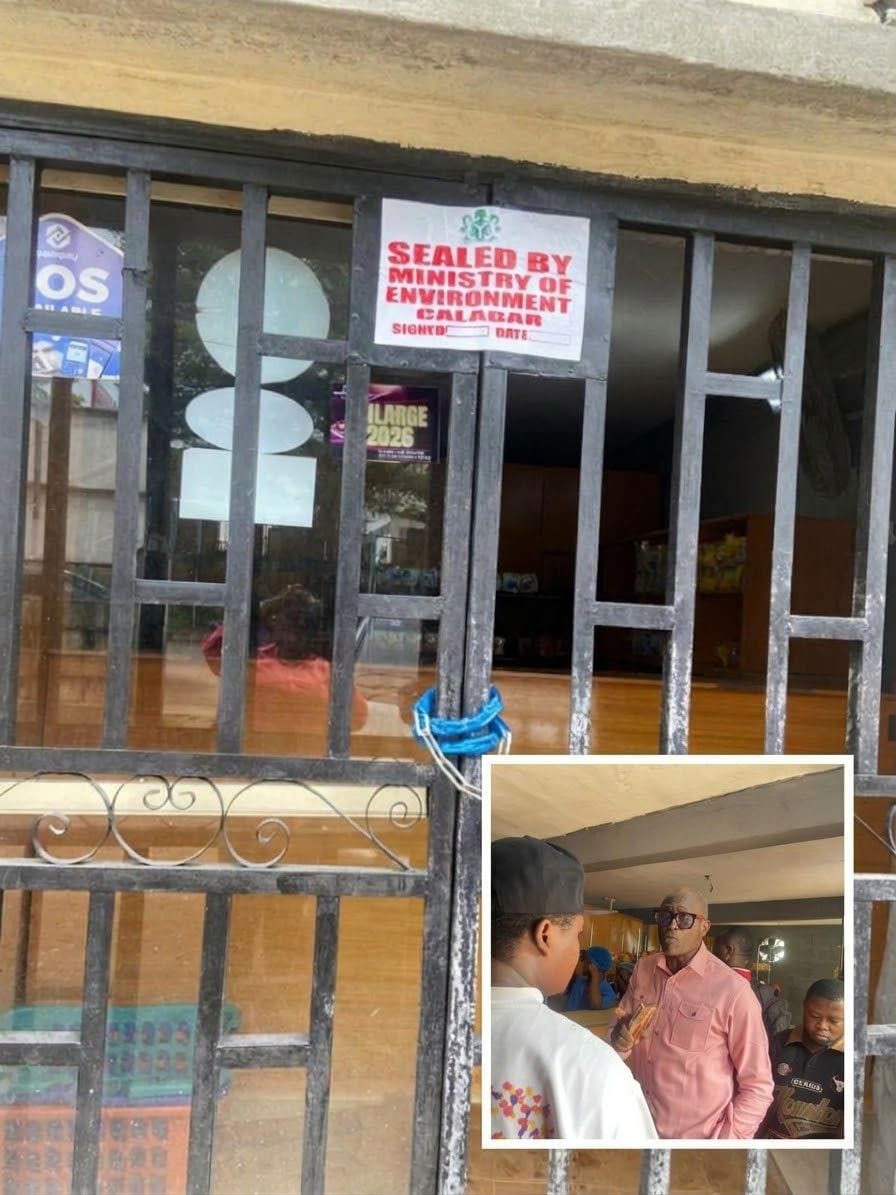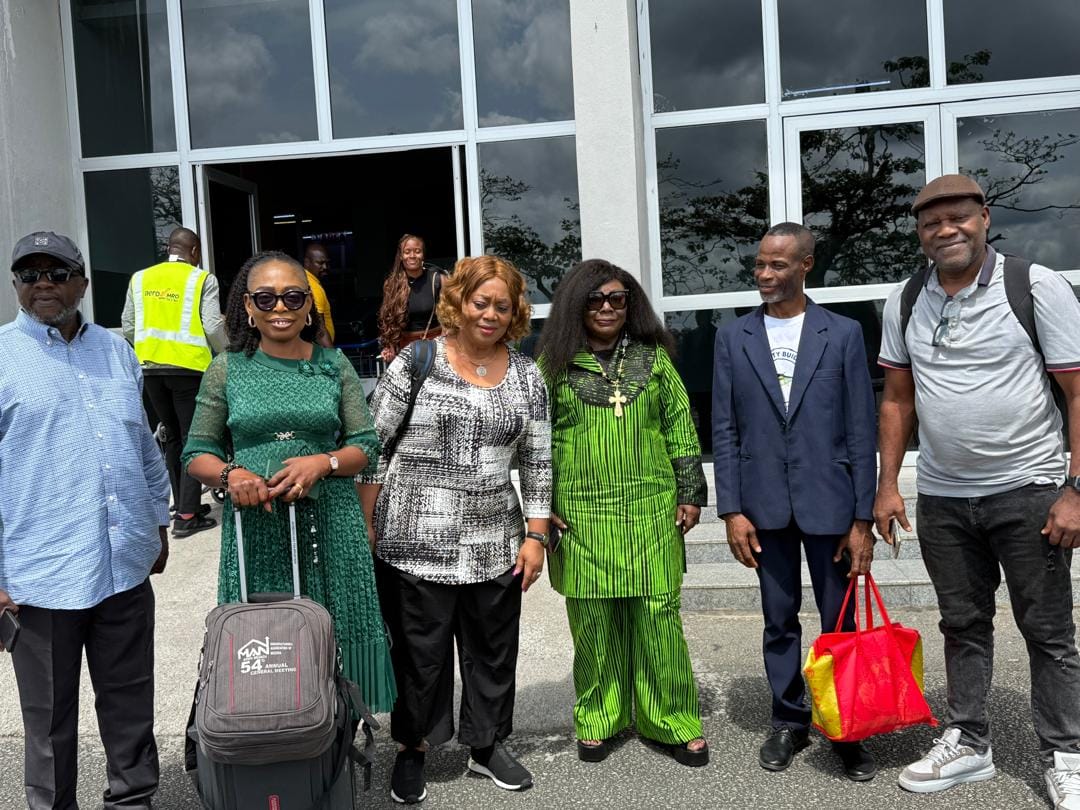

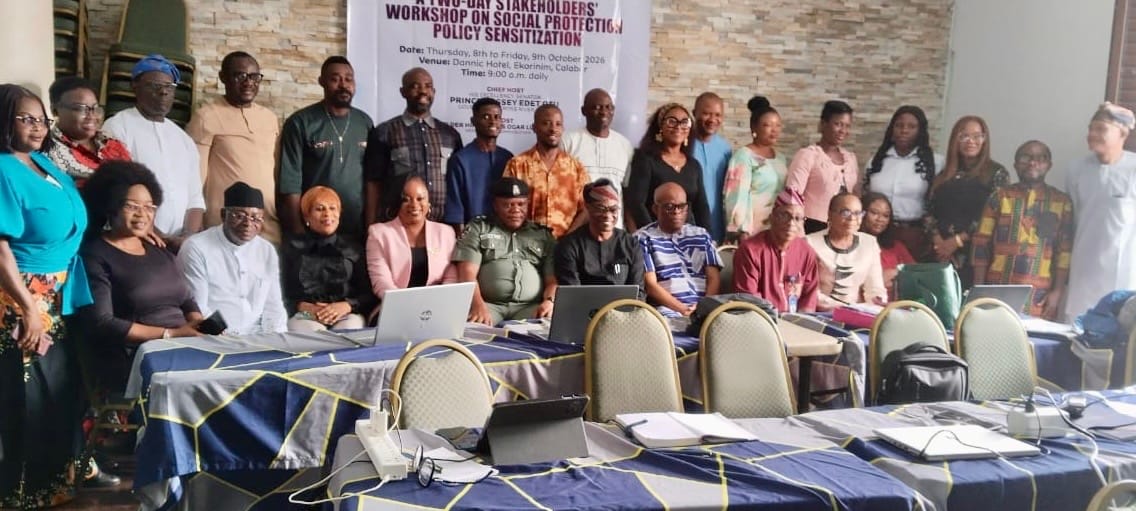
The Cross River State Government and the United Nations Children’s Fund (UNICEF) have strengthened efforts to improve social protection delivery with a two-day stakeholders’ sensitisation workshop aimed at addressing implementation challenges and ensuring that vulnerable residents benefit from government interventions.
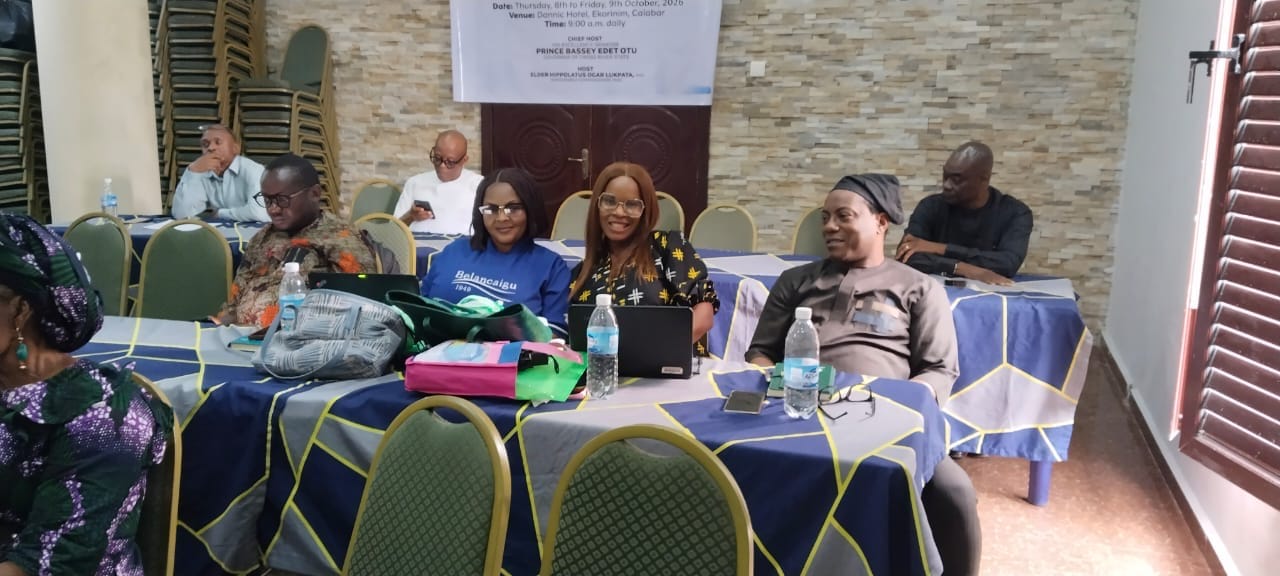
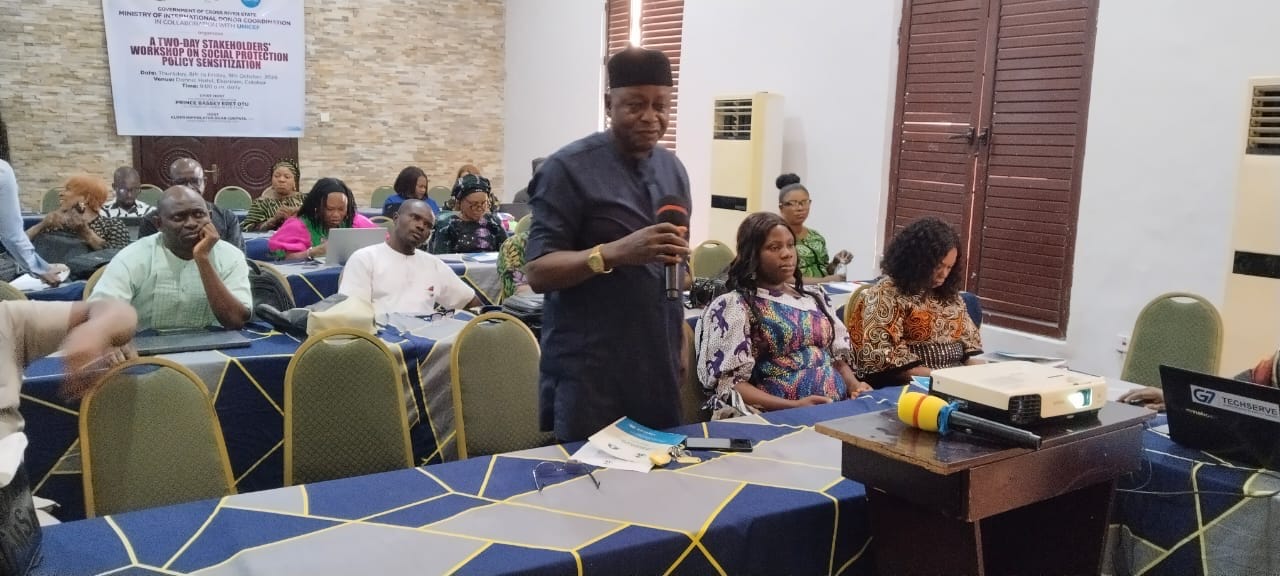
The workshop, held on October 8 and 9, 2026, at Dannic Hotel, Ekorinim, Calabar, brought together representatives of government institutions, development partners, academia and civil society organisations to review progress on the State Social Protection Policy, identify gaps and develop strategies for more effective implementation.
Declaring the workshop open, the Commissioner for International Donor Coordination, Elder Dr. Hippolatus Ogar Lukpata, commended Governor Bassey Edet Otu for providing the institutional support and enabling environment required to advance the state’s development priorities. He said the workshop reflected a collective commitment to promoting social inclusion, reducing poverty and vulnerability, and improving the well-being of Cross Riverians.
Lukpata described social protection as a strategic investment in human capital and sustainable development rather than merely a welfare intervention. He explained that an effective system would help protect children, women, persons with disabilities, older persons and individuals affected by economic and social shocks.
“Through effective social protection measures, we can build resilient communities and create opportunities for all citizens to live with dignity and hope,” he said.
The commissioner noted that the workshop offered stakeholders an opportunity to deepen their understanding of the policy, its objectives, implementation strategies and expected outcomes. He pledged his ministry’s continued commitment to strengthening partnerships, mobilising development partners’ support and promoting coordinated interventions to translate the policy into meaningful benefits for the people.
The Commissioner for Women Affairs, Hon. Dr. Edema Irom, also commended Governor Otu for supporting strong institutions and providing the necessary backing to bring government interventions closer to vulnerable populations. She praised the Ministry of International Donor Coordination and UNICEF for their expertise and commitment to advancing the policy’s implementation.
The State Statistician-General, Mrs. Akedoh Okoi Edet, stressed the importance of credible data in identifying vulnerable populations, determining their needs and designing appropriate interventions. She disclosed that the Bureau of Statistics had conducted disability surveys with the state government’s support to help identify gaps and improve planning for persons with disabilities.
“The Bureau is the custodian of state data, and we do not accept data we did not participate in generating,” Edet said, calling for stronger collaboration between the Bureau, government agencies and development partners to eliminate duplication and ensure that social protection programmes are guided by reliable data.
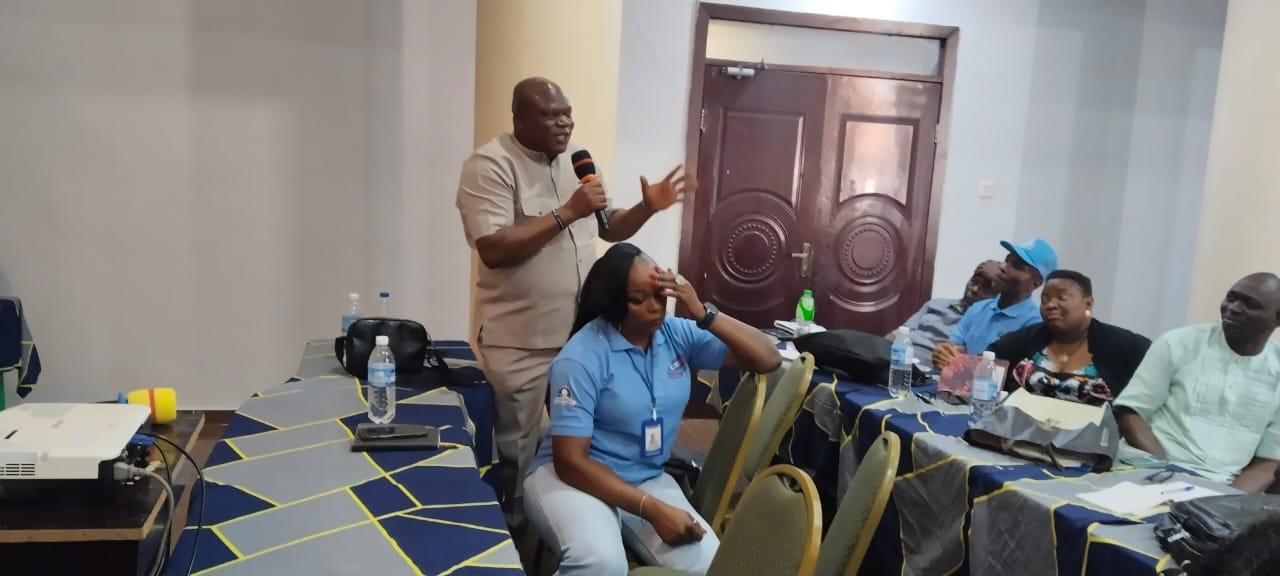
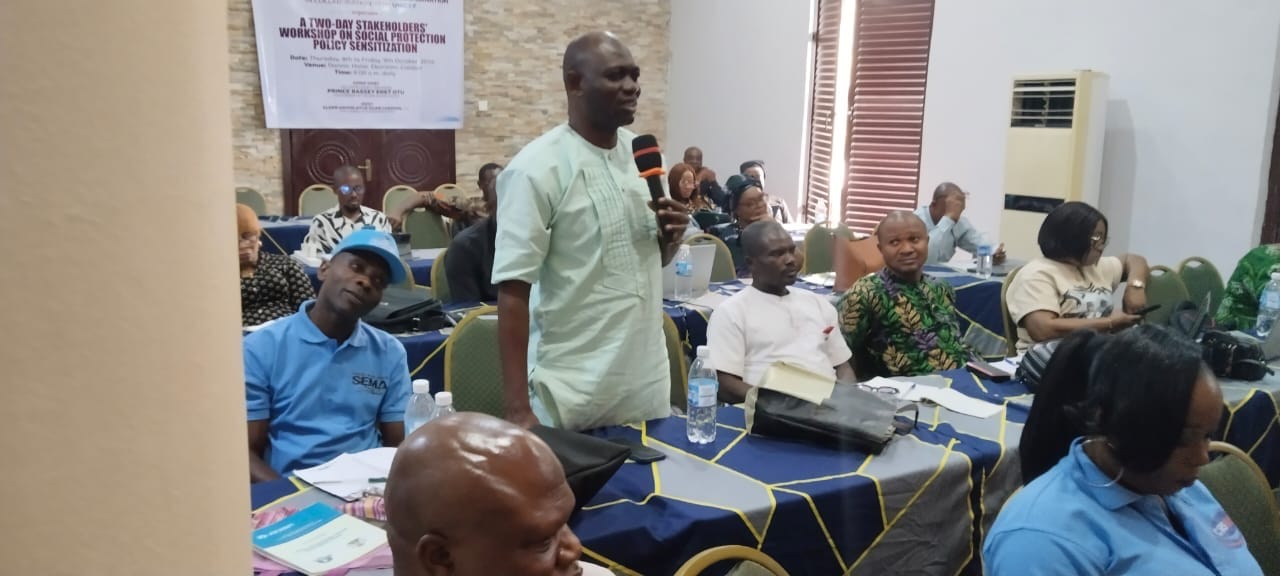
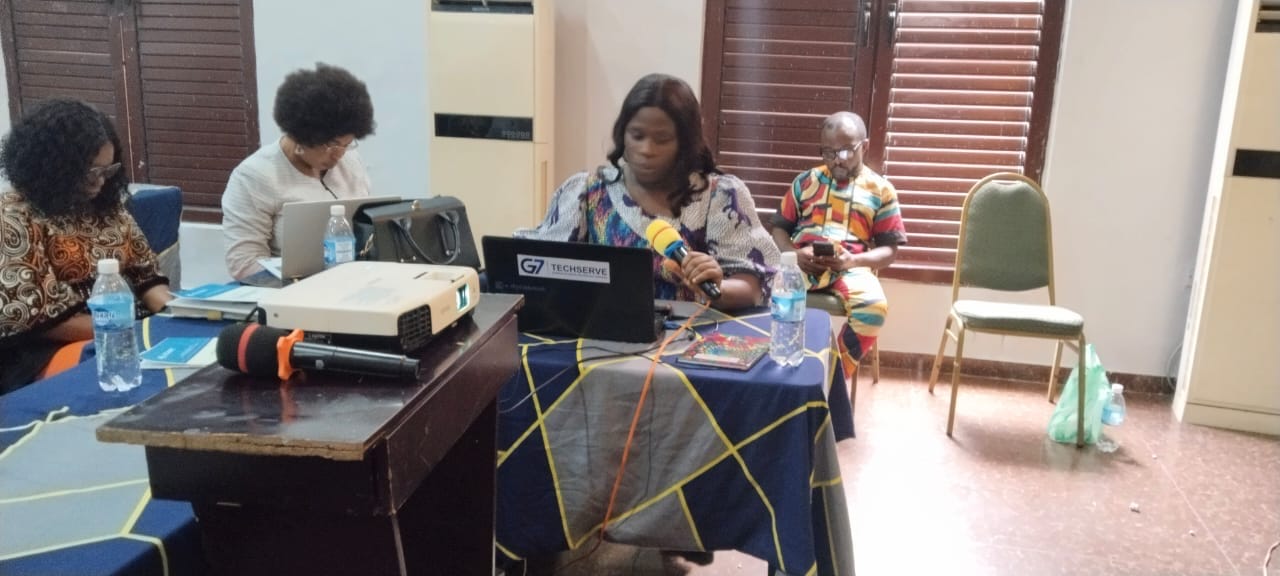
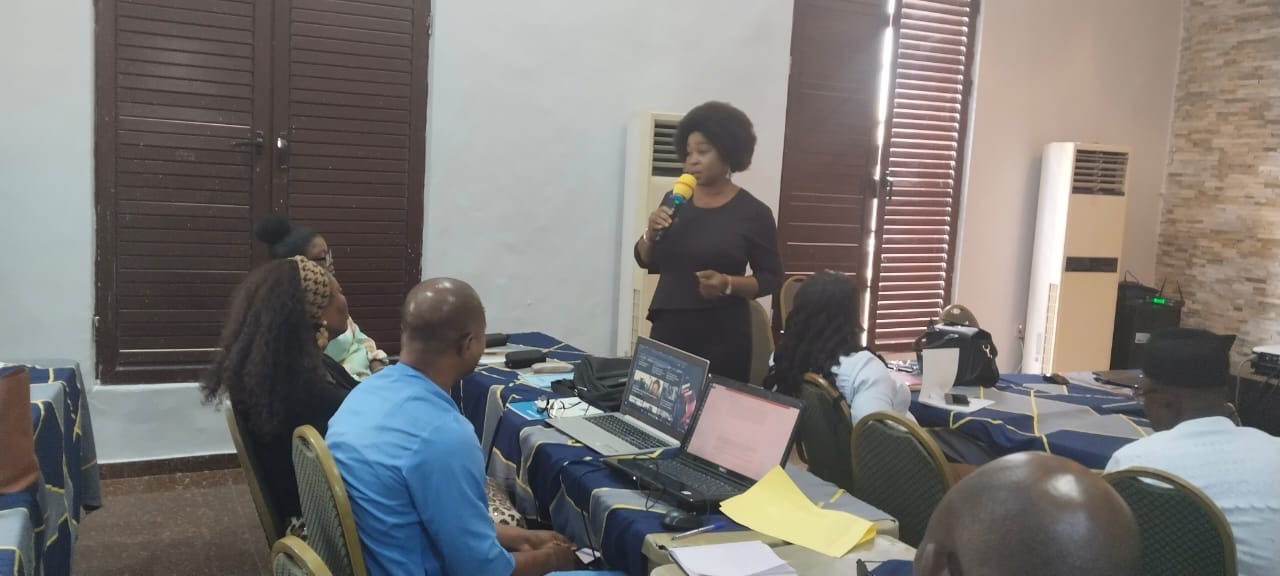
The workshop featured technical presentations, goodwill messages from development partners, plenary discussions and an assessment of progress made in implementing the policy. Stakeholders also reviewed implementation challenges and the proposed 2027 work plan, with a view to identifying priority actions and strengthening coordination among relevant institutions.
Discussions centred on the Cross River State Social Protection Policy framework, prioritising social protection in the Renewed Hope era to ensure that no Cross Riverian is left behind, and progress in expanding the Unified Social Register in the state. Participants also examined challenges affecting implementation at the grassroots and explored options for securing sustainable financing for social protection programmes.
Those in attendance included Permanent Secretaries from various ministries, departments and agencies, a representative of the Commissioner of Police, the Director-General of the Cross River State Policy and Investment Agency, the Director-General of the Association of Local Government Chairmen (ALGON), members of the university community and representatives of civil society organisations.
By Iloke Egbe