The Cross River State Government has intensified efforts to decongest the Calabar metropolis and expand its development frontiers through coordinated physical planning, new satellite communities and improved infrastructure, with the Ministry of Lands pledging full support for the initiative.
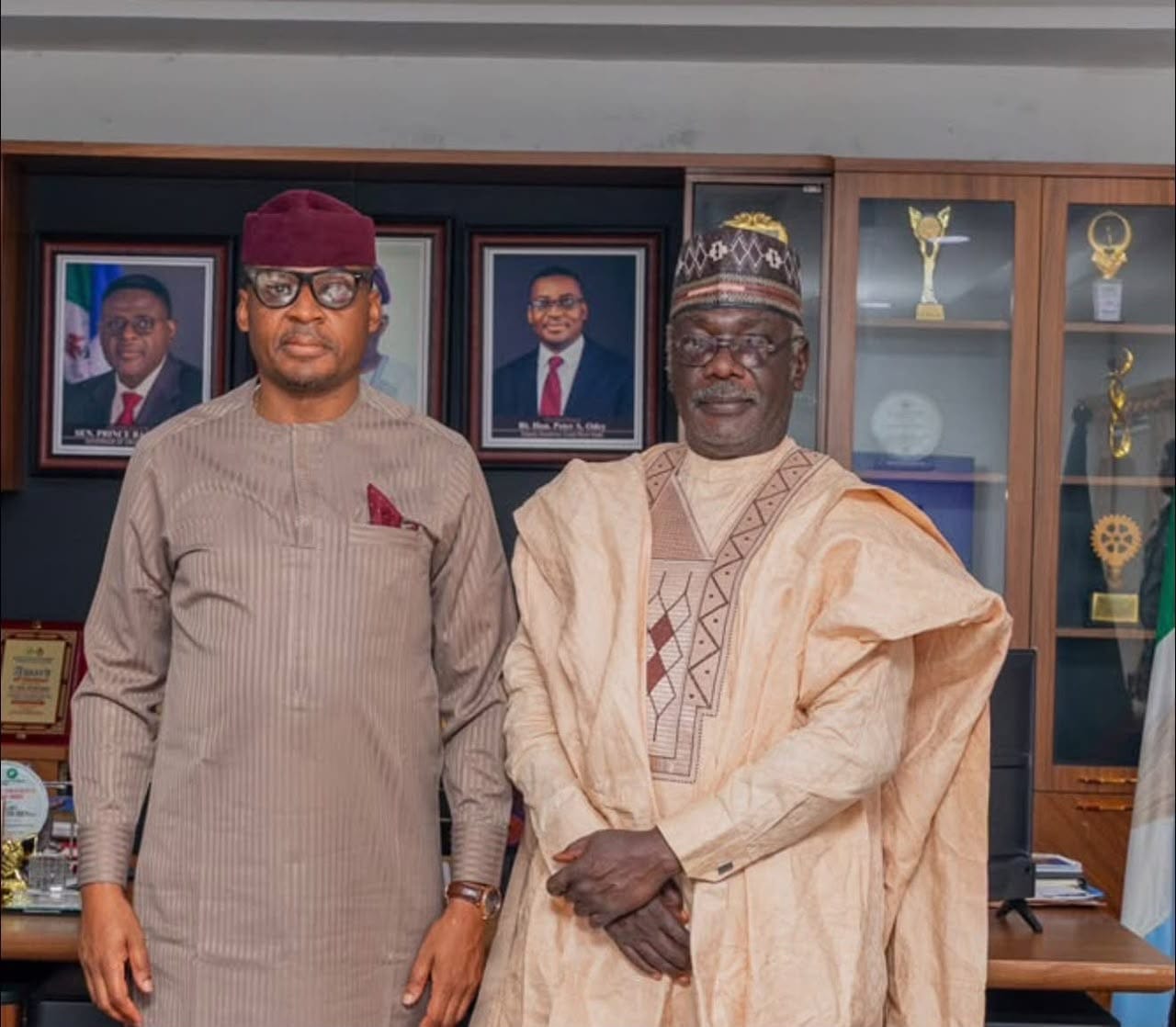
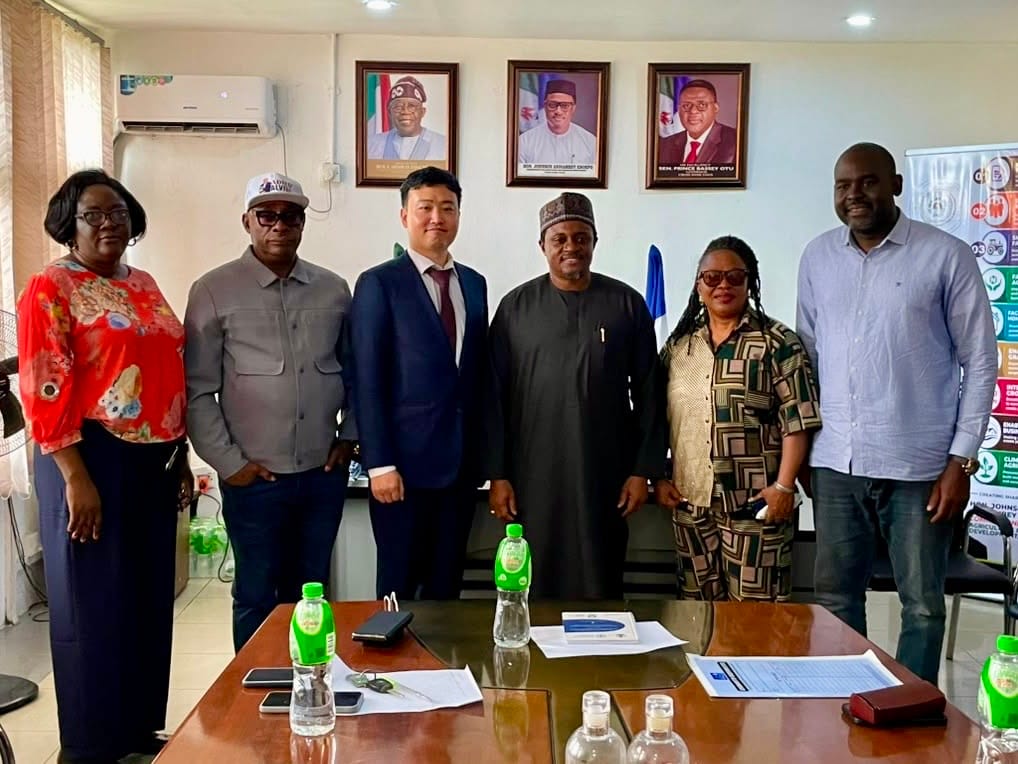
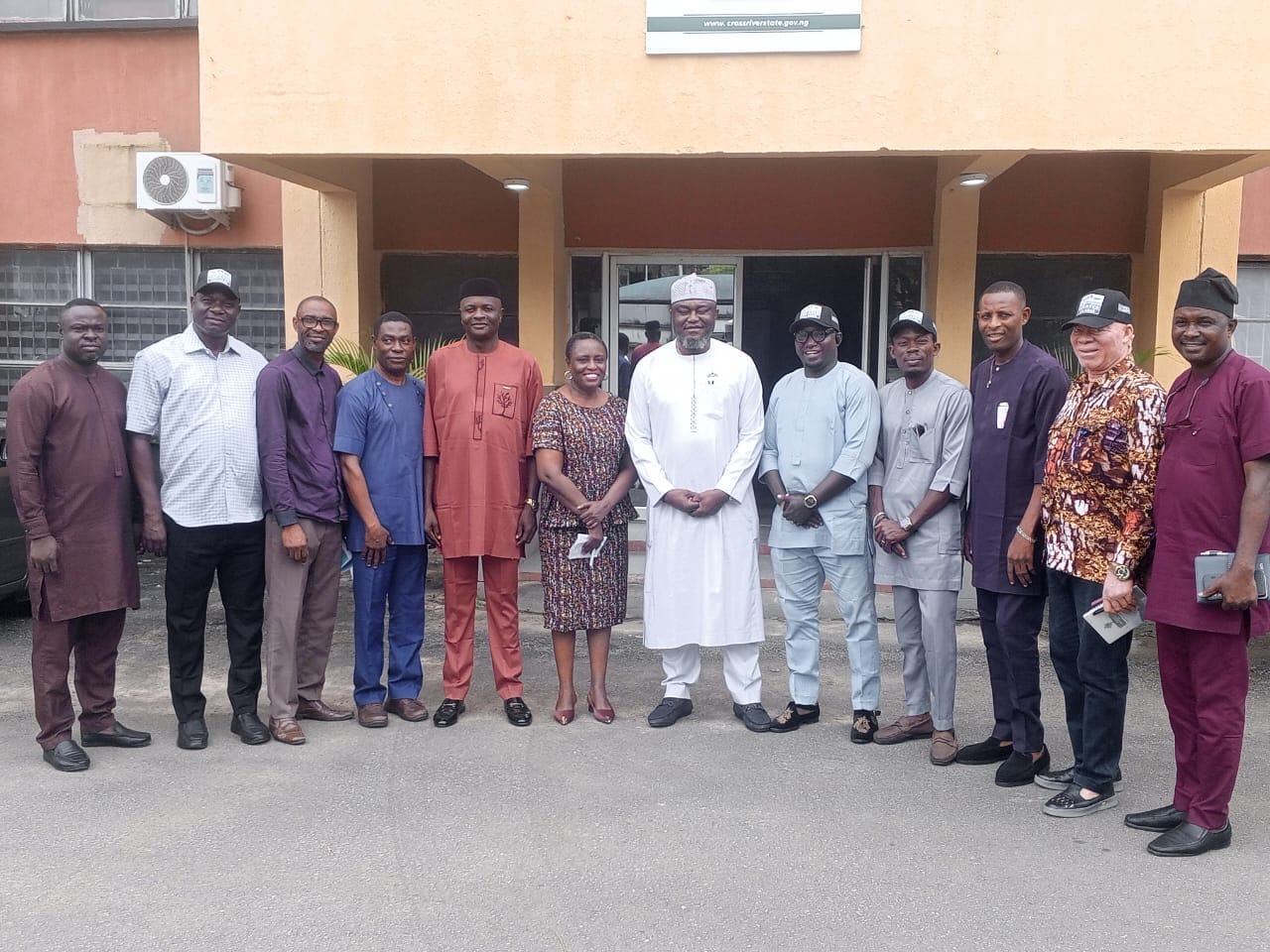
The Commissioner for Lands, Hon. Dr. Erasmus Ekpang, made the commitment when the Greater Calabar Capital City Development Authority, led by its Chairman, Hon. Kingsley Ikpeme, paid him a courtesy visit to seek stronger institutional collaboration towards the sustainable expansion of the capital city.
Ekpang said the Ministry was central to the actualisation of the vision because land remained fundamental to physical development, housing, agriculture, industry and other economic activities. “Land is fundamental to everything we want to do in terms of physical development. Whether it is housing, agriculture, industry or other economic activities, land remains at the centre of it all,” he said.
The Commissioner said one of his priorities was to establish a clear roadmap for proper layouts and coordinated development, particularly within the Calabar metropolis and the Southern Senatorial District. He stressed that effective planning was essential to managing the city’s expansion and preventing haphazard development.
Ekpang noted that major transportation infrastructure, including the Lagos-Calabar Coastal Highway, offered an opportunity to open up new areas and encourage the growth of satellite communities outside the immediate metropolis. “If we have the roads, housing, schools, agricultural facilities, industrial areas and the necessary supporting infrastructure, people can comfortably live in these satellite communities and still commute to Calabar for their work and businesses,” he stated.
He said expanding development beyond the traditional boundaries of Calabar would reduce pressure on existing residential areas and infrastructure, potentially ease housing and rental costs, and create new economic opportunities. He therefore assured the Authority of the 100 per cent support and maximum cooperation of the Ministry of Lands, directing relevant departments and professionals to work seamlessly with it.
The Commissioner identified surveyors, town planners, land officers and other technical professionals as critical to the process, stressing the need for proper coordination and adherence to established procedures. He expressed optimism that the partnership would produce a better-planned, more accessible and economically vibrant Greater Calabar, in line with the development vision of Governor Bassey Edet Otu.
Earlier, Ikpeme explained that the Greater Calabar Capital City Development Authority was established by the State Government to promote proper physical planning, create clear demarcation between residential, commercial and industrial areas, and decongest the metropolis by opening up new areas for development.
He said the initiative was designed to enable residents to live, work and conduct business outside the immediate metropolis, thereby reducing congestion and pressure on existing infrastructure and housing. He emphasized the importance of collaboration with government agencies, traditional institutions, local government councils, academia, the private sector, security agencies, the hospitality industry and the media.
Ikpeme disclosed that the Authority would host a Greater Calabar Development Summit on September 29, 2026, at the Metropolitan Hotel, Calabar, formerly Transcorp Hotel, bringing together government officials, investors, traditional rulers, professionals, academics, local government authorities, private sector operators and other stakeholders.
He said the summit would provide a platform for stakeholders to develop practical strategies for the growth of Greater Calabar, with affordable housing and other development projects expected to feature prominently.
Ikpeme expressed the Authority’s readiness to work with the Ministry and other stakeholders to translate the government’s vision into tangible development outcomes, particularly by opening up new communities and creating economic opportunities for Cross Riverians.
By AFIONG NDEM