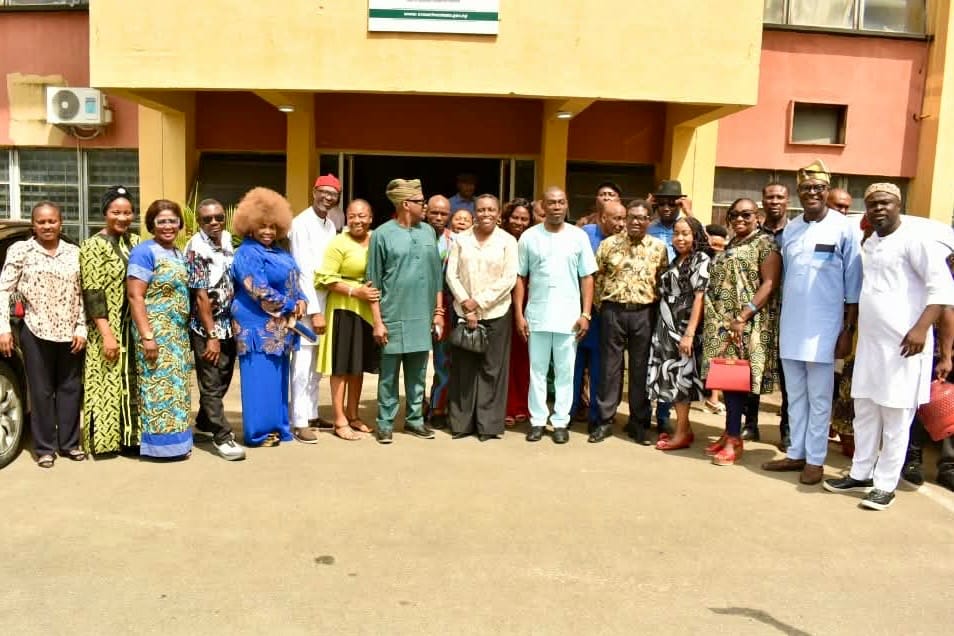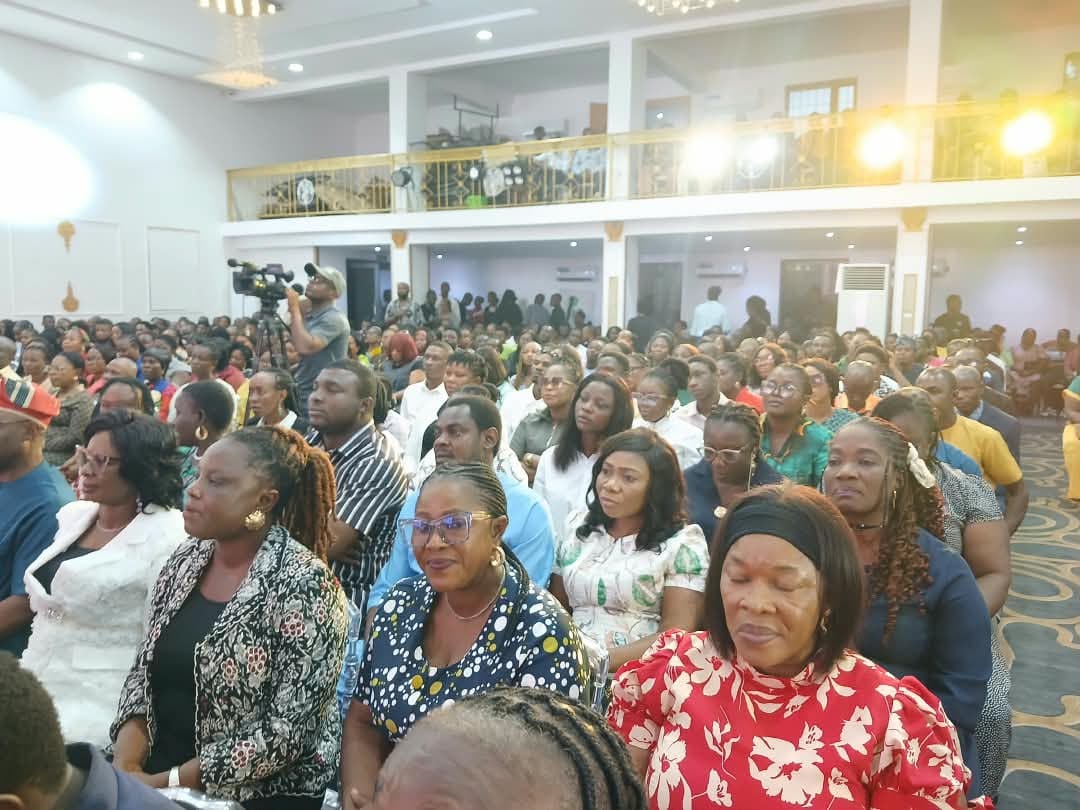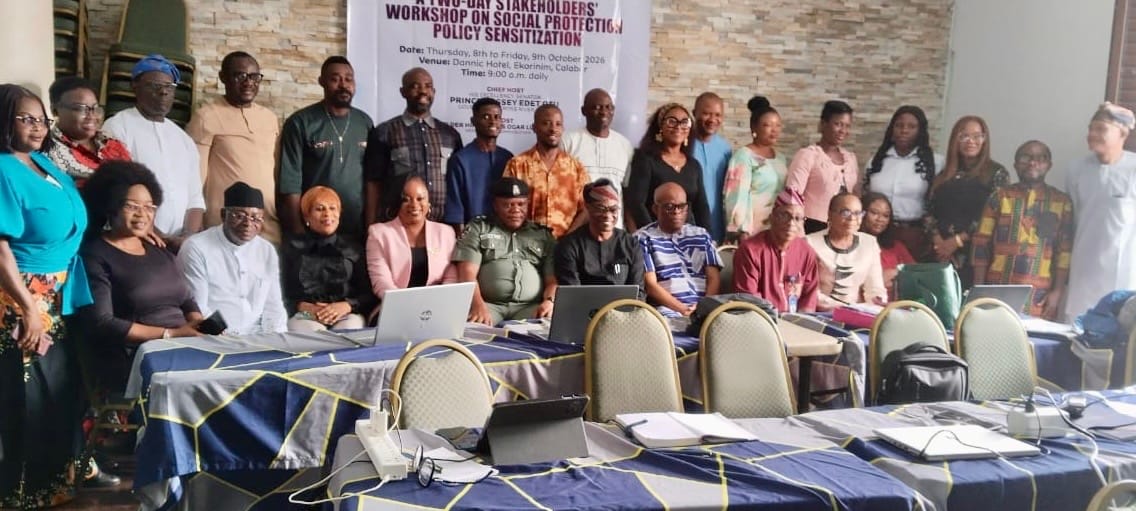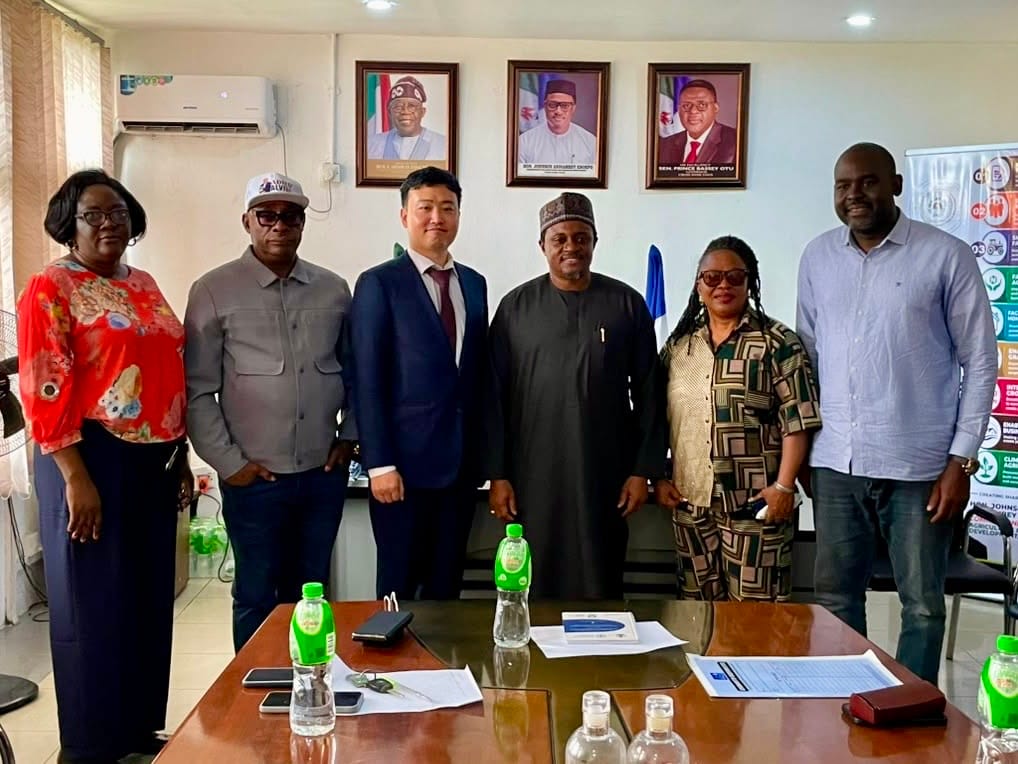

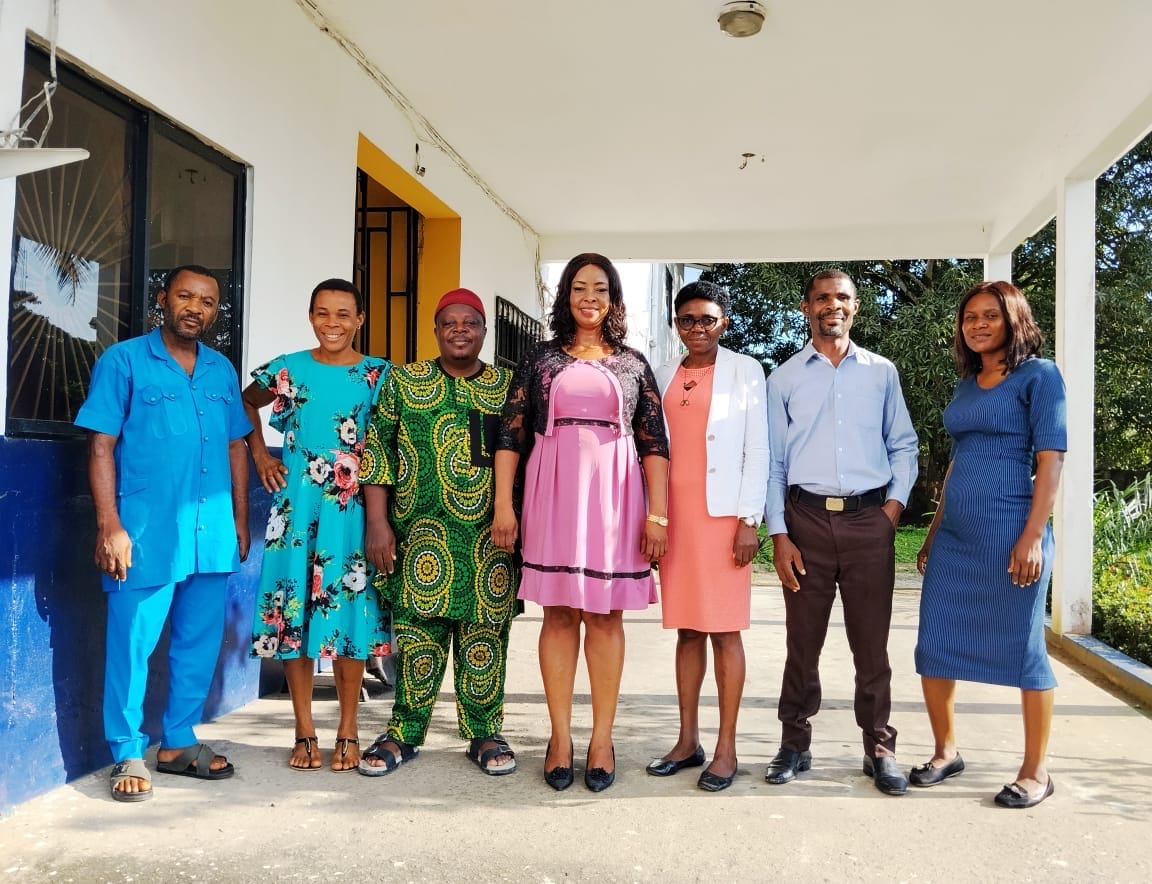
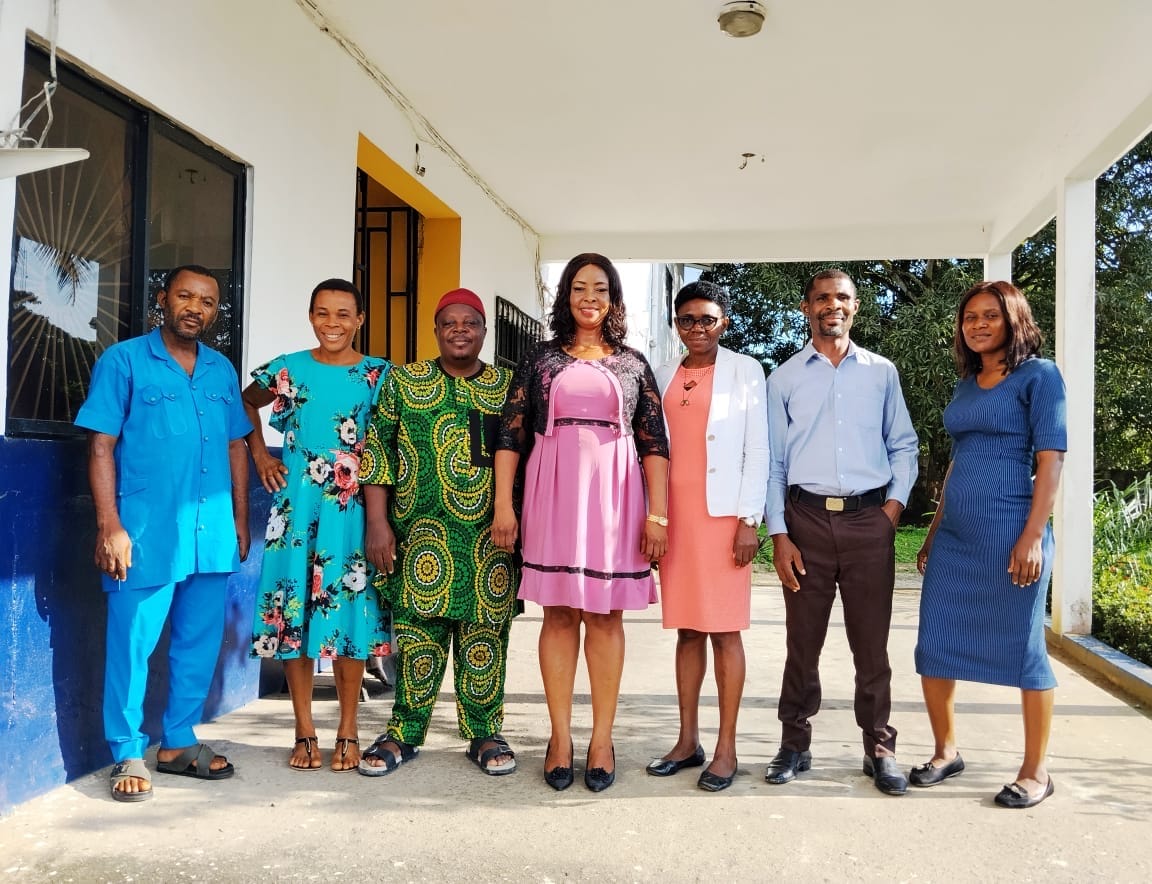
The Cross River State Ministry of Transportation has concluded a comprehensive in-house training and orientation programme for staff recruited between 2019 and 2026, as part of efforts to strengthen institutional capacity and improve service delivery.
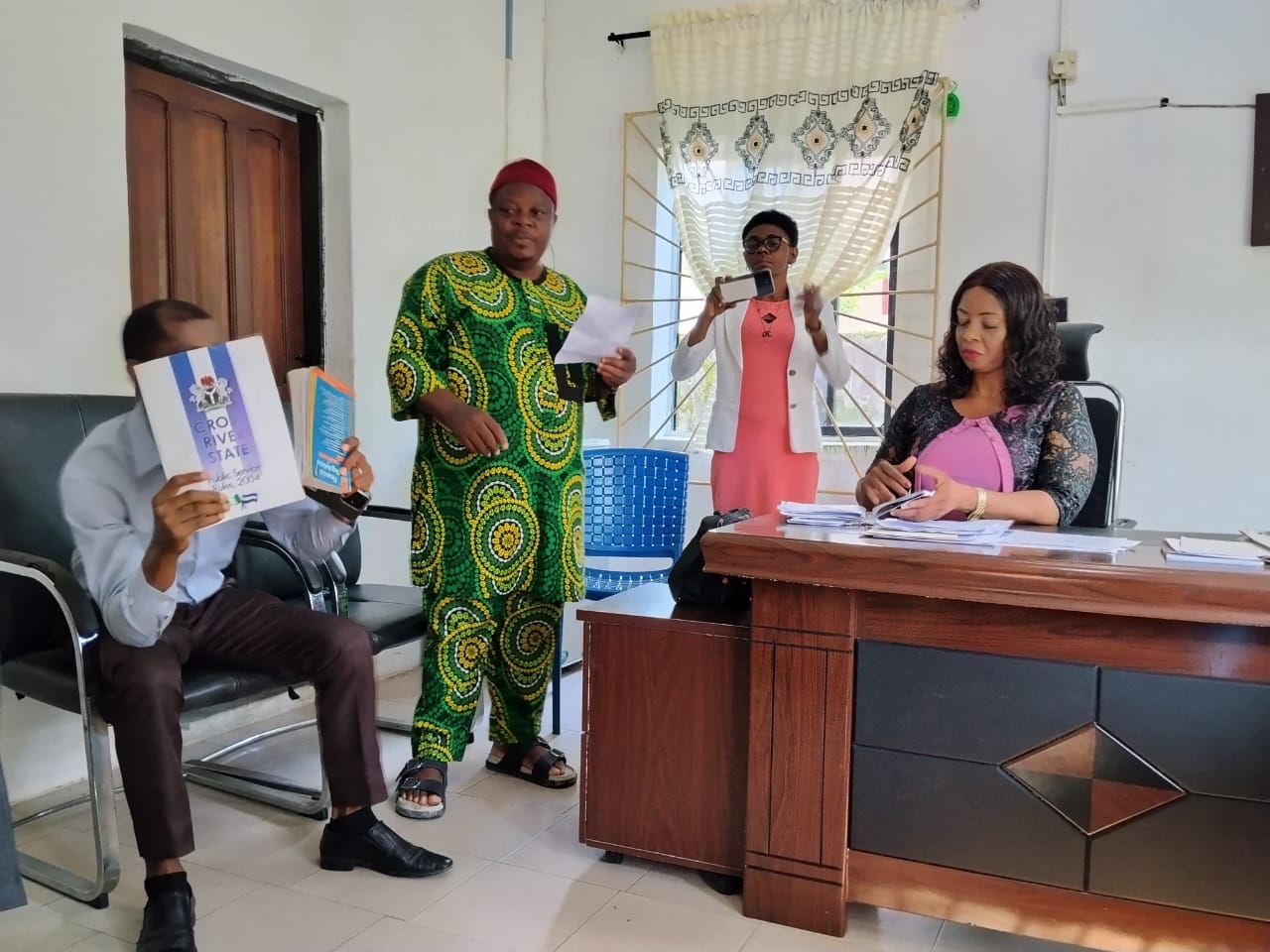
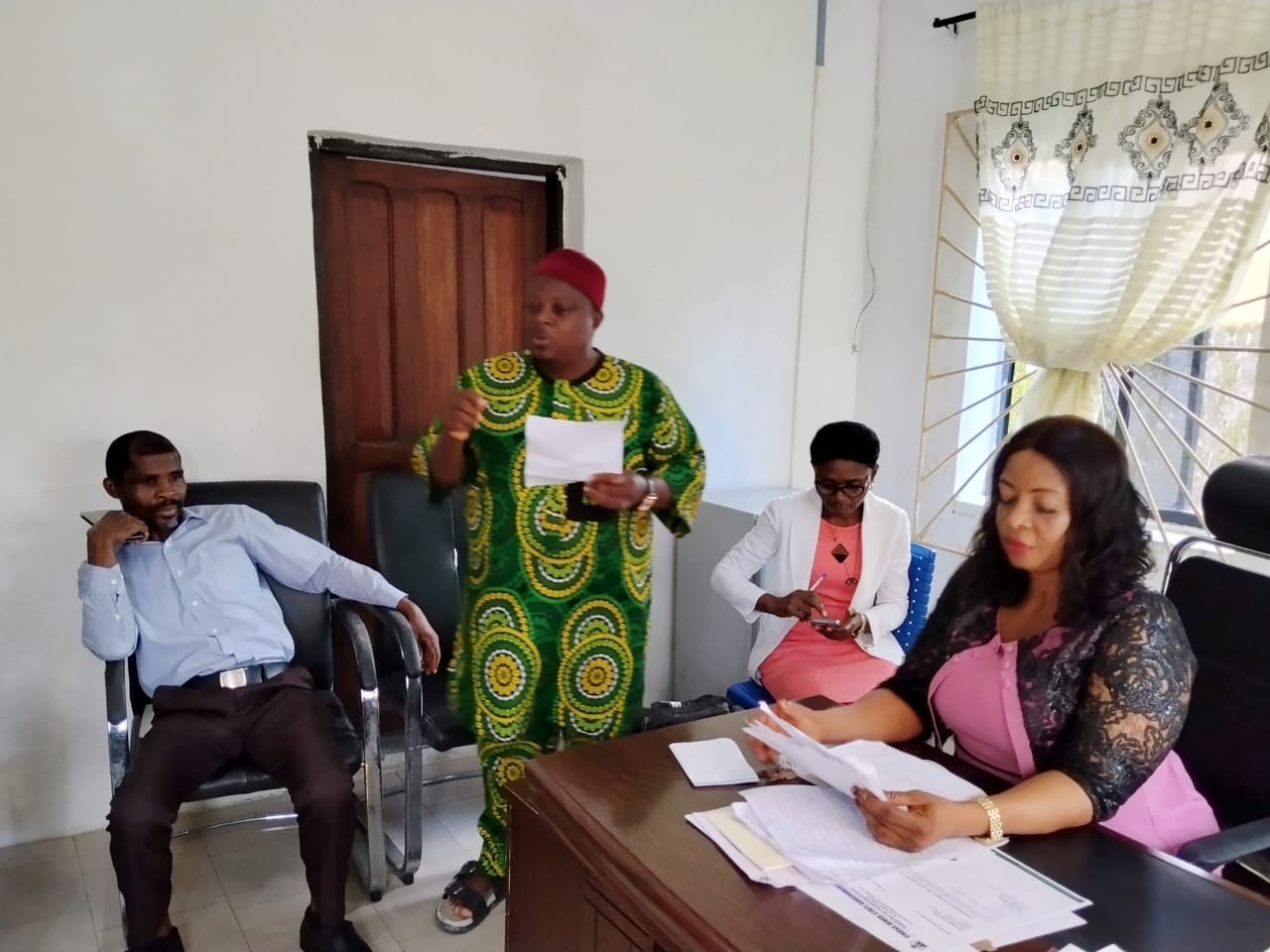
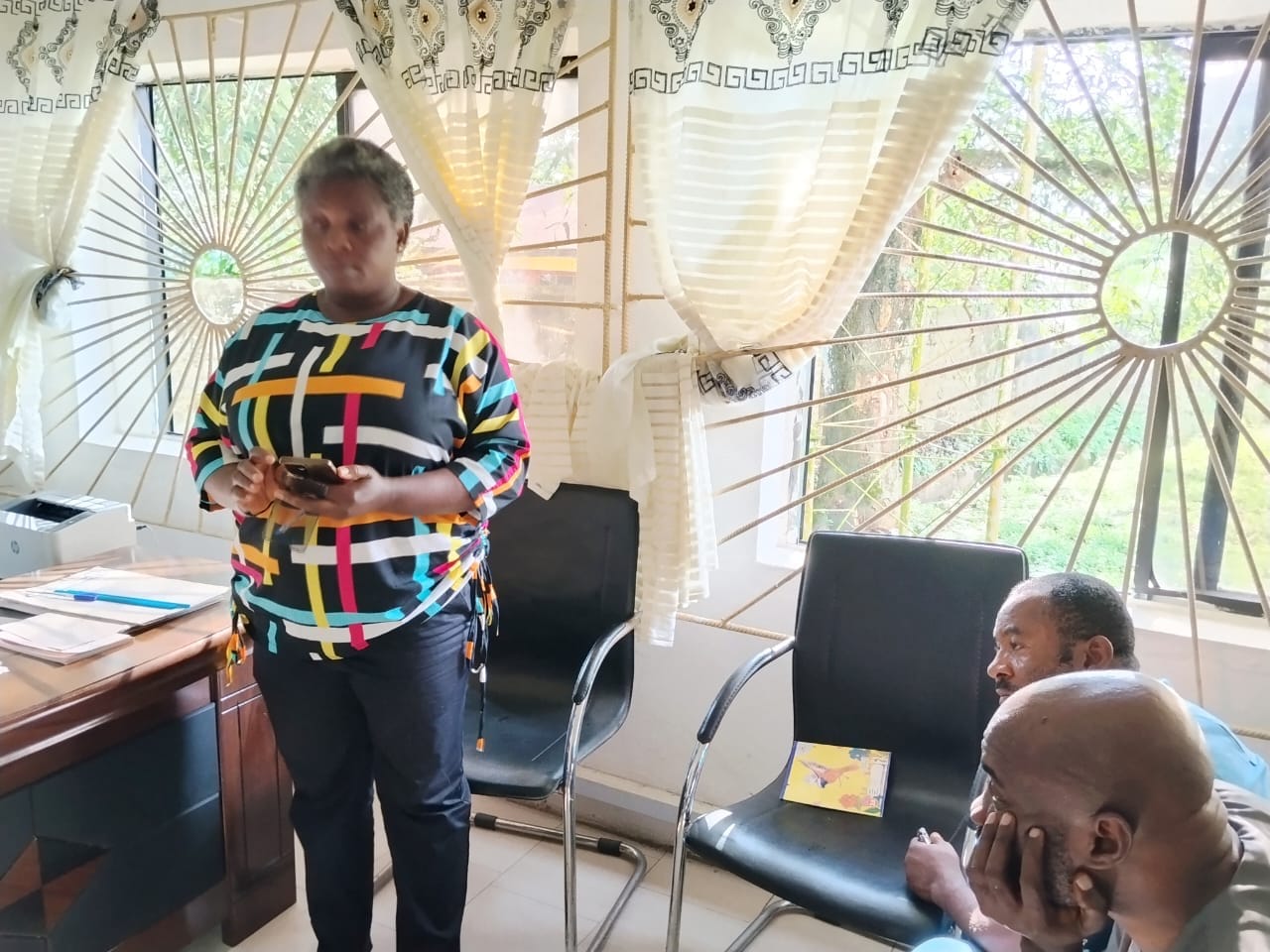
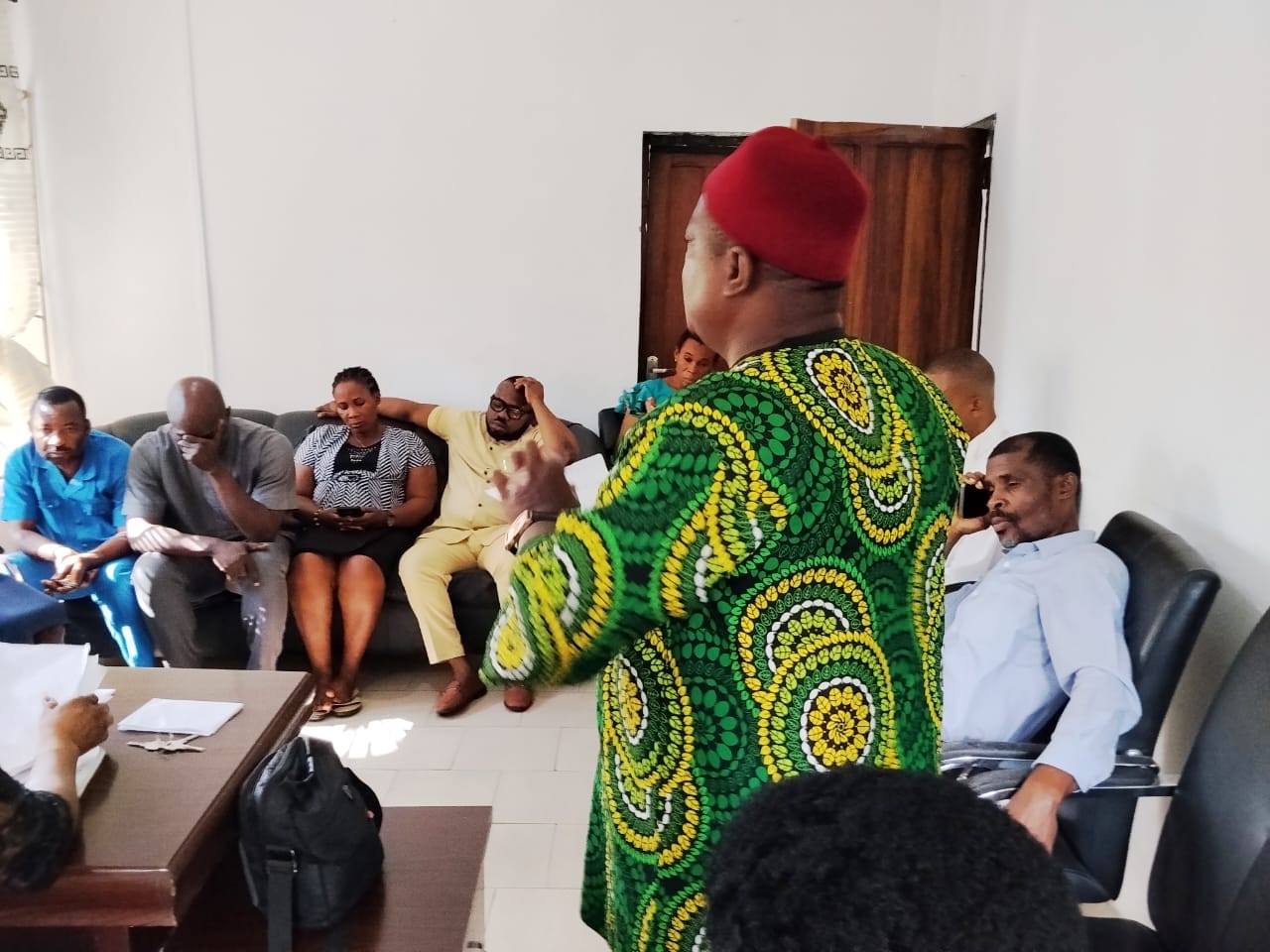
The programme, which ended on Monday, August 31, 2026, at the Ministry’s headquarters in Calabar, brought together personnel across various cadres to deepen their understanding of the structure, mandate, operations, rules and regulations governing the Public Service.
Coordinated by the Director of Administration, Mrs. Vanessa Inah, the programme was held with the full support of the Commissioner for Transportation, Hon. Kingsley Egumi, and the Permanent Secretary, Pastor Mrs. Eme Affiah, who were unavoidably absent due to other ministerial engagements.
In her opening remarks, Inah expressed appreciation to the Head of Service for conceptualising and supporting the initiative, stressing that regular training and orientation had become essential to effective and efficient service delivery, particularly with the continuous recruitment of personnel across Ministries, Departments and Agencies.
She said the knowledge acquired would serve as a compass for the staff throughout their careers, urging them to uphold the principles of contentment, anonymity and loyalty, while remaining politically neutral and providing honest and professional advice to the government of the day.
Inah, who facilitated the session on Public Service Rules, Ethics, Discipline and Code of Conduct, reminded the officers that the Public Service Rules, Financial Regulations and Code of Conduct provide the framework for their operations, urging them to shun corruption, absenteeism, improper handling of official information and other acts capable of undermining public service.
The Chief Accountant of the Ministry, Chief Julius Kekong, who spoke on Financial Regulations and Accountability, described the three key regulatory documents as the “bible” of every civil servant and urged staff to study and apply them diligently. He also cautioned against taking multiple bank loans beyond their repayment capacity, stressing the importance of financial discipline.
The Internal Auditor, Mr. Ekpo Otu, in his presentation on Auditing Procedures, explained that the audit function, guided by the Financial Regulations and relevant constitutional provisions, was critical to transparency, accountability and prudent management of public resources.
Otu urged staff to cooperate with audit exercises and maintain accurate and up-to-date records, explaining that auditing goes beyond the examination of financial records to include the monitoring and evaluation of government assets, agencies and persons.
The Senior Technical Officer, Rev. Asibong Kubiagha, who handled the session on the Ministry’s mandate, charged staff to align their individual responsibilities with the Ministry’s responsibility of formulating and implementing policies for an efficient, safe and affordable transportation system that supports the state’s economic and social development.
Kubiagha also highlighted the Ministry’s regulatory oversight over transport agencies and activities on the roads, stressing the importance of collaboration with relevant agencies in promoting road safety and integrated transit operations.
At the conclusion of the programme, participants were urged to apply the knowledge acquired, respect the hierarchy of the Civil Service and remain disciplined throughout their careers, while the Information and Public Relations Officer, Mrs. Irene Bassey, delivered the Vote of Thanks and Mr. Effanga Ita, an Accountant in the Ministry, offered the closing prayer.
The Ministry expressed confidence that the capacity-building initiative would translate into improved staff performance, professionalism and accountability, strengthening its workforce to contribute more effectively to the realisation of the State Government’s vision for a robust, efficient and people-oriented transportation system.
By Irene Bassey