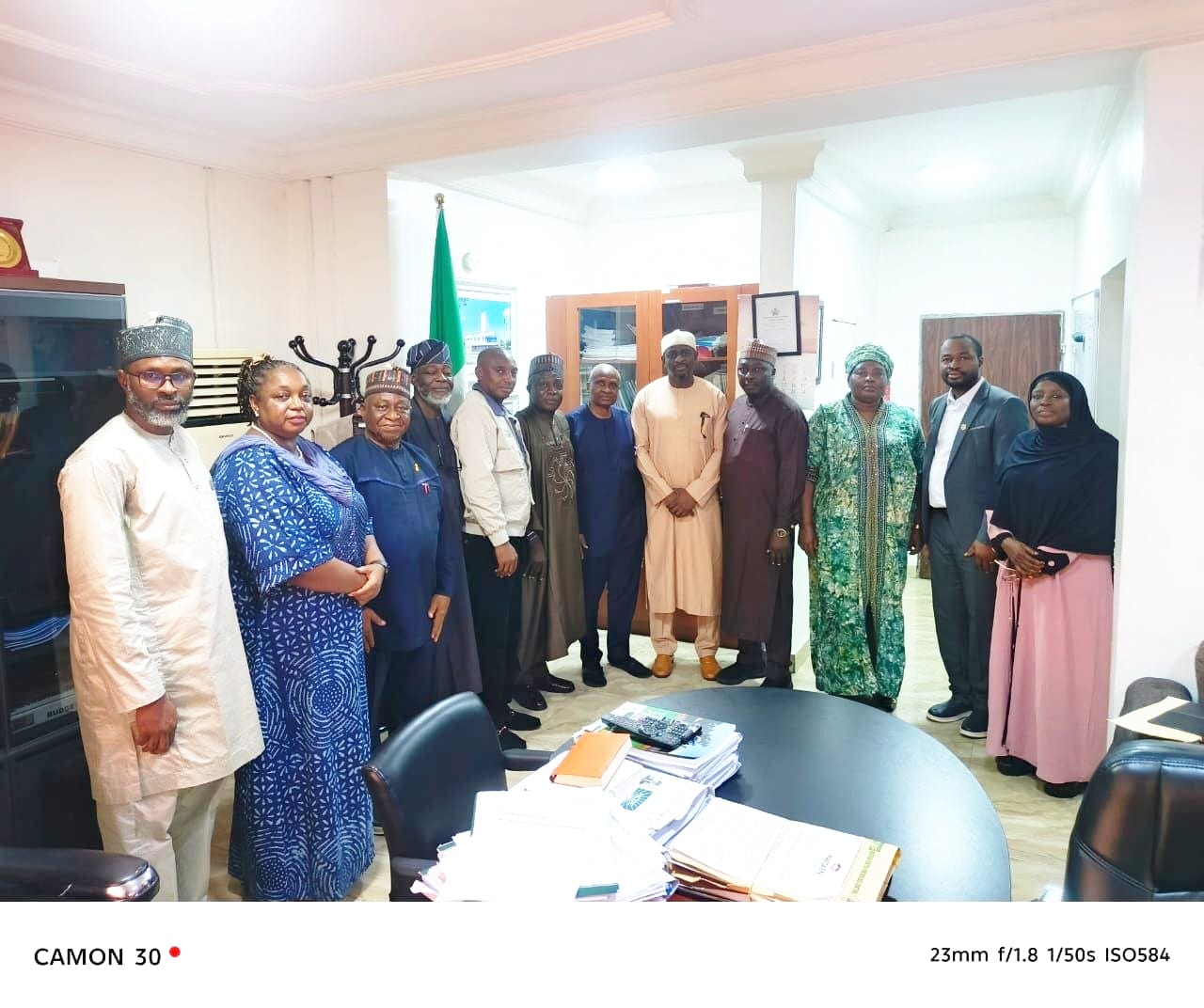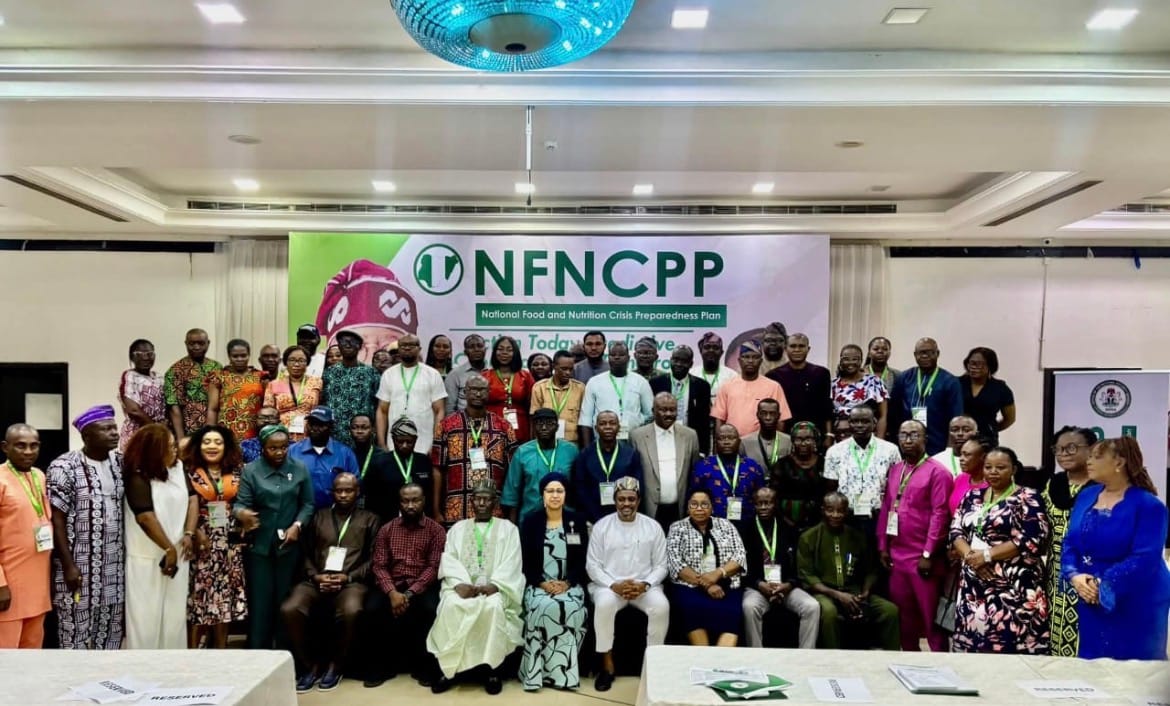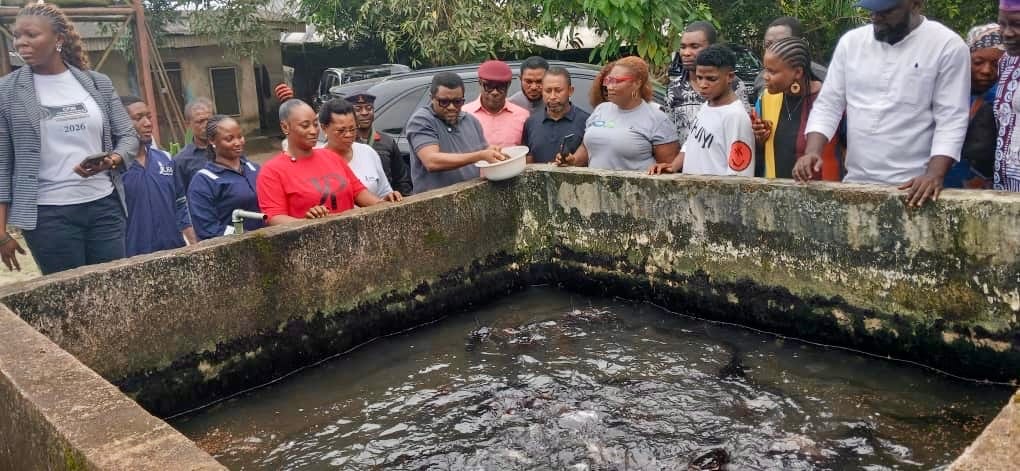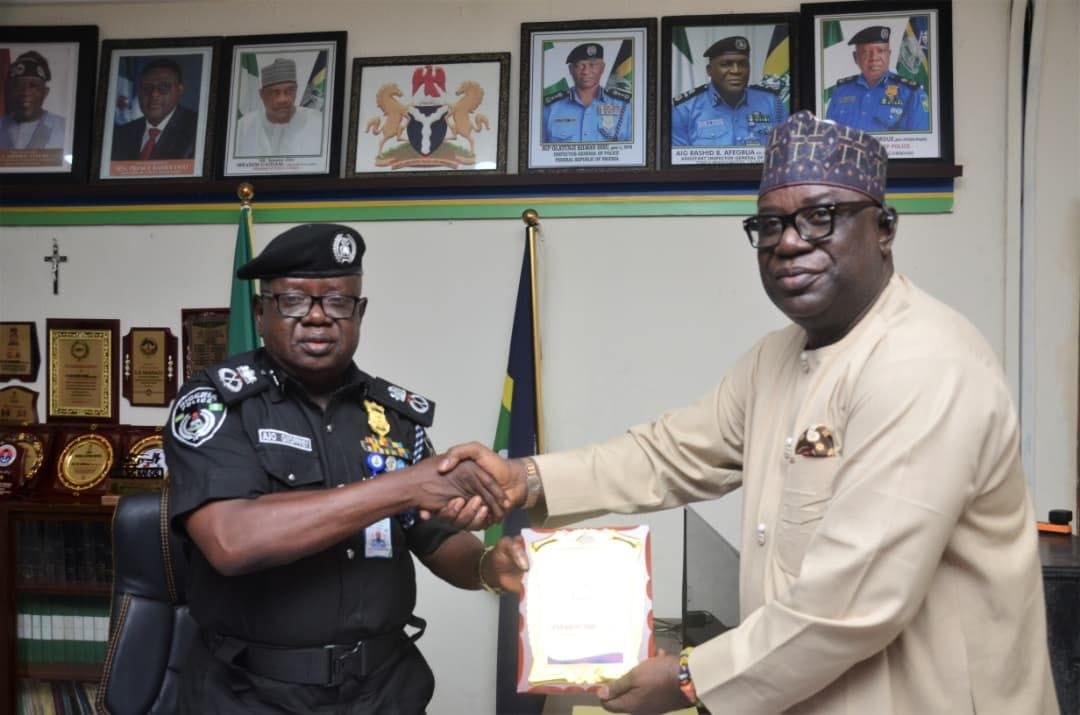


The Federal Government, acting through the South South Development Commission (SSDC) in collaboration with the National Emergency Management Agency (NEMA), the Nigerian Red Cross Society, and the Cross River State Emergency Management Agency (CR-SEMA) has conducted a comprehensive assessment of flood and landslide-affected communities in Calabar. The exercise aims to coordinate humanitarian interventions and formulate long-term environmental resilience strategies for the South-South region. Led by the Commission’s Managing Director, Miss Usoro Offiong Akpabio, the assessment took place on Tuesday, August 4, 2026. Her visit underscored the Federal Government’s dedication to helping Cross River State address the humanitarian and environmental fallout from the recent disasters.

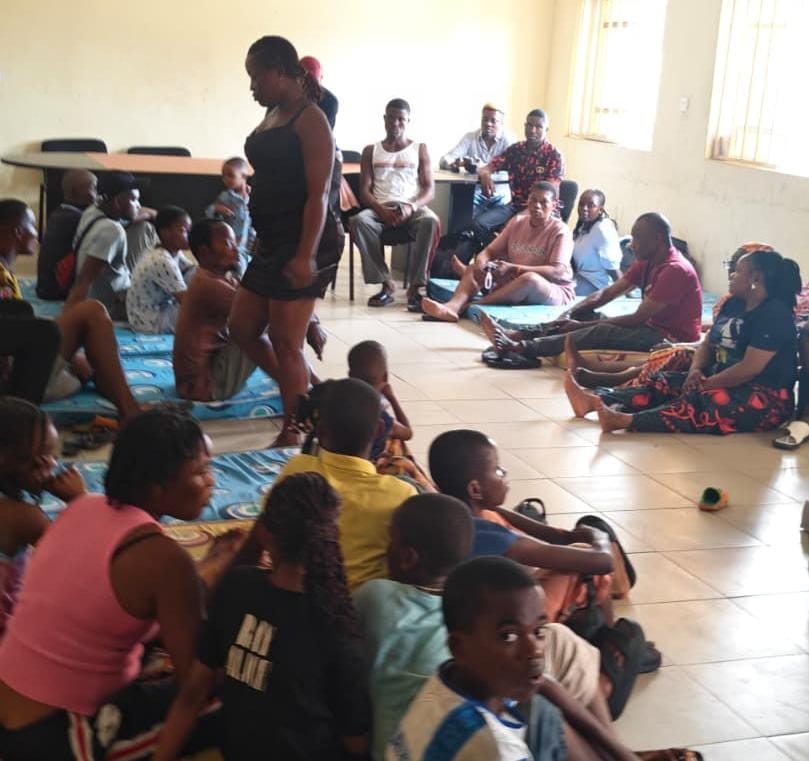
Accompanied by the CR-SEMA Director General, alongside officials from NEMA and the Red Cross, the delegation toured major disaster sites and temporary shelters to gather firsthand information on the devastation. The team first inspected the landslide site at Anansa Street, observing extensive damage from ongoing soil erosion that threatens residential buildings and public infrastructure. They then proceeded to Big Qua, where severe flooding had washed away fences and damaged multiple homes. Subsequent stops at Elijah Henshaw and Atu Street revealed blocked drainage channels and damaged waterways, key environmental factors fueling recurrent flooding in the metropolis. The delegation also visited temporary shelters housing displaced persons at the Red Cross building and CR-SEMA headquarters, where they interacted with internally displaced persons (IDPs), humanitarian workers, and volunteers delivering relief and welfare support. The exercise concluded with an inspection of the CR-SEMA Central Warehouse, which stores and coordinates emergency relief materials for disaster response operations across the state. Speaking during the tour, the SSDC Managing Director, Miss Usoro Offiong Akpabio, said the Federal Government considered it imperative to immediately identify with the people of Cross River State following the recent disasters, stressing that leadership must always be present whenever lives and livelihoods are under threat. She explained that the Commission deliberately adjusted its official schedule to visit the affected communities, noting that the disaster was not merely about damaged infrastructure but about families who had lost loved ones, livelihoods and their sense of security. According to her, although the Commission is newly established and still putting its institutional structures in place, humanitarian emergencies cannot wait, assuring that disaster response and environmental resilience would remain a priority for the Commission. Miss Akpabio observed that flooding, coastal erosion and community displacement have become recurring challenges across the South-South region and disclosed that similar assessments would be conducted in other affected states to enable the Commission develop a coordinated regional intervention strategy rather than isolated responses. She described climate change as a present reality requiring urgent action from governments and citizens alike, emphasizing the need for stronger environmental advocacy, proper urban planning, resilient infrastructure and improved public sanitation. Recalling the environmental sanitation culture of earlier years, she urged residents to revive responsible environmental practices by keeping drainage channels free of refuse and supporting efforts aimed at preventing avoidable flooding. The SSDC Managing Director commended Governor Senator Prince Bassey Otu for his swift response to the disaster and appreciated the efforts of CR-SEMA, NEMA, the Nigerian Red Cross Society and other first responders for standing with affected communities during the difficult period. Addressing internally displaced persons at the Red Cross temporary shelter, Miss Akpabio assured victims that they had not been forgotten. She sympathized with families who had lost their homes and means of livelihood, describing their courage as inspiring despite the difficult circumstances. She further assured that the Federal Government, through the South South Development Commission, would work closely with the Cross River State Government, NEMA, CR-SEMA and other development partners to support humanitarian assistance, medical outreach, environmental assessments and long-term recovery programmes capable of rebuilding affected communities and strengthening disaster preparedness across the South-South region. Also speaking, the representative of the National Emergency Management Agency (NEMA) expressed sympathy to affected residents, explaining that the visit became necessary after the Agency received reports from CR-SEMA on the scale of destruction caused by the recent disasters. He assured victims that the findings from the assessment would be presented to the Director General of NEMA for necessary consideration and intervention while commending the Cross River State Government for the support already being provided to displaced persons. In his remarks, the Director General of the Cross River State Emergency Management Agency (CR-SEMA), Mr. Efa Nyong, described the visit as a strong demonstration of the Federal Government's concern for the welfare of Cross River people, noting that the arrival of the South South Development Commission has reinforced confidence that additional humanitarian support will soon reach affected communities. He noted that the Federal Government's decision to deploy the South South Development Commission to personally assess affected communities, temporary shelters and landslide sites reflects a genuine commitment to understanding the realities on the ground before implementing lasting interventions. Mr. Nyong noted that while the State Government has continued to respond within available resources, the visit provides renewed hope that additional support will soon reach affected communities. He thanked the Managing Director and her team for taking time to assess the situation firsthand, expressing optimism that the assessment would translate into meaningful interventions for victims. The CR-SEMA Director General further announced that the Agency would soon commence a comprehensive flood advocacy and public sensitization campaign across the eighteen Local Government Areas of the State. He explained that the campaign would educate residents on proper waste disposal, the dangers of dumping refuse in drainage channels and other preventive measures aimed at reducing man-made causes of flooding.

Mr. Nyong urged Cross River residents to make environmental sanitation a daily responsibility, stressing that while natural disasters may not always be prevented, many flood incidents can be minimized through responsible environmental practices.
By David Asu