
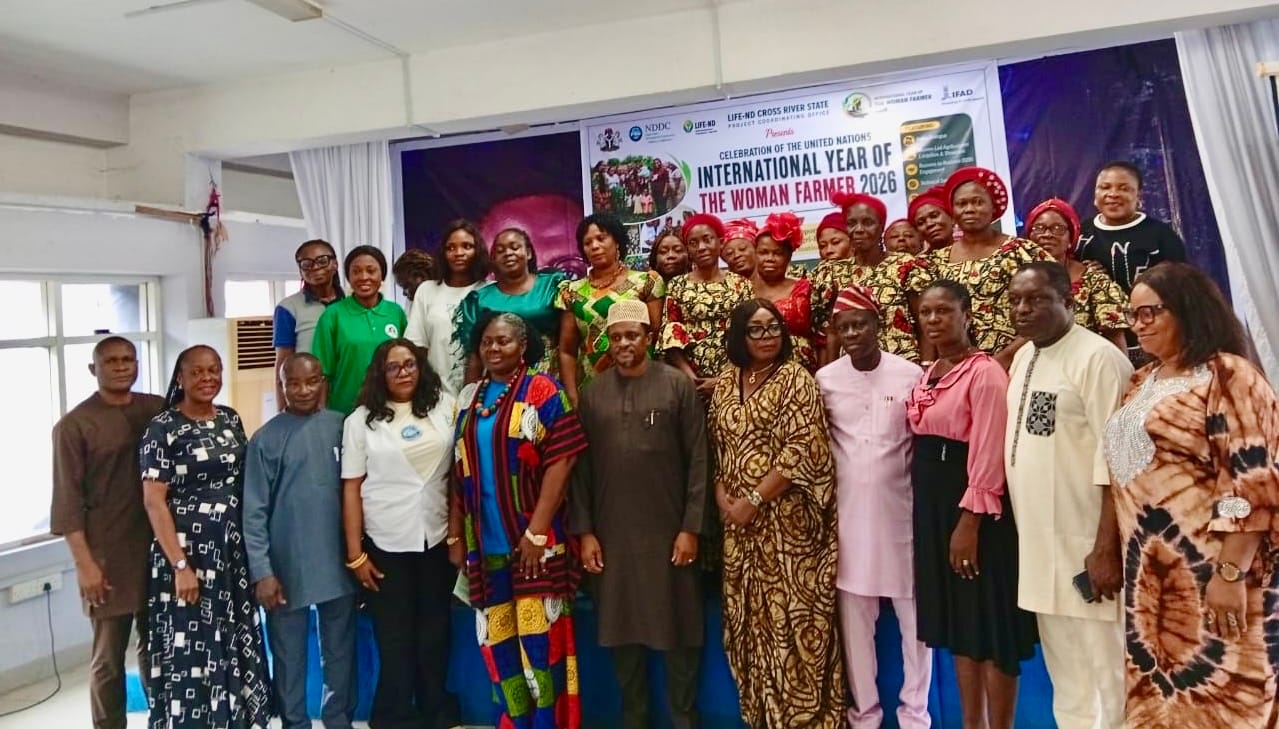
The Cross River State Government has reaffirmed its commitment to empowering women farmers and strengthening their contribution to food security, agricultural transformation and economic development across the state.
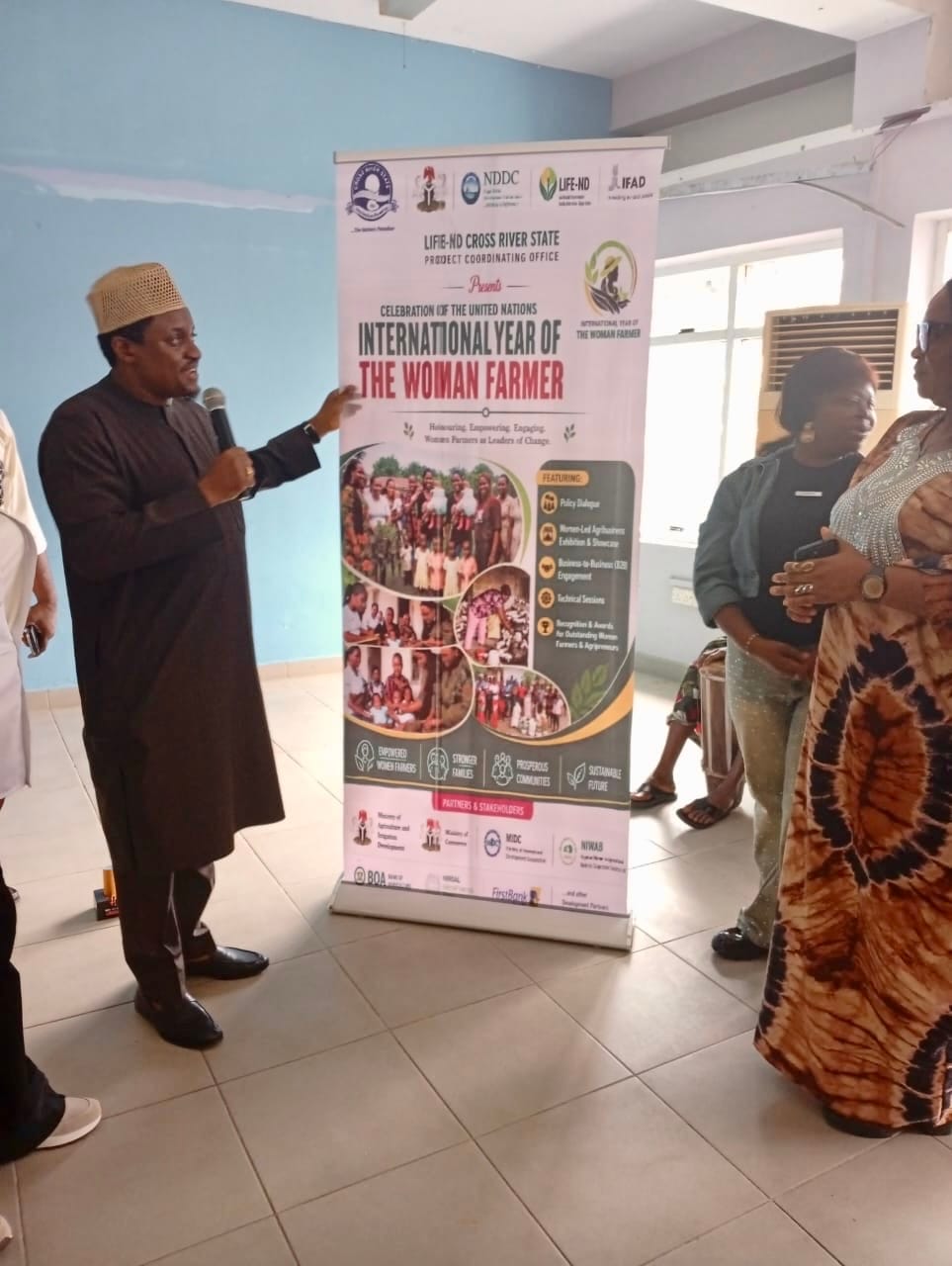
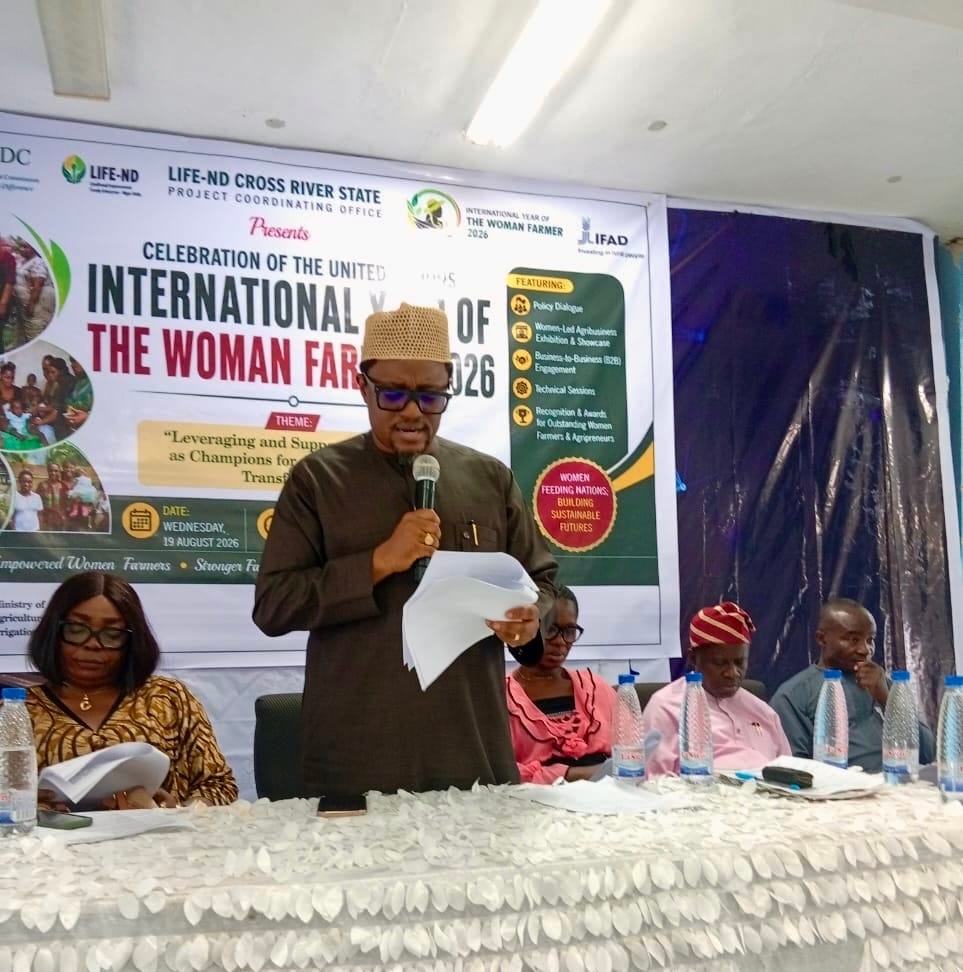
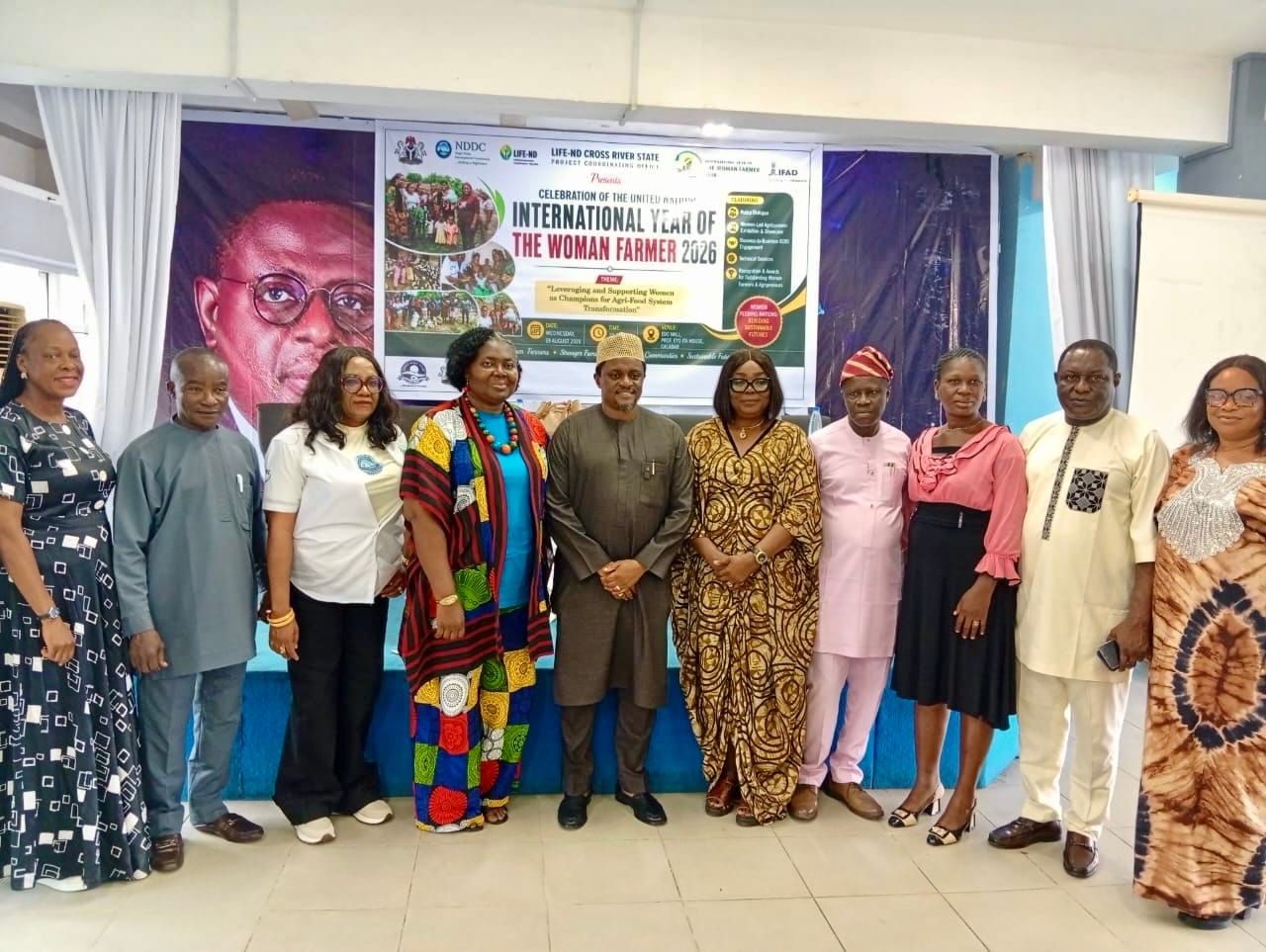
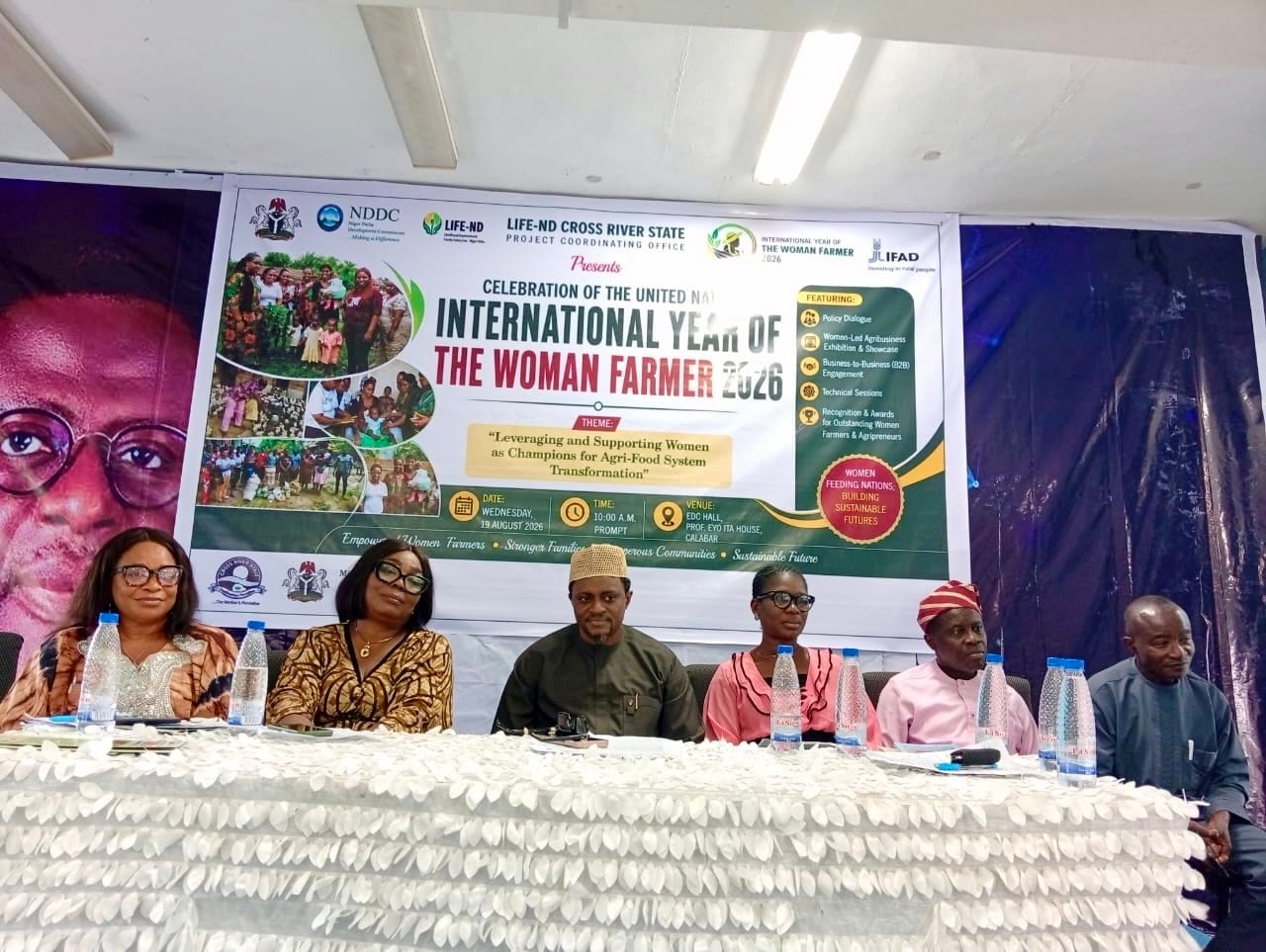
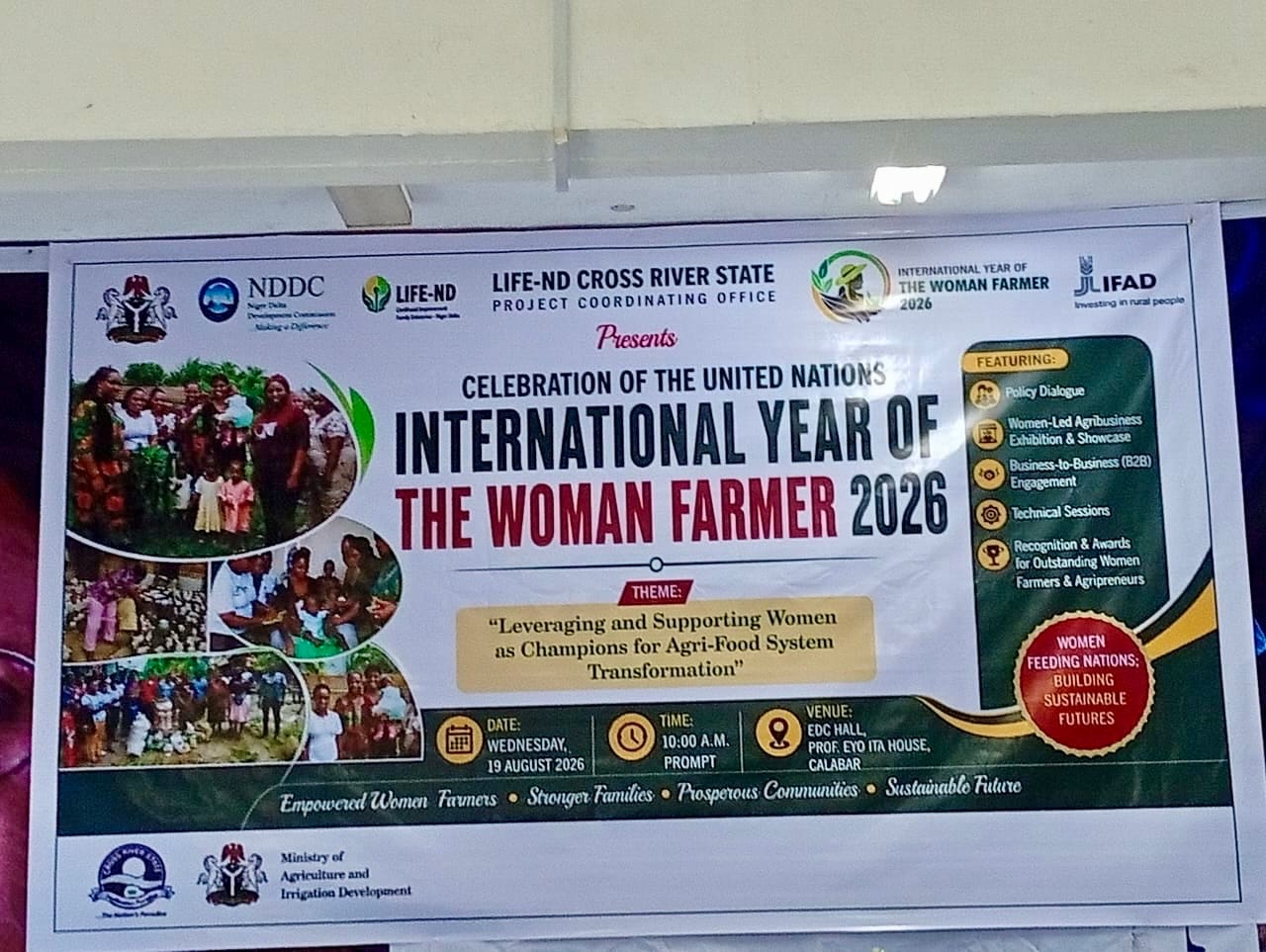
The Commissioner for Agriculture and Irrigation Development, Hon. Johnson Andiambey Ebokpo Jnr., stated this during the commemoration of the United Nations International Year of the Woman Farmer at Professor Eyo Ita House, Marian, Calabar, held under the theme, “Leveraging and Supporting Women as Champions for Agri-Food System Transformation.”
Ebokpo said the celebration provided an opportunity to move beyond recognising the contributions of women farmers to pursuing sustained and transformative interventions capable of improving their livelihoods, productivity and participation in the agricultural value chain.
He described women as critical drivers of Cross River’s agricultural economy, noting their significant roles in food production, processing, marketing and household food security.
The Commissioner said the administration of Governor Bassey Edet Otu was committed to addressing key challenges confronting women farmers, particularly limited access to finance, agricultural land, modern technology, inputs and markets.
He disclosed that the government would pursue measures to expand access to low-interest agricultural credit and micro-grants for women-led agribusiness cooperatives, while engaging traditional institutions to address cultural barriers affecting women’s access to agricultural land.
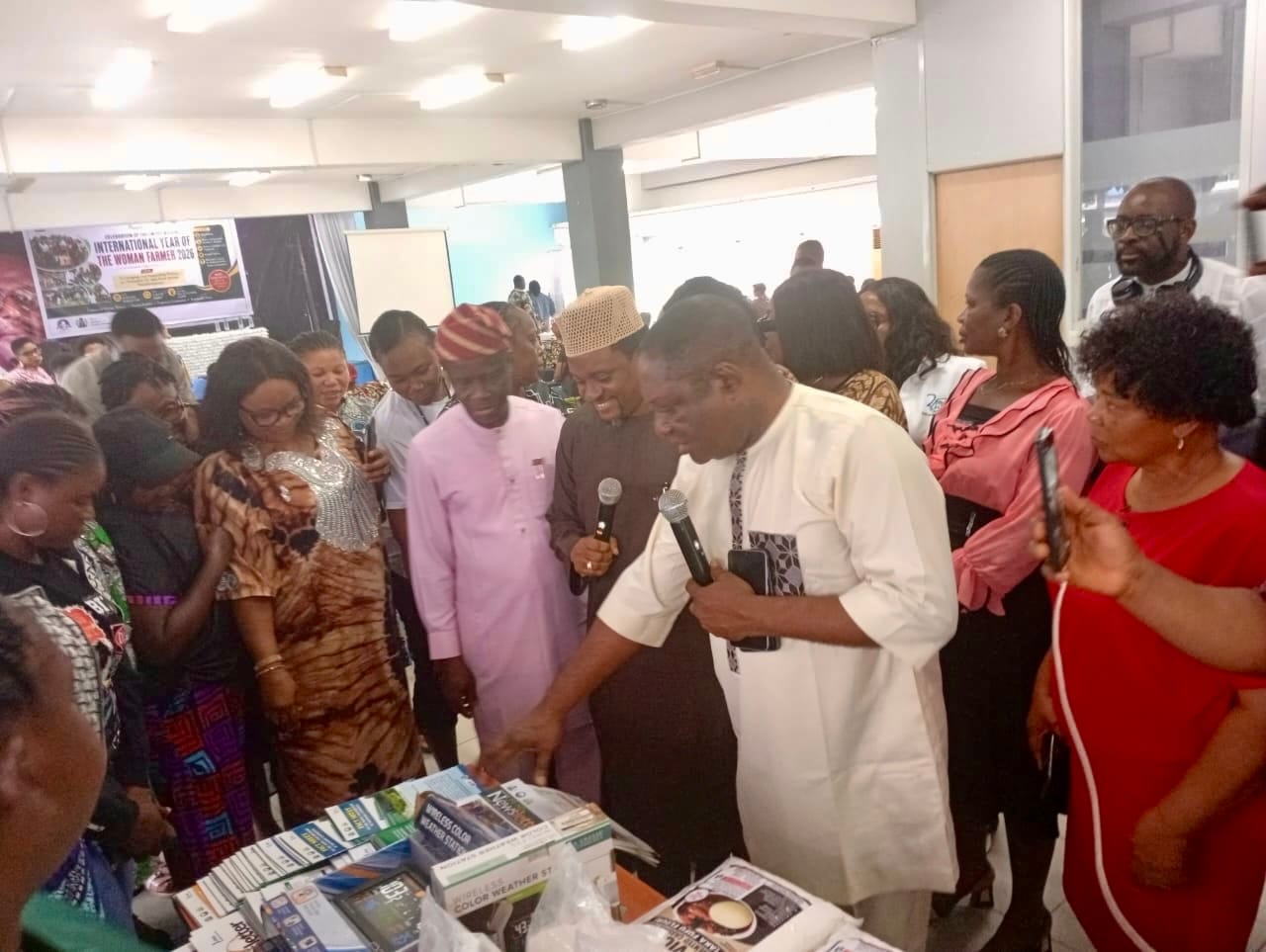
According to him, plans were also underway to provide farm inputs, solar-powered processing equipment and digital extension services, while equipping women farmers with sustainable agricultural practices to enhance their resilience to changing weather patterns.
Ebokpo urged development partners, financial institutions and private-sector investors to increase their support for women-led agricultural enterprises, describing such investment as critical to unlocking the full potential of women in agriculture.
“You are not just farm workers; you are agribusiness owners, innovators and leaders. The State Government sees you, values you and stands firmly behind you,” he said.
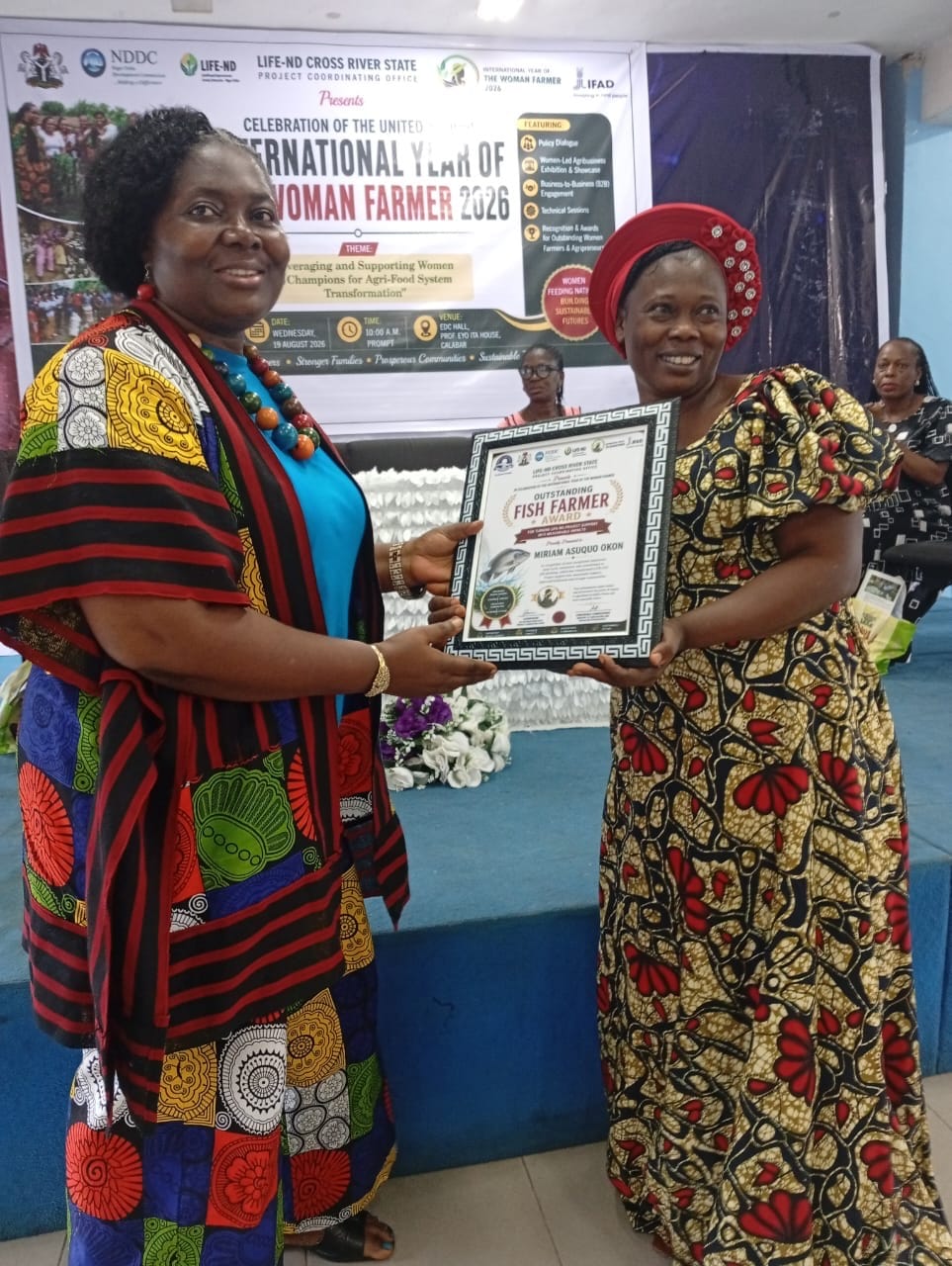
The Commissioner commended the IFAD-supported Livelihood Improvement Family Enterprise – Niger Delta (LIFE-ND) Project for its interventions aimed at improving rural livelihoods, particularly through support for women and youth in agriculture.
He noted that the project had contributed to improved access to training, climate-resilient seeds, processing equipment and high-value agricultural value chains, including cassava, rice, poultry and aquaculture.
In a goodwill message, the Permanent Secretary, Ministry of Commerce, Mrs. Philomena Nyiam Nyire, who represented the Commissioner for Commerce, described the recognition of women farmers as long overdue and called for greater appreciation of their contributions to families, communities and the wider economy.
Similarly, the Director of Administration, Princess (Mrs.) Ekaete Oku, who represented the Commissioner for International Development Coordination, called for the elimination of gender gaps in access to land, credit, education, technology and markets.
Representing the Commissioner for Women Affairs, the Nutrition Focal Person in the Ministry, Dr. Helen Ejure, advocated increased investment in affordable financing, technology, market access and productive resources for women farmers, while stressing the need for greater participation of women in agricultural policy formulation and decision-making.
Representing the Niger Delta Development Commission (NDDC), Dr. Eme Inyang Abia said women constituted a significant proportion of the agricultural workforce and were involved in virtually every aspect of farming.
The Cross River State Project Coordinator of the FGN/NDDC/IFAD/LIFE-ND Project, Dr. Innocent Ogbin, described women farmers as critical contributors to food production and food security, noting that their contributions often remained under-recognised.
Ogbin disclosed that the programme had so far enrolled 4,370 beneficiaries, comprising 2,237 women, including 402 women-headed households and 237 women living with disabilities.
He explained that the project’s deliberate gender-inclusion strategy was designed to ensure that women benefit substantially from interventions aimed at reducing rural poverty, improving livelihoods and strengthening agricultural value chains.
By Ekanem-Fairh Usang