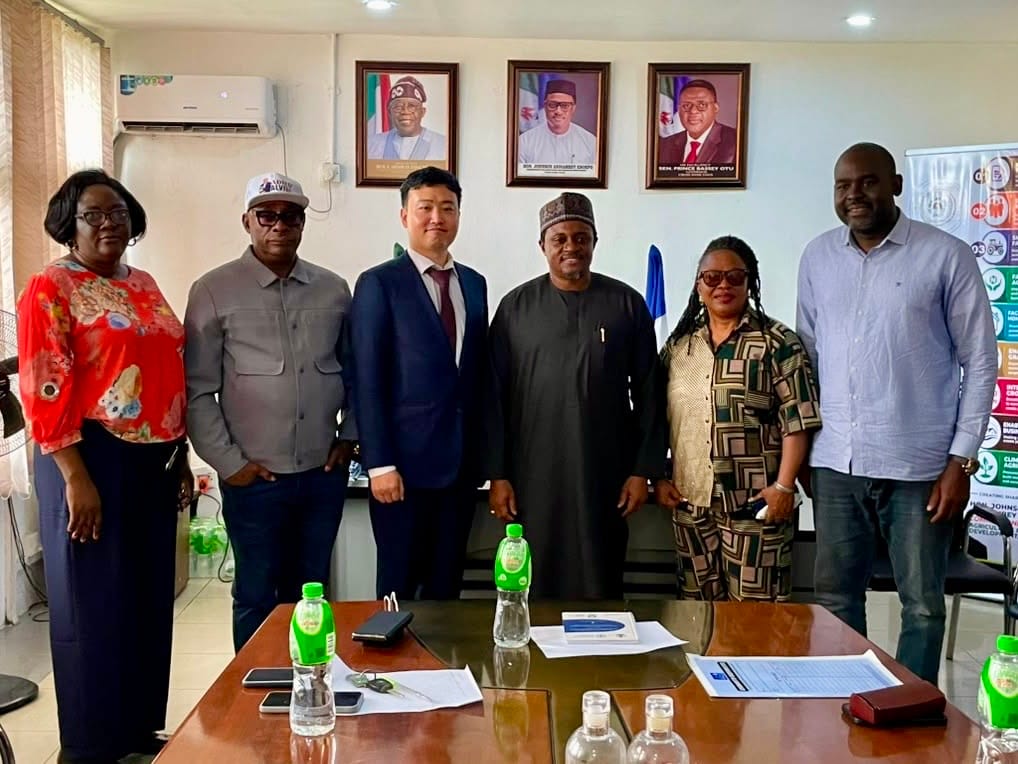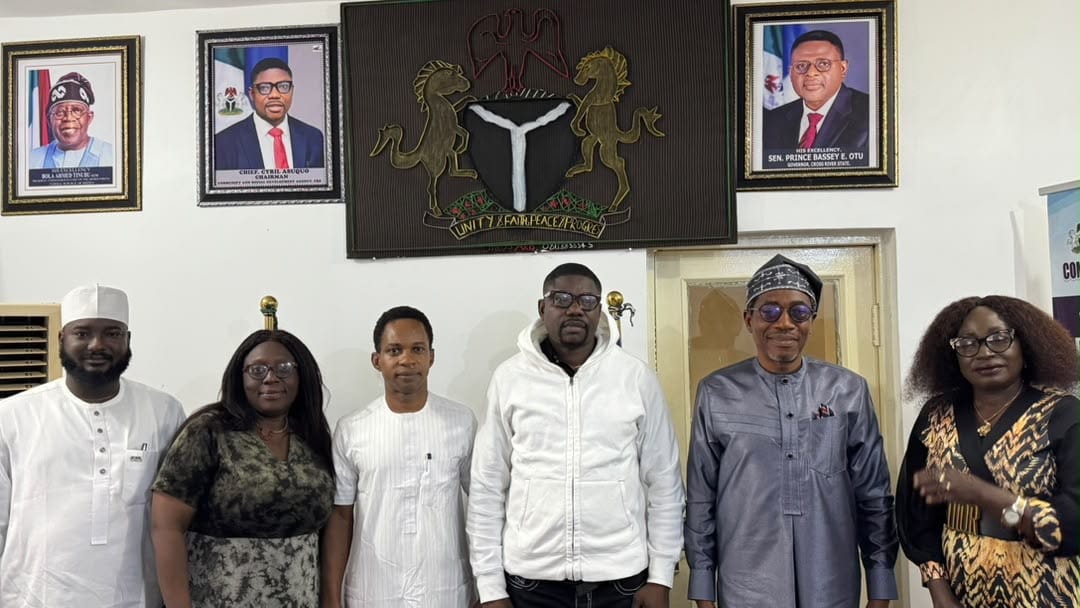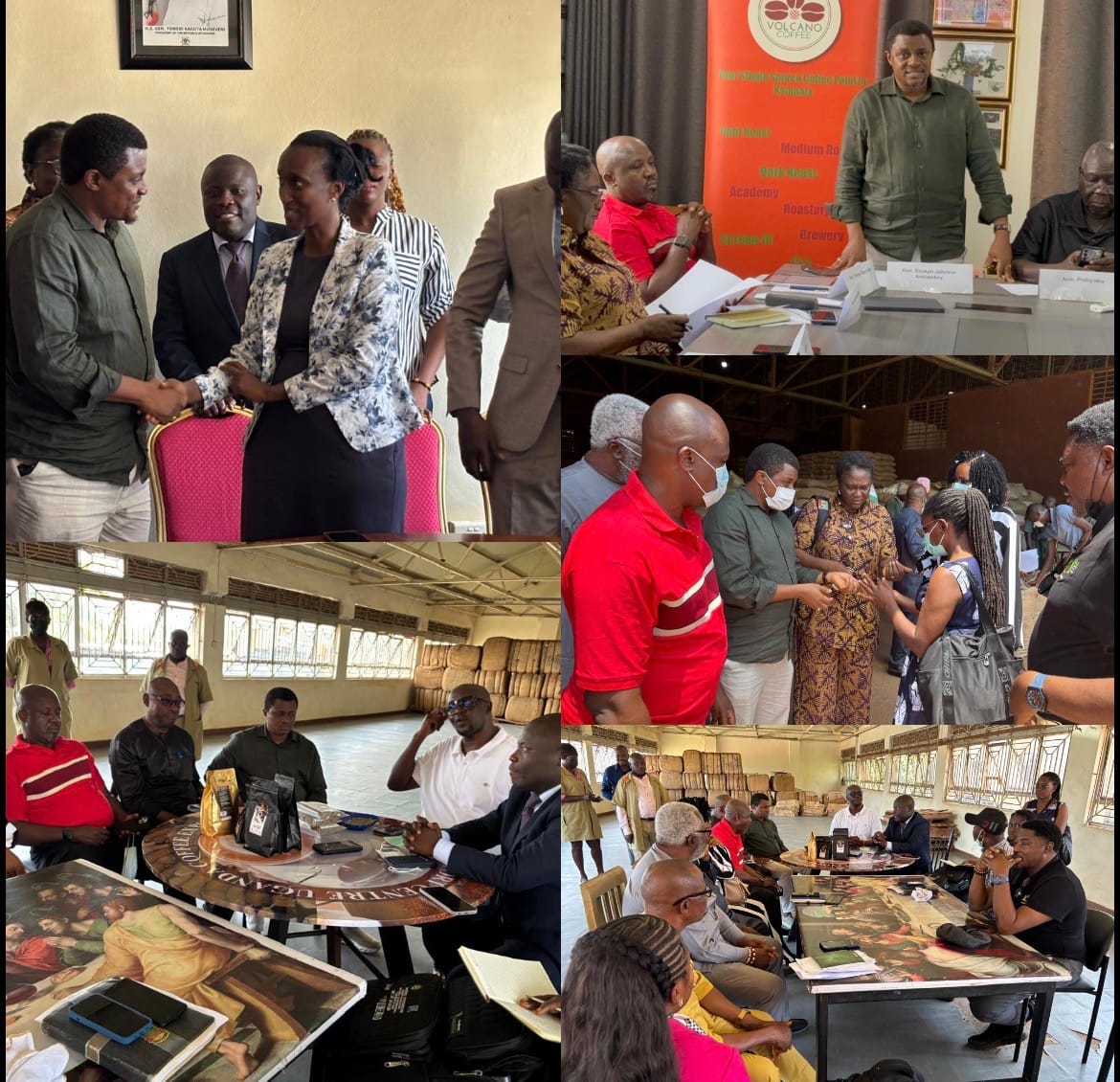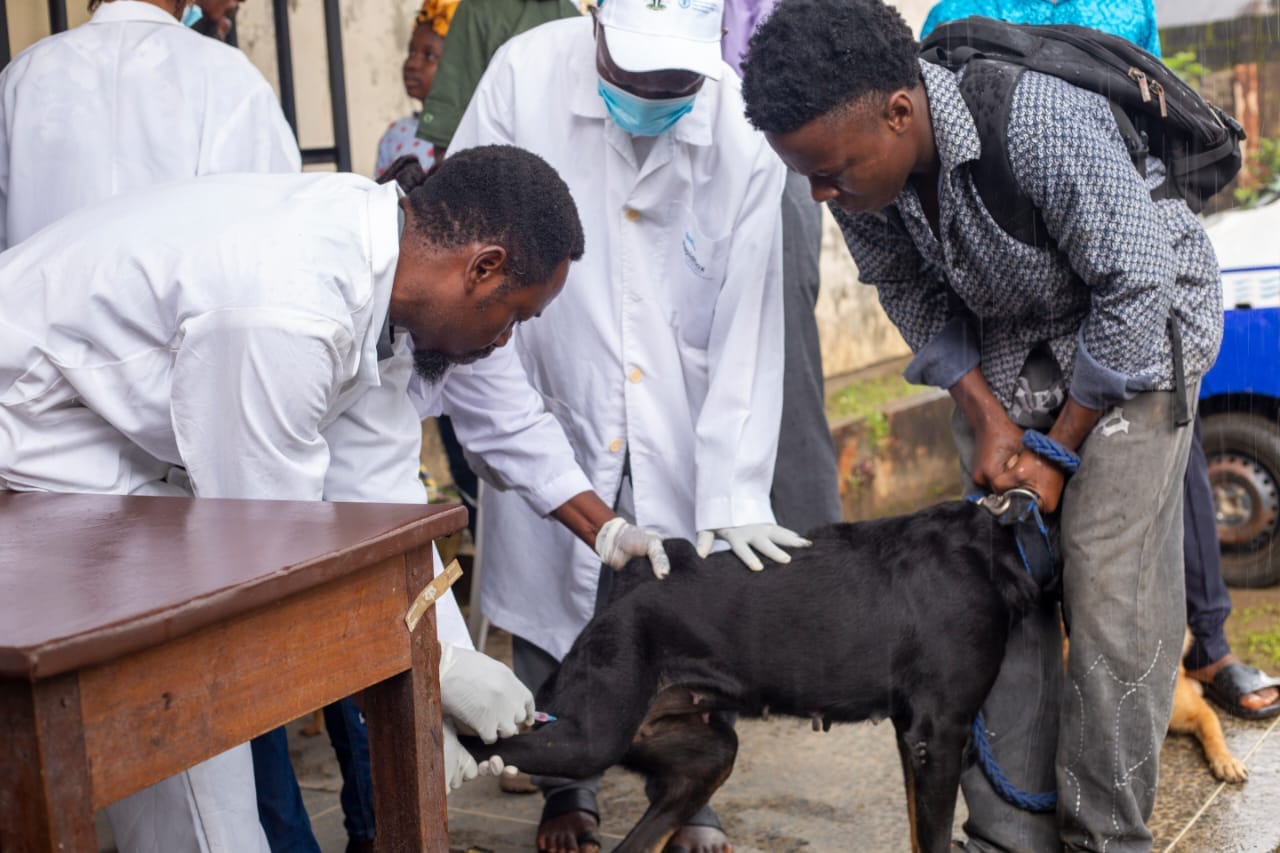

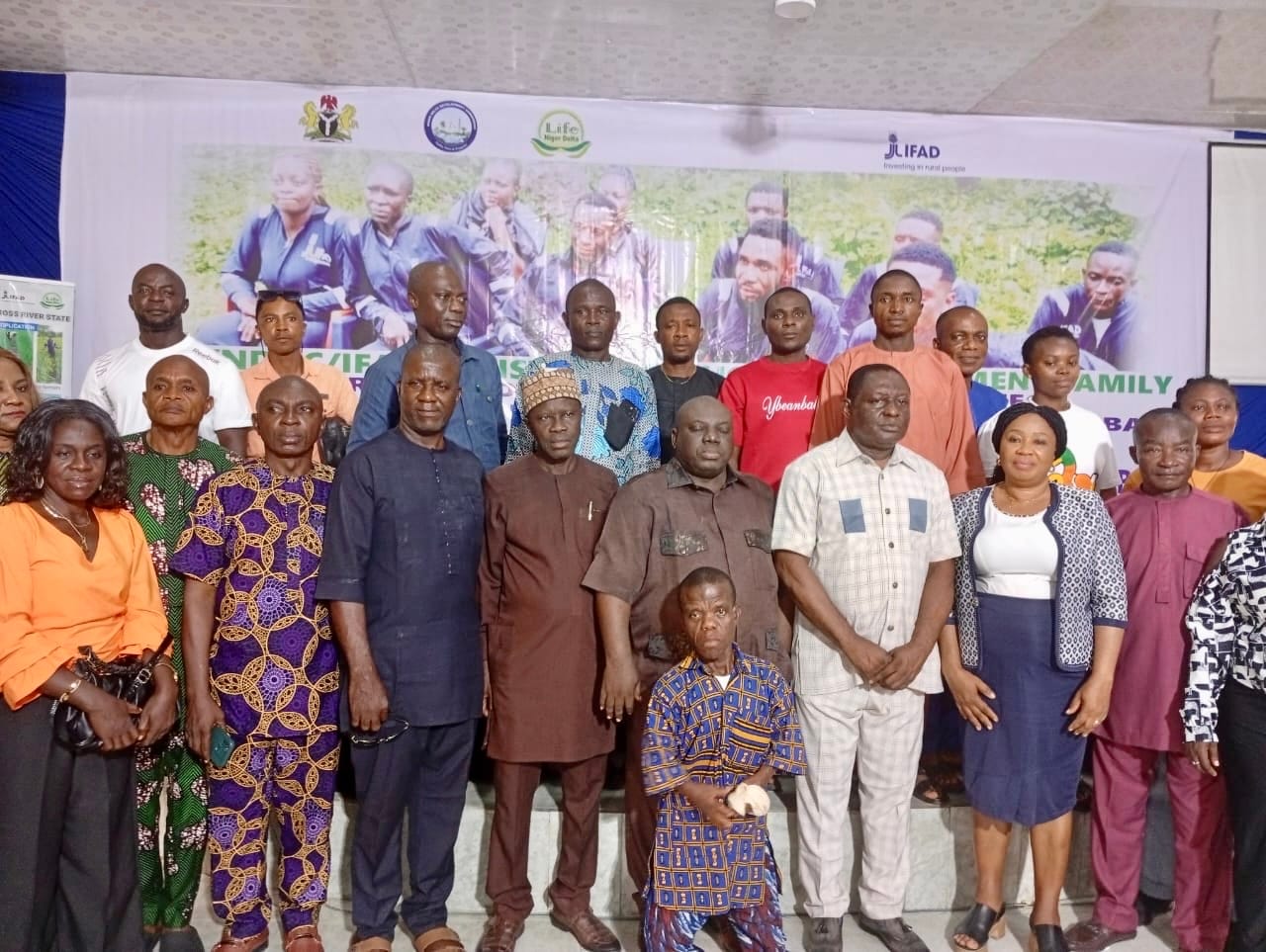
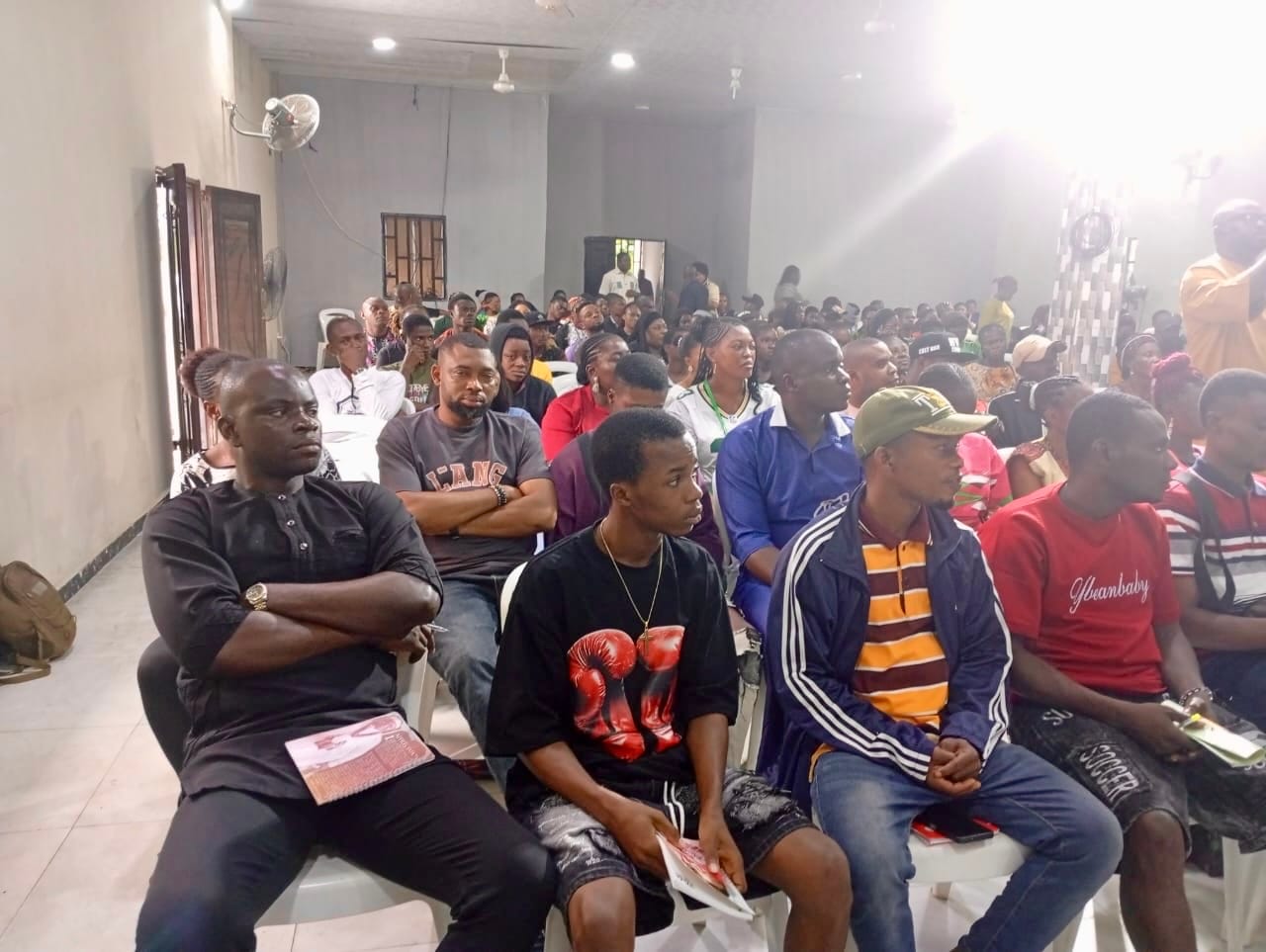
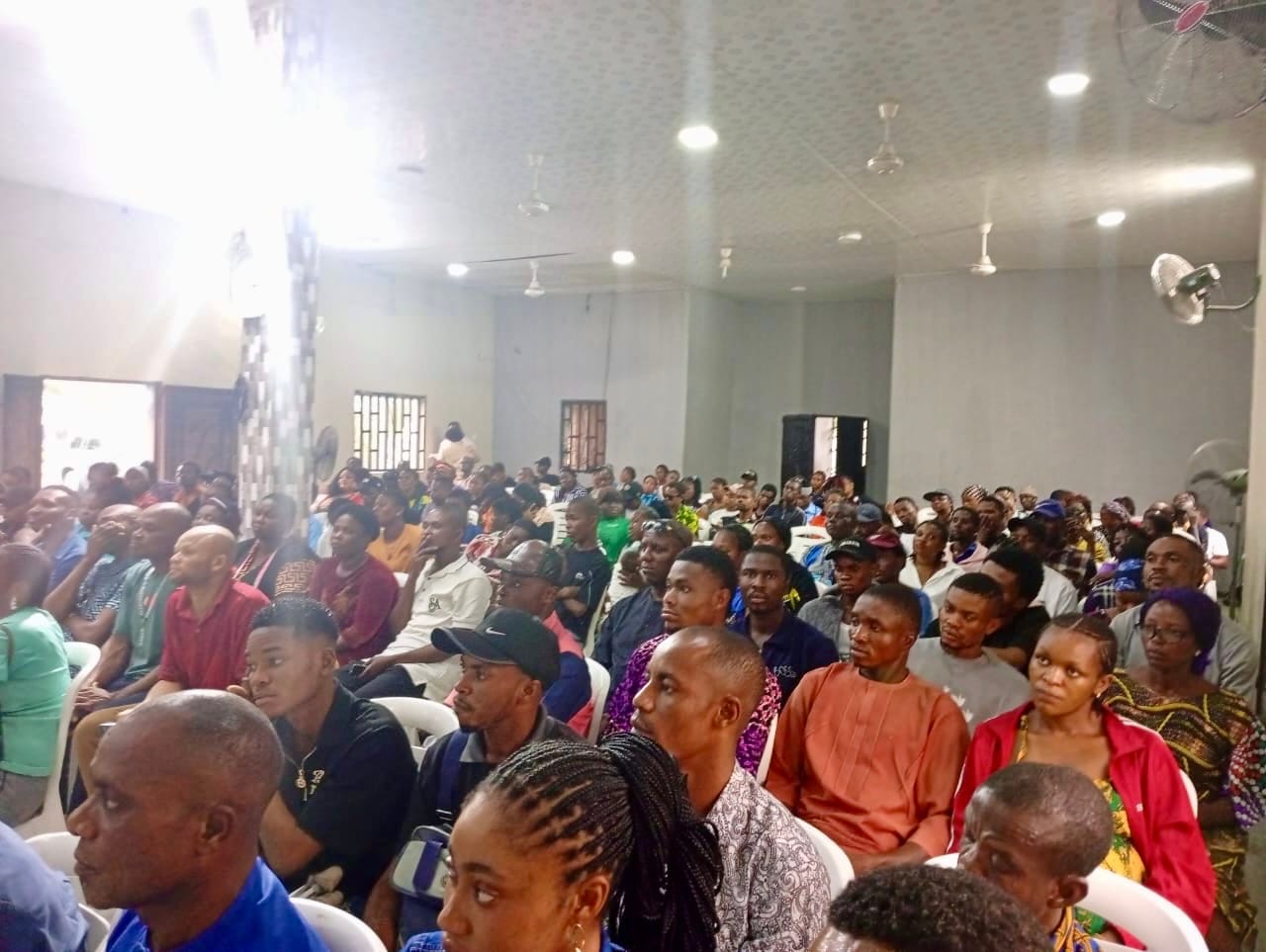
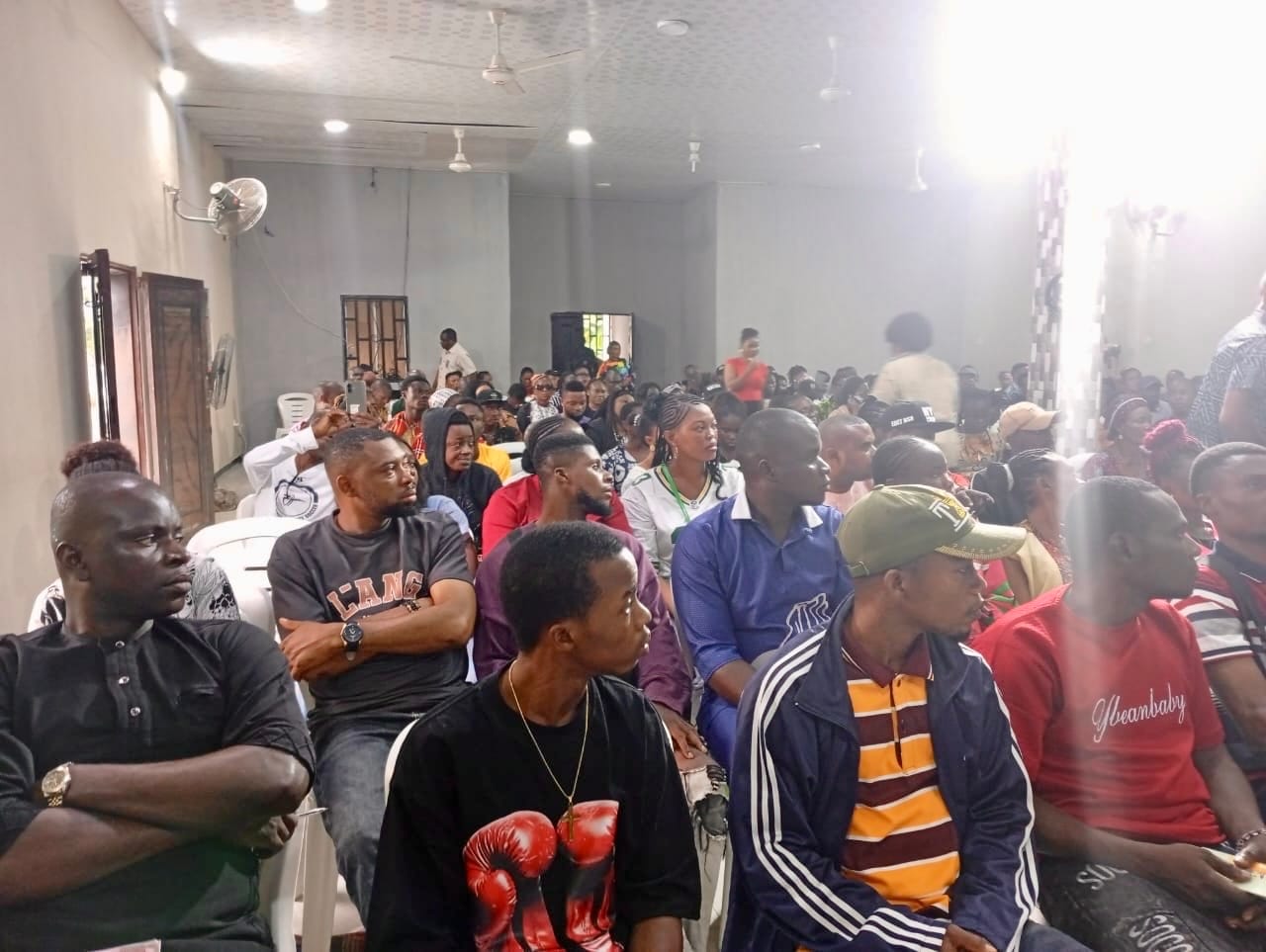
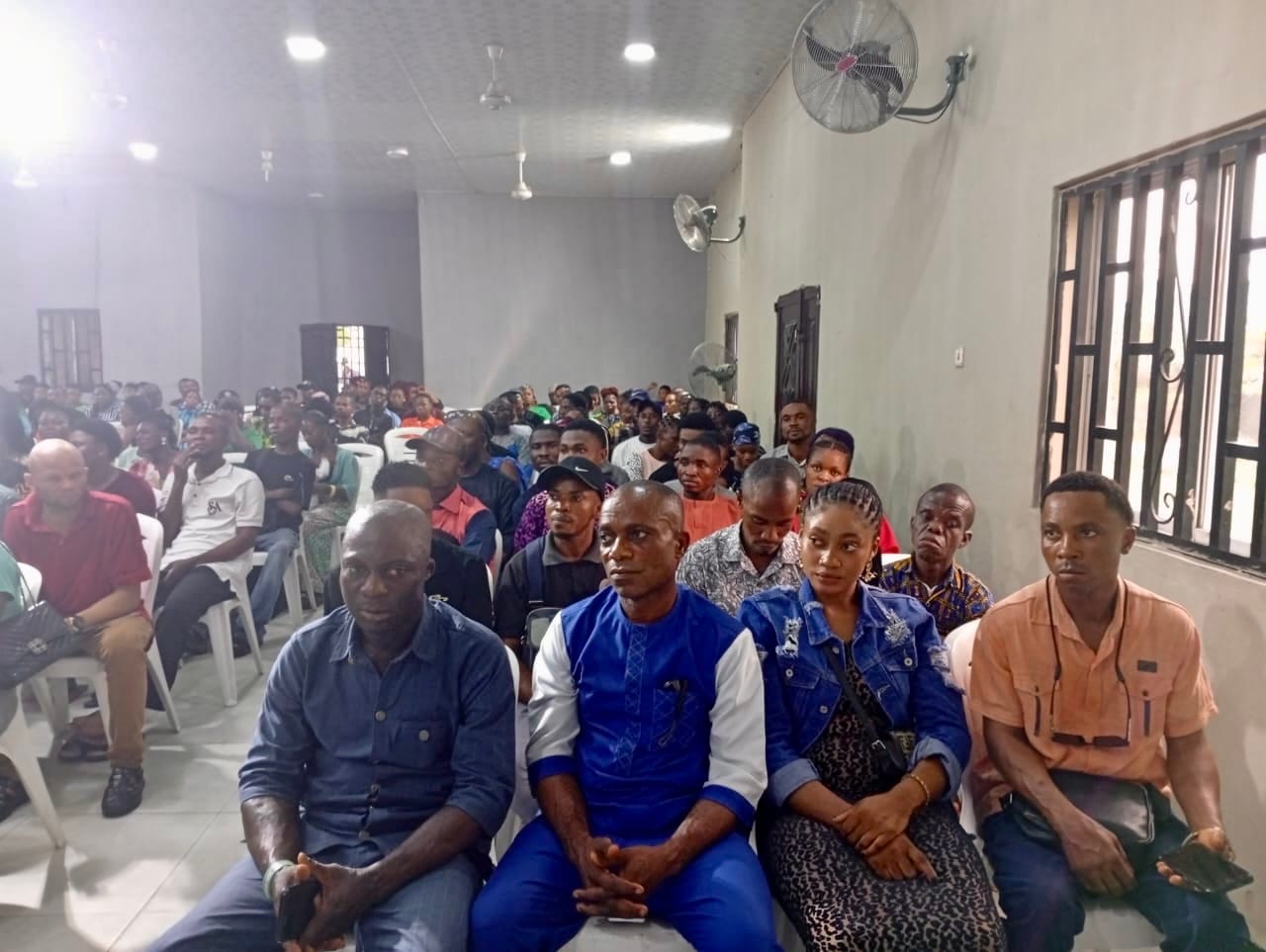
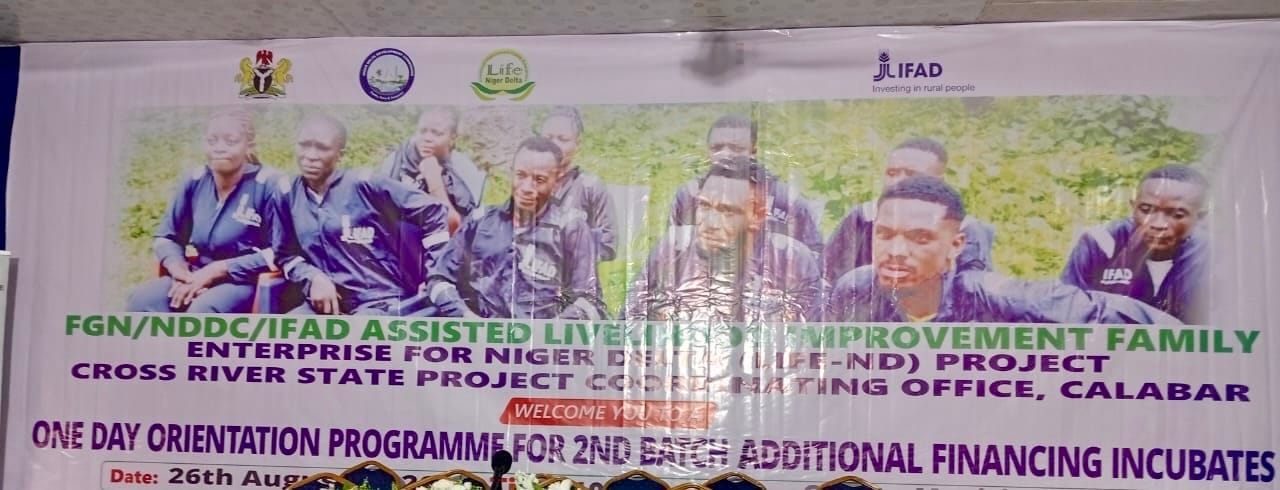
Cross River State has commenced the training of 1,021 young agribusiness entrepreneurs under the second batch of the Additional Financing Programme of the Federal Government, Niger Delta Development Commission (NDDC) and International Fund for Agricultural Development (IFAD)-assisted Livelihood Improvement Family Enterprises–Niger Delta (LIFE-ND) Project, as part of efforts to equip youths with skills to build sustainable businesses, create jobs and strengthen food security.
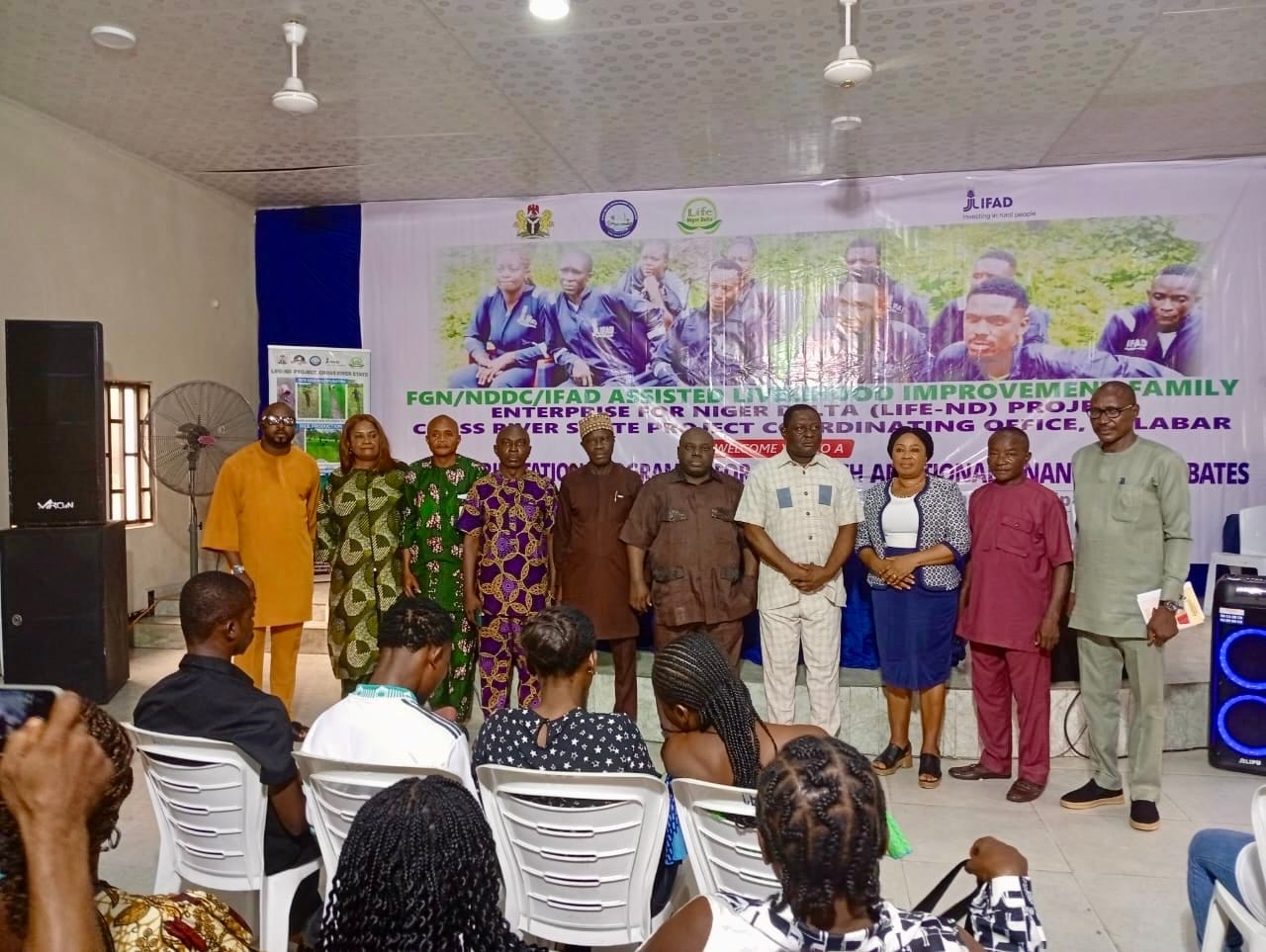
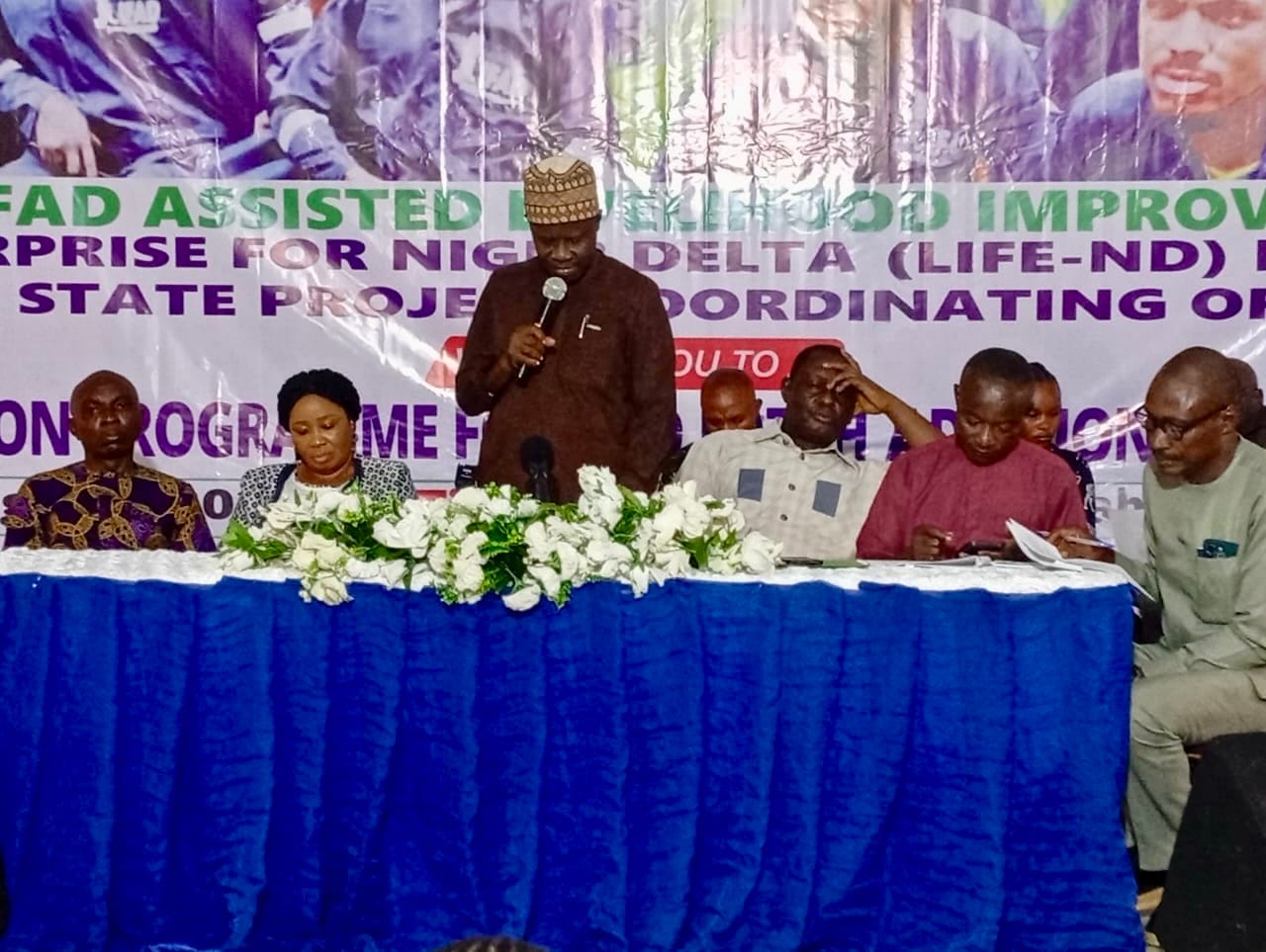
The orientation exercise, holding concurrently in Calabar, Ugep, Ogoja and Obudu, is designed to equip selected incubatees and incubators with technical knowledge, entrepreneurial skills and business capacity required to establish and manage profitable agribusinesses. Declaring the exercise open in Calabar, the Commissioner for Agriculture and Irrigation Development, Hon. Johnson Andiambey Ebokpo Jnr., represented by the Permanent Secretary, Dr. Odey Ikongha, said the 1,021 beneficiaries were selected from thousands of applicants across 100 communities in 10 Local Government Areas through a rigorous digital screening process.
Ikongha said the selection was based on the applicants’ passion, capability and commitment to contributing to the transformation of agriculture, noting that the sector had moved beyond subsistence to become a major driver of economic transformation. He said the State Government, through the Ministry and in collaboration with the State Project Coordinating Office, was providing beneficiaries with the skills and support required to build viable enterprises.
He explained that participants would receive hands-on incubation and mentorship under experienced enterprise owners, as well as practical technical training across the rice, cassava, fish and poultry value chains, financial and business management, market access and ICT-driven agricultural practices. He urged beneficiaries to approach the training with dedication, discipline and an open mind, stressing that the programme was designed to produce employers of labour, wealth creators and contributors to food security. “The ultimate objective is to produce employers of labour, wealth creators and contributors to food security in their communities,” he said.
Speaking on behalf of the National Project Coordinator, Engr. Dr. Sanni Abiodun, the Rural Institutions, Youth and Gender Coordinator, Dr. Clement Uwem, said the intervention had recorded significant achievements in improving household food security, income generation and agribusiness knowledge among beneficiaries. He noted that beneficiaries engaged in fish, cassava, poultry and oil-palm processing had developed improved capacity to produce for household consumption and commercial purposes.
Uwem said the project had also improved the social and economic wellbeing of beneficiaries, including persons living with disabilities who had been deliberately incorporated to promote social inclusion. He noted that the high turnout of young people demonstrated growing ownership of the programme and increased interest in agribusiness, while disclosing that the LIFE-ND database contained more than 60,000 applicants across the Niger Delta. He appealed for increased funding, saying limited resources had constrained the number of beneficiaries accommodated at a time.
He added that enterprise groups, cadres and agribusiness innovation forums had been established to sustain beneficiaries beyond the lifespan of the project. He said the orientation would also acquaint the new beneficiaries with the Memorandum of Understanding they would sign and their responsibilities, as well as those of their incubators and the project. He further disclosed that Cross River beneficiaries in fish and poultry production had received national recognition and awards, including at a recent international Year of Women Farmers event.
The Special Adviser on Livestock Development, Mr. Liyel Imoukhuede, represented by the Director of Livestock in the Ministry of Livestock, Aquaculture and Fisheries Development, Mrs. Glory Ekpenyong, described the programme as essential to inclusive economic growth, employment creation and improved livelihoods. She identified poultry, goat and sheep production, cattle development, snail farming, feed production, processing and marketing as viable areas for investment by youths and women.
Ekpenyong urged beneficiaries interested in livestock enterprises to embrace discipline, proper record-keeping, innovation, value-chain development and market-oriented production, assuring them of the Ministry’s commitment to creating an enabling environment for sustainable livestock businesses. The State Coordinator of the FADAMA Project, represented by Technical Officer Mr. Obaji Samuel Missang, and the State Coordinator of the Federal Ministry of Agriculture and Food Security, represented by Chief Technical Officer Mr. Ekori Ekori, also urged beneficiaries to approach the orientation as an opportunity to acquire practical knowledge and skills.
The Cross River State Project Coordinator, FGN/NDDC/IFAD/LIFE-ND Project, Dr. Innocent Moses Ogbin, said the beneficiaries were selected from 100 communities and would receive training and mentorship across rice, cassava, fish and poultry value chains, covering production, processing and marketing. He said incubators were selected from the same communities where the businesses were located to provide practical and localised mentorship based on the beneficiaries’ areas of interest.
Ogbin urged beneficiaries to maximise the knowledge, skills and opportunities provided to build sustainable enterprises capable of creating employment, improving livelihoods and strengthening food security. An incubator from Nkaka Akriba Incubation Centre in Ikot Akriba, Akpabuyo LGA, Mr. Emmanuel Effiom, testified to the programme’s impact, saying the centre’s focus on fish production, processing and marketing had produced encouraging results.
Effiom disclosed that one beneficiary had successfully produced and sold fish and invested the proceeds in constructing a house and sinking a borehole, describing the achievement as a source of pride to the community. He appreciated IFAD, the Federal Government and NDDC for the intervention, noting that such success stories were encouraging more community members to embrace agribusiness.
Two beneficiaries, Miss Helen Ernest of Akamkpa LGA and Mr. Felix Nakanda of Ikot Nakanda Community, Akpabuyo LGA, both pursuing fish production, expressed optimism that the programme would improve their livelihoods and equip them to establish viable businesses. Ernest said she hoped to contribute to fish production, processing and marketing in her area, while Nakanda looked forward to acquiring the training and empowerment needed to build his enterprise and create opportunities for others.
By Ekanem-Faith Usang