
Health sector stakeholders, development agencies, civil society organizations (CSOs), and implementing partners have reaffirmed their commitment to intensifying the fight against HIV/AIDS in Cross River State. This renewed pledge follows the formal dissemination and review of the state's new HIV/AIDS Strategic Plan (SSP).
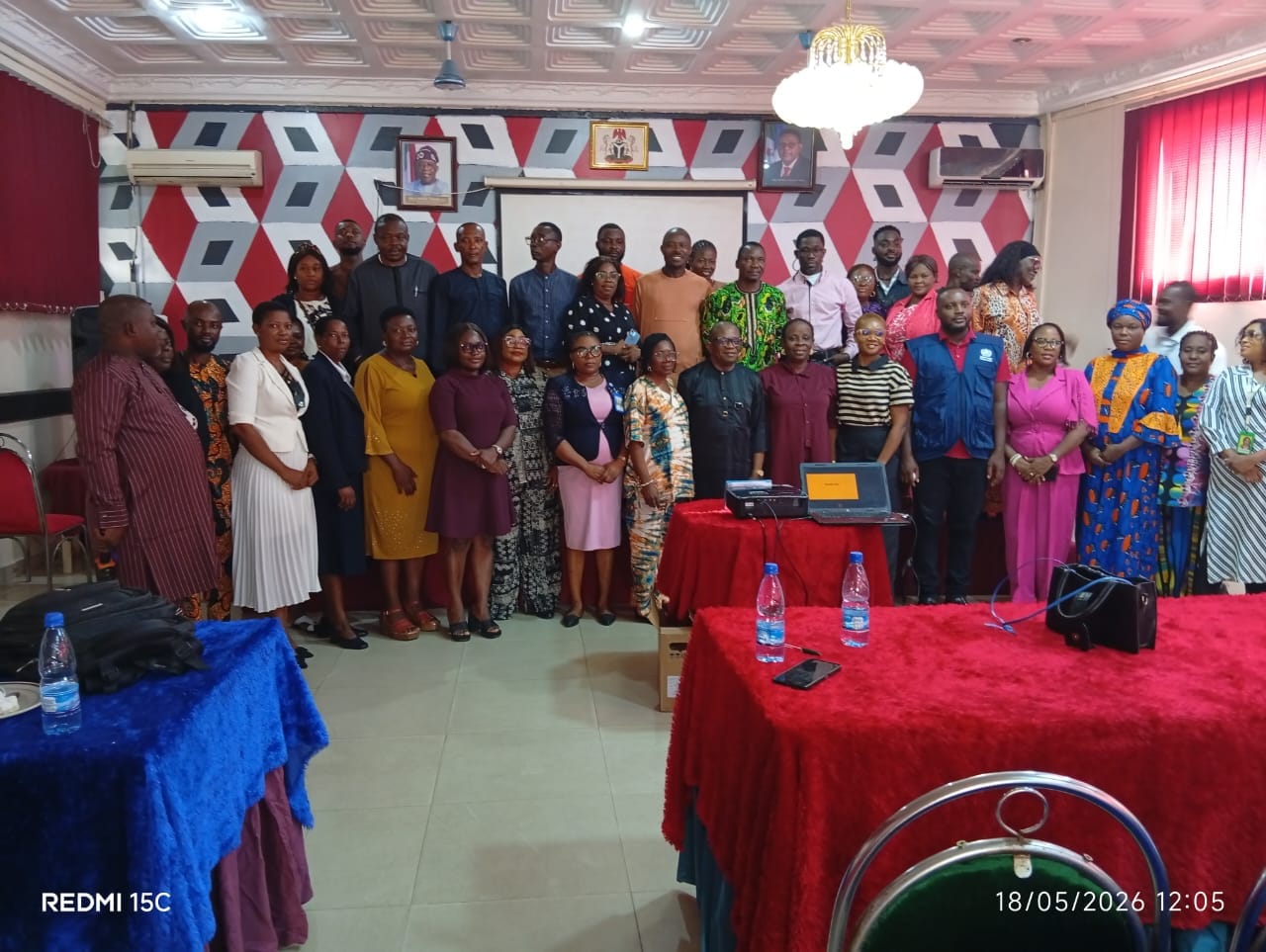
The commitment was declared during a high-level review meeting held at the Marian Hotel Conference Hall in Calabar. Convened by the Cross River State Agency for the Control of AIDS (CR-SACA), the engagement brought together key actors in the HIV response ecosystem to evaluate the performance of the outgoing 2021–2025 Strategic Plan and chart a course for the incoming 2025–2027 framework.
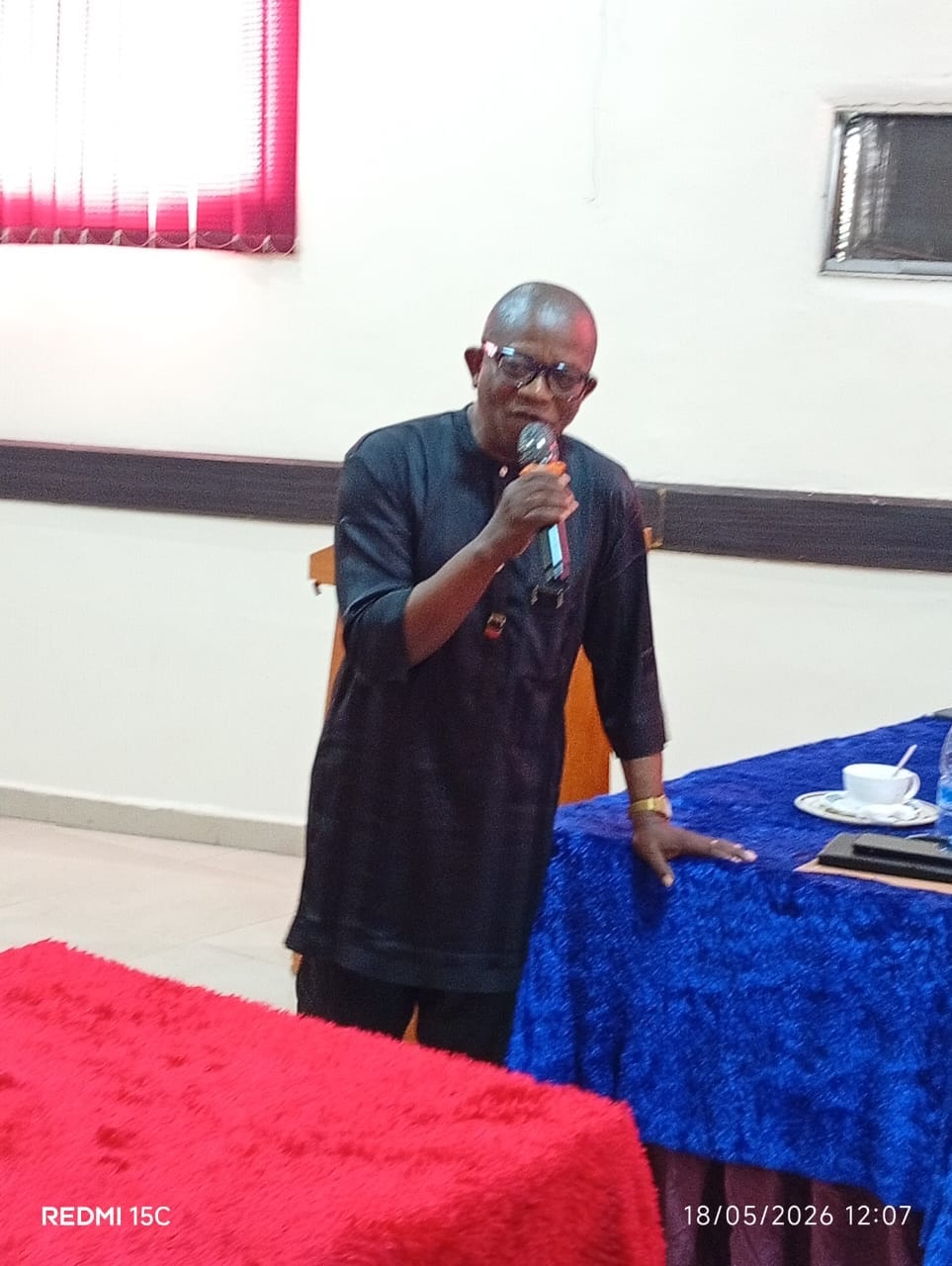
Welcoming participants, the Director General of CR-SACA, Dr. Charles Iwara, described the gathering as a continuation of the state’s collective resolve to combat HIV/AIDS through collaboration, policy alignment, and stakeholder-driven execution.
According to Dr. Iwara, the dissemination of the strategic framework marks a critical transition from planning to active implementation, while simultaneously addressing emerging realities within the healthcare landscape.
“Just last year, we gathered in this same hall to develop the Strategic Plan for 2025–2027. Today, we are here again to disseminate the document and begin another phase of collective action toward implementation,” Dr. Iwara stated.
He commended implementing partners, CSOs, donor agencies, and healthcare institutions for their sustained collaboration in advancing HIV interventions across Cross River State.
While noting that coordinated interventions have yielded significant progress over the years, Dr. Iwara emphasized that an urgent need remains for deeper collaboration, aggressive resource mobilization, and renewed commitment to bridge existing funding and service delivery gaps.
To address these challenges, the Director General disclosed that CR-SACA is intensifying efforts to strengthen local ownership of HIV response initiatives, improve access to preventive commodities and Sustain critical interventions amid dwindling international funding realities.
He further explained that the agency is exploring strategic partnerships to expand healthcare support systems and boost local production initiatives, particularly for preventive commodities and integrated disease response mechanisms.
Dr. Iwara stressed that the state can no longer depend solely on external donor funding, underlining the importance of synergy between implementing partners, community-based organizations, and government institutions to successfully actualize the 2025–2027 Strategic Plan.
The three-day workshop reviewed achievements, extracted lessons learned, and identified implementation gaps from the 2021–2025 SSP to restructure and fortify the state's framework for the next strategic cycle.
Key focus areas of the workshop included identifying emerging priorities and service gaps, aligning the revised State HIV/AIDS Response Strategic Plan with new National Strategic Priority and costing proposed interventions using the National Agency for the Control of AIDS (NACA)-approved template.
Participants engaged in plenary reviews, thematic group discussions, and activity costing, ultimately harmonizing their findings into a master implementation framework to guide the drafting of the 2025–2027 Zero Draft document. This was supported by extensive pre-planning activities, including desk reviews, field data collection, key informant interviews, and stakeholder planning meetings.
In a solemn moment during the event, a minute of silence was observed in honor of the late NACA Director, Dr. Daniel Mbakwe, who passed away recently after a brief illness.
Several organizations delivered goodwill messages during the engagement, pledging sustained technical support and collaborative action toward achieving the objectives of the new framework.
Notable partners in attendance included representatives from: State Ministry of Health, Cross River State Primary Health Care Development Agency (CRSPHCDA), World Health Organisation (WHO), National Orientation Agency (NOA), National Drug Law Enforcement Agency (NDLEA), AHF, CCCRN, AONN, and Health Alliance, The Network of People Living With HIV/AIDS
The 2025–2027 State HIV/AIDS Strategic Plan is expected to serve as the definitive blueprint for prevention, treatment, care, support services, and multi-sectoral coordination across Cross River State.
By Asari Eso