
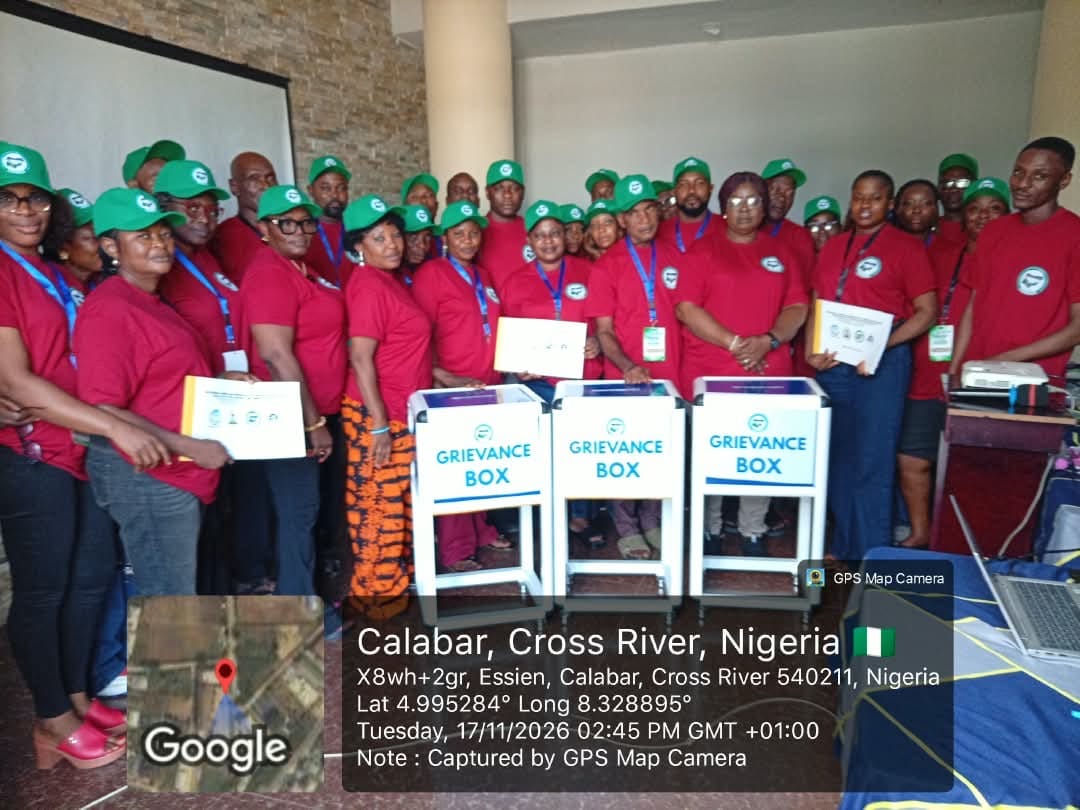
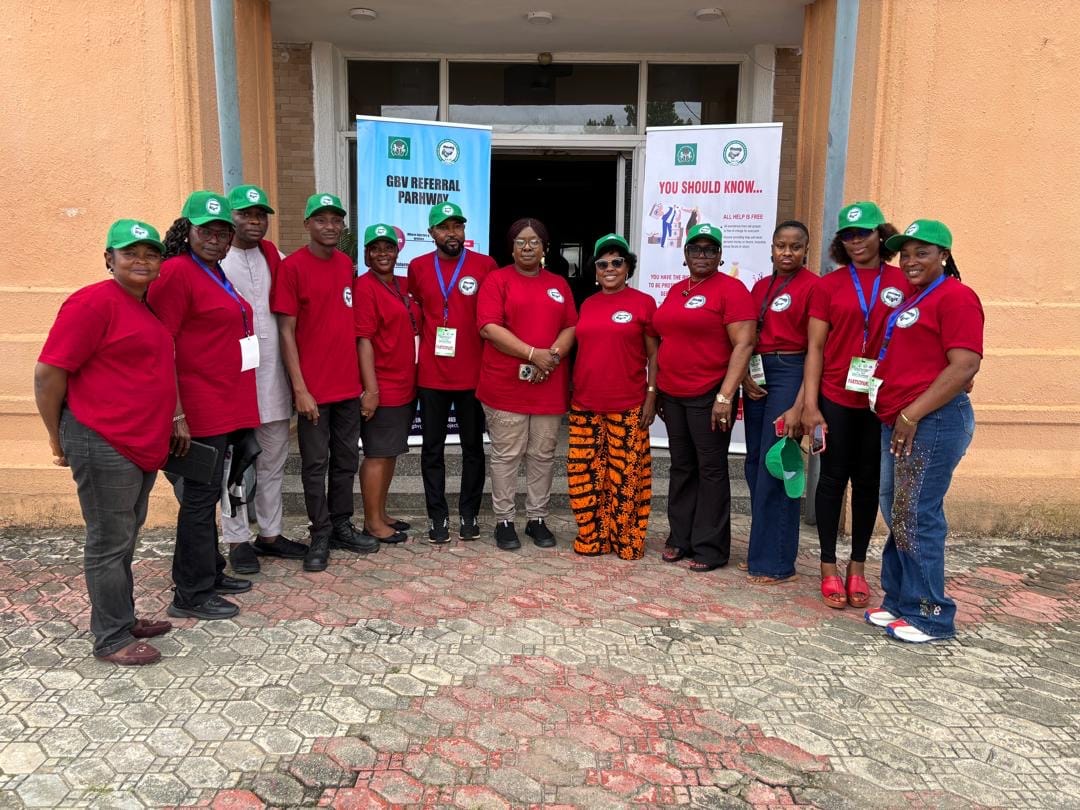
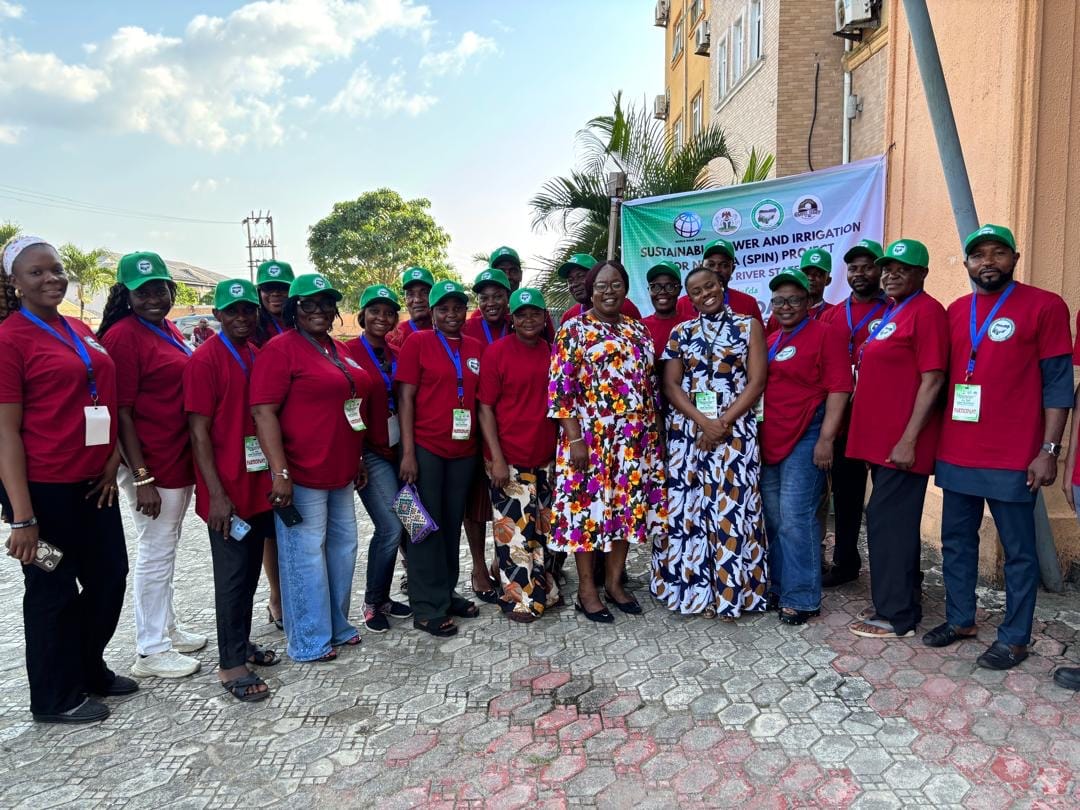
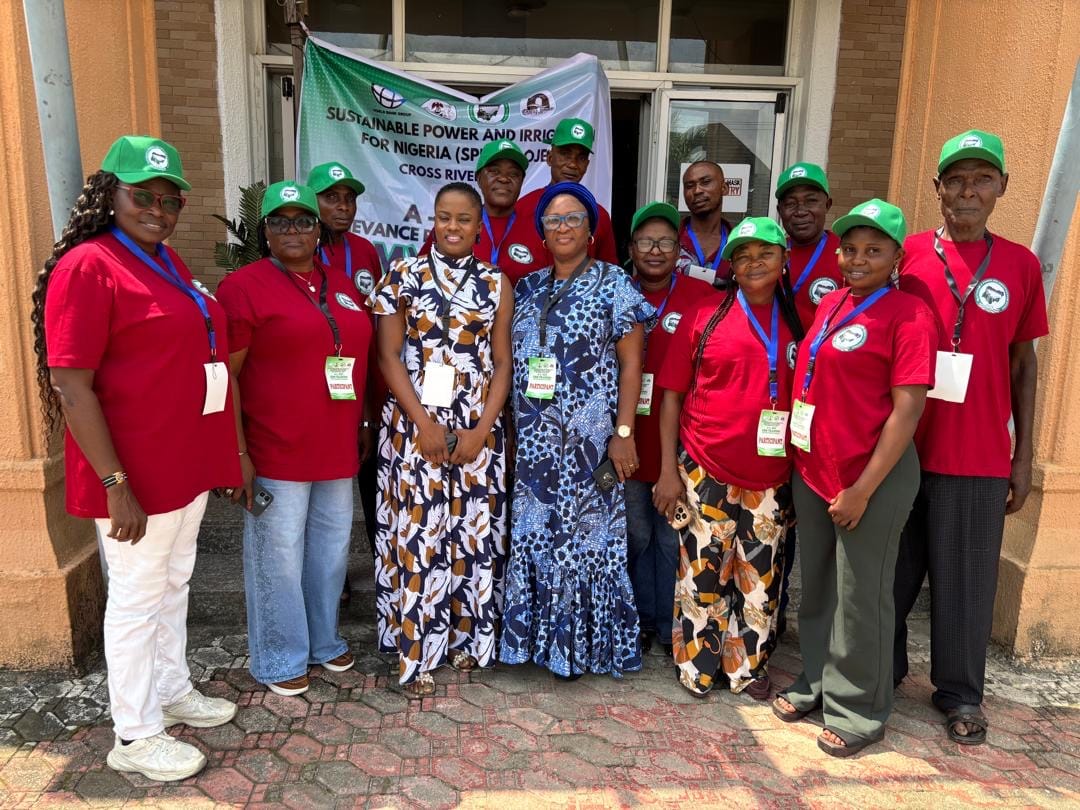
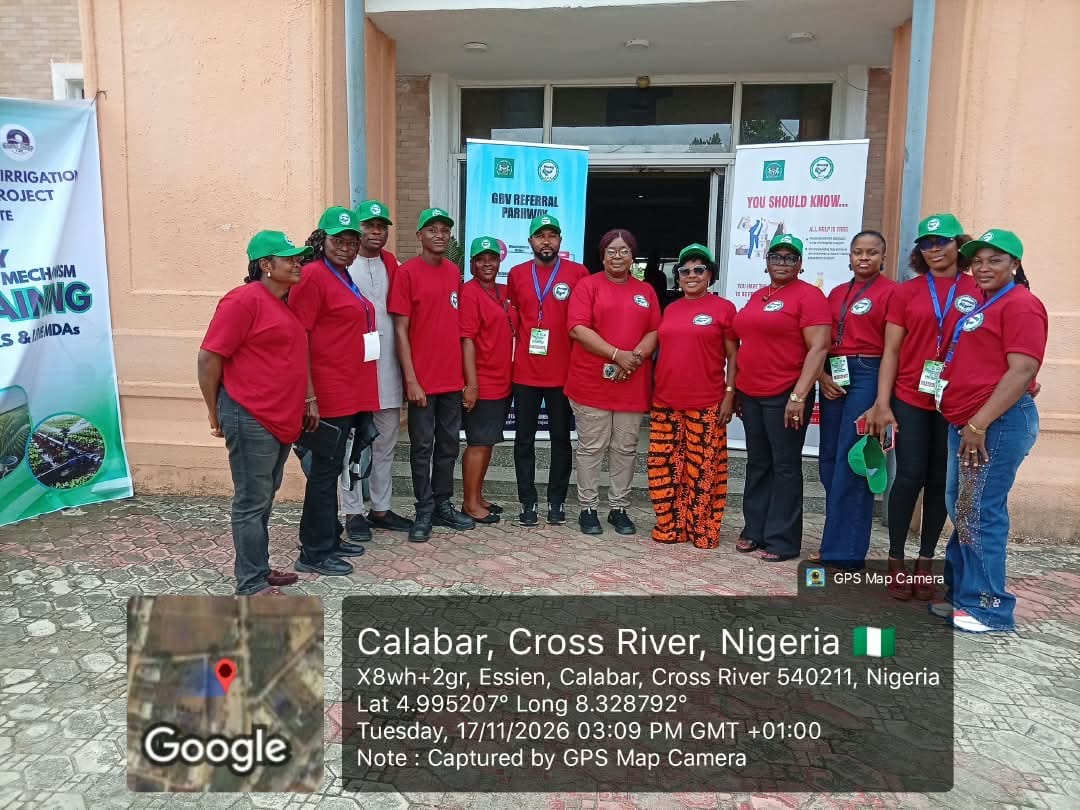
The Cross River State Project Implementation Unit of the Sustainable Power and Irrigation for Nigeria (SPIN) Project has strengthened its Grievance Redress Mechanism( GRM) through a two-day training workshop for the Bansara Irrigation Scheme community-level Grievance Redress Committee and desk officers from relevant Ministries, Departments and Agencies (MDAs) in the state.
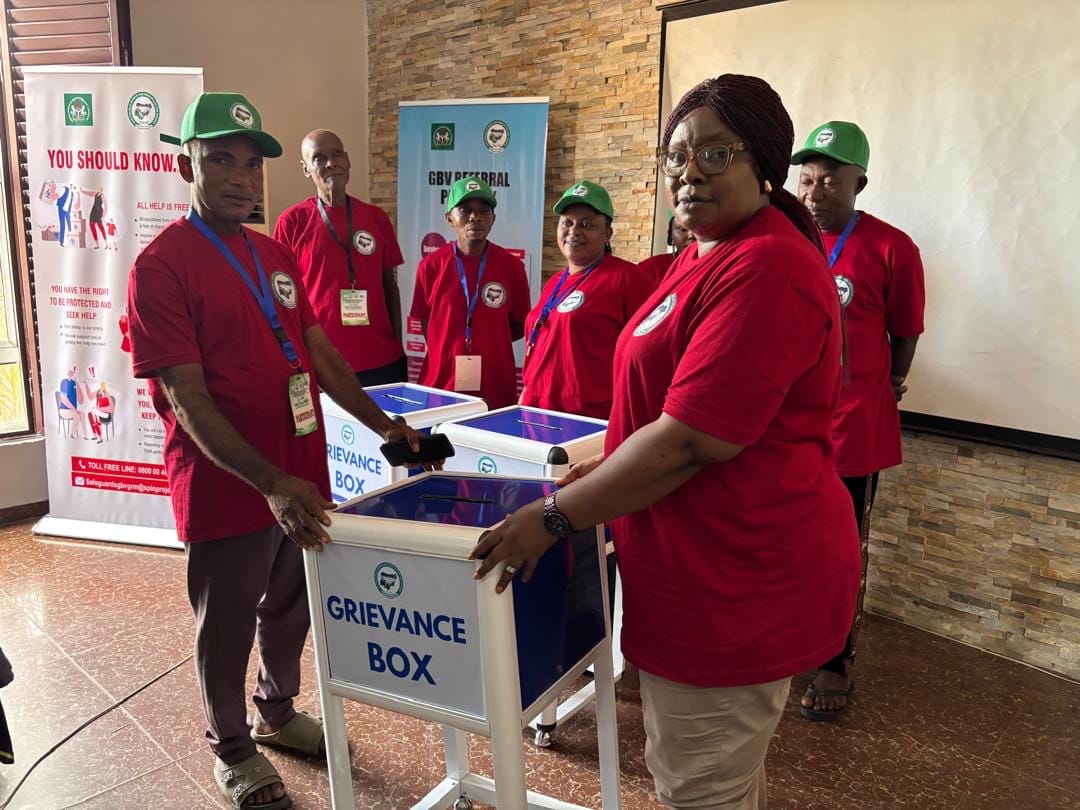
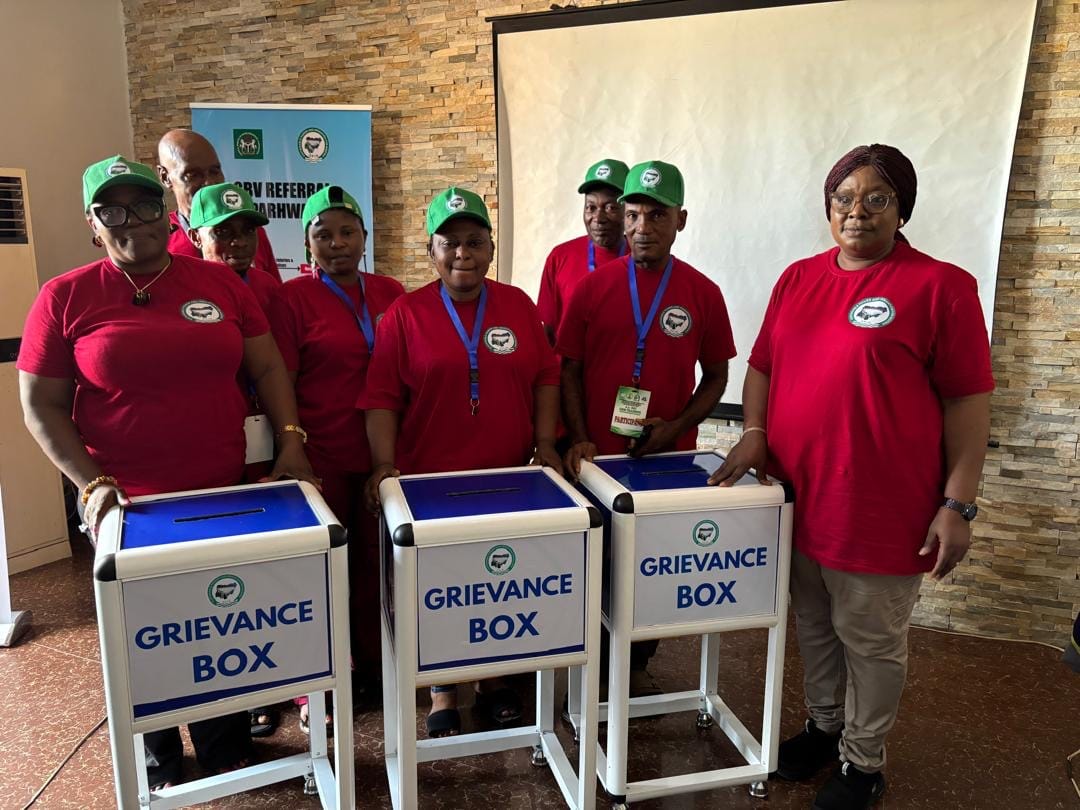
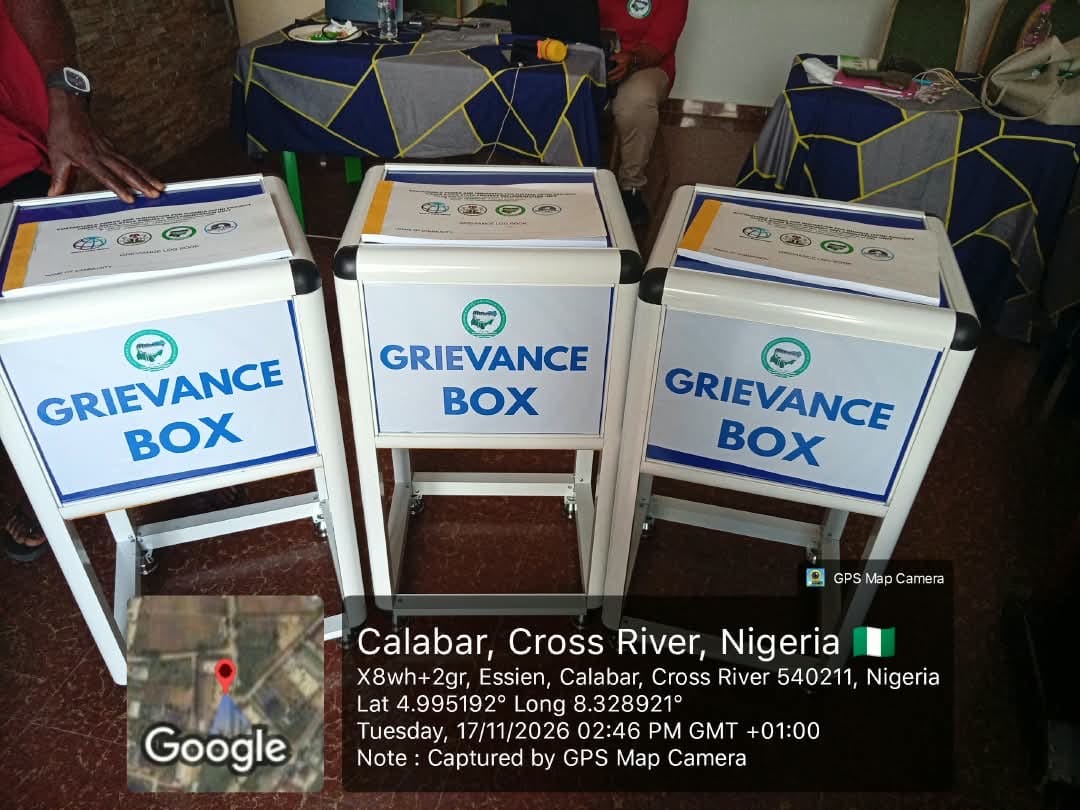
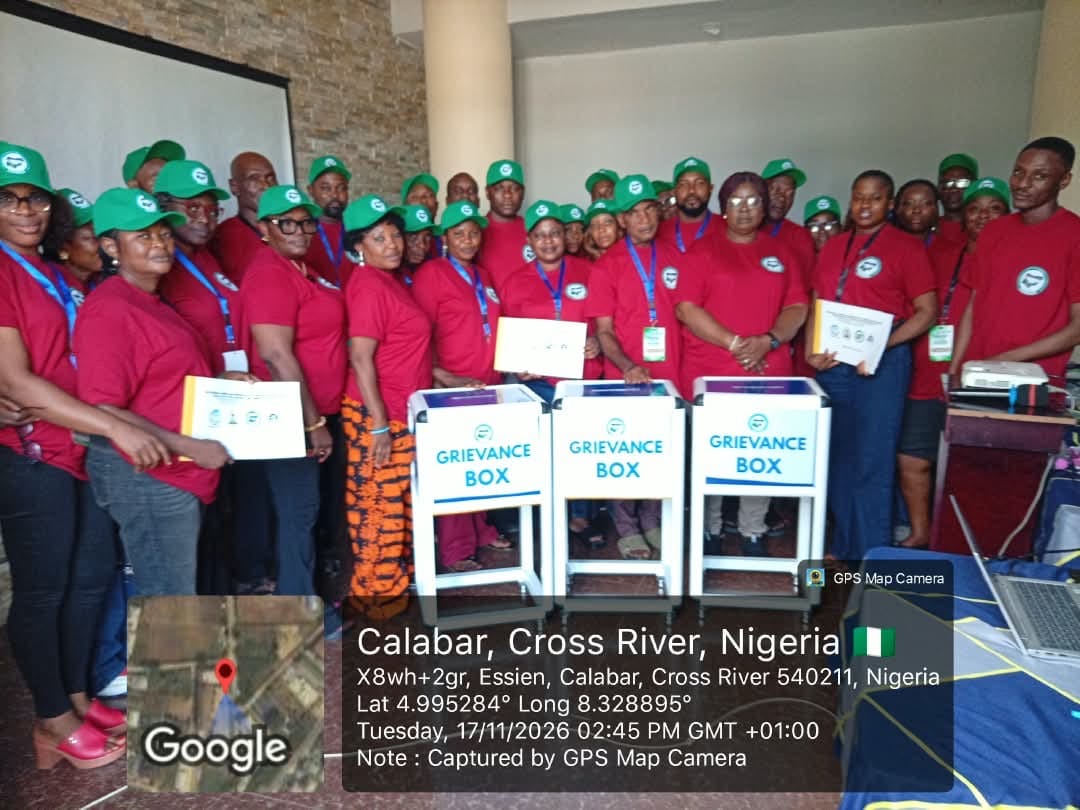
The workshop, held on November 16 and 17, 2026, at Dannic Hotels, Calabar, focused on equipping participants with the knowledge and practical skills to receive, document, manage and resolve grievances that may arise during project implementation. A major highlight was the constitution of the State-level Grievance Redress Committee and deployment of Grievance Boxes, Log Books and Toll-free lines to facilitate complaint reporting and documentation.
Declaring the workshop open, the Honourable Commissioner for Agriculture and Irrigation Development, Hon. Johnson Andiambey Ebokpo, KSM, said the successful delivery of the SPIN Project would require more than the provision of irrigation infrastructure, stressing the importance of responsible implementation, effective stakeholder engagement and the protection of the rights and interests of project-affected communities.
He described the project as an important opportunity for Cross River to advance its irrigation development agenda, strengthen agricultural production and improve rural livelihoods, in line with the People First vision of Governor Bassey Edet Otu and his commitment to sustainable food systems.
With preparations advancing for the Bansara Irrigation Scheme in Ogoja Local Government Area, covering approximately 650 hectares along River Ayar, with potential for expansion to 3,000 hectares, the Commissioner emphasised the need for a functional grievance redress system to address community concerns and build confidence in the project.
He noted that grievances should not be viewed as obstacles to development but as opportunities to identify concerns early, prevent potential conflicts and strengthen relationships between project implementers and beneficiary communities. Commissioner Ebokpo who was represented by the Director Tree crop, ministry of agriculture and irrigation development, Mrs. Stella-Maris Odey charged committee members to discharge their responsibilities with fairness, diligence and confidentiality, particularly in handling complaints involving vulnerable persons and sensitive issues such as Sexual Exploitation and Abuse (SEA) and Sexual Harassment (SH).
Earlier in her welcome address, the State Project Coordinator, Engr. Mrs. Justina John Ulafor, described the Grievance Redress Mechanism as a critical component of the SPIN Project, providing an accessible, transparent, timely and fair process through which project-affected persons and other stakeholders can express concerns and seek resolution without fear of intimidation or victimisation.
She explained that the training was designed to strengthen the capacity of committee members to receive, document, track, investigate, escalate and resolve complaints appropriately, particularly as the state prepares for the implementation of the Bansara Irrigation Scheme.
The Coordinator urged participants to actively engage in the sessions and ensure that the knowledge acquired translates into a functional and responsive grievance management system.
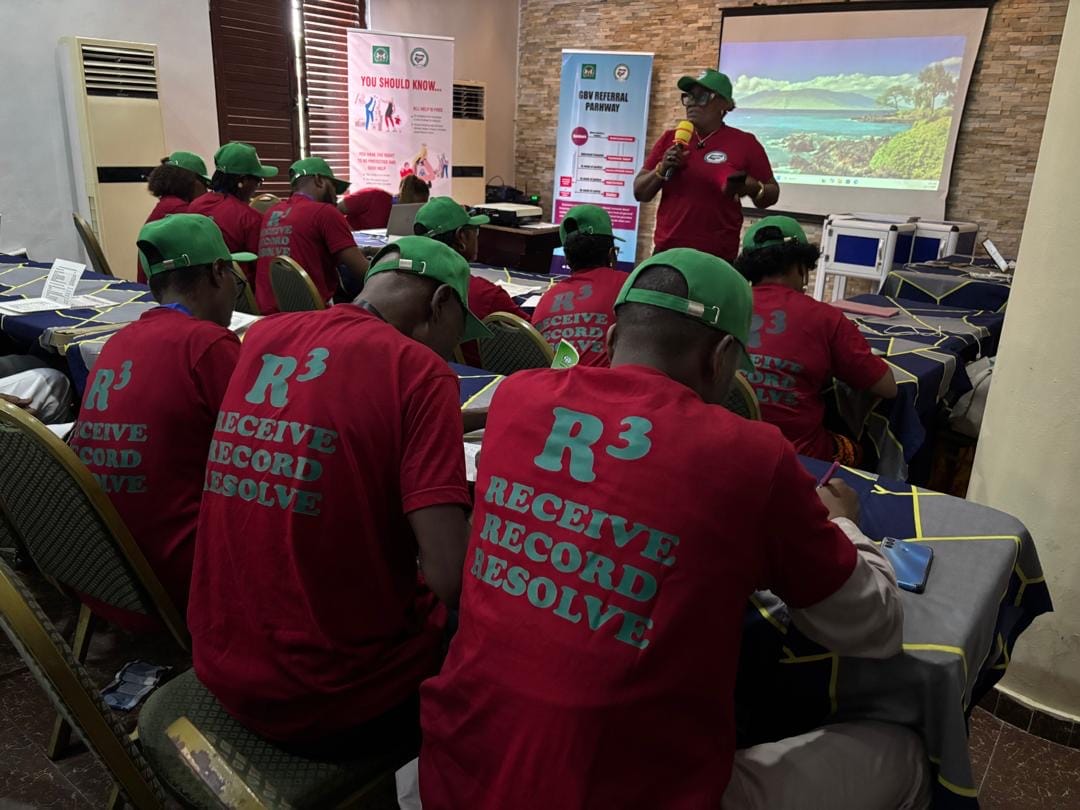
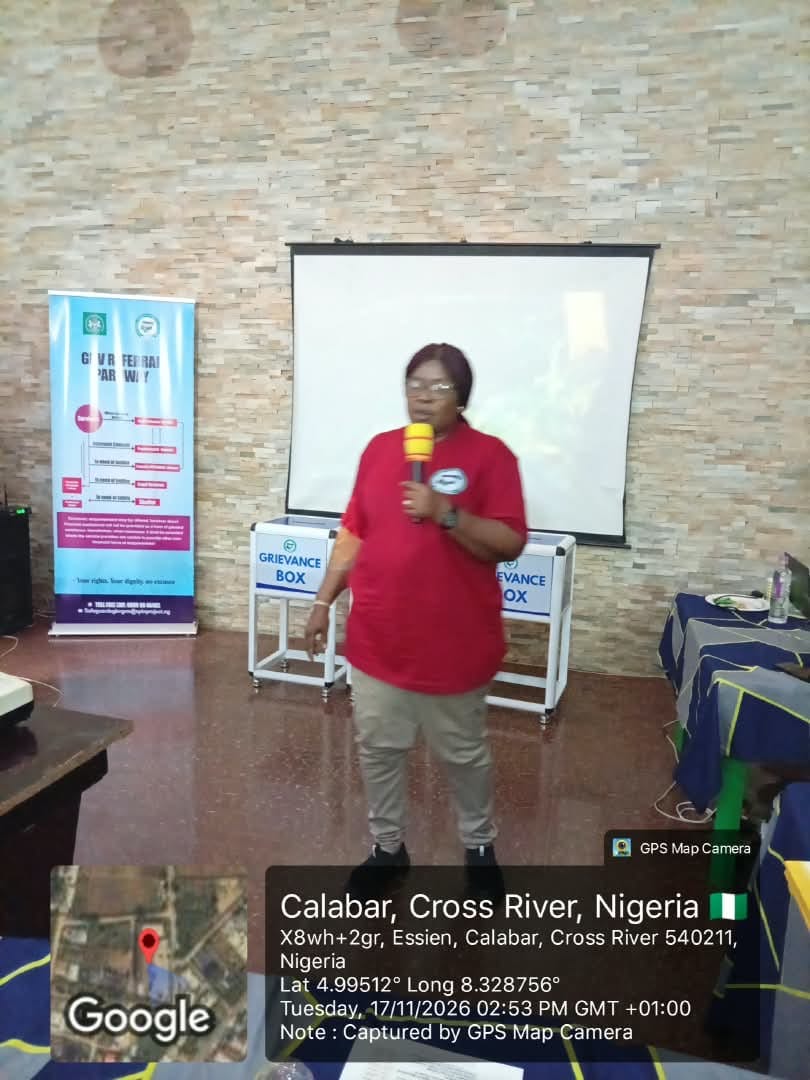
The technical sessions were facilitated by Ituen Ekaette George, Environmental Safeguards Officer from the Federal Project Management Unit (FPMU), who took participants through key aspects of grievance redress, including its principles, importance in project implementation, community participation, committee structures, roles, procedures and institutional responsibilities.
Other areas covered included practical grievance management, social protection, social inclusion and the protection of vulnerable persons.
Particular attention was given to the appropriate handling of sensitive complaints, including Gender-Based Violence (GBV), Sexual Exploitation and Abuse (SEA) and Sexual Harassment (SH).
The State Project's Social Safeguards Officer, Mrs. Patience Mom, also highlighted the roles and responsibilities of line MDAs in GRM implementation and appreciated stakeholders for their active participation.
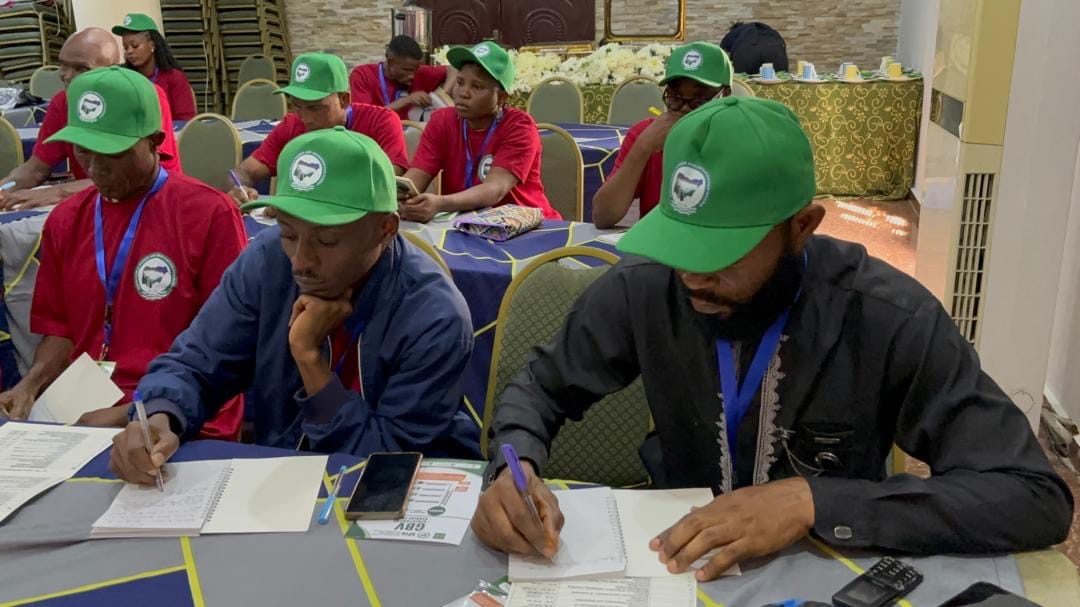
Through breakout sessions and scenario-based exercises, participants examined practical situations and explored appropriate approaches to receiving, documenting, referring and resolving different categories of complaints, with emphasis on confidentiality, sensitivity and adherence to established procedures.
The constitution of the State-level Grievance Redress Committee and deployment of Grievance Boxes, Log Books and Toll-free lines provided an institutional framework and practical tools for receiving, recording and tracking complaints at different levels of project implementation.
The initiative is part of efforts by the Cross River State SPIN Project Implementation Unit to ensure that community concerns are adequately addressed, stakeholder participation is strengthened and the implementation of the project is guided by transparency, accountability and respect for the rights of affected persons.

By Blessing Enagu