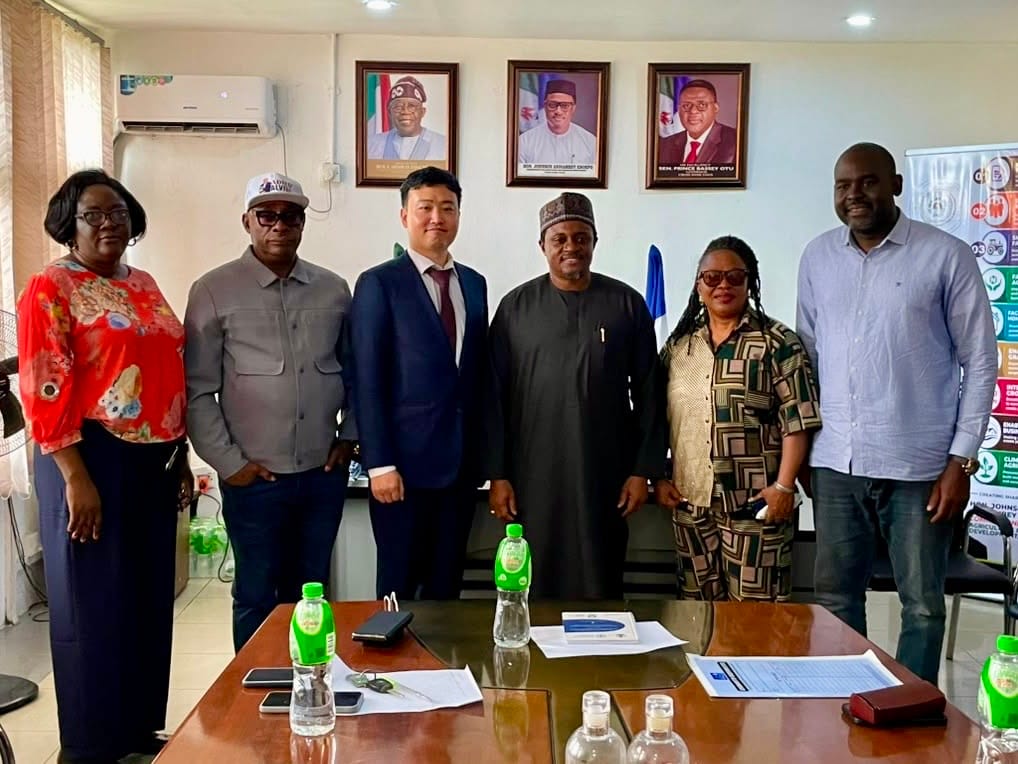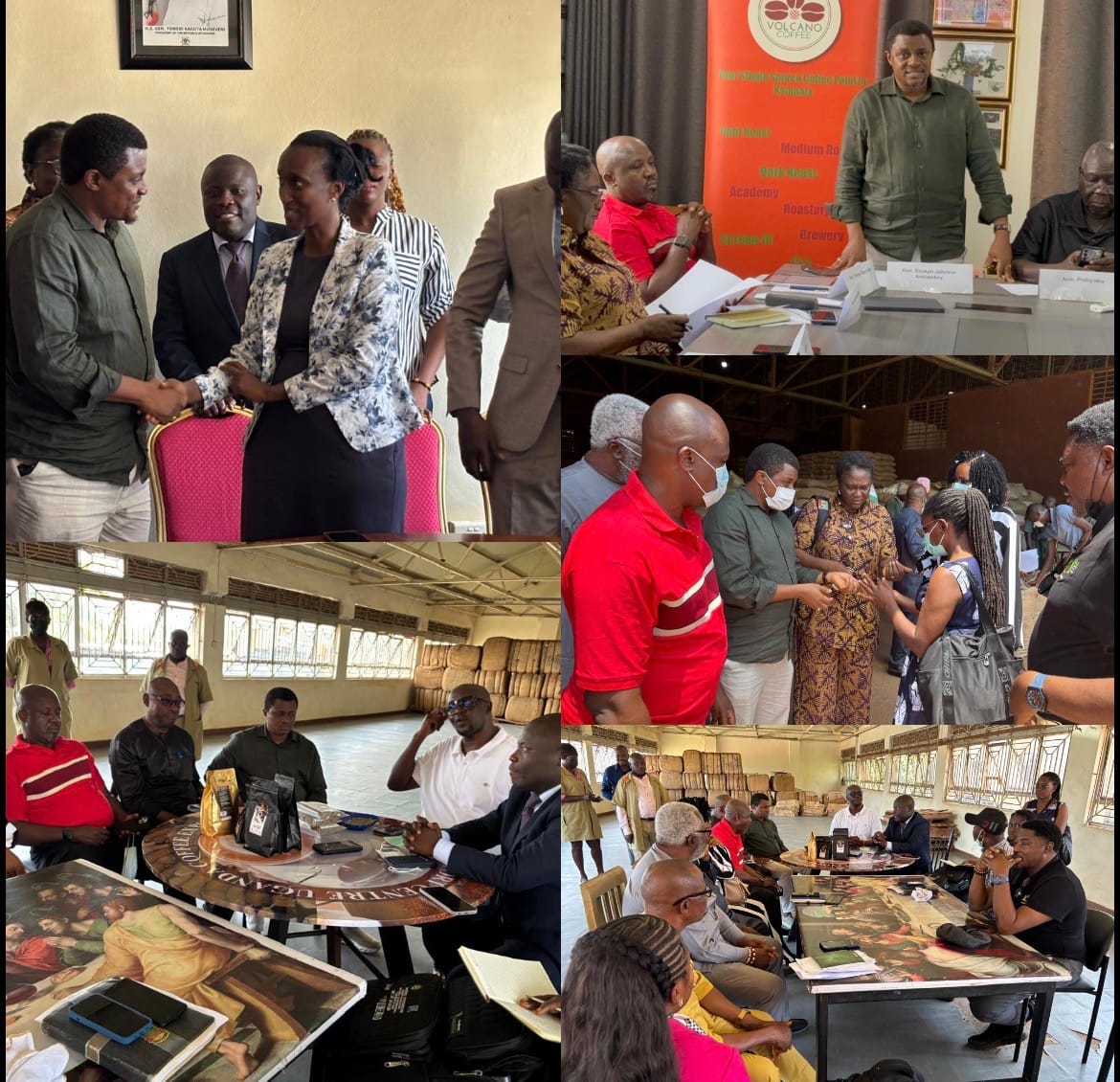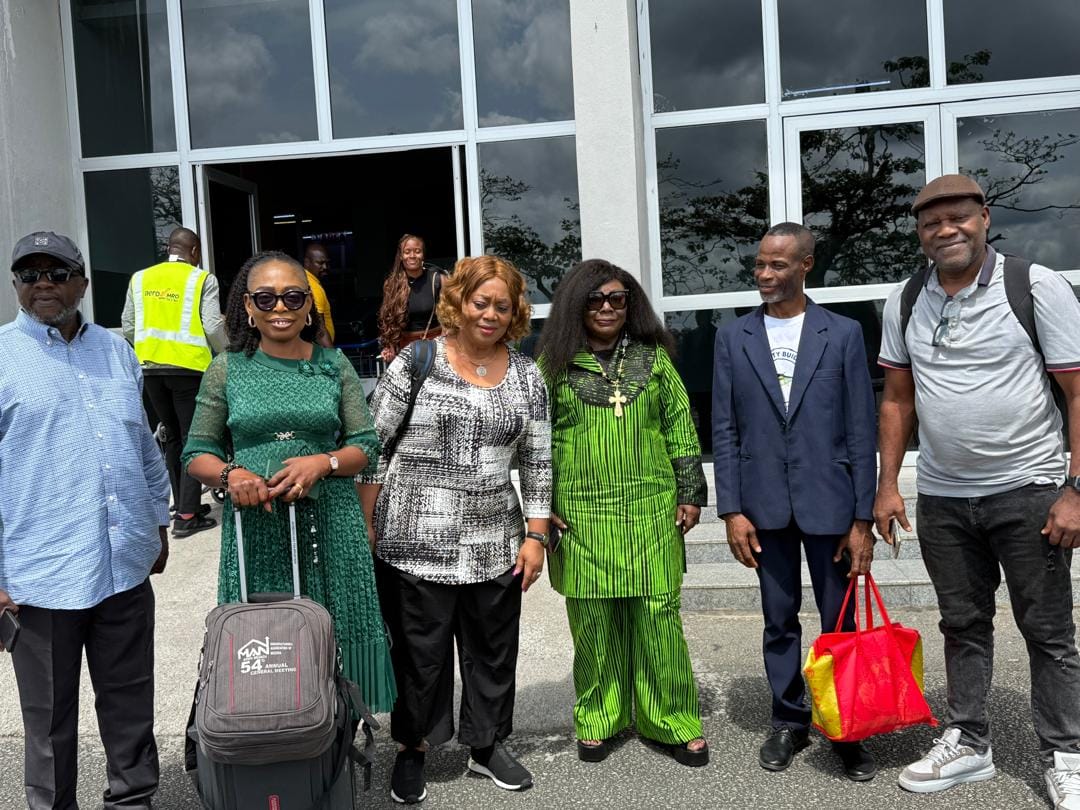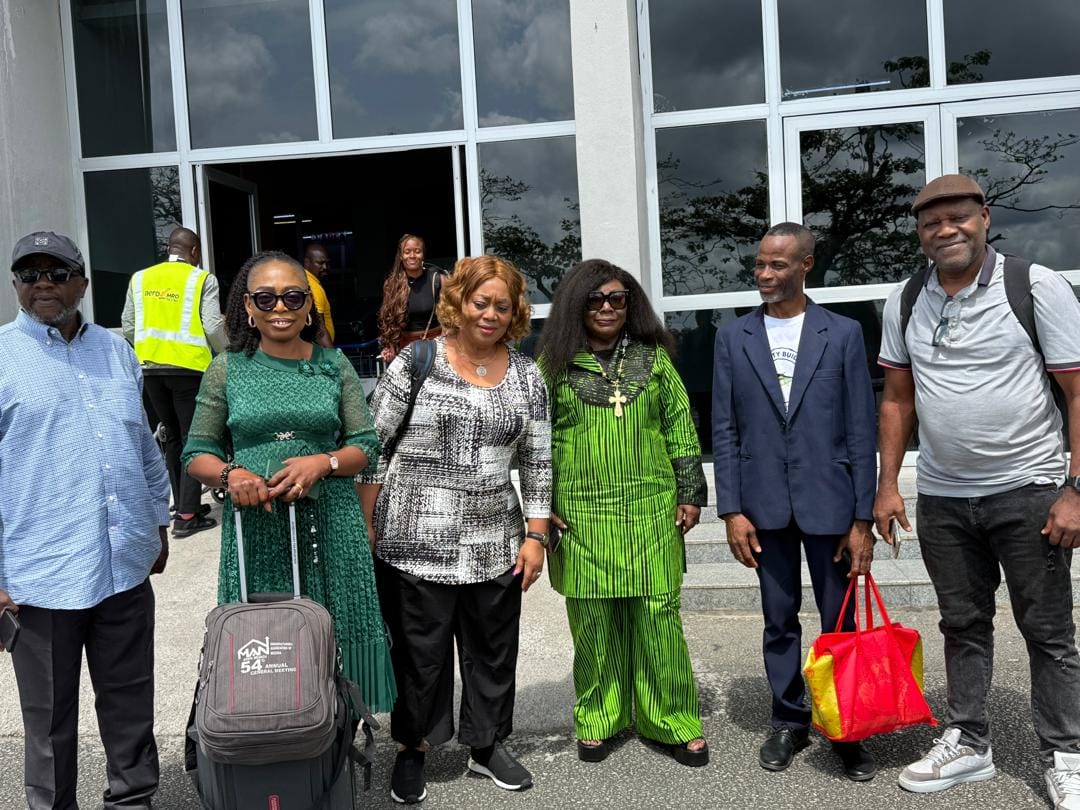


Ahead of the full implementation of the Bansara Irrigation Scheme, the Cross River State Safeguards Team of the Sustainable Power and Irrigation for Nigeria (SPIN) Project has engaged community members and key stakeholders to strengthen awareness and preparedness for the Project’s Grievance Redress Mechanism (GRM).
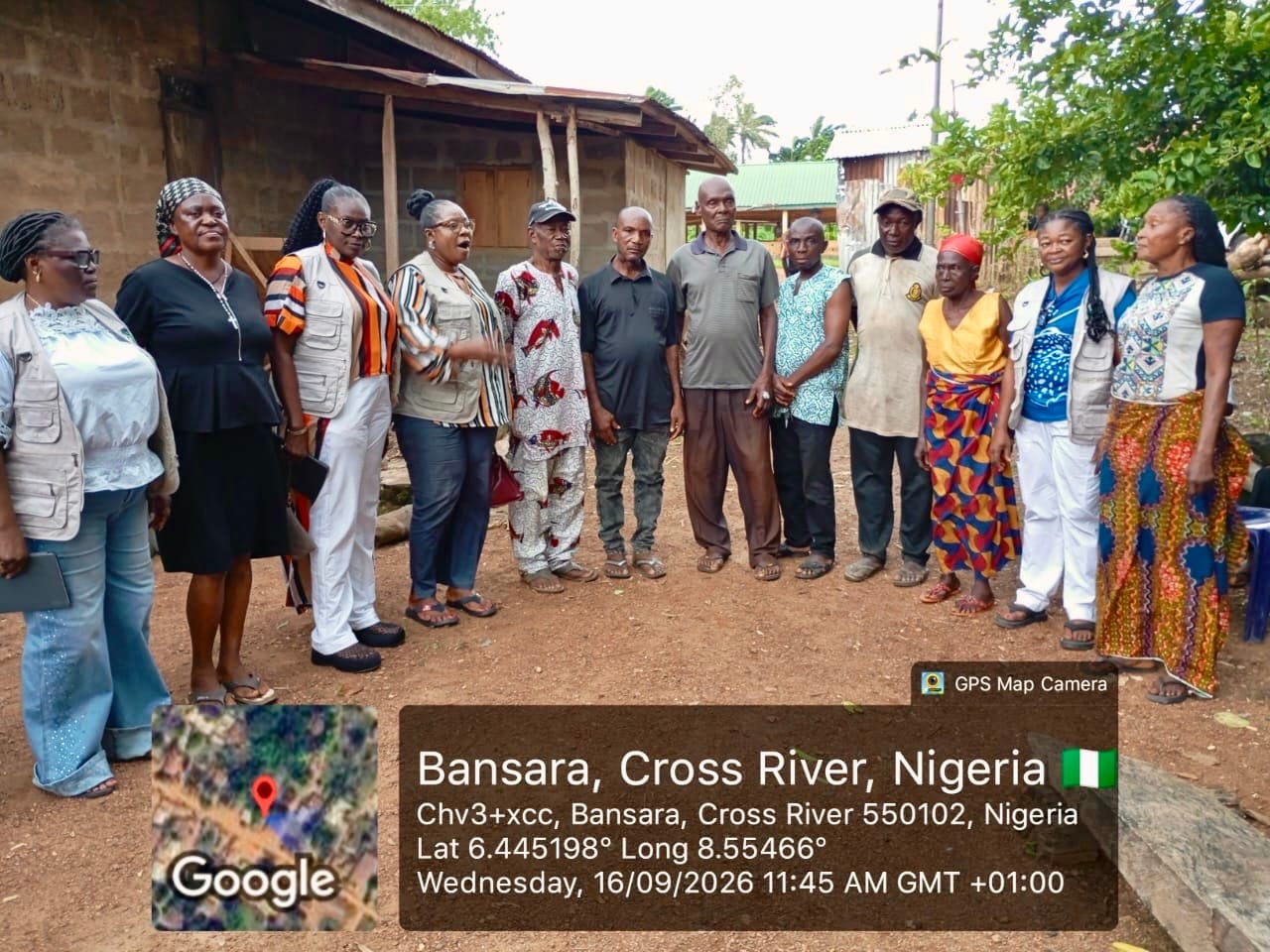
The engagement, led by the State Project Coordinator, Engr. Mrs. Justina John Ulafor, brought together representatives of the Water Users Association (WUA), traditional and community leaders, women and youth groups, vulnerable persons, and other stakeholders within the project area.
The engagement forms part of the SPIN Project’s safeguards approach to ensuring that communities have access to transparent, inclusive, and responsive channels through which concerns and complaints relating to project activities can be raised and addressed.
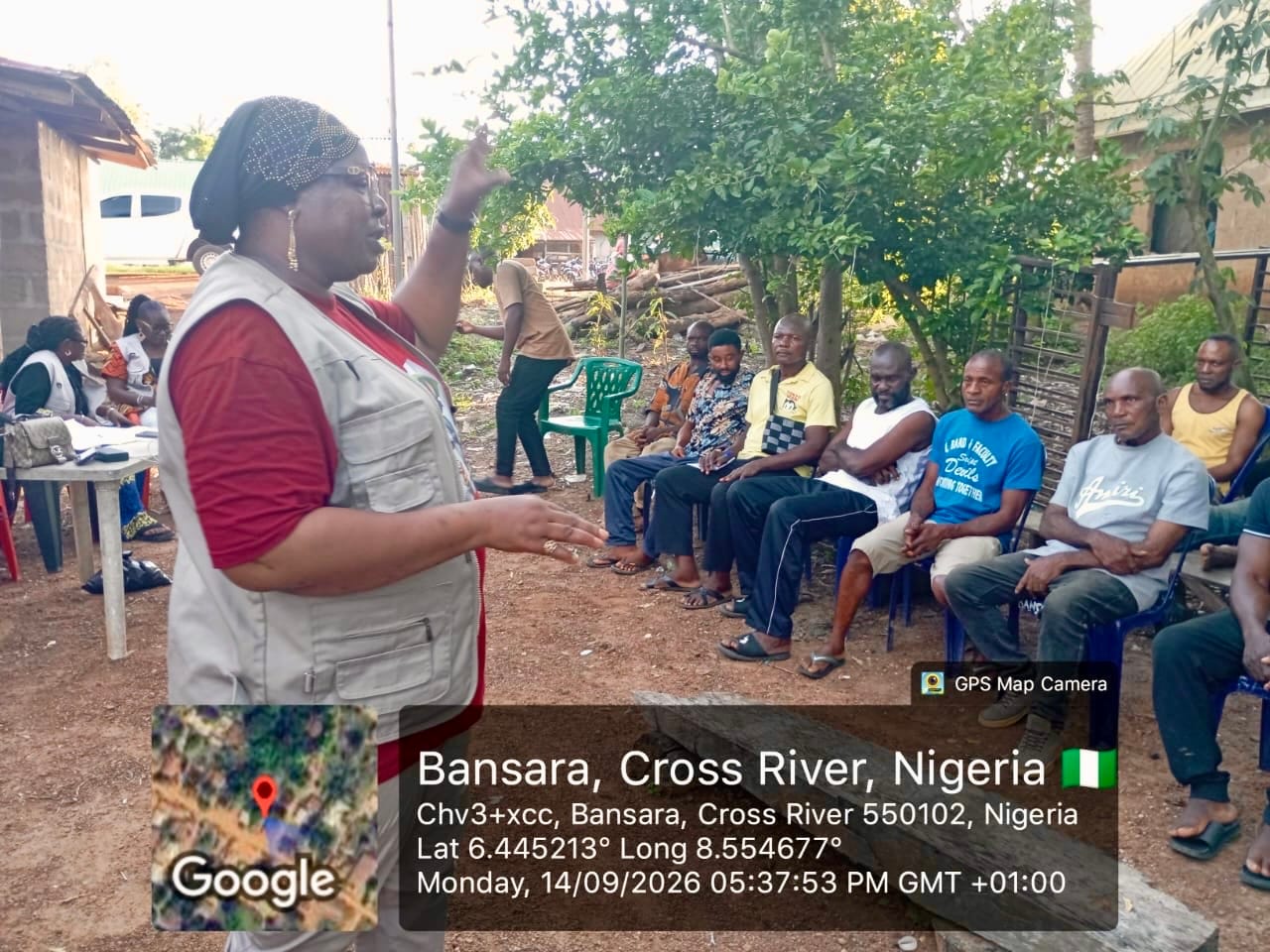
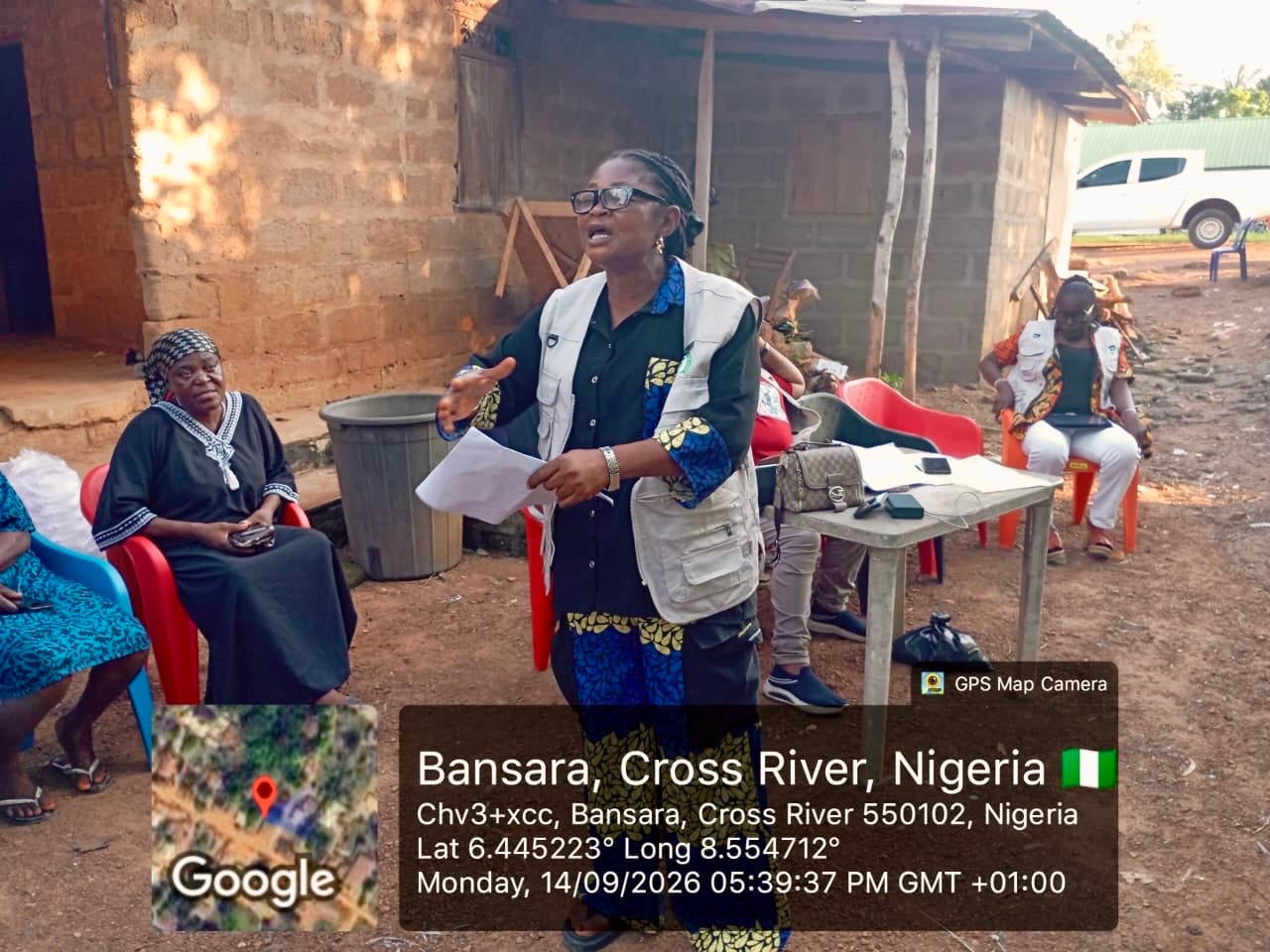
In her opening remarks, Engr. Ulafor expressed appreciation to the community for its continued cooperation and support for the project. She emphasised the importance of an effective grievance redress system in maintaining trust between the project and host communities, particularly as activities progress from the preparation stage to implementation.
She encouraged community members to raise concerns promptly through the established channels, stressing the need for grievances to be handled fairly, transparently, and within reasonable timeframes.
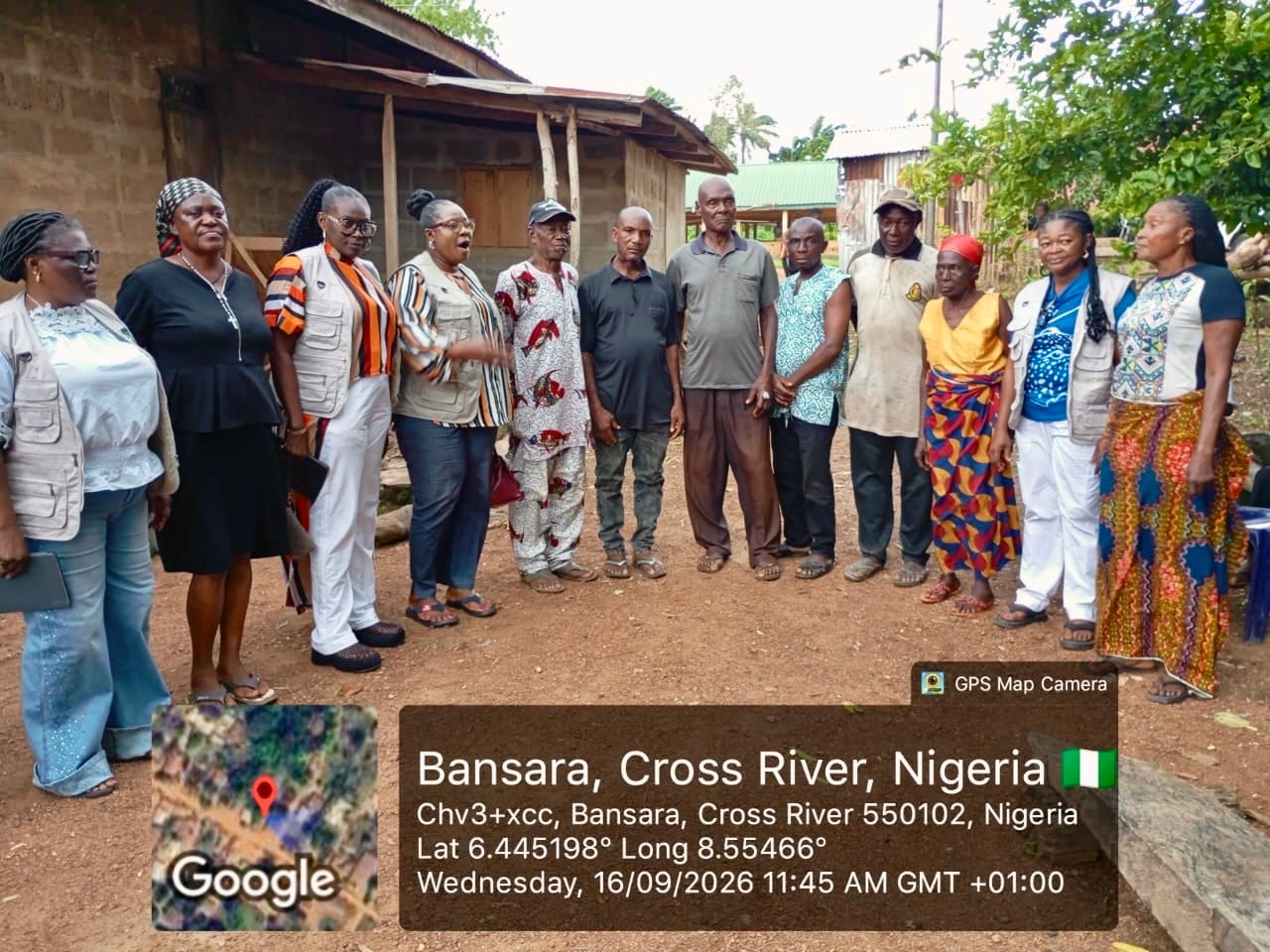
A major outcome of the engagement was the constitution and inauguration of the Bansara Grievance Redress Committee.
The committee was structured to reflect the diversity of the community, with representation from community leadership, women, youth, the Water Users Association, and vulnerable groups.
The Project’s Grievance Redress Focal Person, Mr. Paul Momnang, was also inaugurated to serve as a direct link between community members and the project’s grievance management structure.
While charging the committee members and focal person on their responsibilities, the State Project Coordinator urged them to uphold fairness, confidentiality, accountability, and inclusiveness in handling complaints. She particularly emphasised the importance of ensuring that women, vulnerable persons, and other groups who may face barriers to participation can access the grievance mechanism without discrimination.
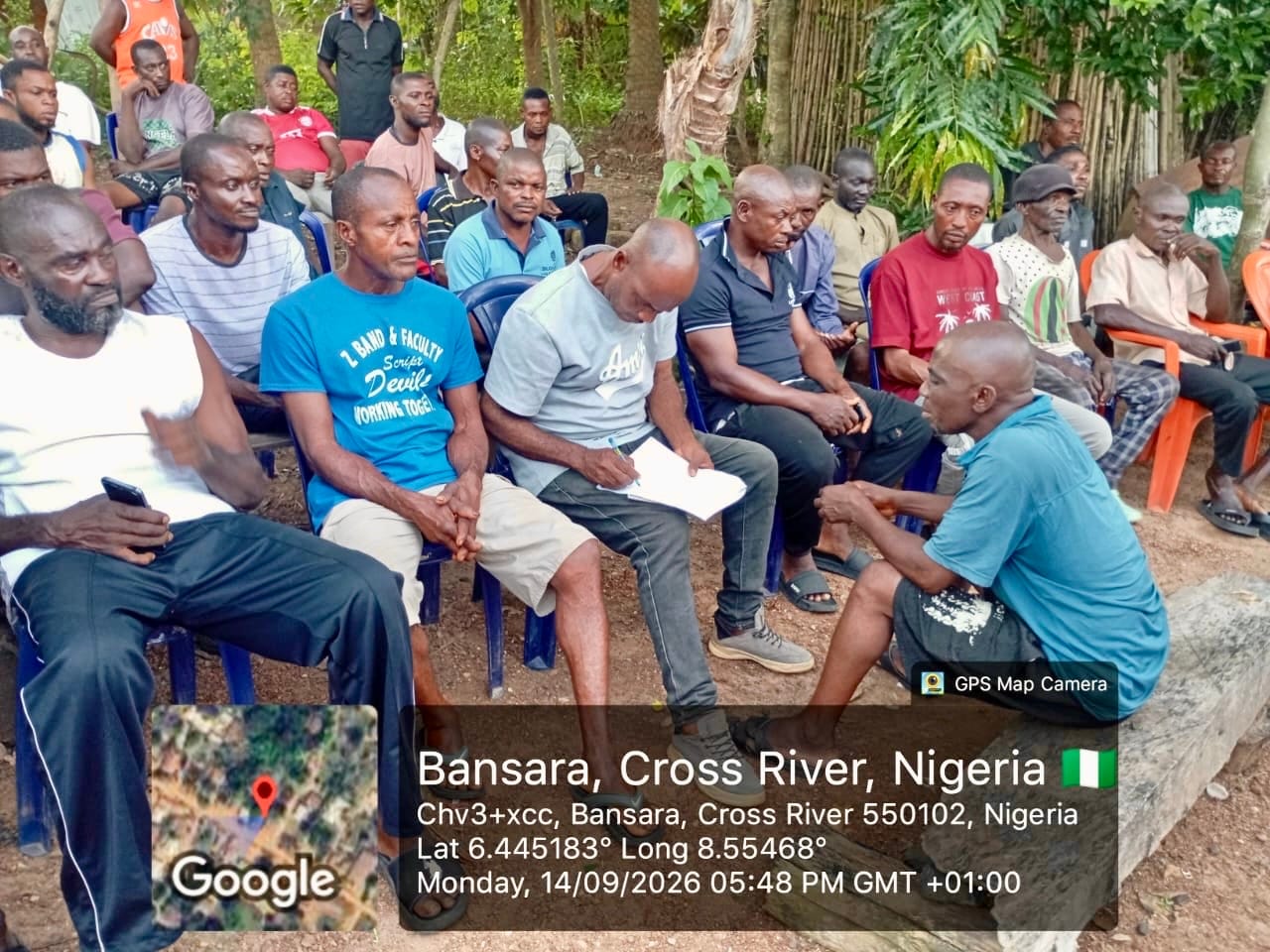
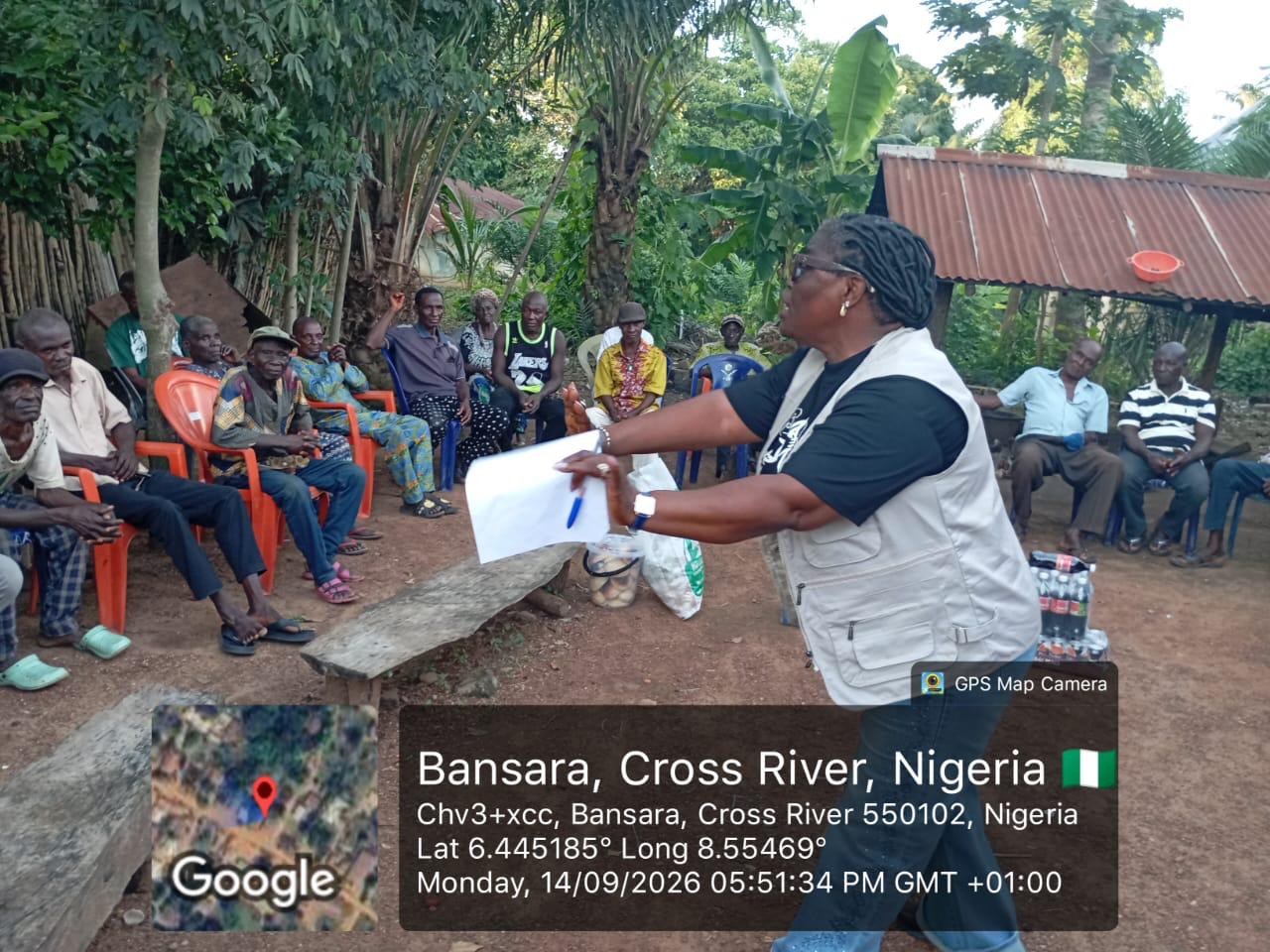
The inauguration was followed by a practical capacity-building session on the Grievance Redress Mechanism, facilitated by officers from the SPIN Safeguards Team. The session was led by Mrs. Patience Mom, Social Safeguards Officer; Mrs. Theresa Abua, Environmental Safeguards Officer; and Mrs. Asi James, Gender Officer.
The training focused on the purpose and guiding principles of the Grievance Redress Mechanism, identification and reporting of grievances, documentation and tracking procedures, resolution and referral processes, escalation pathways, confidentiality, stakeholder responsibilities and inclusive grievance management.
Participants actively engaged with the facilitators, seeking clarification on the appropriate procedures for reporting, documenting, referring and resolving different categories of grievances, as well as the roles and responsibilities of relevant stakeholders in ensuring that complaints are addressed in a fair, transparent and timely manner.
The interactive sessions also provided an opportunity for community representatives to gain a better understanding of their roles in promoting peaceful, transparent, and accountable project implementation.
Responding on behalf of the community, the newly inaugurated Grievance Redress Focal Person, Mr. Paul Momnang, expressed appreciation to the SPIN team for the engagement and training.
He stated that the community welcomed the initiative and pledged to work with the committee and other stakeholders to ensure that the grievance redress structure functions effectively.
The engagement and training underscore the SPIN Project’s commitment to meaningful stakeholder participation and the integration of social, environmental, and gender safeguards into project implementation.
By establishing community-level grievance redress structures before major project activities commence, the project is strengthening the systems required to ensure that community concerns are heard, documented, and appropriately addressed throughout the implementation of the Bansara Irrigation Scheme.
The initiative represents an important step towards fostering community trust, promoting accountability, and supporting the sustainable implementation of the SPIN project in Cross River State.




By Blessing Enagu