
Stakeholders in the HIV response in Cross River State have called for stronger collaboration, increased domestic resource mobilisation and innovative approaches to sustain HIV prevention, treatment and care programmes amid declining global donor funding.
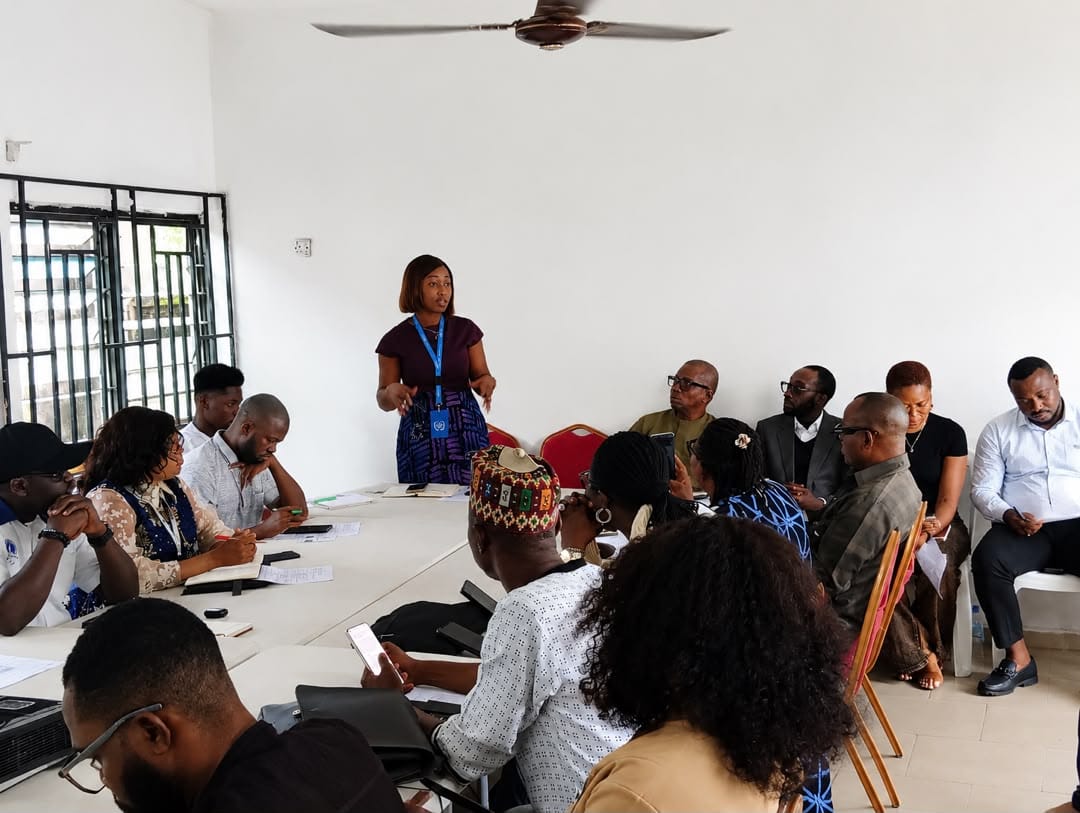
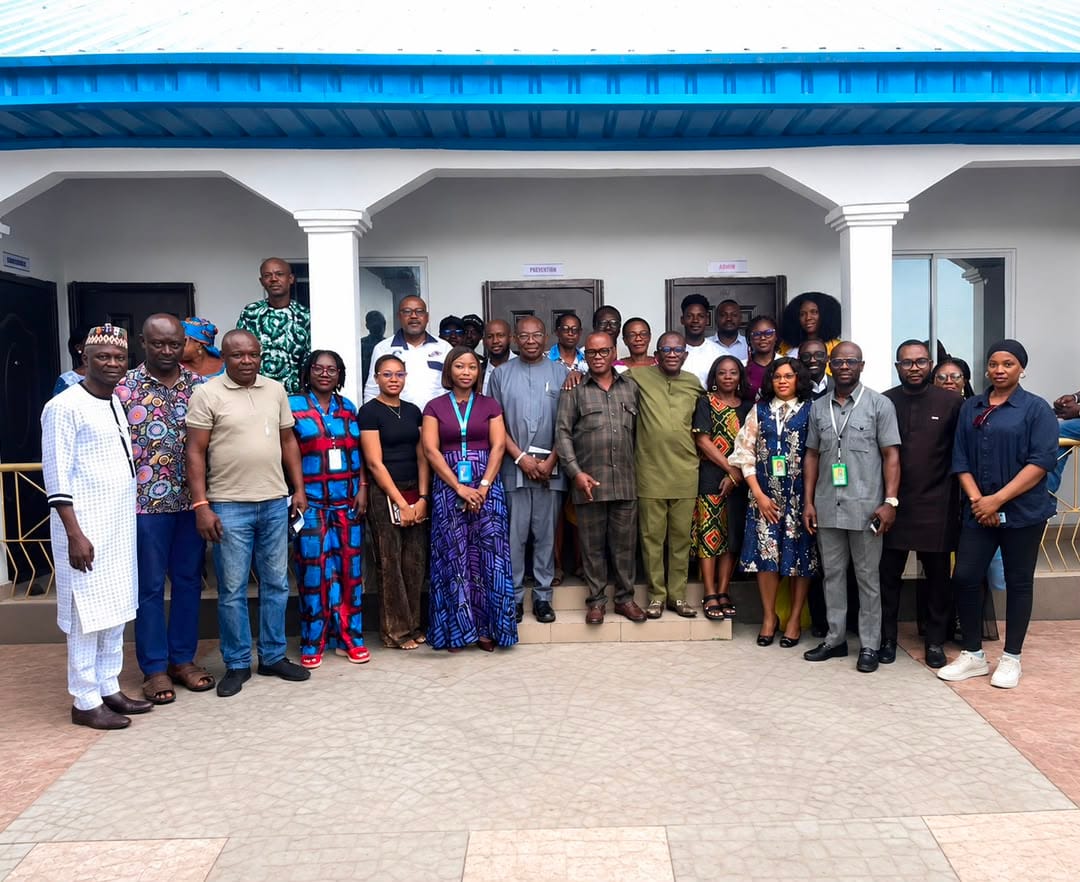
The call was made during the Quarterly Stakeholders' Roundtable Meeting on HIV Interventions organised by the Cross River State Agency for the Control of AIDS (SACA) and held at the Agency's Conference Hall, with the theme: “Sustaining the Gains on HIV Interventions.” The meeting brought together development partners, implementing partners, government ministries and agencies, civil society organisations, community-based organisations and other key actors in the HIV response to review progress, identify challenges and develop strategies for sustaining HIV interventions across the State.
Speaking at the meeting, the Director-General of SACA, Dr Charles Iwara, described the roundtable as timely, noting that the global HIV response had entered a critical phase due to reductions in donor funding, particularly from the United States Government.
He explained that the funding gaps had affected HIV prevention, treatment and care programmes in several countries, stressing the need for stronger local ownership, sustainable financing and improved partnerships to maintain the gains achieved over the years.
According to Dr Iwara, the current funding situation presents an opportunity for stakeholders to rethink approaches to HIV programming and build systems that can withstand future challenges. “The HIV response globally is facing a tumultuous phase because of the funding gaps created by the American Government's funding cuts. While this has created enormous challenges, scientific discoveries are also providing us with the most powerful tools yet in the fight against HIV. This is therefore the time for stronger leadership, partnerships and sustainable financing,” he said.
The SACA Director-General highlighted some innovative interventions being embraced by Cross River State, including the rollout of Lenacapavir for HIV prevention, plans to introduce Artificial Intelligence-enabled HIV self-testing technologies, and the deployment of drone technology for the delivery of HIV commodities to health facilities.
He further disclosed that the State Government under the leadership of Governor Senator Bassey Otu had approved the enrolment of 2,000 persons living with HIV into the Cross River State Health Insurance Scheme to ensure sustainable access to healthcare services.
Dr Iwara emphasised that community-led interventions remain critical to achieving the goal of ending HIV as a public health threat, adding that sustained collaboration among government, partners and communities was necessary to strengthen the state's HIV response.
He commended Governor Bassey Otu and the First Lady, Bishop Eyoanwan Bassey Otu, for their commitment to improving healthcare delivery and appreciated the support of development partners including the World Health Organization (WHO), ECEWS, AIDS Healthcare Foundation (AHF), Heartland Alliance Limited by Guarantee, CCRN, UNFPA, KNCV, the National Orientation Agency (NOA),
National Human Rights Commission (NHRC), NAPTIP, relevant ministries, civil society organisations and implementing partners.
Earlier, SACA Prevention Officer, Mrs Rose Iyambe, explained that the quarterly roundtable was convened to strengthen stakeholder coordination, improve HIV data collection and reporting systems, establish effective feedback mechanisms, increase visibility of interventions and encourage domestic resource mobilisation. She stressed the importance of harmonised reporting systems, improved use of technology in HIV programming, stronger collaboration among implementing partners and increased private-sector involvement in sustaining HIV interventions.
Stakeholders at the meeting described the theme as timely, noting that the changing global funding landscape requires greater state ownership, stronger partnerships and innovative financing mechanisms.
Representing ECEWS, Cafetan Obi, commended SACA for organising the meeting, describing it as a platform for stakeholders to reflect on progress and develop practical strategies for sustainability. He assured that ECEWS would continue to provide technical support while encouraging increased ownership of HIV programmes by the State.
The representative of the World Health Organization, Dr Olatunde Rebecca, acknowledged the impact of global funding challenges on HIV programmes and urged stakeholders to ensure uninterrupted access to services, especially for people living with HIV and underserved populations.
Representing CCRN, Roselyn Anyaphu, highlighted the organisation's efforts in preventing mother-to-child transmission of HIV across the 18 local government areas of the state, reaffirming its commitment to ensuring children born to mothers living with HIV remain HIV-free.
The representative of AIDS Healthcare Foundation (AHF), Agada Emmanuel, reaffirmed the organisation's commitment to HIV prevention through community outreaches, condom programming, media engagement and other interventions, assuring SACA of continued partnership despite funding constraints. The Programme Officer of Heartland Alliance Limited by Guarantee, Ndifereke Usanga, disclosed that the organisation was implementing the K1 Project across the 18 local government areas of the state to provide community-based HIV services for marginalised populations. She commended the state government and SACA for creating an enabling environment for programme implementation and pledged the organisation's continued support towards sustaining HIV interventions in Cross River State.
The State Director of the National Orientation Agency, Mr John Asanye, assured stakeholders that the agency would continue to use its grassroots communication structures to promote HIV awareness and ensure that key messages reach communities across the State.
Speaking for the National Human Rights Commission, Ajuga Remijus, emphasised that stigma, discrimination and exclusion against people living with HIV remain critical human rights issues.
He reaffirmed the Commission's commitment to supporting interventions that protect the dignity and rights of vulnerable populations.
Representatives of NAPTIP, the Ministry of Women Affairs, Federal Character Commission and NEPWHAN also pledged continued support towards strengthening treatment adherence, protecting vulnerable groups, supporting mentor mothers and expanding community participation in HIV prevention and care. During the interactive session, stakeholders identified challenges affecting HIV programming in the state, including weak data harmonisation, under-reporting, inadequate domestic funding, limited private-sector participation and gaps in coordination among implementing partners.
At the end of the deliberations, stakeholders resolved that SACA should strengthen collaboration with partners to improve HIV data quality, harmonise data collection and reporting systems across implementing organisations and develop a comprehensive advocacy plan to support resource mobilisation. They also agreed that SACA should intensify advocacy visits to development partners and the private sector, establish committees to strengthen institutional capacity, improve communication and visibility of HIV interventions, leverage artificial intelligence technologies for awareness creation and encourage increased domestic investment in HIV programmes.
The stakeholders reaffirmed their collective commitment to ensuring that Cross River State sustains the gains recorded in HIV prevention, treatment and care while accelerating progress towards ending HIV as a public health threat through innovation, accountability, partnership and shared responsibility.