

State Internal Revenue Services have been urged to intensify public enlightenment on Nigeria’s new tax laws and strengthen the documentation of tax incentives to ensure that eligible taxpayers fully benefit from the reforms.
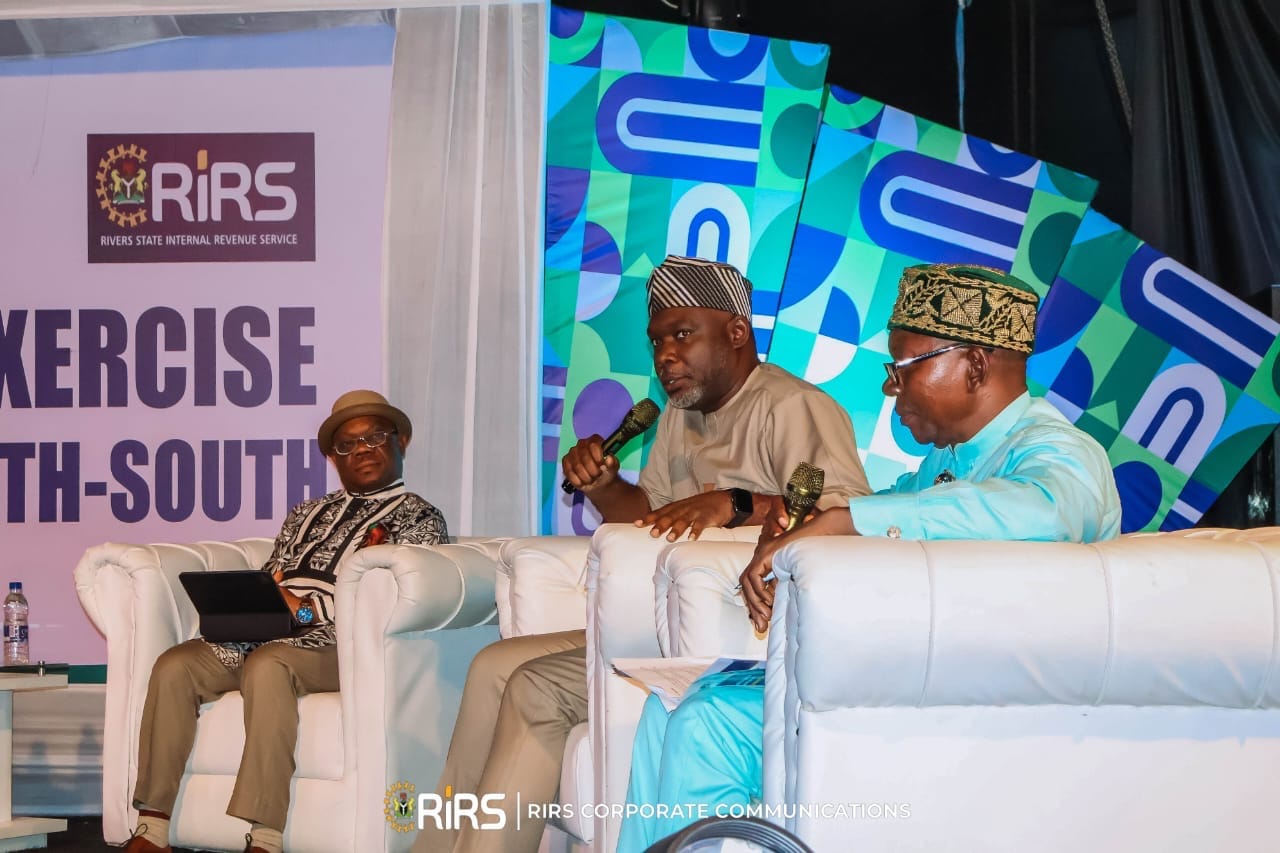
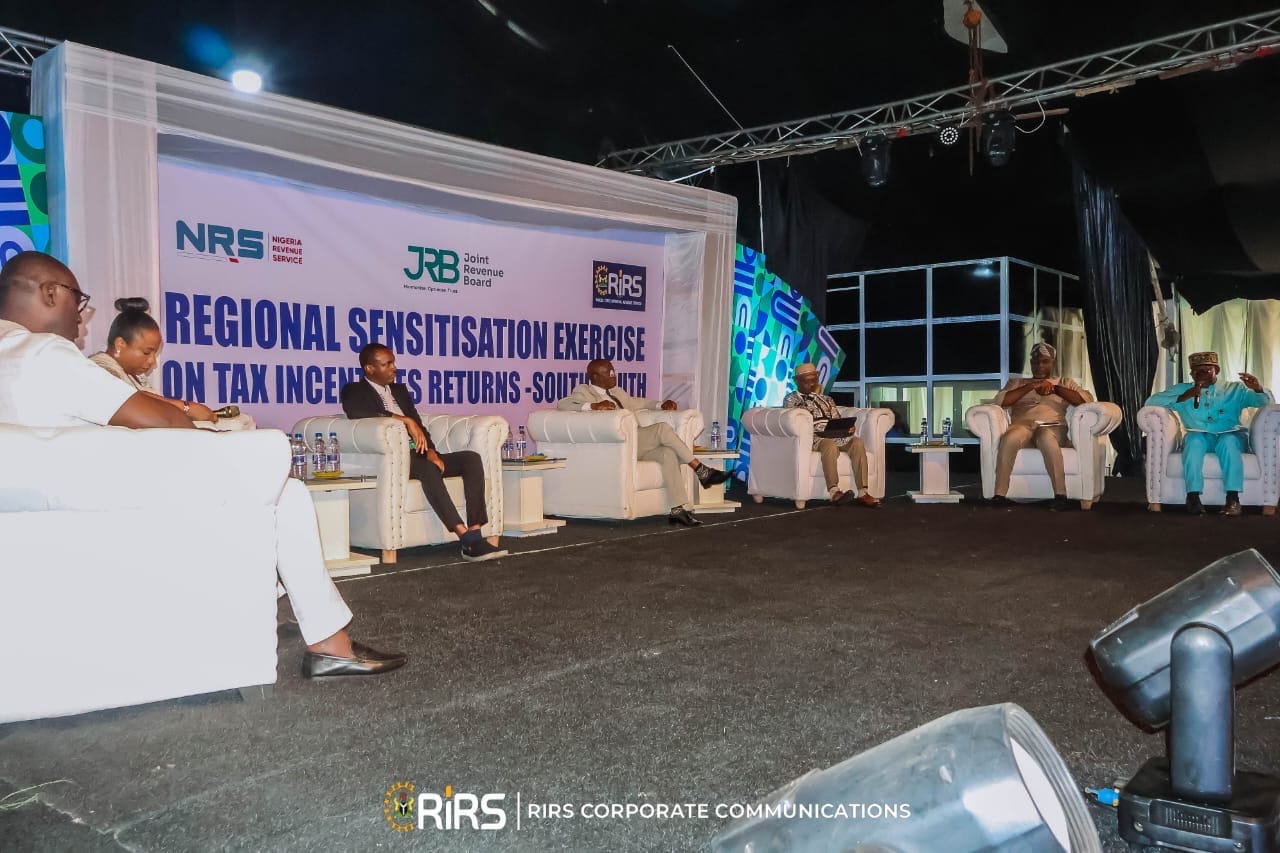
The call was made by stakeholders at the 2026 South-South Regional Sensitisation Exercise on Annual Tax Incentive Returns, organised by the Nigeria Revenue Service (NRS) and the Joint Revenue Board (JRB), in collaboration with the Rivers State Internal Revenue Service (RIRS), on Thursday, November 26, 2026, at the Oak Park and Garden Event Centre, Port Harcourt, Rivers State.
The exercise brought together tax administrators and other stakeholders from across the South-South region to examine the implementation and reporting requirements for tax incentives under the new tax laws, which took effect on January 1, 2026.
Speaking at the event, the Executive Chairman of the Cross River State Internal Revenue Service (CRIRS), Prince Edwin Okon, represented by the Director of Personal Income Tax, Mr. Essien Ansa, highlighted the commitment of Governor Bassey Otu to ensuring that taxpayers in the state fully benefit from the ongoing tax reforms, in line with the Federal Government’s resolve. He cited the recent 100 per cent and 50 per cent waivers on tax penalties and interest, among other relief measures, and disclosed that the state government was working towards the passage of the Harmonised Taxes and Levies Bill into law.
On the annual tax incentive reporting framework, participants were informed that State Internal Revenue Services are required to prepare comprehensive returns showing the value of tax benefits enjoyed by eligible taxpayers across different income categories. Using prescribed templates, including Forms A and H1, tax authorities are expected to identify beneficiaries, calculate the value of incentives granted and compile the figures for submission.
Particular attention was drawn to the annual rent relief provision under the new tax laws, which allows eligible taxpayers to claim 20 per cent of their annual rent, subject to a maximum relief of ₦500,000. State revenue authorities were therefore urged to identify qualifying beneficiaries and ensure accurate computation and documentation of the relief granted.
The reports are expected to be submitted to the Joint Revenue Board within the stipulated 60-day reporting window following the relevant filing deadlines. The Board will subsequently consolidate the returns and forward them to the Office of the Minister of Finance to enable the Federal Government to determine the overall value of tax incentives granted to citizens.
Participants also emphasised the need to extend tax education to rural and underserved communities to ensure that the benefits of the reforms are understood by all categories of taxpayers. They recommended the use of local languages during sensitisation campaigns and the deployment of personnel conversant with indigenous languages to tax offices in rural communities.
The presentation further highlighted a reduction in the effective tax burden on active Personal Income Tax (PIT) taxpayers, from 15.6 per cent under the previous tax regime to 13.1 per cent under the new framework, reflecting the reliefs introduced by the reforms.
The exercise ended with an interactive session, during which participants sought clarifications on the implementation of the new tax provisions, eligibility for incentives and the procedures for preparing and submitting annual tax incentive returns.




By Achiane Adams