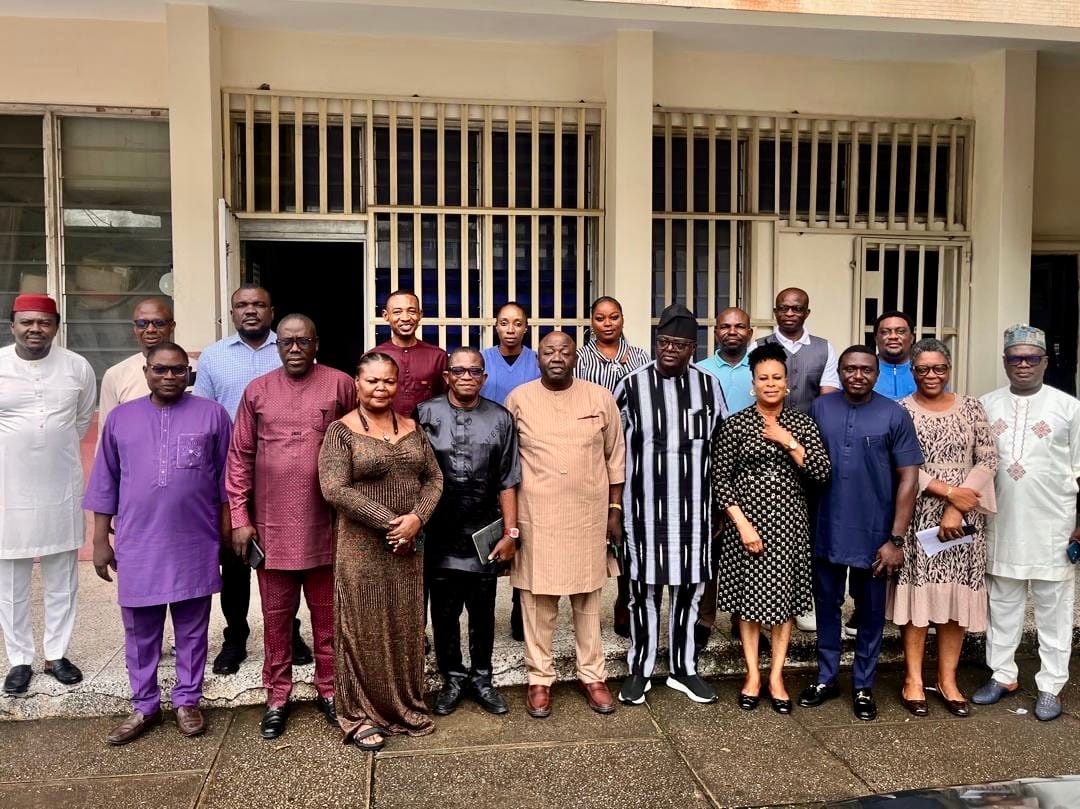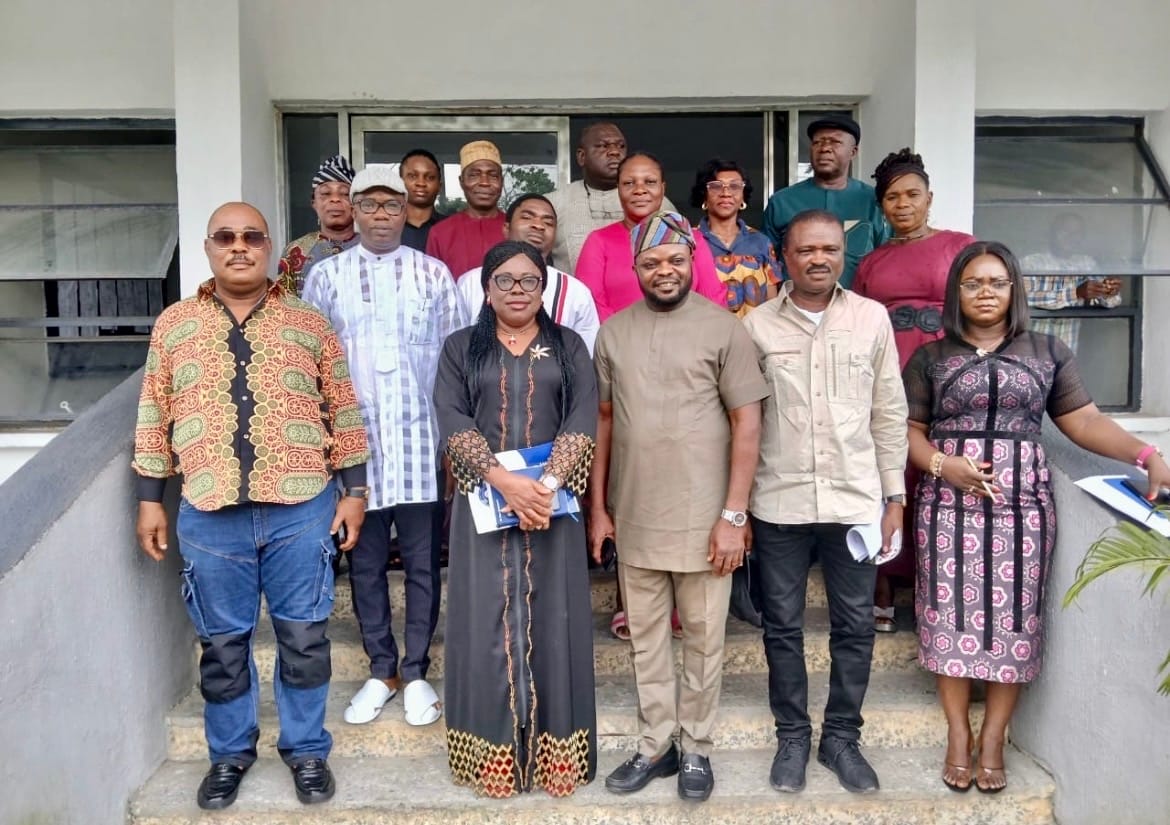


The Cross River State Universal Basic Education Board, CR-SUBEB, in collaboration with the Universal Basic Education Commission, UBEC, has commenced a two-day annual review of basic education data across the state’s 18 Local Government Education Authorities, LGEAs.
The excersise, being held at Pyramid Hotel, Calabar.
The review, organised by the Education Management Information System, EMIS, Unit of CR-SUBEB at the Pyramid Hotel, Calabar, is aimed at harmonising data templates, validating existing information and consolidating reliable, evidence-based data for effective education planning.
The exercise brings together EMIS officers and relevant stakeholders from the 18 LGEAs to review and update data covering Early Childhood Care, Development and Education, ECCDE, primary and junior secondary schools.
Representing the Executive Chairman of CR-SUBEB, Mrs. Fidelia Okpo Ene, Board Member 1, Mr. Joseph Ogar, expressed delight at the initiative, describing the annual gathering of EMIS officers as a welcome development.
Mr. Ogar urged the officers to remain committed to their responsibilities and to give their best in the collection, processing and management of education data.
He stressed that accurate and reliable data are critical to effective planning and decision-making in the education sector. He charged the officers to ensure that information generated from the various local government areas is properly documented and credible.
The EMIS Officer and facilitator of the meeting, Mr. Richard Egbe, said the review was designed to establish uniformity in the collection and presentation of education data across the State.
According to him, the exercise involves harmonising existing data templates, validating information already collected, and populating new templates for the current year.
He noted that the review became necessary because different templates had previously been used by some local government areas, resulting in inconsistencies in data collection and reporting.
“The harmonised template will provide a uniform standard for all the local governments and enable the State to speak with one voice on basic education statistics,” he said.
Mr. Egbe explained that participants are expected to provide their respective datasets, data distributions and facility information to enable them to populate the harmonised templates based on verified records.
He added that the validation process would help ensure that information contained in official records corresponds with what actually exists in schools, thereby improving the reliability, credibility and accuracy of the state’s education database.
He said the meeting would also provide an opportunity for participants to discuss challenges encountered in the previous year and identify practical solutions to improve data collection, processing and transmission.
“The ultimate objective is to produce a harmonised and validated database that accurately reflects the status of basic education across the State’s 18 local government areas,” he said.
The consolidated data, he added, will provide credible evidence for planning, policy formulation, resource allocation, monitoring and implementation of educational interventions.
The Desk Officer for Biase Local Government Area, Mr. Emmanuel Itam, commended CR-SUBEB and UBEC for organising the review meeting, saying it would strengthen data accuracy, promote uniform reporting and improve education planning across the LGAs.
Mr. Itam also appreciated the Governor of Cross River State, Senator Prince Bassey Edet Otu, and the Executive Chairman of CR-SUBEB, Mrs. Fidelia Okpo Ene, for their support and commitment to improving the education sector.
He said continued support from the state government and the Board would enable EMIS officers to perform their responsibilities more effectively and contribute to better educational planning and development.
The two-day meeting is expected to conclude with the completion of data entry using the agreed standard templates and the validation of information submitted by the various local government areas.
Joy Ndoma