
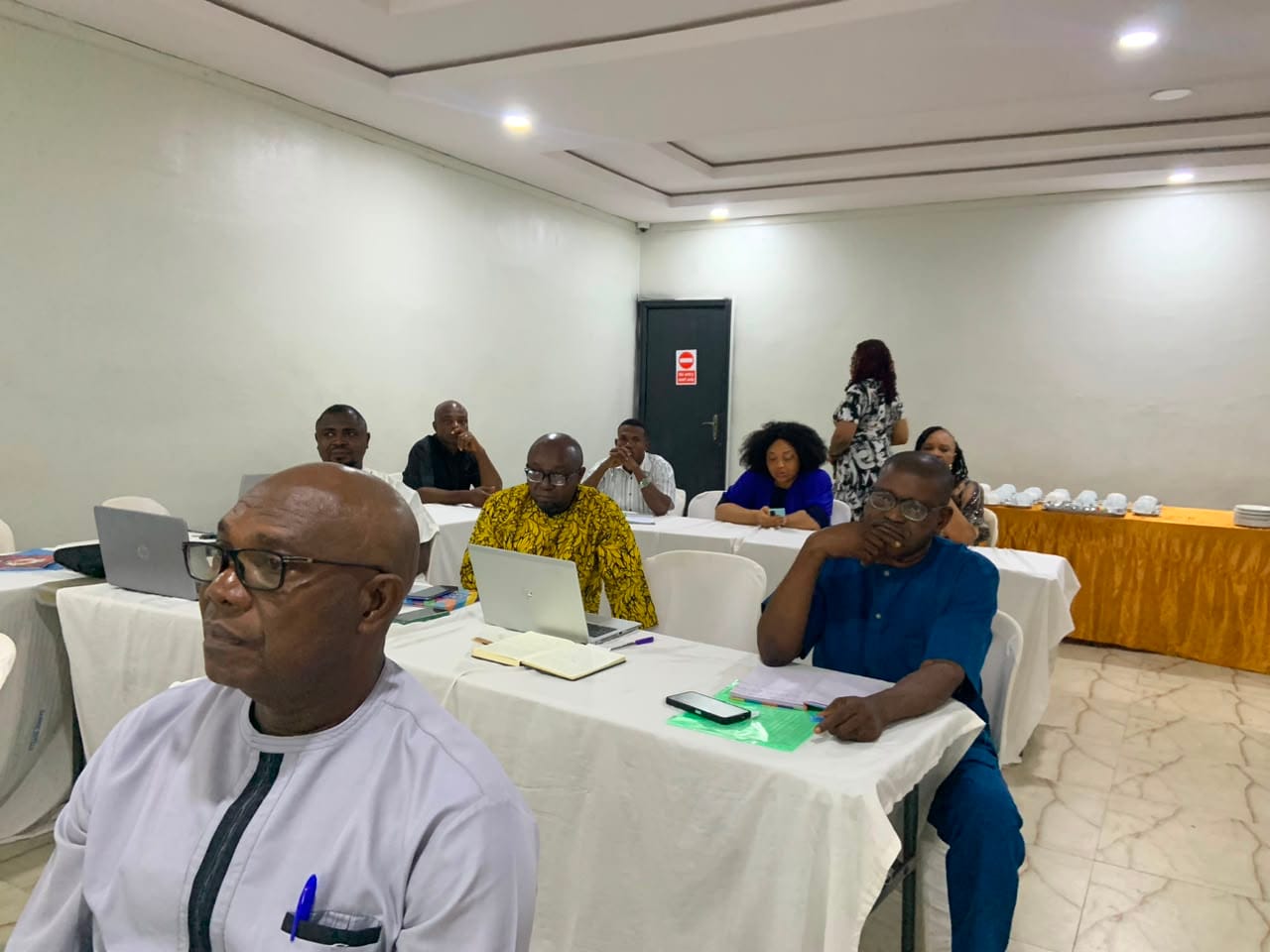
The United Nations Children's Fund (UNICEF) has called on State Governments to prioritise sustainable, community-driven healthcare models, as a two-day zonal meeting on developing Community Action Plans (CAPs) for State Governments ends at Dannic Hotel, Enugu.
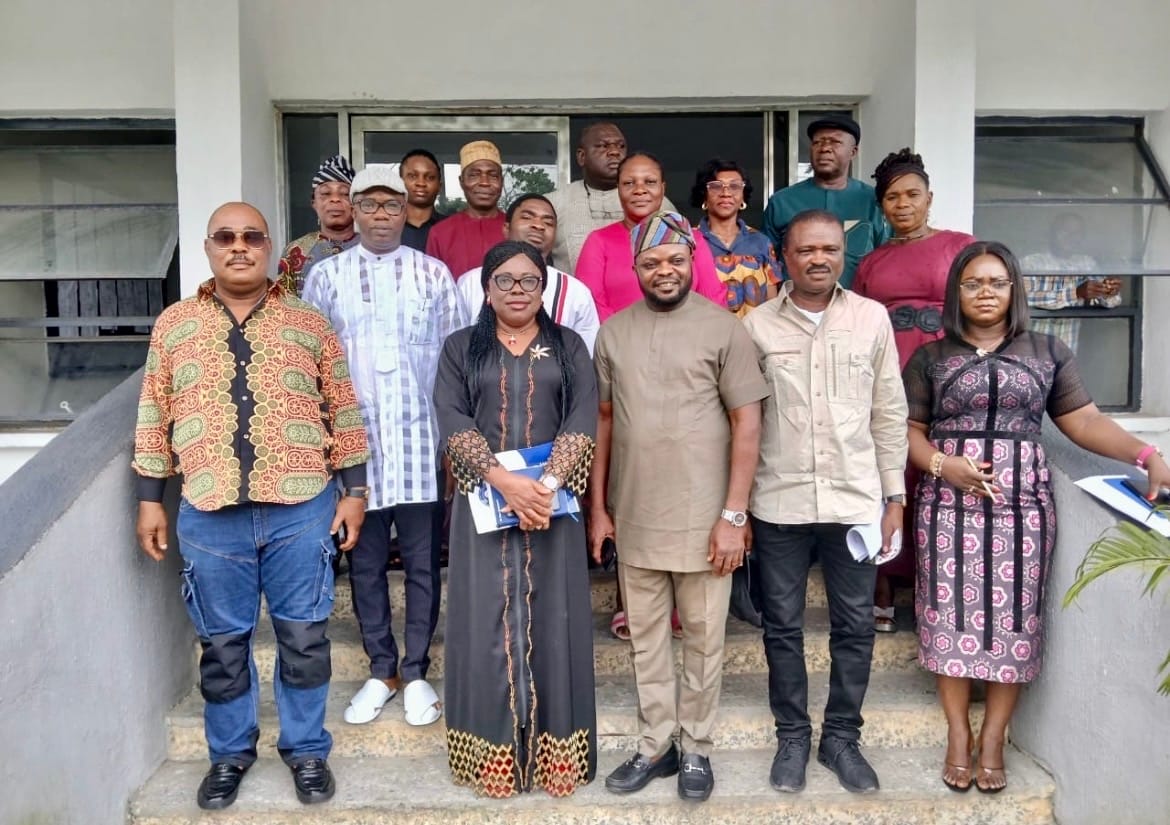
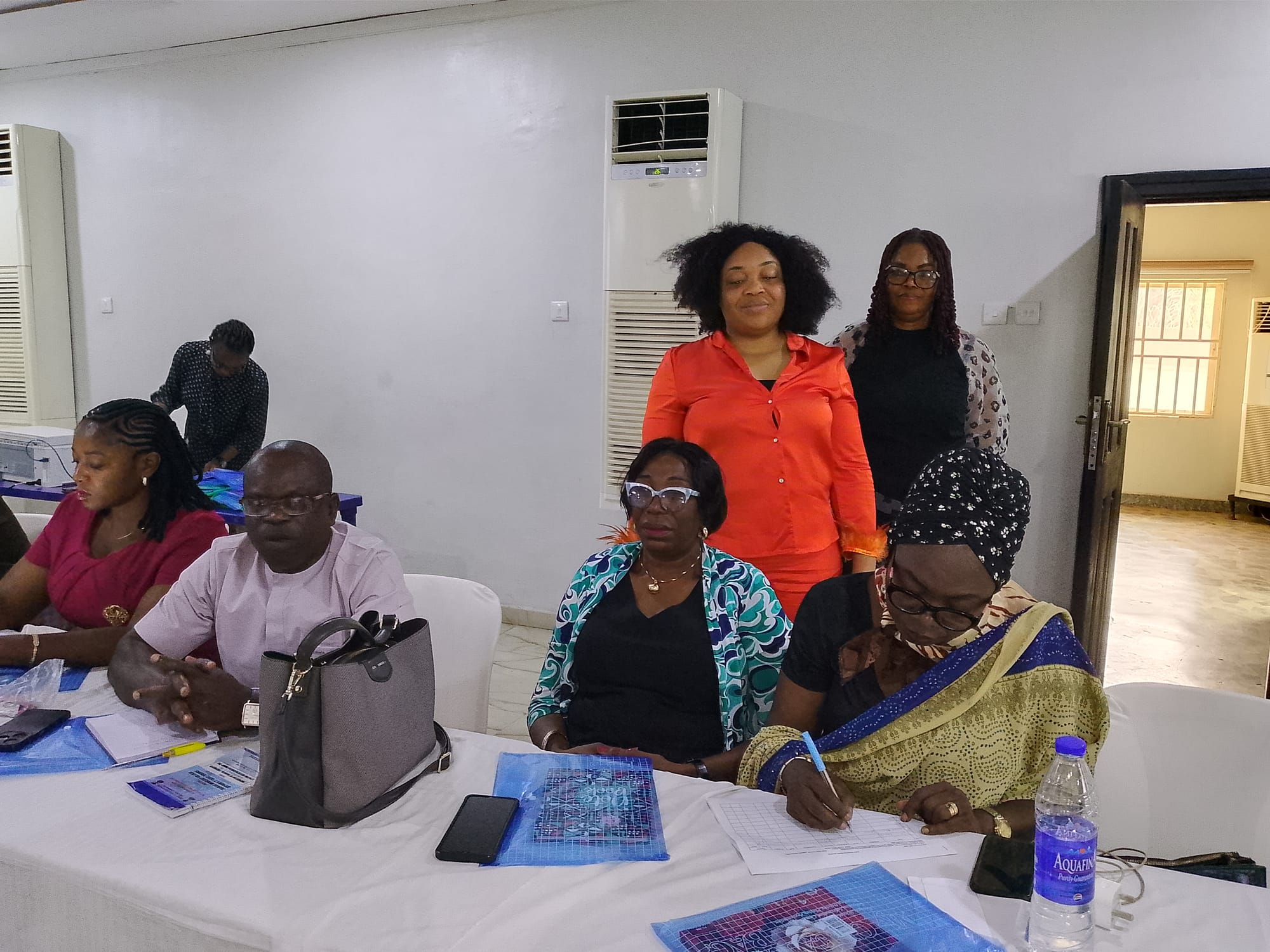
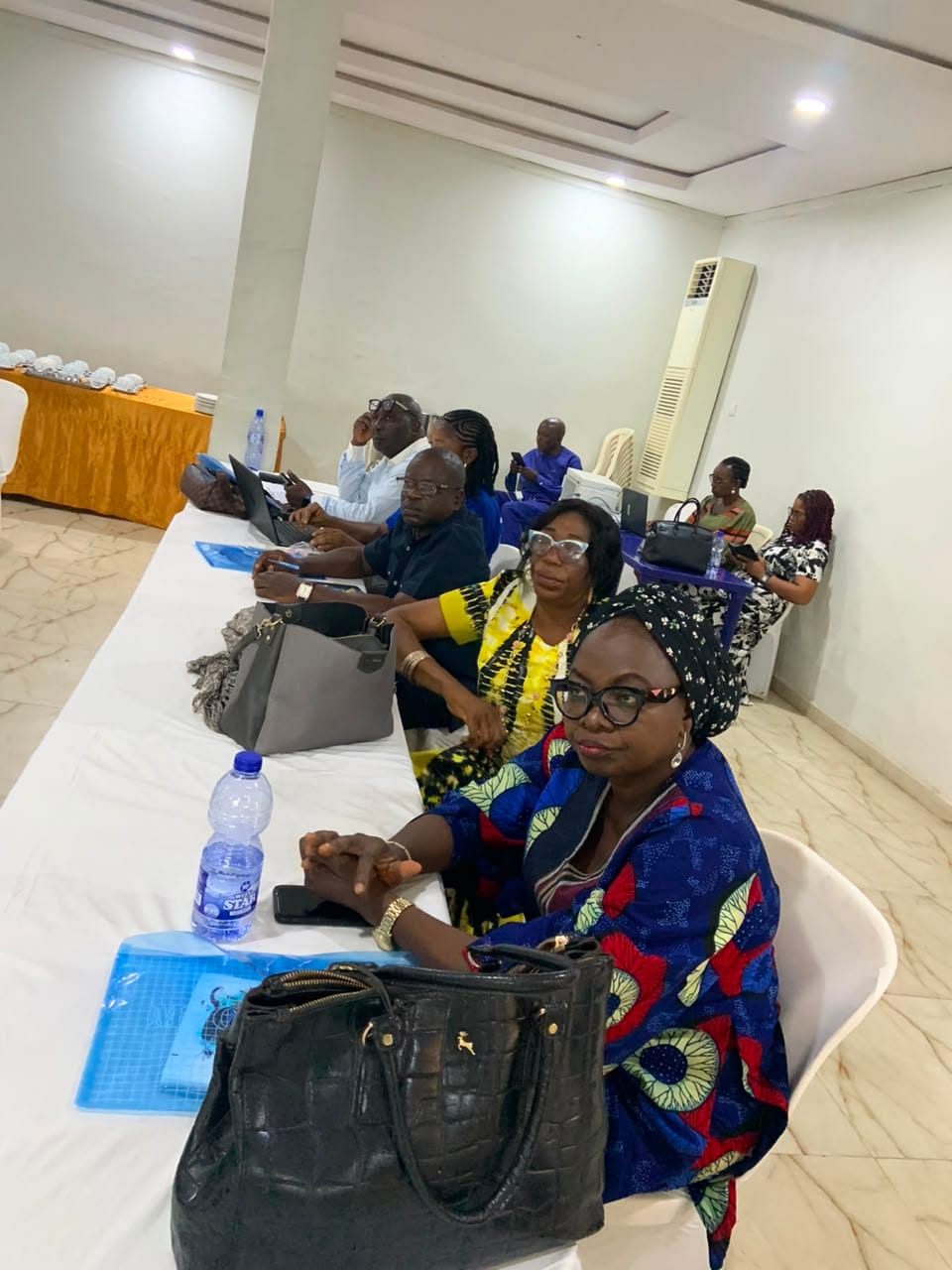
The forum, which brought together participants from the Ministries of Information and Local Government Affairs, alongside academics from the UNICEF Enugu Field Office States of Cross River, Benue, and Enugu, was convened to design a practical Community Action Plan. This plan focuses on enhancing the wellbeing of mothers and the critical first one thousand days of a child’s life, with the goal of statewide implementation.
UNICEF Social Behaviour Specialist, Dr Hillary Ozoh, who gave the charge during the session, emphasised the critical role of community healthcare delivery systems, noting that CAP implementation has proven a suitable platform for reaching the hardest-to-reach children and mothers in communities.
He described investment in community healthcare as a cost-effective and, unarguably, the most sustainable approach to tackling preventable deaths among the target population.
"UNICEF champions community-based primary healthcare as key to reaching zero-dose and under-immunised children," Dr Ozoh said, aligning with the broader goal of achieving Universal Health Coverage.
He stressed that the survival of any society relies on its children, urging relevant Government agencies to take proactive steps to guarantee the wellbeing of future generations by ensuring speedy formulation and implementation of the plan in their respective States.
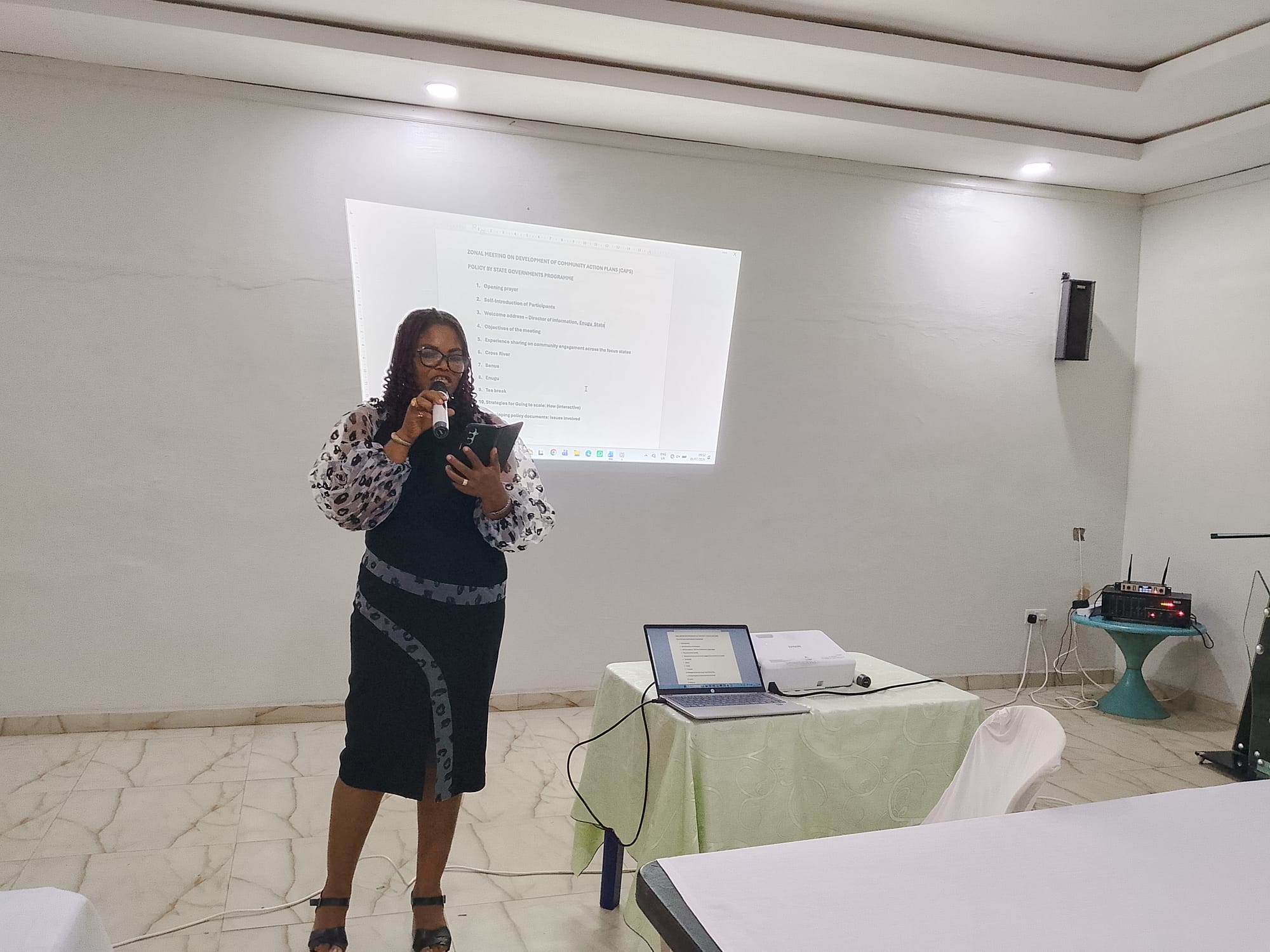
In her welcome remarks, the Director of Information, Enugu State, Mrs Adimora Ugochukwu, underscored the importance of Community Action Plans as a tool for grassroots participation in governance and development.
She expressed the State Government's appreciation to the focus States for honouring the invitation, stating that "your presence here underscores a shared commitment to building sub-national policies that do not just look good on paper, but actively transform lives at the grassroots."
"Benue, Cross River, and Enugu share deep cultural and socio-economic ties, yet each State brings distinct localised challenges and successes to the table.
"This zonal synergy is our greatest strength. Let us use this room to dissect what works, identify communication barriers, and design a policy that gives every community a functional, loud, and effective voice. Note that a policy is only as good as its implementation, and implementation begins with ownership. Let us build a framework that communities can proudly own.
"To our partners at UNICEF, we say a heartfelt thank you for your unwavering technical and financial support. Your commitment to the Nigerian child and vulnerable communities remains a beacon of impactful international collaboration," she added.
Offering insights on the gathering, the resource person, Dr Alexis Tsavmbu, disclosed that the meeting was organised to share experiences on community engagement across the focus states, identify strategies for scaling up the CAPs process, deliberate on the key issues involved in developing CAPs policy documents, and build consensus on a common approach that State Governments would adopt to formulate and implement the plan.
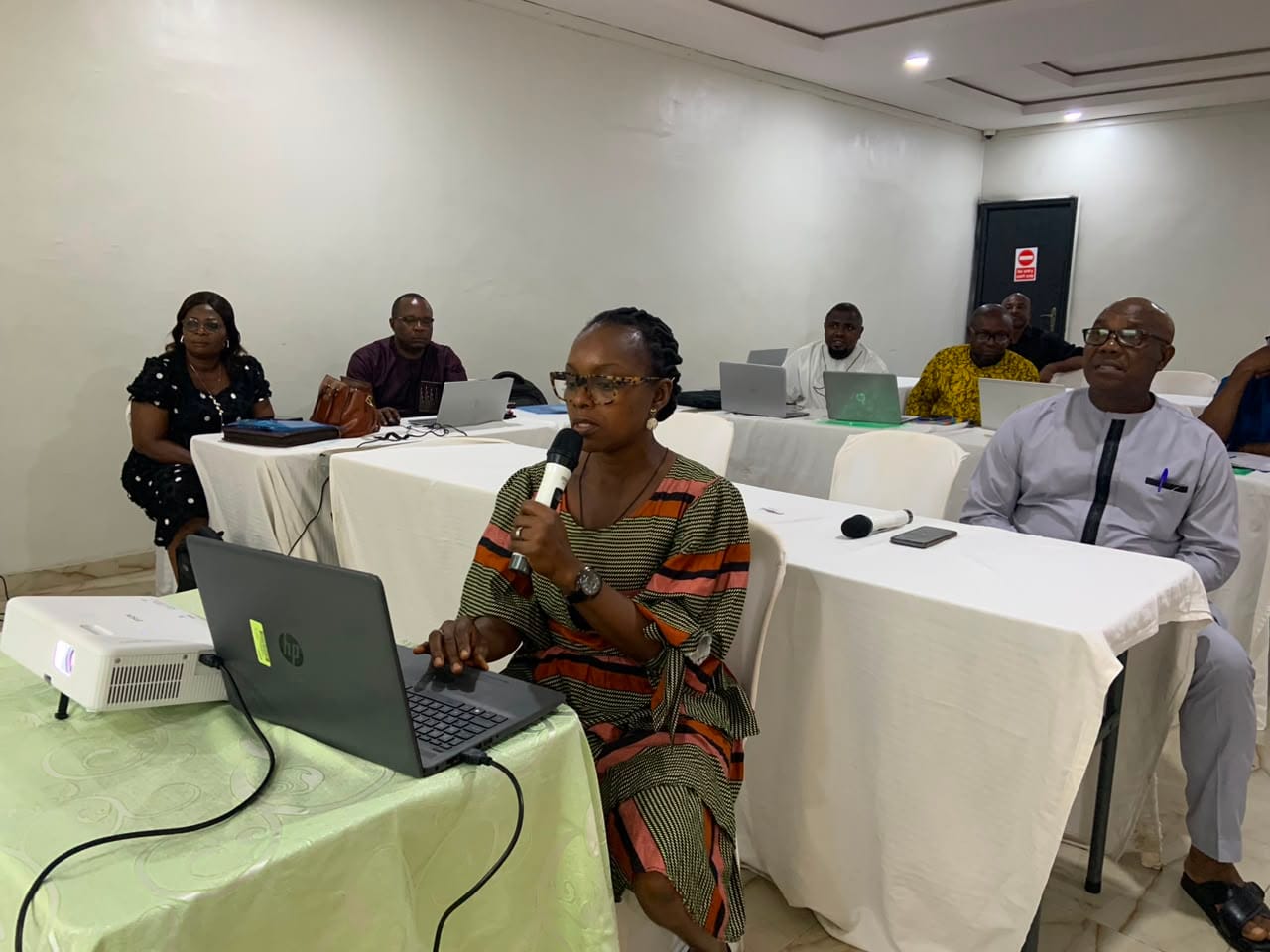
On his part, former Imo State Director of the National Orientation Agency, and senior resource person to UNICEF, Dr Vitus Ekeocha, urged States to treat the policy formulation exercise with utmost dispatch, stating that it will serve as a survival platform for the most vulnerable in society, children and their mothers.
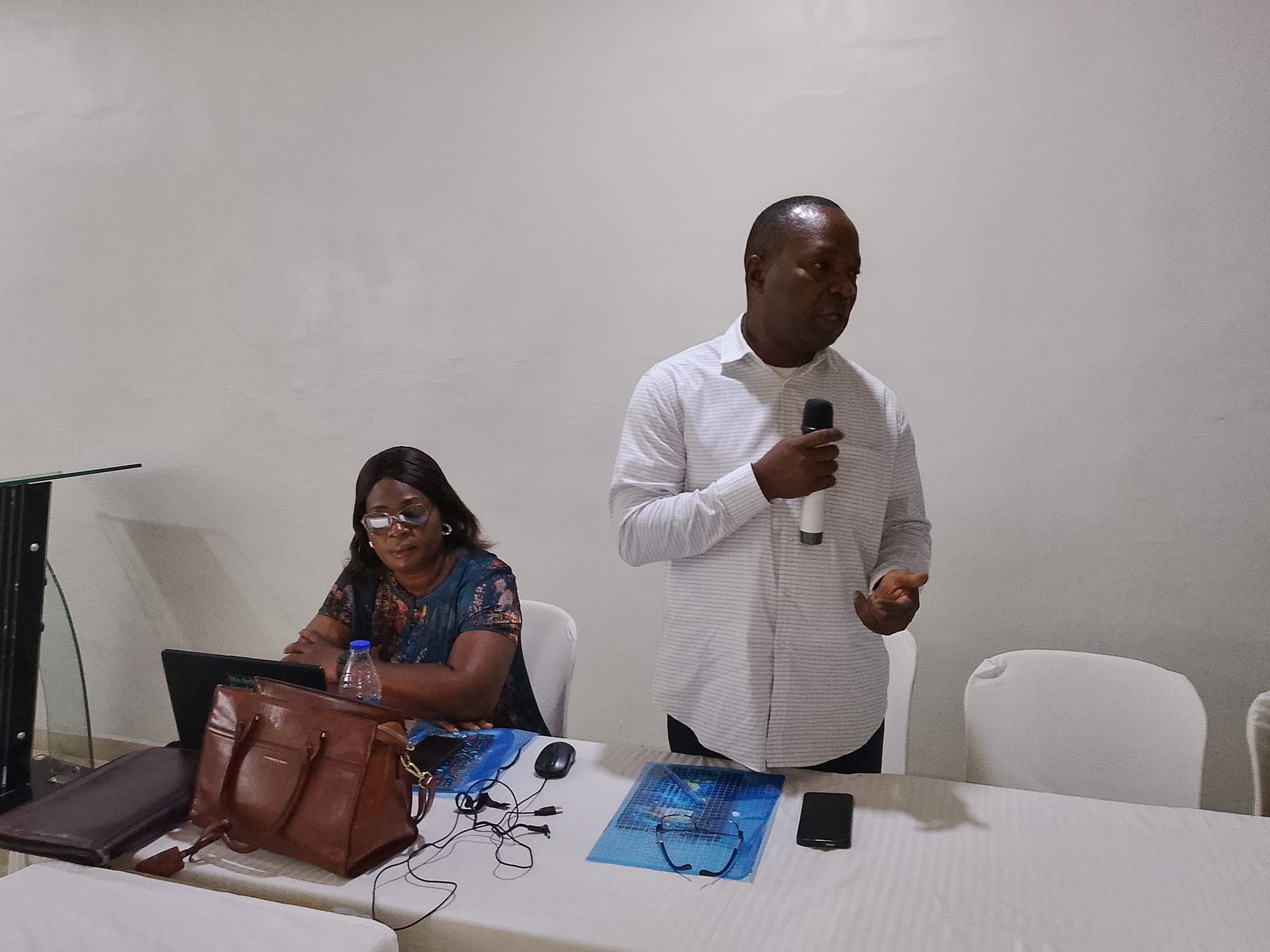
Cross River State team lead and State Director of Information, Mr David Akate, described the exercise as apt and promised to ensure that the Ministry first took ownership of the initiative before persuading the State Government to formulate policy for its implementation, given its impact on the wellbeing of those who need government the most.
By Nakanda Iyadim