
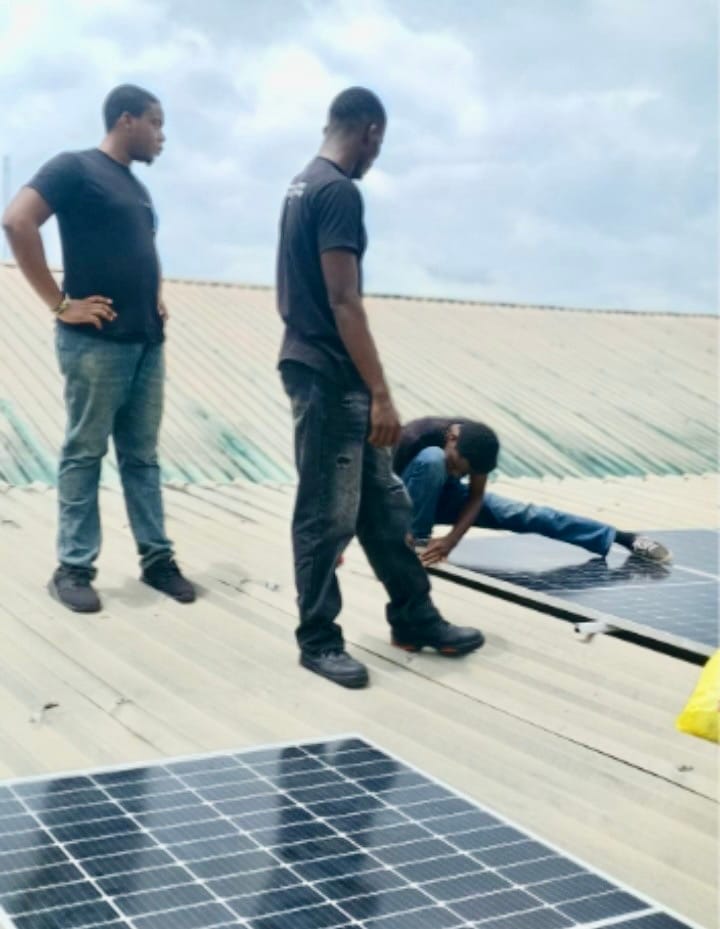
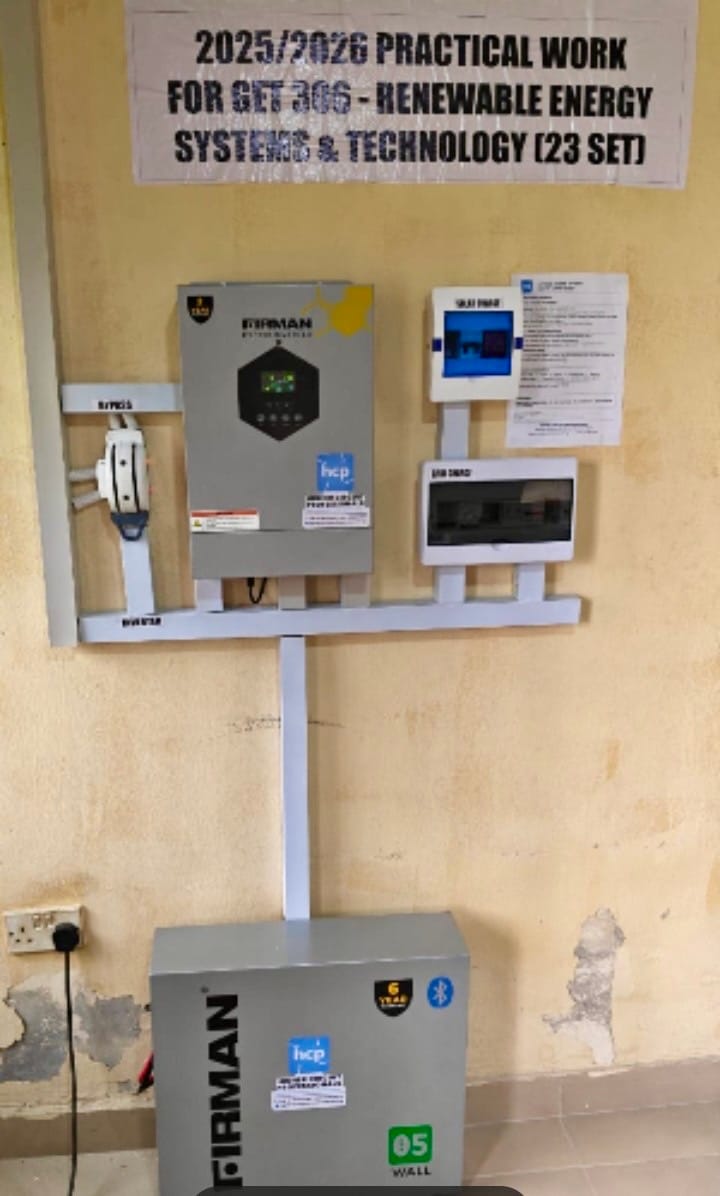
The Faculty of Engineering of the University of Cross River State (UNICROSS) has installed a 6KVA solar power system at the Dean’s Office and adjoining offices to provide reliable electricity and give students hands-on experience in renewable energy technology.
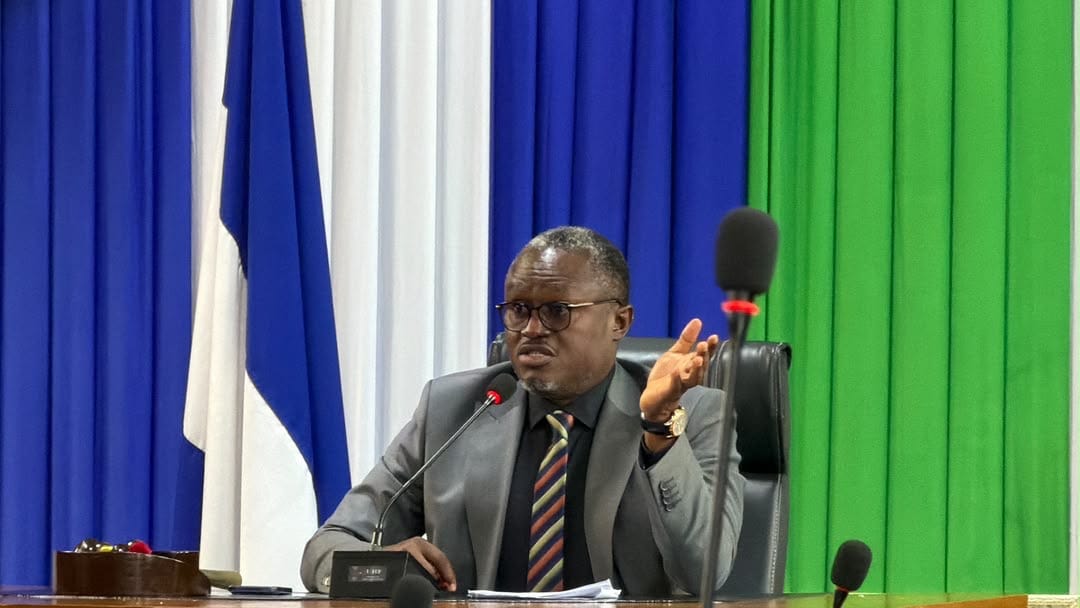
The project, according to the Dean of the Faculty, Engr. Prof. Simon Ogbeche Odey, was conceived and executed as part of the practical requirements for GET 306 – Renewable Energy Systems and Technology.
Odey said the project was designed in line with the Course Learning Outcomes prescribed by the Council for the Regulation of Engineering in Nigeria (COREN) and the National Universities Commission (NUC), with the aim of exposing students to the practical application of renewable energy principles.
He explained that the installation would help bridge the gap between classroom instruction and practical experience by providing students with a functional renewable energy system within the Faculty.
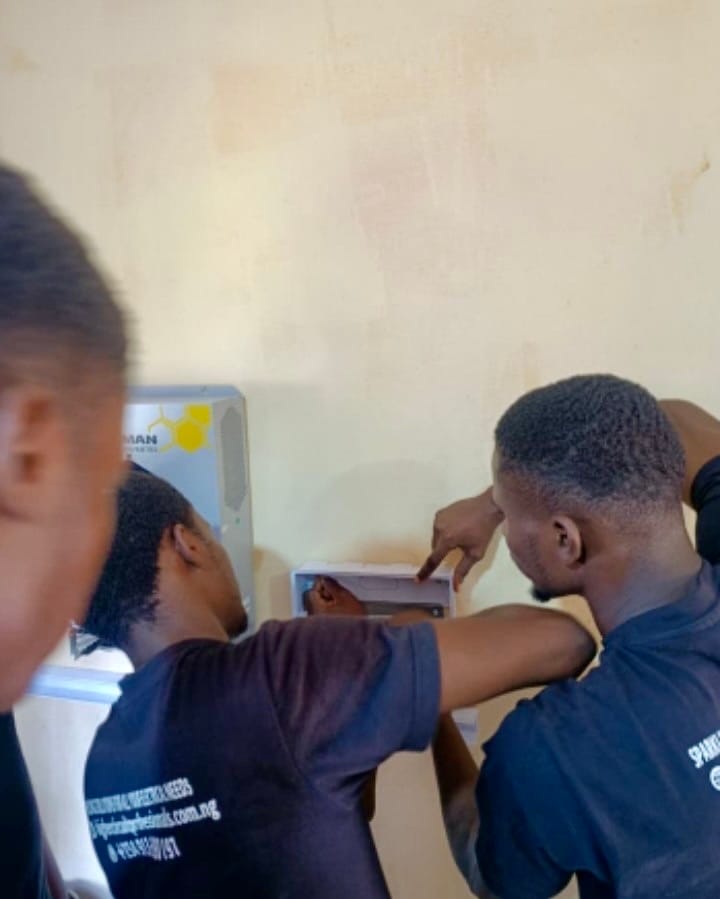
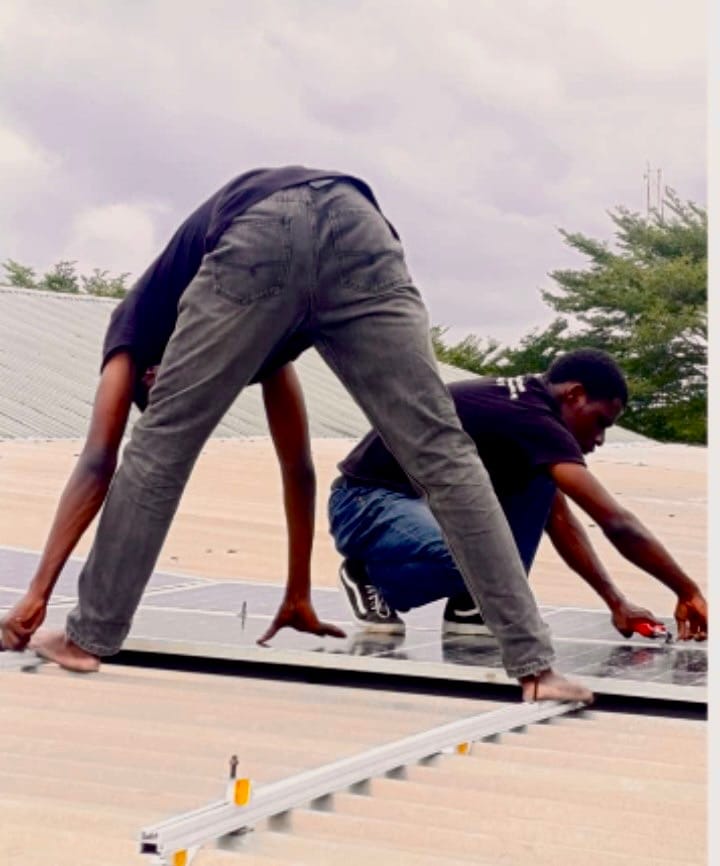
The system comprises 4.7kWp solar panels, a 6kW hybrid inverter, 5kWh battery storage and other accessories, and was professionally installed and tested for efficient operation.
According to the Dean, the system is currently supplying uninterrupted power to essential loads within the Deanery, including lighting, computers, printing equipment and other critical facilities.
Beyond its power supply function, Odey said the installation would serve as a practical laboratory where students could acquire first-hand experience in solar power system design, sizing, installation, operation and maintenance.
He said students would also use the system as a practical case study for load analysis, system design and cost-benefit evaluation, while the facility would encourage research and innovation in renewable energy within the Faculty.
Odey, who is also the Dean of Deans, said the project demonstrated the Faculty’s commitment to practical and experiential learning, as well as the promotion of sustainable energy solutions across the University.
He added that the installation would reduce the Deanery’s dependence on public electricity supply and the University’s generator, while ensuring more stable power for essential academic and administrative activities.
The Faculty of Engineering expressed appreciation to the Vice Chancellor for the opportunity to contribute to the University’s academic and technological development, pledging continued support for efforts that promote practical engineering education and innovation.
By Kingsley Agim