

…Govt approves 30 million subsidised seedlings, targets jobs, global markets and coffee tourism
The Cross River State Government has unveiled an ambitious Coffee Revolution designed to open a new export frontier for the state by transforming coffee into a major foreign exchange earner, creating thousands of jobs and positioning Cross River as Nigeria’s leading coffee-producing state. Central to the initiative is the distribution of 30 million subsidised coffee seedlings to smallholder farmers under a seven-year strategic plan spanning 2024 to 2032.
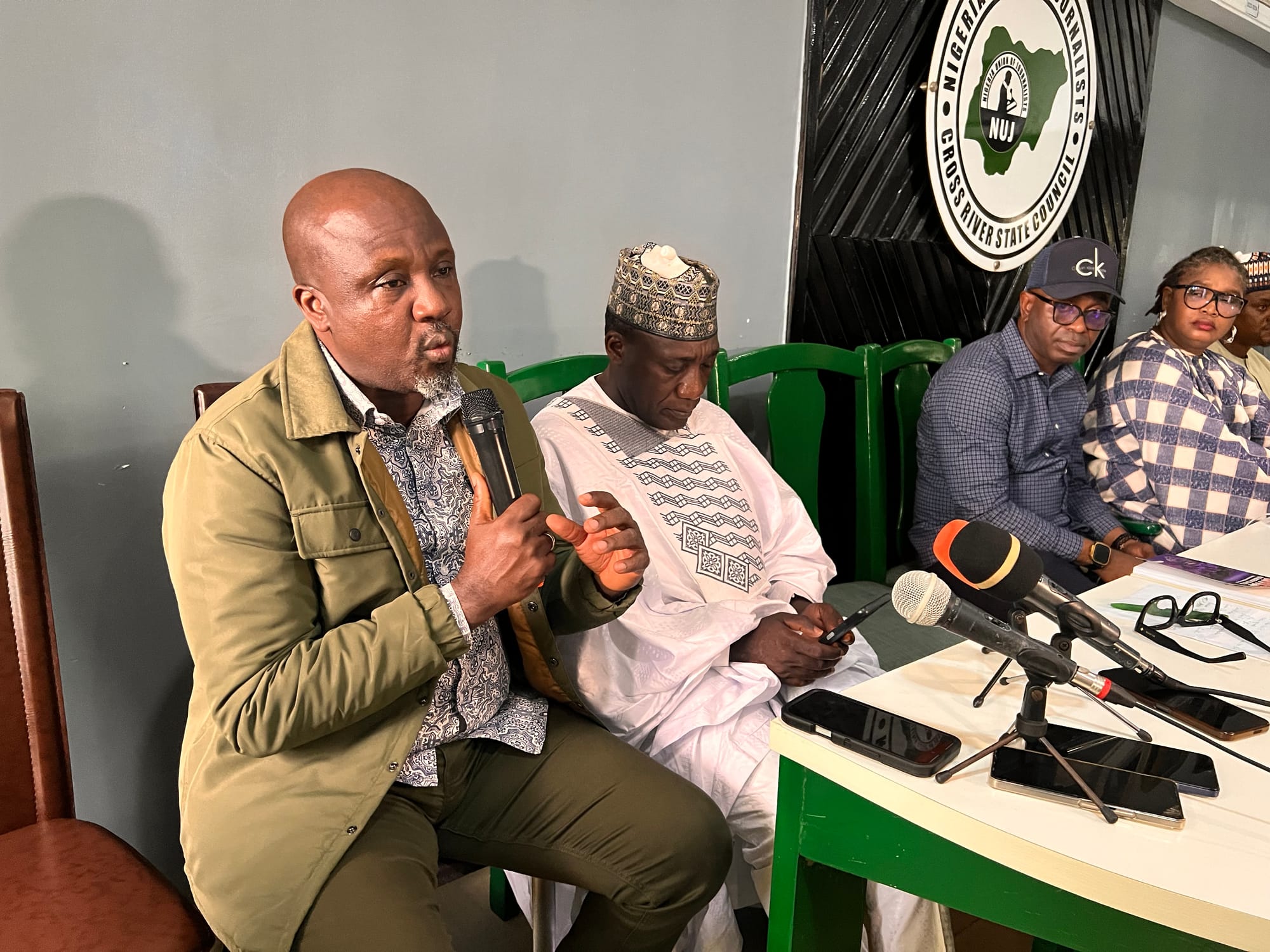
Speaking at a press briefing at the Nigeria Union of Journalists (NUJ) Press Centre in Calabar, the Commissioner for Agriculture and Irrigation Development, Hon. Johnson Andiambey Ebokpo, described the initiative as a strategic intervention of Governor Bassey Edet Otu’s administration to diversify the state’s export economy by establishing coffee alongside cocoa and oil palm as a major cash crop under the People First Agenda.
He said the programme, which will cover approximately 27,000 hectares of farmland, represents the first deliberate effort in decades to establish another globally competitive export crop in Cross River since the creation of cocoa estates in the old Eastern Region under the late Dr. Michael Okpara.
According to the commissioner, implementation began in 2025 with the distribution of one million seedlings before the exercise was paused due to the close of the planting season. Government, he said, will distribute an additional four million seedlings during the current planting season as part of a programme built around smallholder farming and commercial plantation development. He added that a statewide farmers’ enumeration exercise, supported by the Office of the First Lady and Lingzhi Global Nigeria Limited, has already been completed, with special emphasis on mobilising women, who constitute the majority of coffee producers in leading coffee-producing countries.
Ebokpo disclosed that the Coffee Revolution is anchored on five strategic pillars covering institutional reforms, production, post-harvest processing, marketing and access to finance, as well as sustainability and quality standards. He said Cross River’s favourable ecology supports both Arabica and Robusta coffee varieties, with Arabica earmarked for Obudu, Obanliku and parts of eastern Boki, while Robusta will be cultivated across virtually every part of the state, including Bakassi. He assured that coffee cultivation would be restricted to traceable lands outside forest reserves in line with international sustainability standards.
To strengthen the value chain, the commissioner said local government councils would establish communal washing stations and drying facilities, while the state government has transmitted Executive Bills to the House of Assembly to establish a Three-Crop Development Agency and amend the Produce Law. He also announced plans for a Coffee Commodity Exchange to connect farmers directly with buyers and guarantee better returns, alongside partnerships with international institutions to improve productivity, support research and expand market access. Government, he added, also intends to promote coffee tourism and establish innovation hubs to enable young entrepreneurs to process and export premium Cross River coffee.
The Commissioner for Information, Dr. Erasmus Ekpang, said the Coffee Revolution reflects Governor Otu’s deliberate strategy to diversify Cross River’s economy through agriculture by expanding the state’s portfolio of export-oriented cash crops. He noted that the programme is founded on scientific planning, including the mapping of suitable soils and ecological zones, and complements the administration’s earlier interventions in cocoa and oil palm development. He expressed confidence that the initiative would establish Cross River as one of Nigeria’s foremost coffee-producing and exporting states while creating sustainable jobs and improving rural livelihoods.
Director General of the Cross River State Geographical Information Agency (CRGIA), William Archibong Snr., disclosed that the agency has digitally mapped about 19,000 hectares of coffee, cocoa and oil palm farms, with approximately 17,000 farmers already captured on the state’s digital platform. He said the mapping exercise will support compliance with the European Union Deforestation Regulation (EUDR), improve transparency and strengthen access to premium export markets.
Chairman of the Cross River State Forestry Commission, Rt. Hon. George O’ben-Etchi, PhD, assured stakeholders that the Coffee Revolution would not result in encroachment into protected forest reserves, stressing that Governor Otu has directed that agricultural expansion must take place only on suitable community lands outside protected forests.
Representing the Chairman of the House Committee on Agriculture, Hon. Samuel Neji Abang, disclosed that the Executive Bills have passed first and second readings and will soon undergo public hearings, while Queen Eton, representing the First Lady, Bishop Eyoanwan Otu, said women across the state’s 18 local government areas have been mobilised and trained to play a central role in the coffee value chain.
President of the National Coffee and Tea Association of Nigeria (NACOFTAN), Dr. Hassan Usman Kakara, commended Governor Otu for demonstrating uncommon commitment to reviving Nigeria’s coffee industry, while the Chief Executive Officer of Lingzhi Global Nigeria Limited, Mrs. Blessing Nanman, announced plans to establish coffee cooperatives, a Coffee Academy, coffee festivals and coffee shops, as well as connect Cross River farmers directly to global markets.
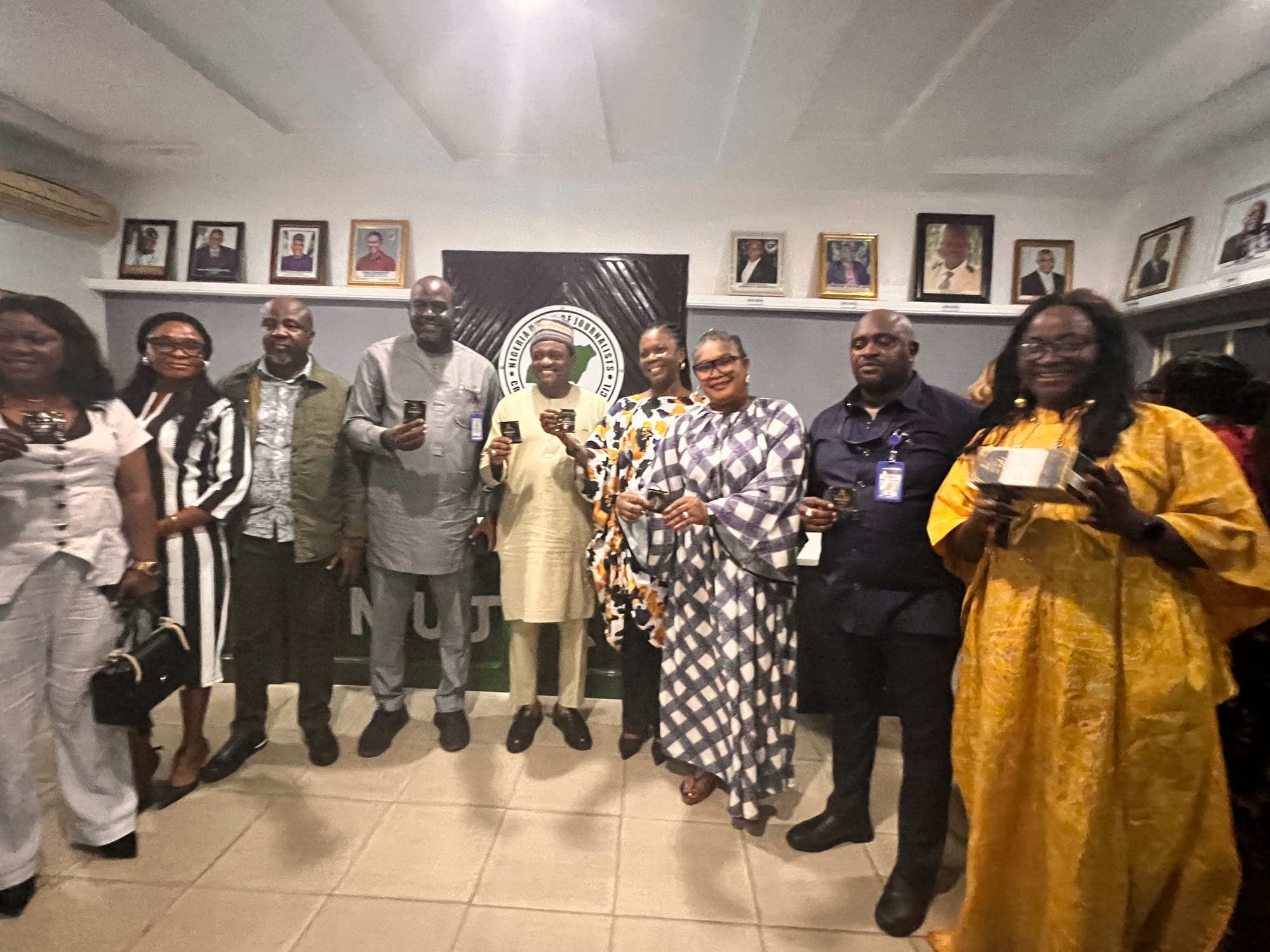
The briefing was attended by the Deputy Press Secretary to the Governor, Mr. Edem Darlington, Chairman of the Nigeria Union of Journalists, Comrade Archibong Bassey, and other stakeholders, who expressed optimism that the Coffee Revolution would boost foreign exchange earnings, create employment, strengthen rural economies and firmly establish Cross River as a major player in Africa’s rapidly growing coffee industry.






By Kingsley Agim and Blessing Enagu