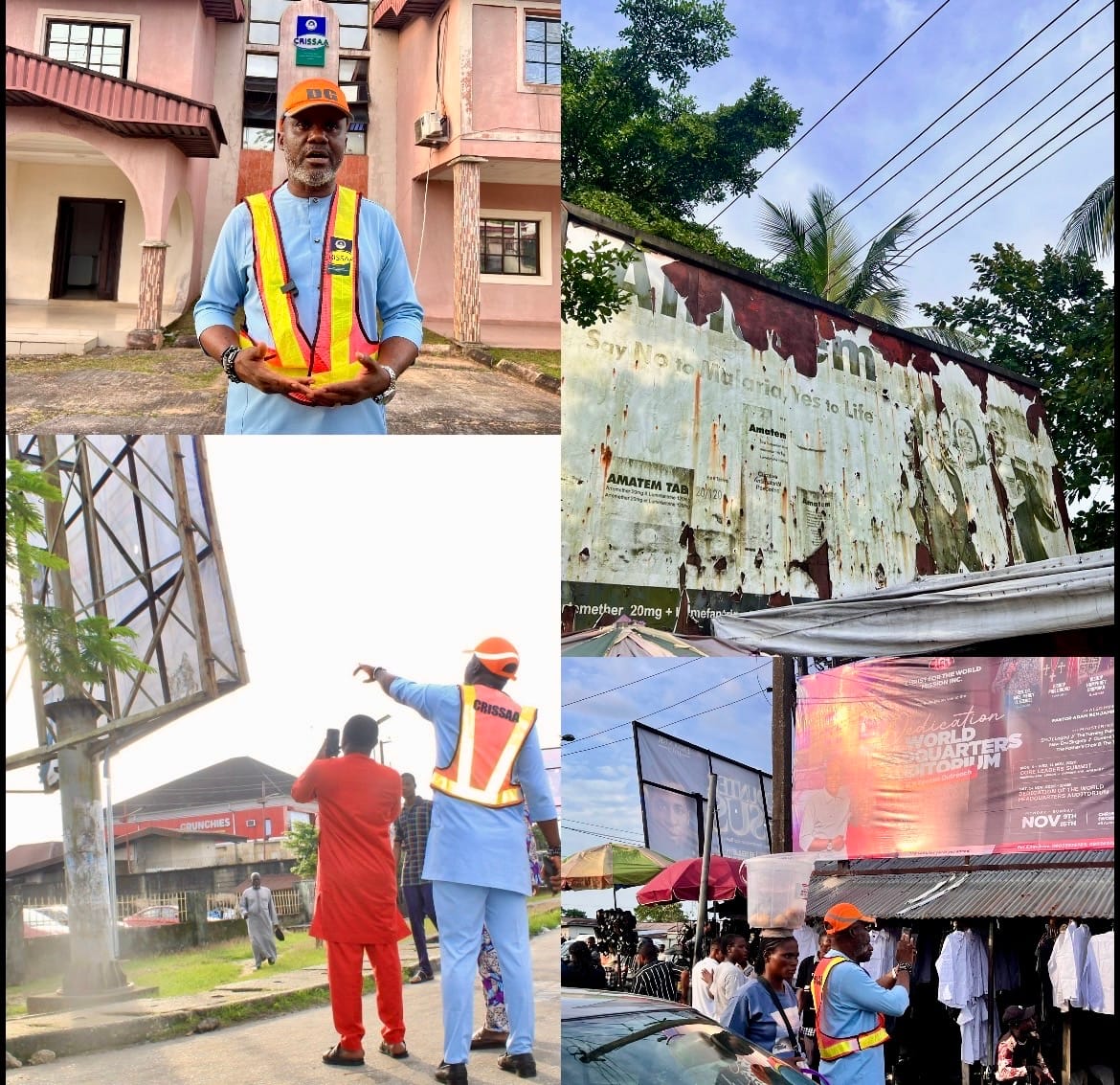
The Cross River State Signage and Advertising Agency (CRISSAA) has given advertisers operating billboard and signage structures across Calabar metropolis 72 hours before commencing the removal of advertising materials from affected structures to enable them to undertake necessary repairs and address identified safety concerns.
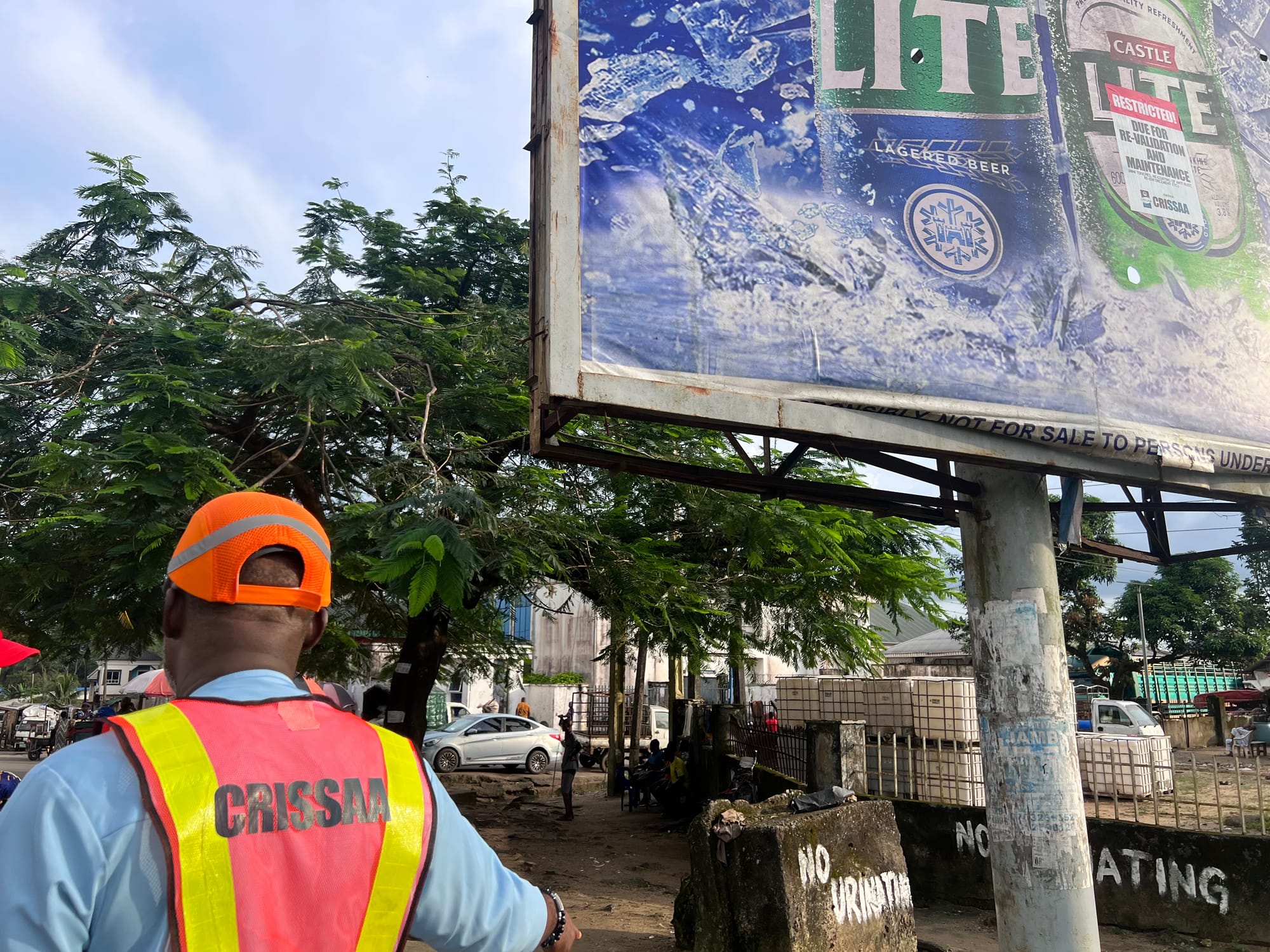
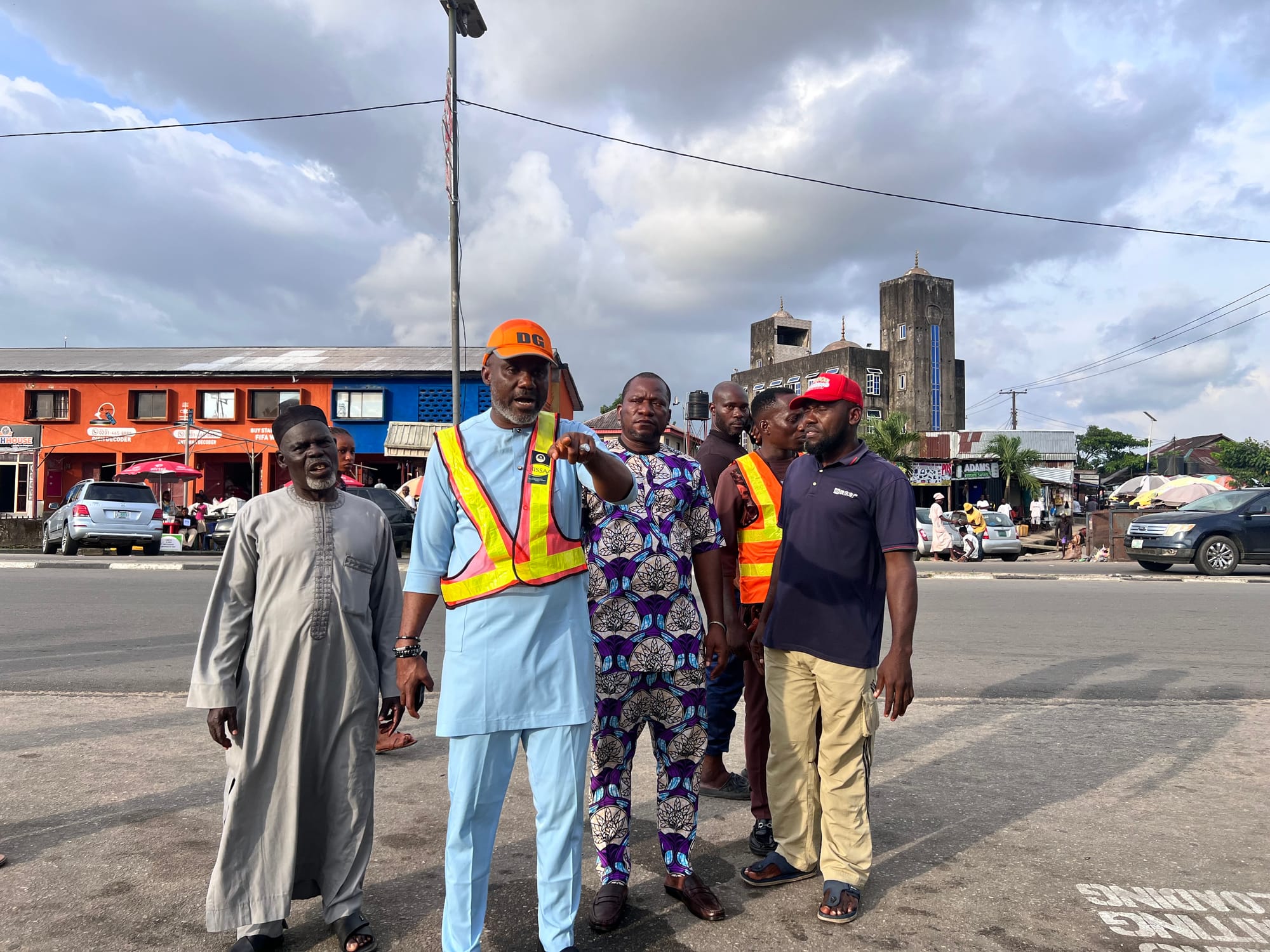
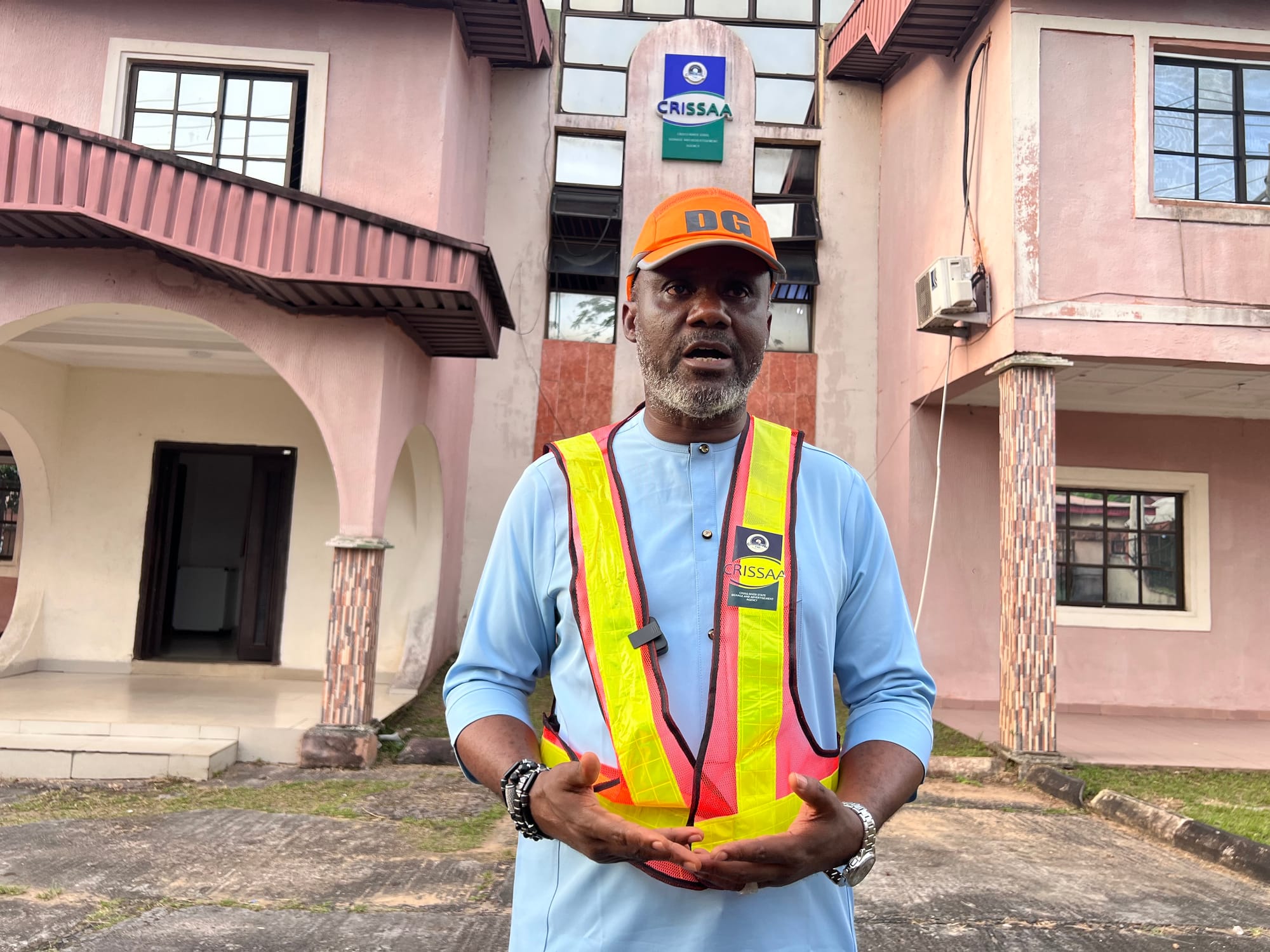
The Director-General of CRISSAA, Mr. Ubong Sam, disclosed this on Monday during an inspection of advertising structures across the metropolis, where he identified billboards requiring structural reinforcement, repairs and revalidation to prevent accidents and protect lives and property. He explained that removing the advertising materials would give operators the opportunity to fix the affected structures in liaison with the agency.
Sam said CRISSAA had previously communicated its concerns to affected advertisers through its Commercial Department, with some operators and their representatives responding to the notices. However, he expressed concern that some had yet to take the necessary steps to address the identified defects, stressing that compliance with safety requirements would not be compromised.
“Whatever a client pays as remittance to government coffers is nothing compared to the lives and properties of the citizenry,” he said, emphasising that public safety remained more important than revenue from outdoor advertising.
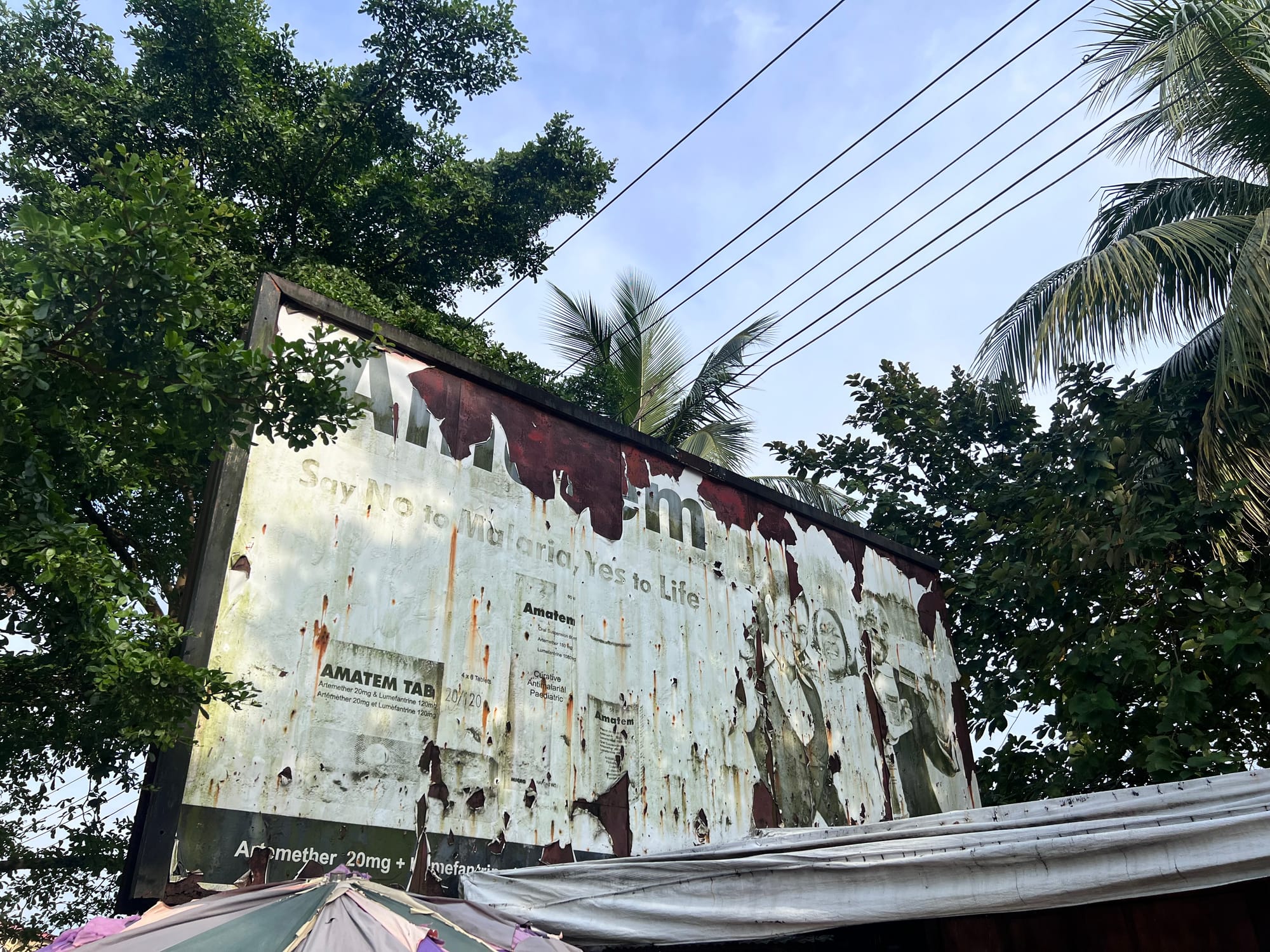
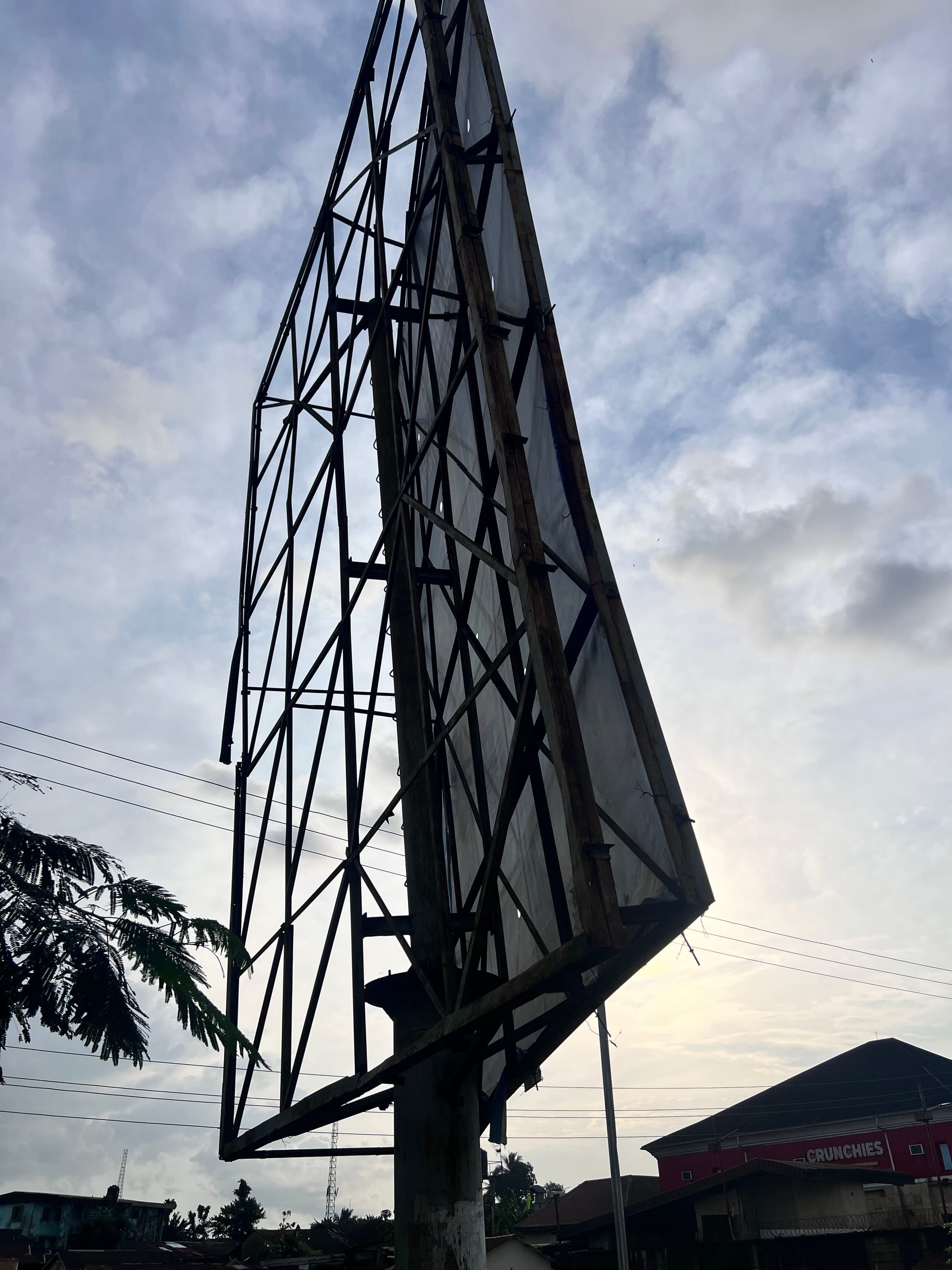
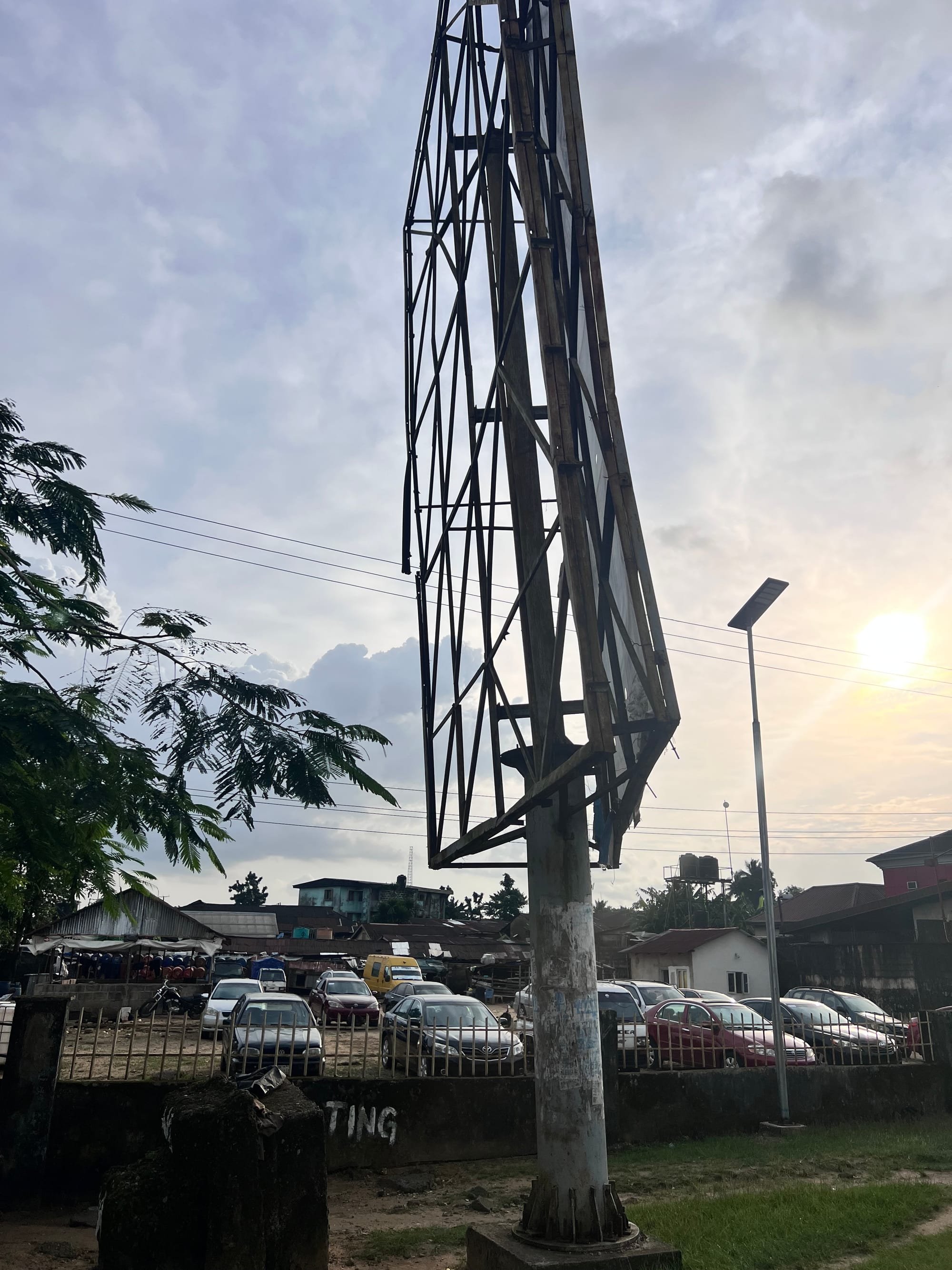
The CRISSAA boss identified ageing structures, corroded metal components, weakened joints and inadequate reinforcement as some of the defects requiring urgent attention. He explained that prolonged exposure to environmental conditions could weaken billboard structures and increase the risk of collapse, particularly during strong winds and thunderstorms. He added that some installations required rewelding, reinforcement of joints or replacement of damaged components to restore their stability.
On the need for regular maintenance, Sam said billboard structures generally required thorough structural revalidation after about 10 years, depending on their condition and the quality of the original construction. However, he noted that structures in areas with more aggressive environmental conditions, including locations exposed to salty water, might require revalidation every five years. He said proper assessments should include structural integrity tests, repairs, protective coatings and the replacement of weakened components.
He also expressed concern about poor construction techniques and inadequate structural support, explaining that some billboard frames lacked the necessary reinforcement to distribute weight properly. According to him, excessive structural loads, deteriorating joints and inadequate bracing could cause installations to collapse, endangering residents, traders, road users and adjoining properties.
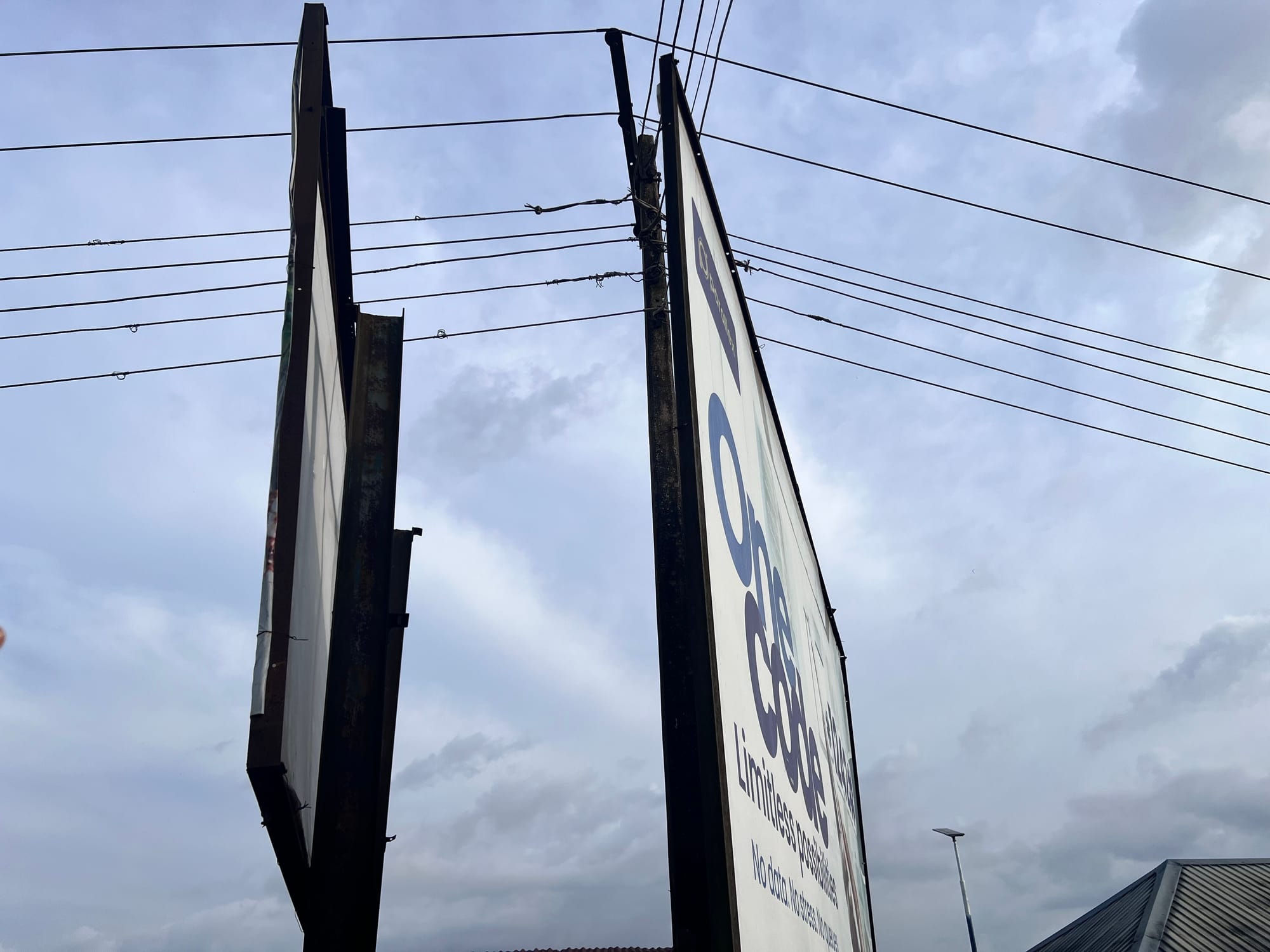
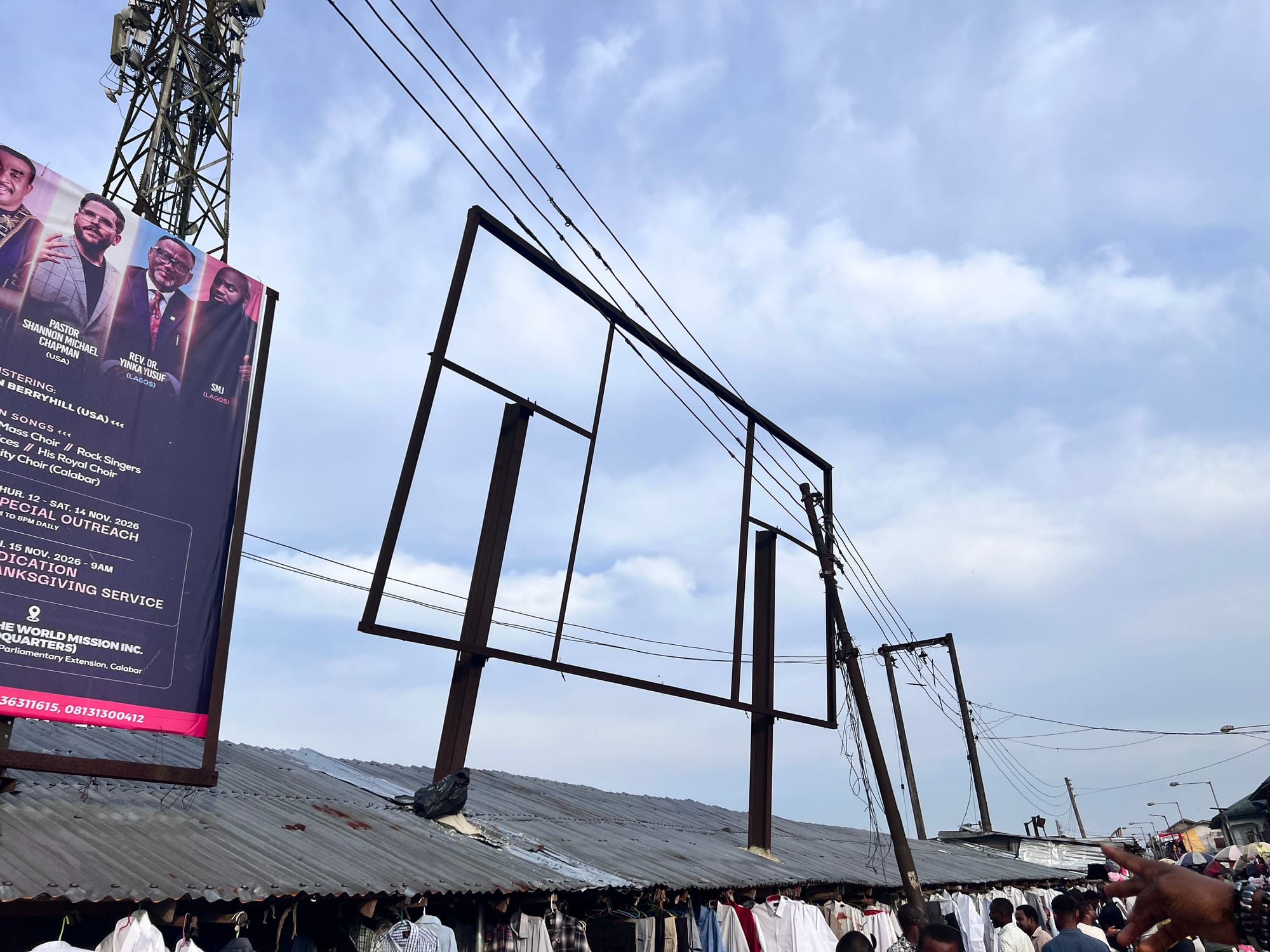
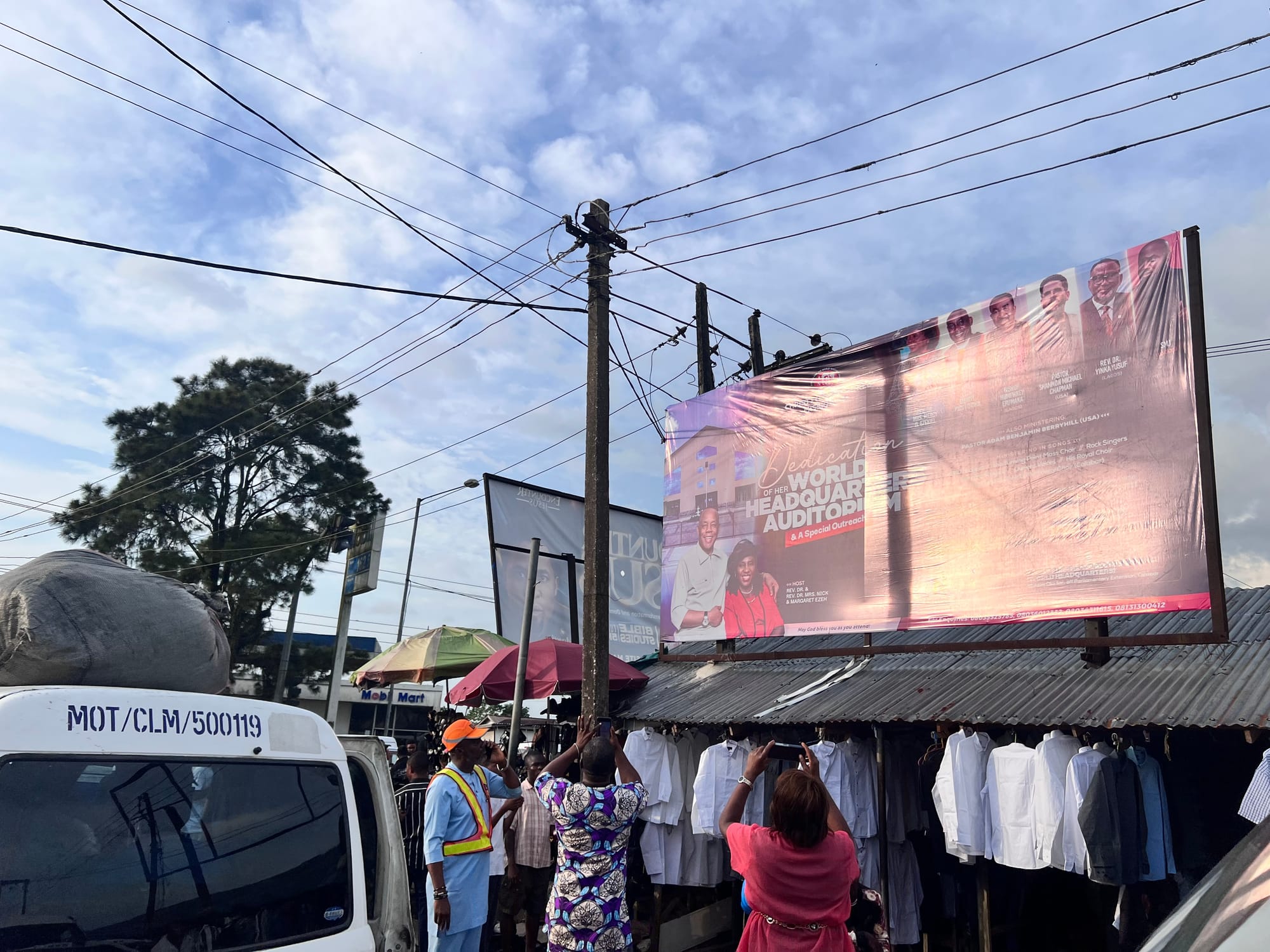
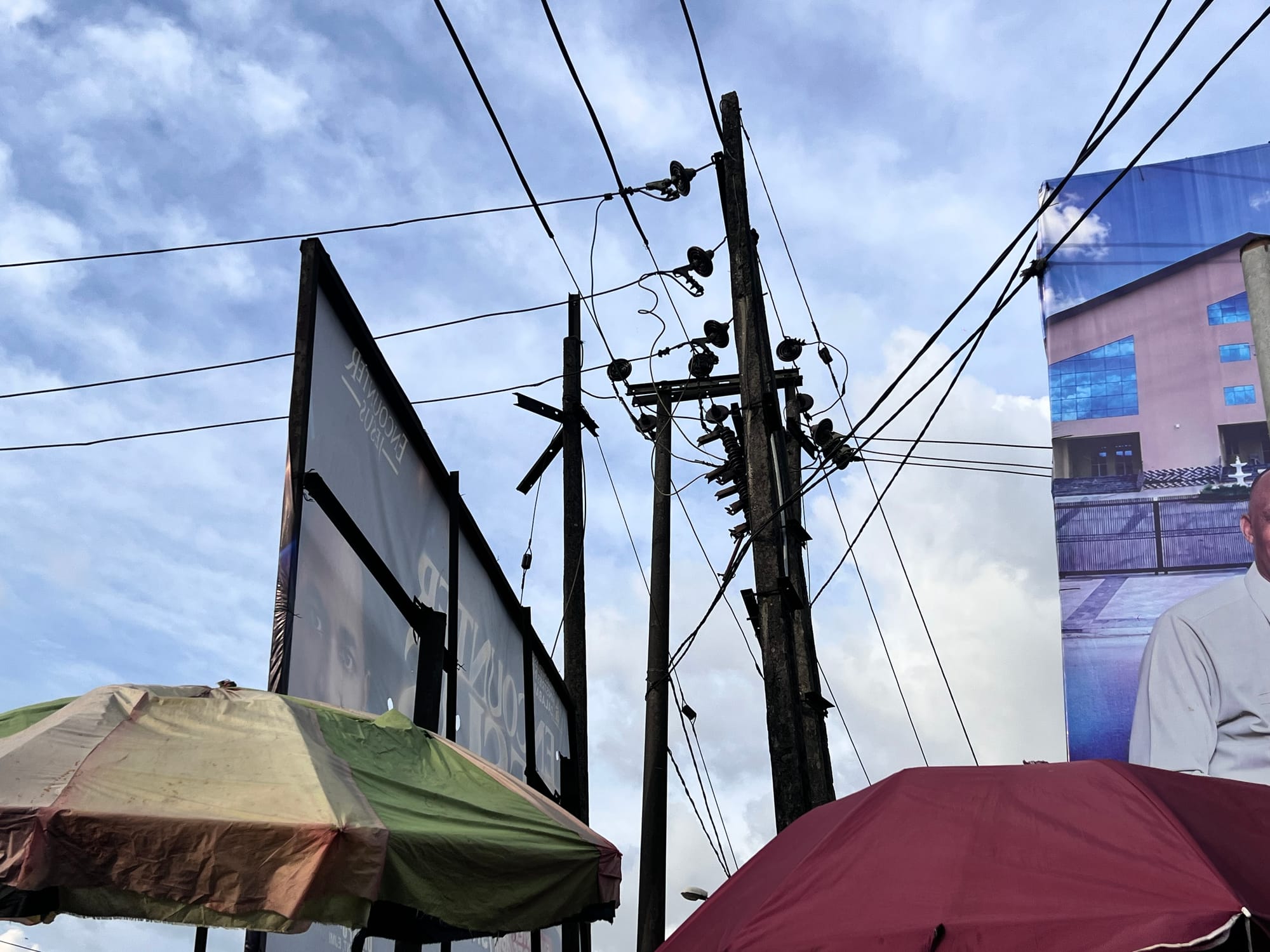
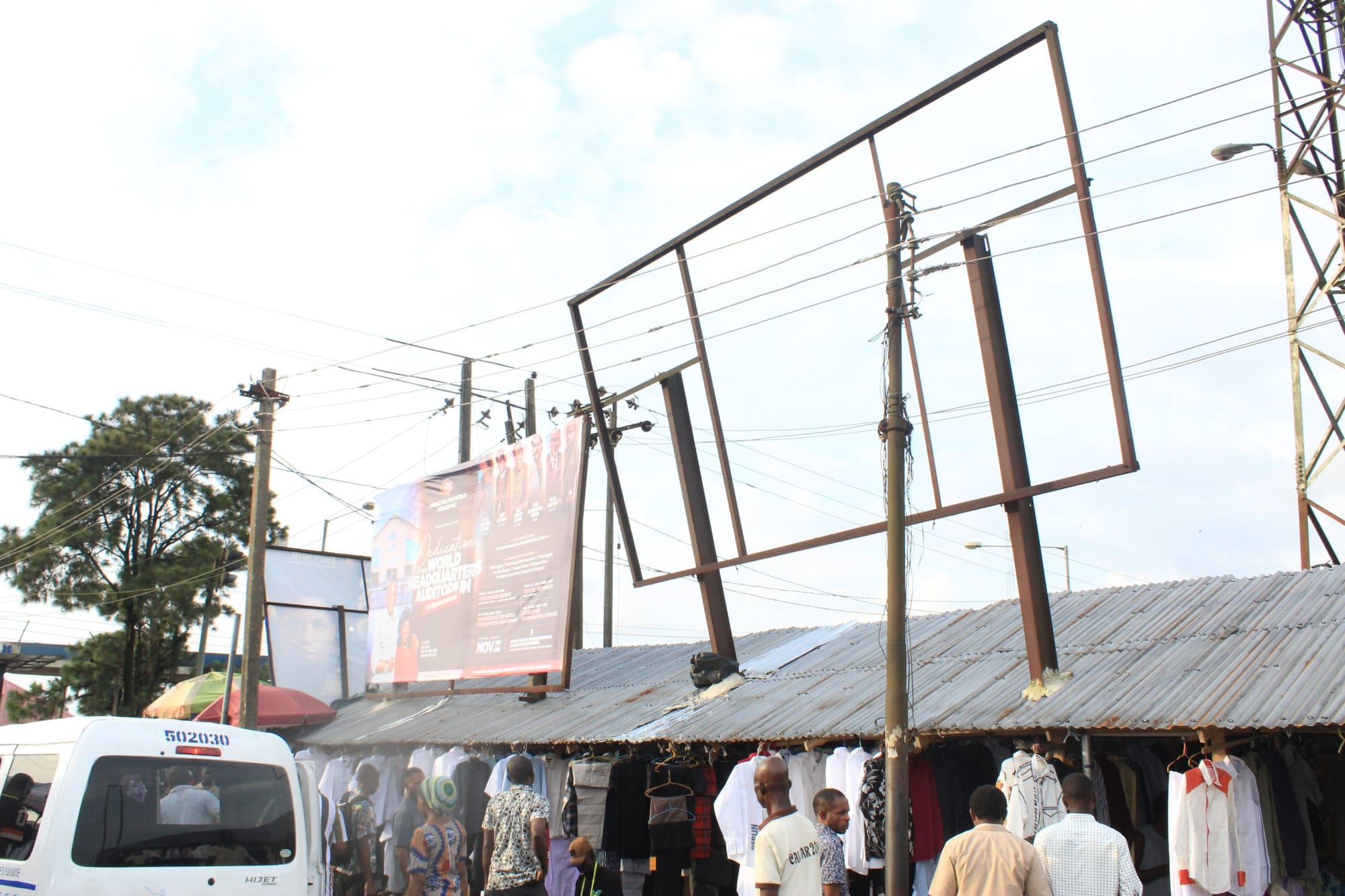
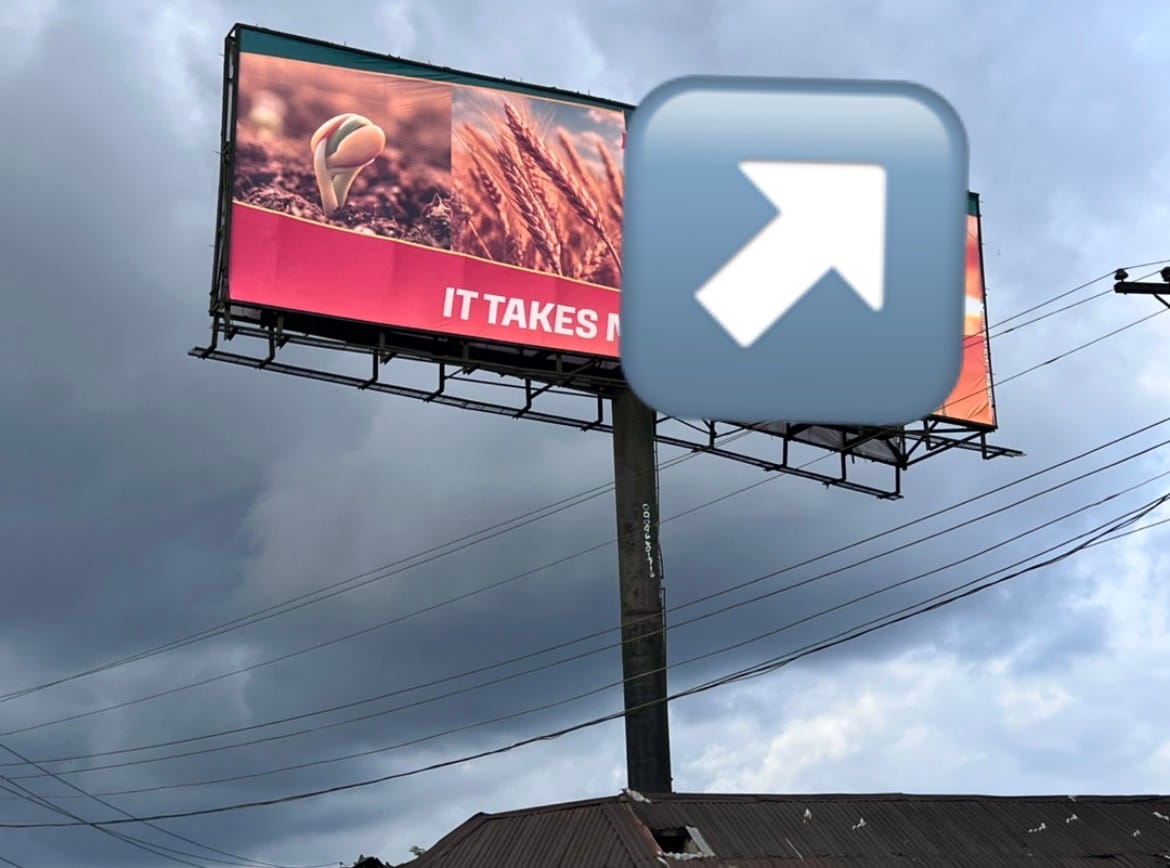
Sam raised particular concerns about billboard structures in contact with or dangerously close to electricity lines and cables, describing makeshift insulation and improvised materials used by some operators as unsafe. He warned that such practices could expose members of the public to serious hazards, especially during adverse weather conditions.
To address the risks associated with electricity installations, the Director-General disclosed that CRISSAA had written to the relevant power distribution company to provide technical personnel to assist in locations where billboard structures had contact with electricity lines and cables. He said their involvement would ensure that appropriate safety measures, including power disconnection where necessary, were taken to protect lives and property while the affected structures were being repaired.
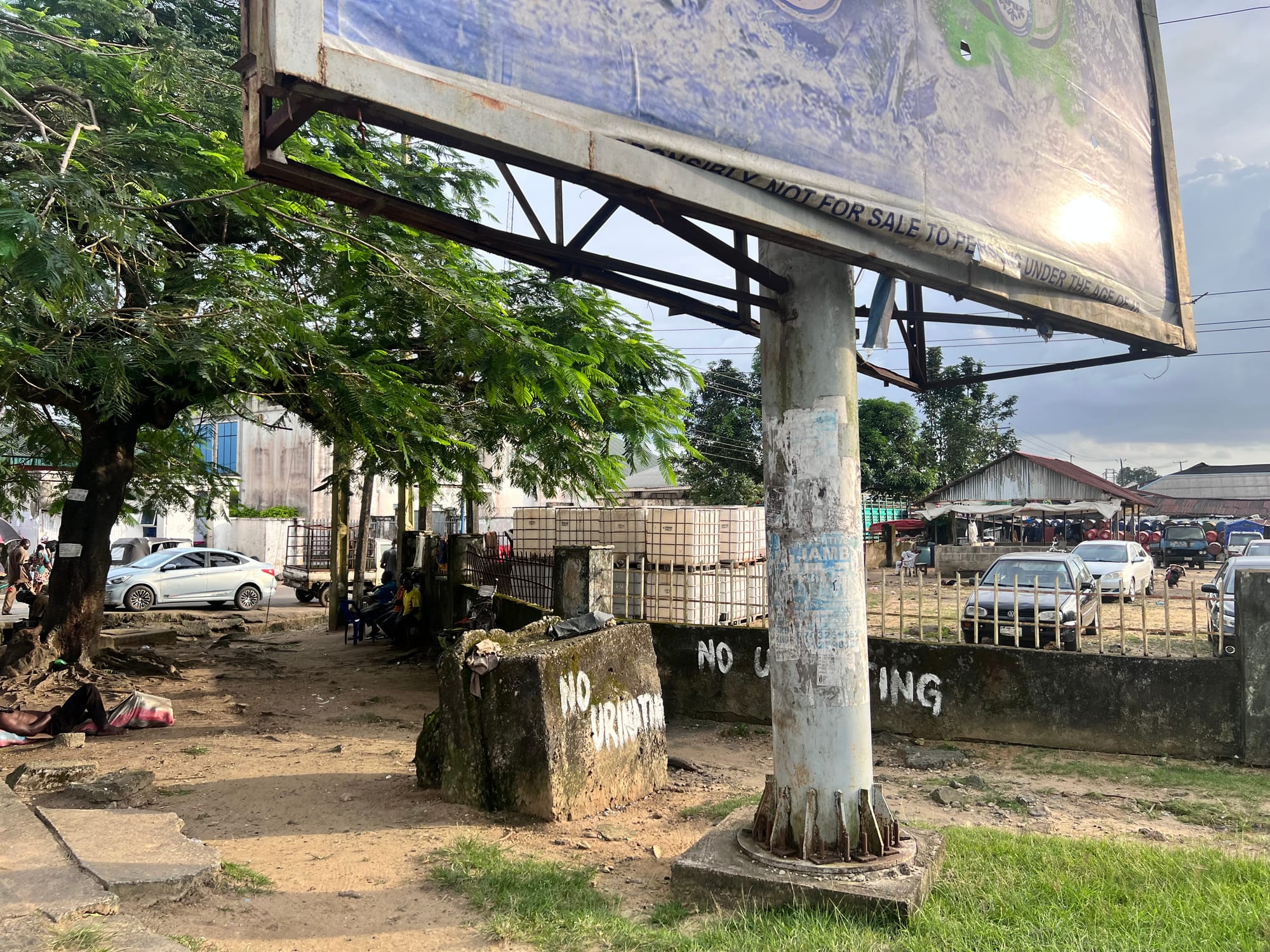
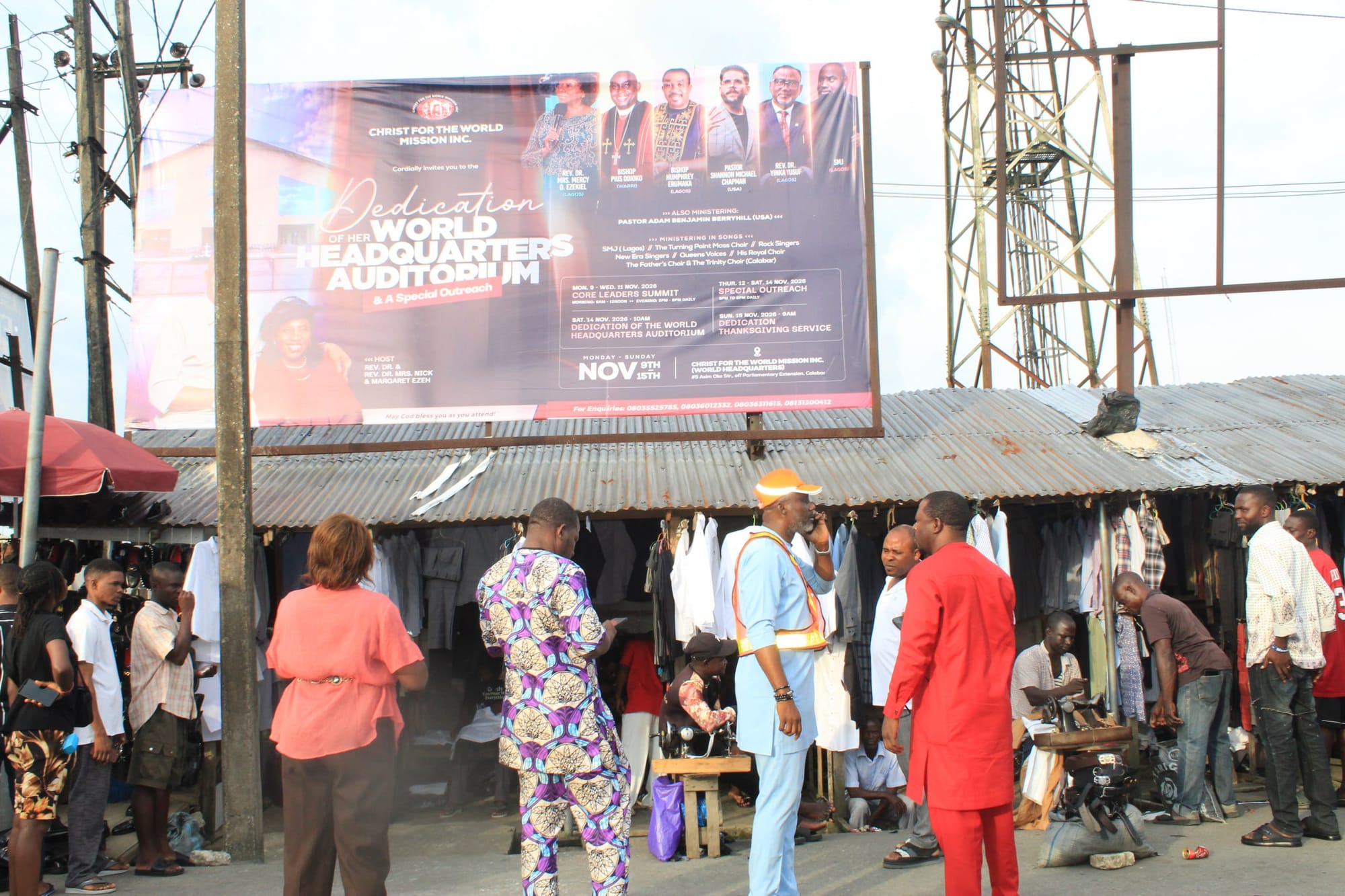
The Director-General further disclosed that the agency was examining structures suspected of having been erected without the required Environmental Impact Assessment (EIA). He cited a billboard whose foundation had reportedly developed serious defects, noting that the situation had raised concerns among residents in the vicinity. He warned that structural failure could result in injuries, loss of life and damage to property.
Sam explained that the agency’s intervention was part of its regulatory responsibility, clarifying that billboard and signage structures were owned by private advertisers, while the state government, through CRISSAA, regulated their operations. He said the exercise was not intended to victimise operators but to ensure compliance with safety standards and responsible outdoor advertising practices.
He urged advertisers to cooperate with the agency and use the opportunity provided by the removal of advertising materials to undertake the necessary repairs, reinforcement and revalidation of their structures. He stressed that affected installations must be made safe in liaison with CRISSAA before advertising materials are restored, reiterating that the protection of lives and property remained the agency’s priority. Sam warned that advertisers who failed to rectify identified defects and bring their structures up to the required safety standards would risk having their billboards permanently removed from their existing locations. He reiterated that the exercise was aimed at ensuring compliance with safety regulations.
At Watt Market, by the Goldie axis of Calabar, a trader, Mr. Richard Ibor, expressed concern that defective and unsafe billboard structures in the area posed a serious danger to traders and other people operating within the vicinity. He appealed to CRISSAA to expedite action on the affected structures by ensuring their prompt repair or removal, where necessary, to prevent possible accidents and other unforeseen mishaps.
By Kingsley Agim