
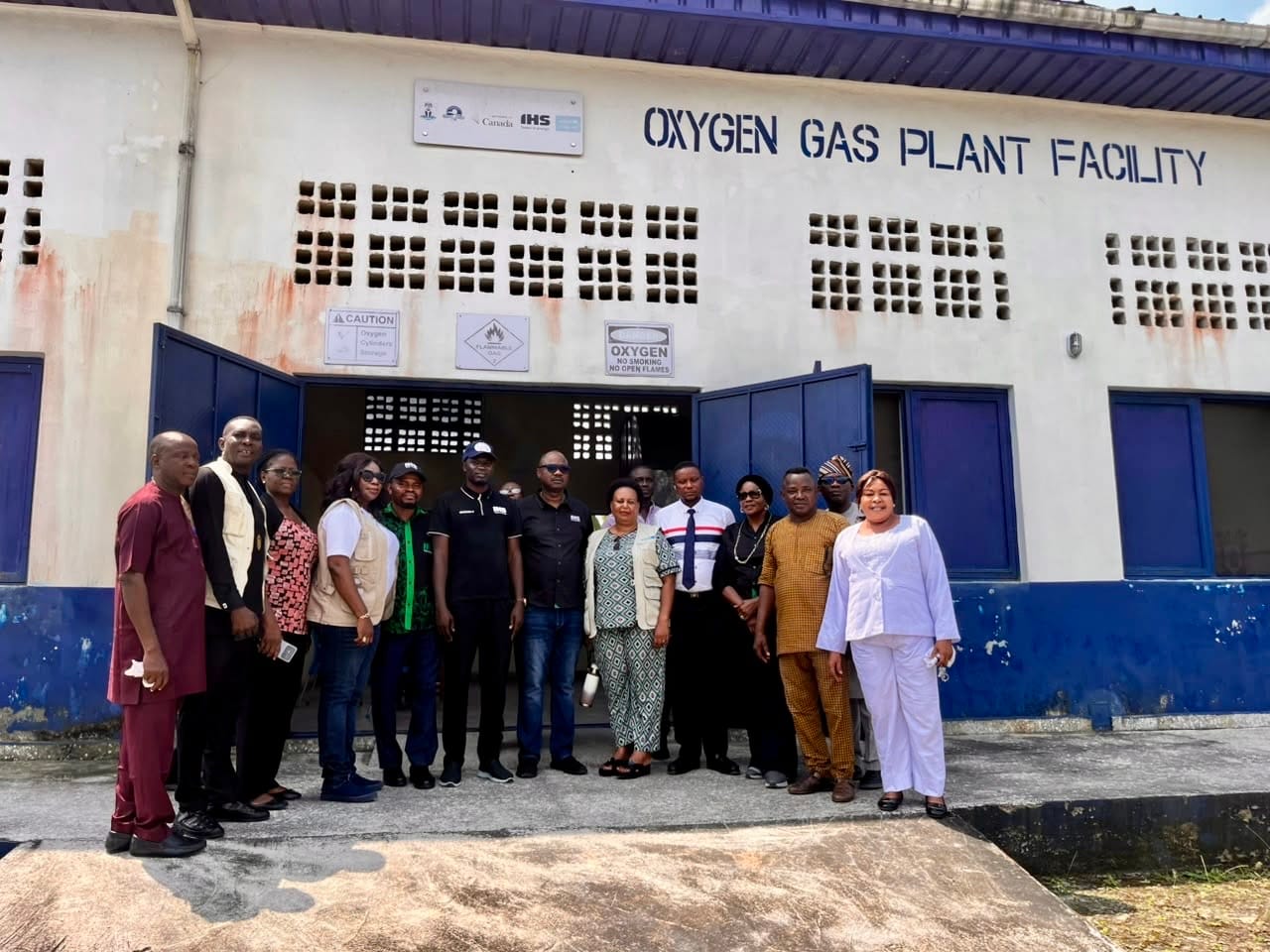
The United Nations Children’s Fund (UNICEF) and global telecommunications infrastructure company, IHS Towers, have commended Cross River State for the effective maintenance and operation of its medical oxygen plant at the General Hospital, Calabar.
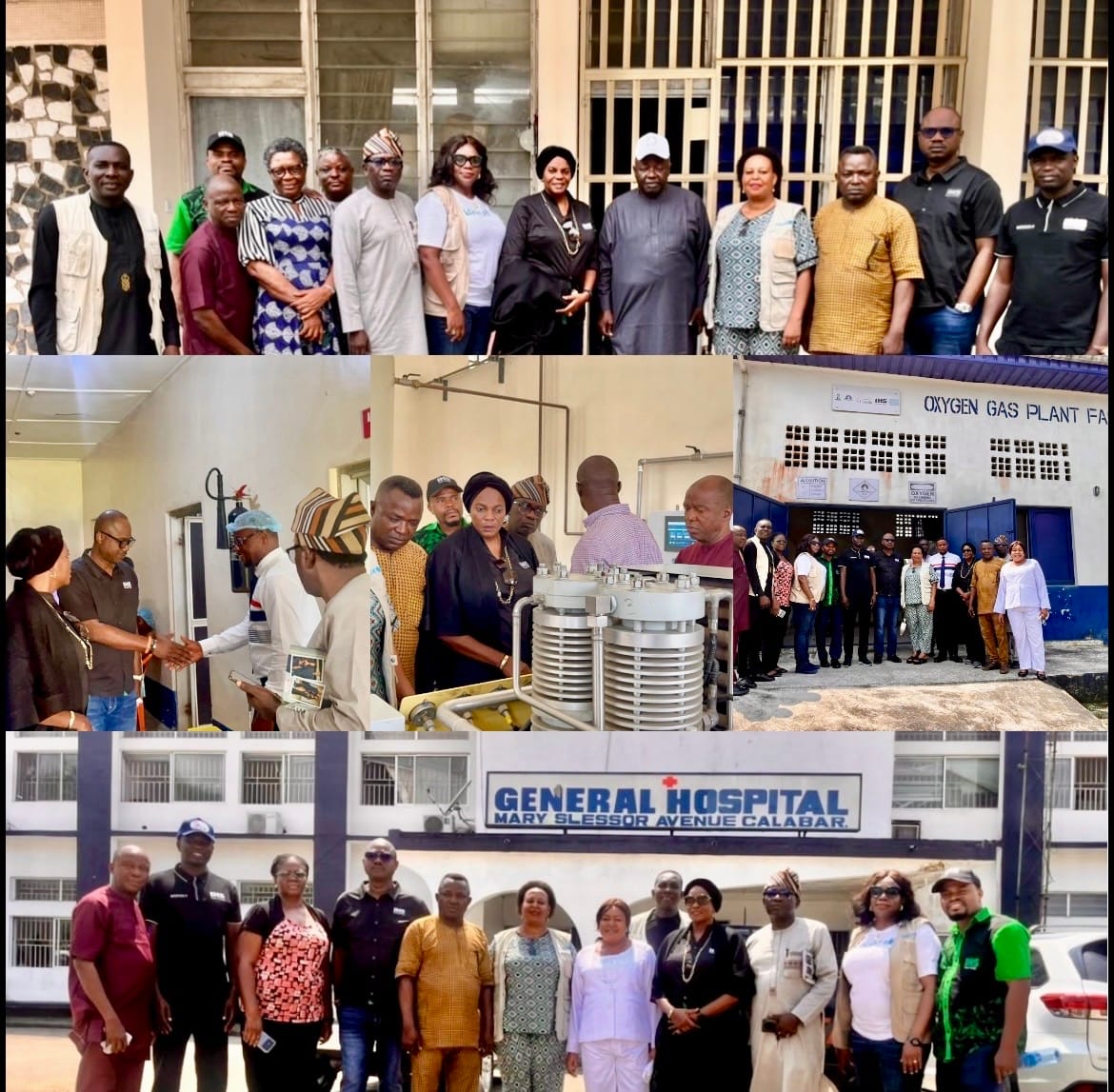
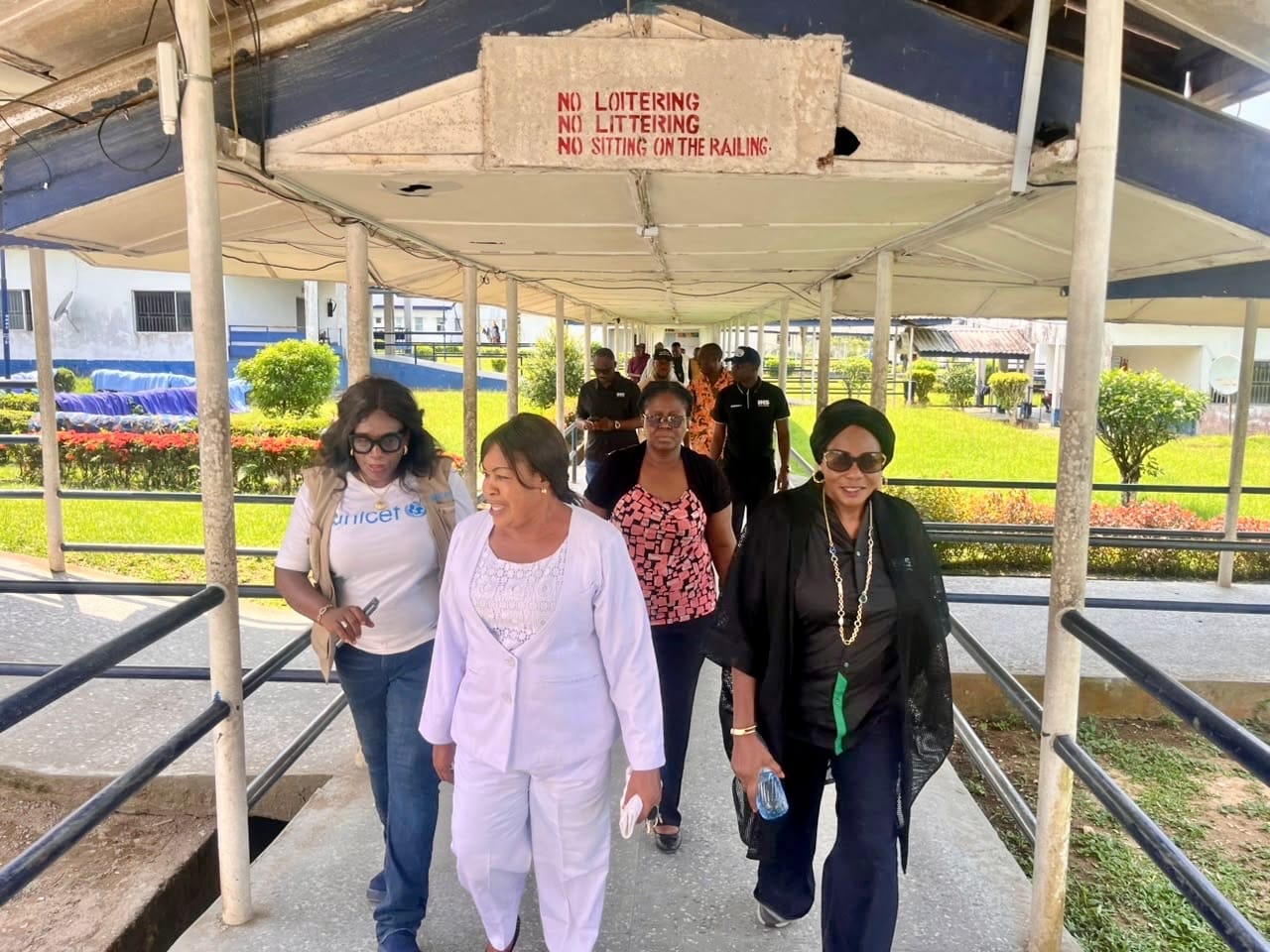
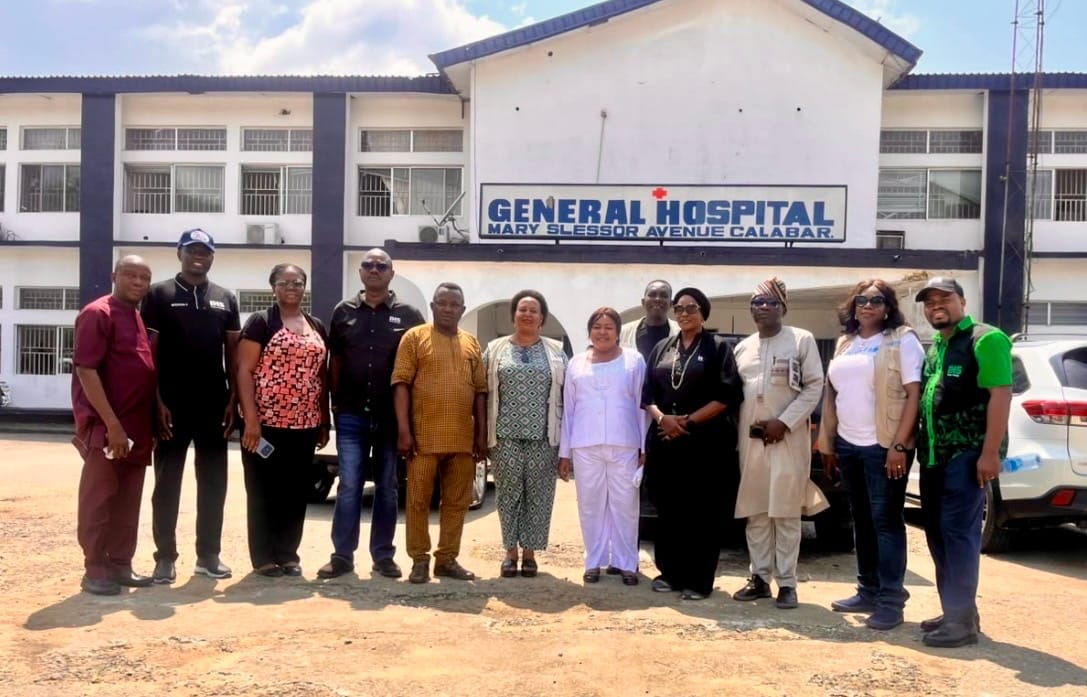
The commendation followed a joint supervisory visit by the two organisations to the Cross River State Ministry of Health Secretariat and the General Hospital, Calabar, on Wednesday, November 18, 2026, to assess the performance of the oxygen plant and other critical healthcare facilities.
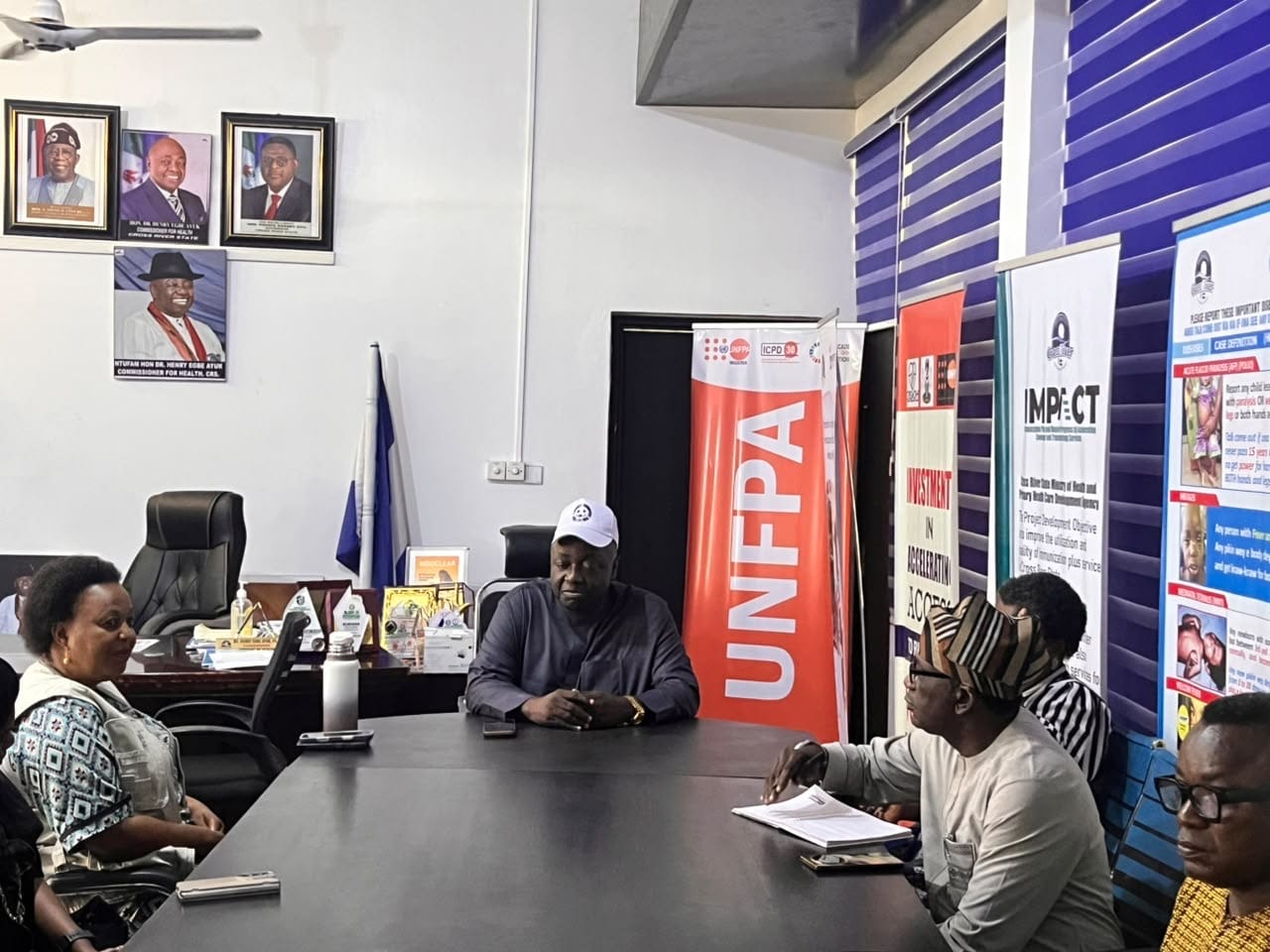
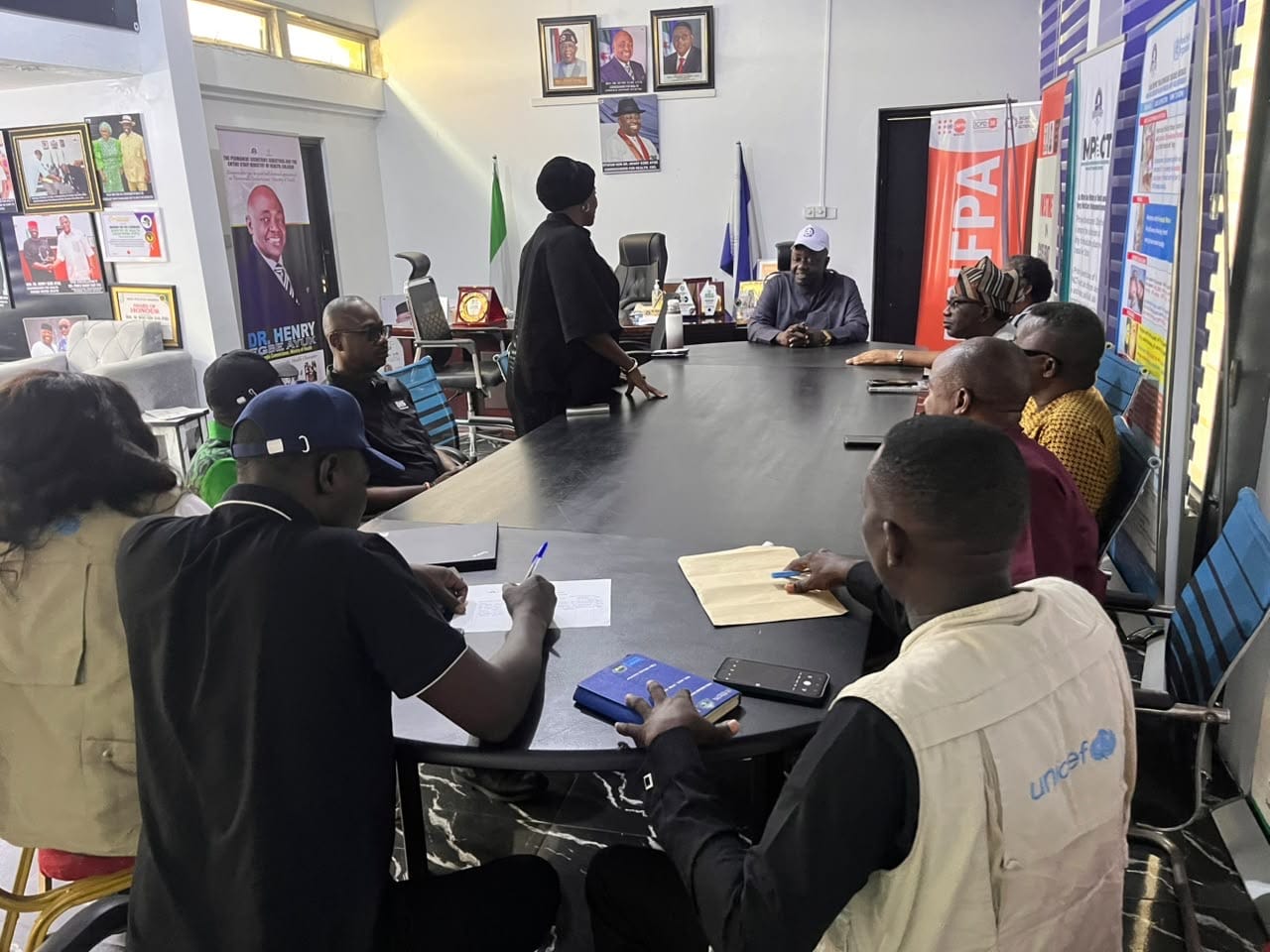
Receiving the delegation at his office, the Commissioner for Health, Dr. Henry Egbe Ayuk, appreciated UNICEF and its donor partners for their continued support to the state, particularly at a time of global funding constraints.
Ayuk recalled that the oxygen plant in Calabar was established when the state had no functional medical oxygen facility, explaining that its successful operation encouraged the government to extend similar infrastructure to the General Hospitals in Ogoja and Ikom.
He described investment in healthcare as fundamental to national development, noting that the visit provided an opportunity for the state and its partners to identify operational gaps and areas requiring improvement.
“The health of the nation is power; if you must invest in anything at all, healthcare is primary and fundamental. I see this visit as supportive supervision, not to find faults, but to identify areas where we can troubleshoot and strengthen the plant’s performance,” he said.
The Commissioner added that Governor Bassey Otu remains committed to the partnership, expressing the state’s readiness to expand access to medical oxygen in other general hospitals in line with the national Renewed Hope agenda for the health sector.
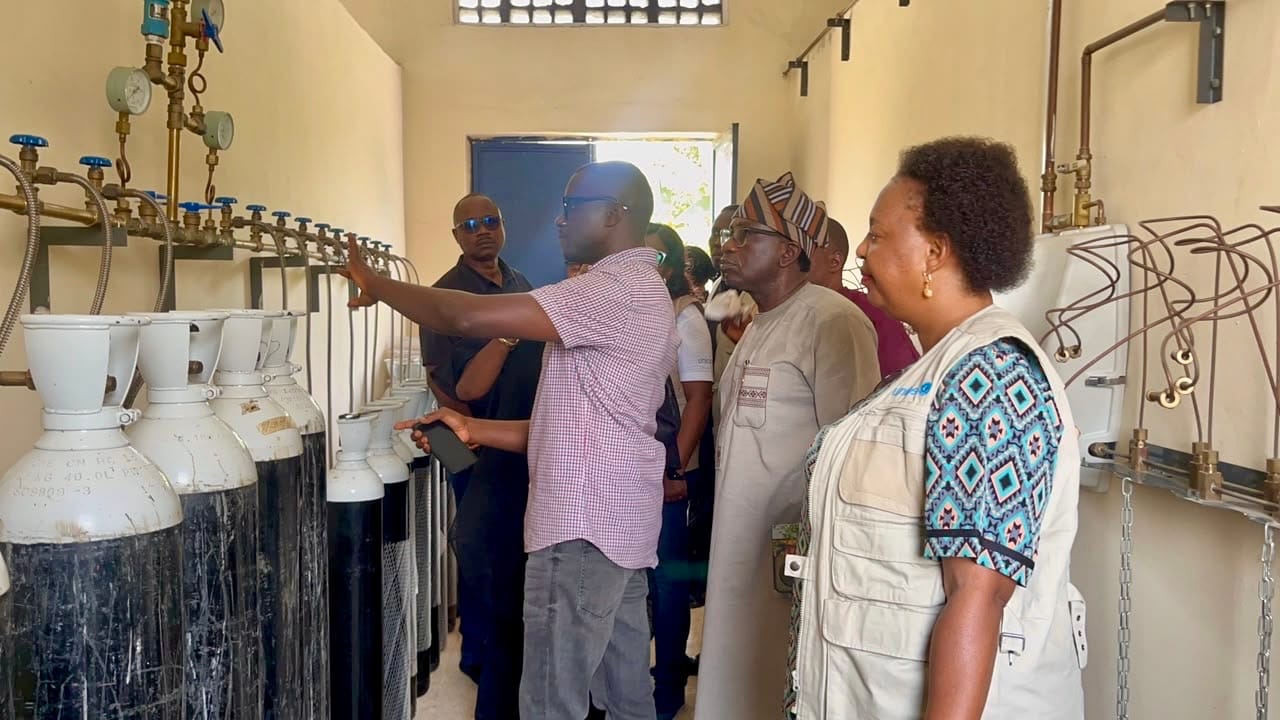
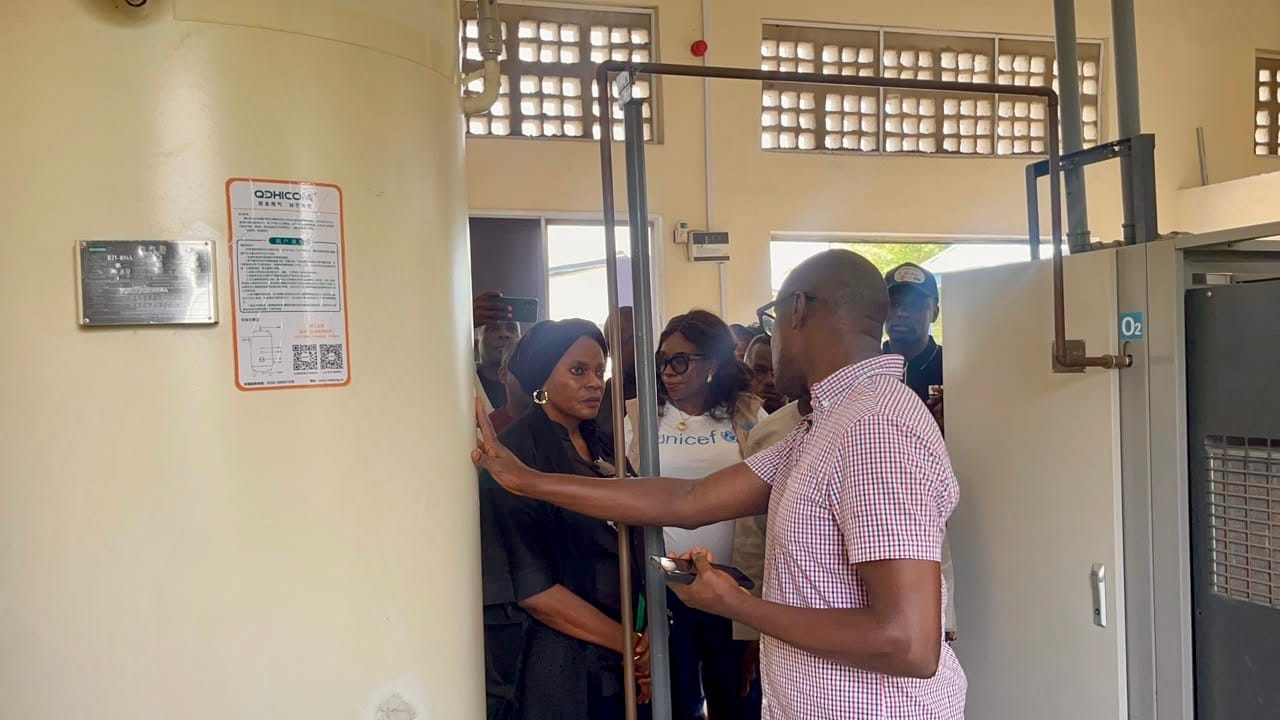
Conducting the delegation on the inspection of the oxygen facility, the Director of Medical Services, Dr. Stephen Agbor, who represented the Commissioner for Health, assessed the plant’s performance at over 90 per cent functionality, attributing its improved operations partly to the installation of a solar power system.
According to him, solarisation has eliminated the facility’s dependence on diesel, enabling consistent daily production and reducing operational costs.
He disclosed that the plant was not only meeting the oxygen needs of healthcare facilities within Cross River but was also supplying neighbouring states, commending UNICEF and other development partners for their support in ensuring its effective operation and maintenance.
In her remarks, the UNICEF Chief of Field Office for Enugu, Mrs. Juliet Chiluwe, expressed satisfaction with the condition of the plant, noting that it was well maintained and operating within the required technical standards.
Chiluwe also commended the hospital for optimising the use of oxygen cylinders and sustaining production to meet demand beyond the state, describing its capacity to supply neighbouring hospitals and other states as encouraging.
She, however, recommended the extension of oxygen supply through internal reticulation to critical service areas, particularly the emergency and labour wards, to improve access for patients requiring immediate oxygen support.
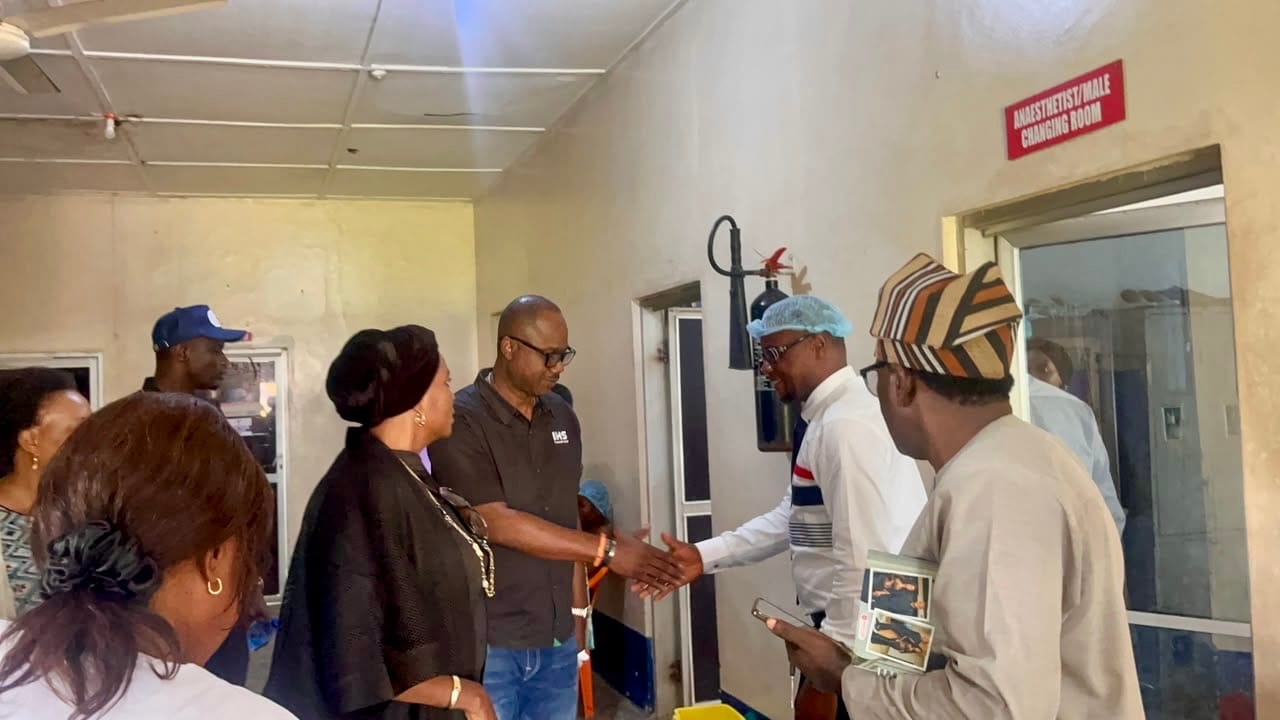
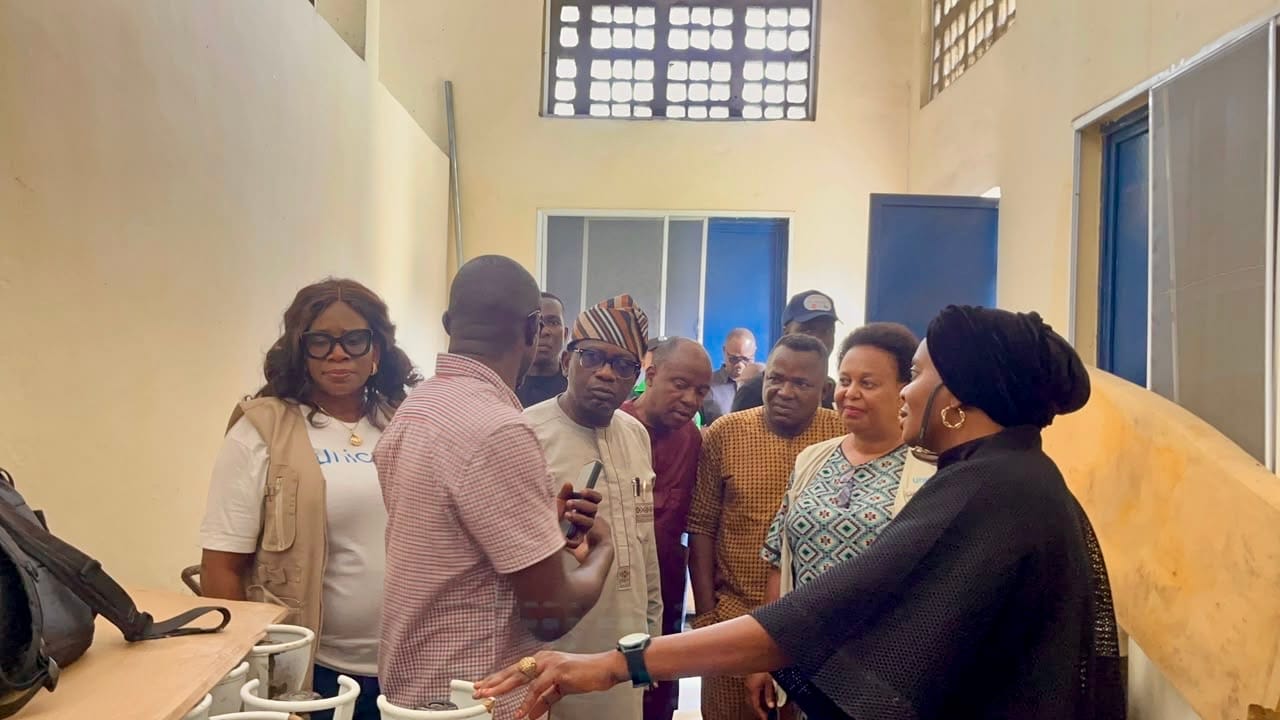
Earlier, the delegation had inspected several departments of the General Hospital, including the labour ward, postnatal ward, dental unit and operating theatre, before proceeding to the medical oxygen plant.
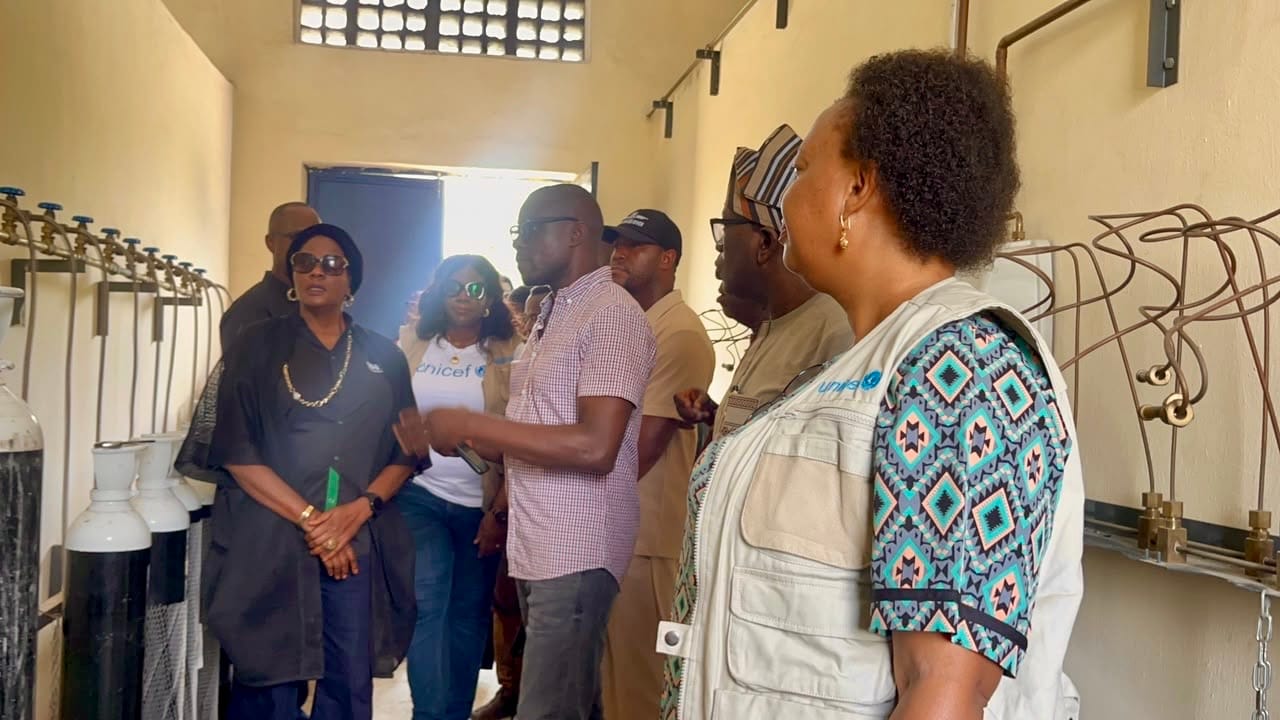
At the facility, the Plant Manager, Engr. Ekara Akon, provided a technical briefing on its operations, explaining the booster compression system, oxygen-nitrogen separation process and cylinder inventory management.
The engagement was attended by the Ministry’s Director of Administration, Mr. Mary Nton; Director of Public Health, Mr. Patrick Odu; other senior management and administrative officials, as well as representatives of UNICEF and IHS Towers.


By Kingsley Agim